Safeguard Your Identity in Online Shopping
Essential strategies to shield your personal data from thieves during e-commerce transactions and prevent financial losses.
Online shopping offers unmatched convenience, but it also exposes users to identity theft risks from cybercriminals targeting personal and financial details. Implementing robust defenses can minimize these dangers and ensure secure transactions.
Understanding the Risks of Digital Purchases
Cyber threats during online shopping include data breaches, phishing attacks, and man-in-the-middle intercepts on unsecured networks. Fraudsters exploit weak security to steal card numbers, addresses, and login credentials, leading to unauthorized charges and long-term credit damage. Recent reports highlight a surge in such incidents during peak shopping periods, underscoring the need for proactive measures.
Key vulnerabilities arise from reused passwords, unencrypted connections, and oversharing of information. By addressing these, shoppers can reduce exposure significantly.
Building Strong Account Defenses
Secure accounts form the foundation of identity protection. Start with passwords that resist cracking attempts.
- Generate passwords exceeding 14 characters, mixing uppercase, lowercase, numbers, and symbols for complexity.
- Assign unique passwords to each site to limit breach impacts.
- Employ password managers to handle generation and storage securely, eliminating memorization needs.
Next, activate multi-factor authentication (MFA) on retail, banking, and payment platforms. MFA demands a secondary verification like a mobile code, blocking access even if credentials leak.
Verifying Website Security Before Buying
Not all sites protect data equally. Confirm security by inspecting URL prefixes and browser indicators.
| Security Indicator | Description | Action |
|---|---|---|
| HTTPS:// prefix | Enables encryption via SSL/TLS | Proceed only if present |
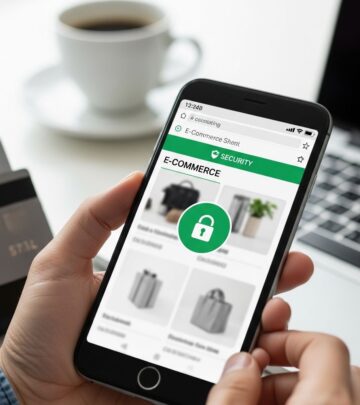
| Padlock icon | Confirms secure connection | Click to view certificate details |
| HTTP only | No encryption; high risk | Avoid entering sensitive info |
Reputable retailers prioritize these features, scrambling data to thwart interception.
Navigating Networks Safely
Public Wi-Fi in cafes or airports invites eavesdropping. Hackers scan for unencrypted traffic to capture details.
- Refrain from transactions on open networks.
- Deploy a VPN to tunnel and encrypt data, masking activities from intruders.
- Prefer home or mobile hotspots for shopping sessions.
VPNs create private pathways, essential for remote purchases.
Choosing Protective Payment Options
Payment methods vary in safeguards. Prioritize those with built-in fraud defenses.
- Credit cards allow disputes and zero-liability policies.
- Digital wallets like Apple Pay or Google Pay tokenize info, sending temporary codes instead of card numbers.
- Services such as PayPal provide buyer protections against unauthorized use.
Avoid debit cards or direct bank transfers, which offer less recourse. Tokenization ensures actual details remain hidden from merchants.
Staying Vigilant Against Phishing Tactics
Phishers mimic trusted brands via emails or sites to harvest data. Spot fakes by:
- Checking sender domains for mismatches.
- Avoiding unsolicited links; navigate directly to sites.
- Verifying urgent demands for info as red flags.
Research unfamiliar sellers on platforms, reading reviews and ratings to dodge scams.
Maintaining Device and Software Health
Outdated systems invite exploits. Routine updates patch vulnerabilities.
- Enable auto-updates for OS, browsers, and antivirus.
- Install reputable security software for real-time threat detection.
- Limit saved payment details on devices.
Clean privacy habits, like clearing caches post-session, further harden defenses.
Monitoring and Responding to Activity
Regular checks catch issues early. Review statements weekly for anomalies.
- Set alerts for transactions over set amounts.
- Dispute irregularities immediately with issuers.
- Consider credit freezes to block new account openings without consent.
Freezes from bureaus like Equifax, Experian, and TransUnion add robust prevention without disrupting current use.
Physical Precautions for Complete Protection
Digital risks extend offline. Shred receipts and statements containing details to foil trash scavengers.
Limit shared personal data to essentials during checkout.
Advanced Strategies for Frequent Shoppers
For heavy users, integrate tools like identity monitoring services that scan for breaches and alert on exposures. Combine with virtual card numbers from banks, generating disposable digits per purchase.
Table of advanced tools:
| Tool | Benefit | Example |
|---|---|---|
| Virtual Cards | One-time use numbers | Privacy.com, bank apps |
| Identity Monitors | Dark web scans | Allstate Identity Protection |
| Password Managers | Auto-fill security | LastPass, 1Password |
Frequently Asked Questions
What if I suspect identity theft after shopping?
Contact your bank to freeze cards, file a police report, and notify credit bureaus for a fraud alert.
Is using a VPN enough protection?
No, it secures connections but pair with HTTPS checks and MFA for full coverage.
Should I save payment info on sites?
Avoid it; use digital wallets instead to prevent mass exposure in breaches.
How often should I check statements?
Weekly during high-activity periods like holidays.
Are mobile payments safer?
Yes, tokenization shields real data.
Long-Term Habits for Digital Safety
Cultivate awareness: question deals too good to be true, educate family on risks, and stay informed via official cybersecurity channels. Consistent application of these practices transforms shopping from a risk into a routine.
By prioritizing layered security—strong credentials, encrypted channels, vigilant monitoring—shoppers reclaim control over their digital footprint. These steps not only avert immediate threats but foster enduring privacy resilience amid evolving cyber landscapes.
References
- How to Protect Your Identity Online During Shopping — UCCU. 2023. https://www.uccu.com/articles/how-to-protect-your-identity-online-during-shopping/
- Shopping Online Securely: Protecting Your Digital Identity — Oakland County Blog. 2023-11-13. https://oaklandcountyblog.com/2023/11/13/shopping-online-securely-protecting-your-digital-identity/
- Safeguard your personal information while shopping online — Condley CPA. 2023. https://condley.cpa/safeguard-your-personal-information-while-shopping-online/
- Identity Theft On-line Shopping — PA Office of Attorney General. 2023. https://www.attorneygeneral.gov/protect-yourself/identity-theft/identity-theft-on-line-shopping/
- How to Stay Safe Shopping Online | From Cybersecurity Experts — Global Cyber Alliance. 2023. https://globalcyberalliance.org/how-to-stay-safe-shopping-online-from-cybersecurity-experts/
- Seven tips for safer online shopping — Allstate Identity Protection. 2023. https://www.allstateidentityprotection.com/content-hub/seven-tips-for-safer-online-shopping
- Identity Theft and Online Security — FTC Consumer Advice. 2023. https://consumer.ftc.gov/identity-theft-online-security
Similar Articles








Read full bio of medha deb