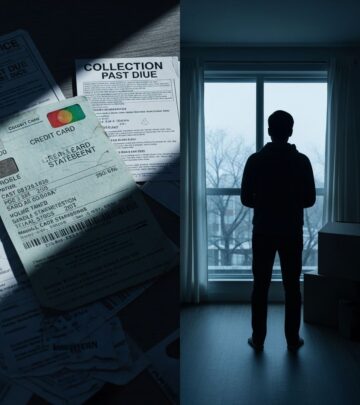
Safeguard Your Credit During Unemployment
Discover proven strategies to maintain your credit health when job loss strikes, from creditor negotiations to smart budgeting.

When sudden job loss disrupts your income, preserving your credit standing becomes a critical priority. Unemployment can strain finances, leading to missed payments that harm your credit score, but timely actions like communicating with lenders and tapping assistance programs can minimize damage and support recovery.
Immediate Steps to Stabilize Your Finances
The moment unemployment hits, focus on cash flow preservation without jeopardizing long-term credit health. Start by filing for unemployment benefits through your state’s labor department, as these provide temporary income replacement that covers essentials and bill payments.35
- Verify eligibility based on prior earnings and layoff circumstances.
- Apply promptly to avoid delays in receiving funds.
- Explore supplemental aid like SNAP or local relief programs for added support.
Simultaneously, review your budget rigorously. Categorize expenses into necessities (housing, food, utilities) and deferrables (entertainment, dining out). Tools like bill calendars help track due dates and prevent overdrafts from automatic payments.3
Negotiating Relief with Creditors and Lenders
Proactive outreach to creditors is among the most effective defenses against credit damage. Lenders, including credit card issuers and banks, often extend hardship programs during economic stress, but relief requires direct requests rather than assumptions.134
Prepare for calls by gathering details on your income changes, affordable payment amounts, and expected return to work. Creditors may offer:
- Reduced monthly minimums or interest rates.
- Fee waivers for late payments.
- Temporary payment deferrals without penalties.
For mortgages, inquire about forbearance or modification programs like FHA Special Forbearance, which suspends payments for up to 12 months.4 Credit card companies assess cases individually, so persistence pays off—early contact preserves your payment history.1
| Debt Type | Common Relief Options | Potential Credit Impact |
|---|---|---|
| Credit Cards | Lower payments, fee waivers | Minimal if arranged before delinquency |
| Mortgage | Forbearance, modifications | Reported as current if qualified |
| Personal Loans | Rate reductions, suspensions | Depends on lender reporting |
| Auto Loans | Deferred payments | May accrue interest but avoids default |
Smart Management of Credit Card Usage
Resist the urge to rely heavily on credit cards for daily needs, as high utilization spikes can tank your score even without missed payments. Monitor your credit limit, as issuers may adjust it amid economic flux, impacting utilization ratios.1
Avoid cash advances, which carry steep fees and immediate interest accrual without grace periods.1 Instead, scrutinize statements for cancellable subscriptions or unused services to free up cash. Leverage card perks like cashback or discounts to offset costs indirectly.1
Leveraging Insurance and Protection Products
Credit protection insurance, including involuntary unemployment coverage, can cover loan payments during job loss. These policies, available through lenders, pay a set number of installments if laid off involuntarily.26
Review existing policies on loans or cards for disability, life, or unemployment riders. While not universal, they provide automatic buffers without negotiation.8 Note that coverage terms vary, often limited to full-time layoffs excluding voluntary quits.
Monitoring and Maintaining Credit Reports
Regular credit report checks are vital, as arrangements with lenders might not reflect accurately, leading to erroneous negative marks.3 Access free weekly reports from AnnualCreditReport.com and dispute inaccuracies promptly.
Placement of new accounts or inquiries should pause until stability returns, preserving score factors like account age and mix. Build resilience by networking for job leads and clarifying informal loans with family to avoid disputes.3
Budgeting and Expense Optimization Strategies
Craft a lean budget prioritizing high-impact debts. Use nonprofit credit counseling for impartial debt management plans that consolidate payments at lower rates.5
Strategies include:
- Negotiating utility bill extensions.
- Shopping for cheaper insurance or refinancing where feasible.
- Selling non-essentials to generate lump-sum payments.
Government tools like the CFPB’s bill prioritization worksheet guide decisions on which obligations to tackle first.3
Long-Term Recovery and Rebuilding Credit
Once reemployed, accelerate payoff of deferred balances to prevent interest buildup. Secured credit cards or credit-builder loans aid score recovery by demonstrating responsible use.
Maintain low utilization under 30% and on-time payments to rebound quickly. Economic downturns amplify options, so document all agreements in writing for records.
Frequently Asked Questions
Will missed payments during unemployment ruin my credit forever?
No, impacts fade over time—late payments drop off after seven years—but early intervention limits severity. Hardship programs often prevent derogatory marks.13
How soon should I contact creditors after job loss?
Immediately, before the first missed due date, to qualify for proactive relief without credit dings.4
Can unemployment benefits be garnished for debts?
Typically protected from most creditors, though child support or taxes may claim portions; check state rules.5
Are credit counseling services free?
Nonprofits like those recommended by CFPB offer low- or no-cost initial consultations and plans.3
Does applying for aid affect my credit score?
Filing for unemployment or checking reports does not; hard inquiries from new credit do.3
References
- Managing Credit Card Debt After a Job Loss — American Express. 2023. https://www.americanexpress.com/en-us/credit-cards/credit-intel/credit-card-debt-after-job-loss/
- Credit Life, Disability, and Involuntary Unemployment — SWBC. 2023. https://www.swbc.com/credit-life-and-disability
- Unexpected Job Loss — Consumer Financial Protection Bureau. 2024-01-15. https://www.consumerfinance.gov/consumer-tools/unexpected-job-loss/
- Managing Debt While Coping with Job Loss — Regions Bank. 2023. https://www.regions.com/insights/personal/article/managing-debt-while-coping-with-job-loss
- How to Manage Credit Card Debt When Unemployed — Capital One. 2023. https://www.capitalone.com/learn-grow/money-management/unemployed-with-credit-card-debt/
- Understanding Payment Protection Insurance — AFSAEF. 2023-12. https://afsaef.org/wp-content/uploads/2023/12/understanding-payment-protection-brochure-EN.pdf
Similar Articles








Read full bio of Sneha Tete