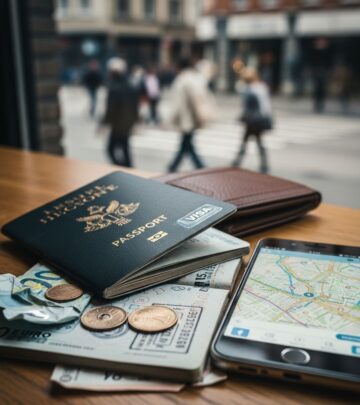
Passport Fraud: Essential Guide To Spotting Scams
Discover proven strategies to identify and avoid passport scams, from fake expeditors to counterfeit documents, ensuring secure travel planning.
Passport fraud poses significant threats to travelers, involving everything from counterfeit documents to deceptive expediting services. Understanding these dangers allows individuals to navigate applications securely and avoid financial losses or identity theft.
Understanding the Scope of Passport-Related Deceptions
Scammers target passport processes due to the urgency of travel needs and the value of associated personal data. Fraudsters exploit vulnerabilities in both physical documents and digital services, leading to billions in global losses annually. Electronic passports incorporate biometric chips with Public Key Infrastructure (PKI) for data authenticity, yet counterfeiters adapt quickly.
Common deceptions include fake renewal sites mimicking government portals and unauthorized expeditors promising unrealistically fast processing. Financial institutions face risks too, as counterfeit passport cards enable account takeovers, with U.S. officials noting thousands of victims.
Key Indicators of Fraudulent Passport Services
Recognizing red flags early prevents engagement with illegitimate providers. Legitimate services operate transparently within official timelines set by agencies like the U.S. Department of State.
- Unrealistic Processing Promises: Claims of passports in days when standard expedited service takes weeks signal deceit.
- Questionable Payment Demands: Requests for wire transfers, cryptocurrency, or gift cards lack recourse options, unlike credit cards with dispute protections.
- Absent Physical Presence: No verifiable office address or reliance on P.O. boxes indicates evasion of accountability.
- Vague Credentials: Lack of affiliations with recognized bodies or unproven authorization claims warrant skepticism.
Verification steps include searching company names with terms like “scam” on review platforms and checking Better Business Bureau profiles for complaint patterns.
Technological Defenses in Modern Passports
Contemporary passports feature advanced safeguards like biometric storage of facial scans and fingerprints, making duplication challenging. Basic Access Control (BAC) requires scanning the machine-readable zone (MRZ) to unlock chip data, while Extended Access Control (EAC) adds encryption for sensitive biometrics.
These elements facilitate rapid border verification, reducing impersonation risks. Organizations use Optical Character Recognition (OCR) for real-time document checks, cross-referencing data fields against official records.
| Feature | Description | Benefit |
|---|---|---|
| Biometric Chip | Stores unique facial and fingerprint data | Prevents impersonation |
| PKI Encryption | Digital signatures from issuing authority | Ensures document integrity |
| BAC/EAC Protocols | Controlled chip access | Blocks unauthorized reads |
Strategies for Secure Passport Applications
Opt for official channels to minimize exposure. Government websites provide direct application options without intermediaries.
- Prepare documents meticulously: valid photos, IDs, and fees as per current guidelines.
- Use trackable shipping for submissions and retain copies of all materials.
- Verify fees against official sources to detect hidden charges.
For urgency, select authorized expeditors with physical locations, itemized pricing, and positive multi-platform reviews. Avoid pressure tactics urging immediate payments without research time.
Protecting Personal Data from Identity Exploitation
Scammers harvest details from applications for synthetic identities, blending real and fabricated data. In 2026, generative AI enhances these schemes, complicating detection.
Employ secure transmission: encrypted portals over email. Monitor credit reports post-application and activate fraud alerts if data sharing occurred.
Spotting Counterfeit Documents and Their Dangers
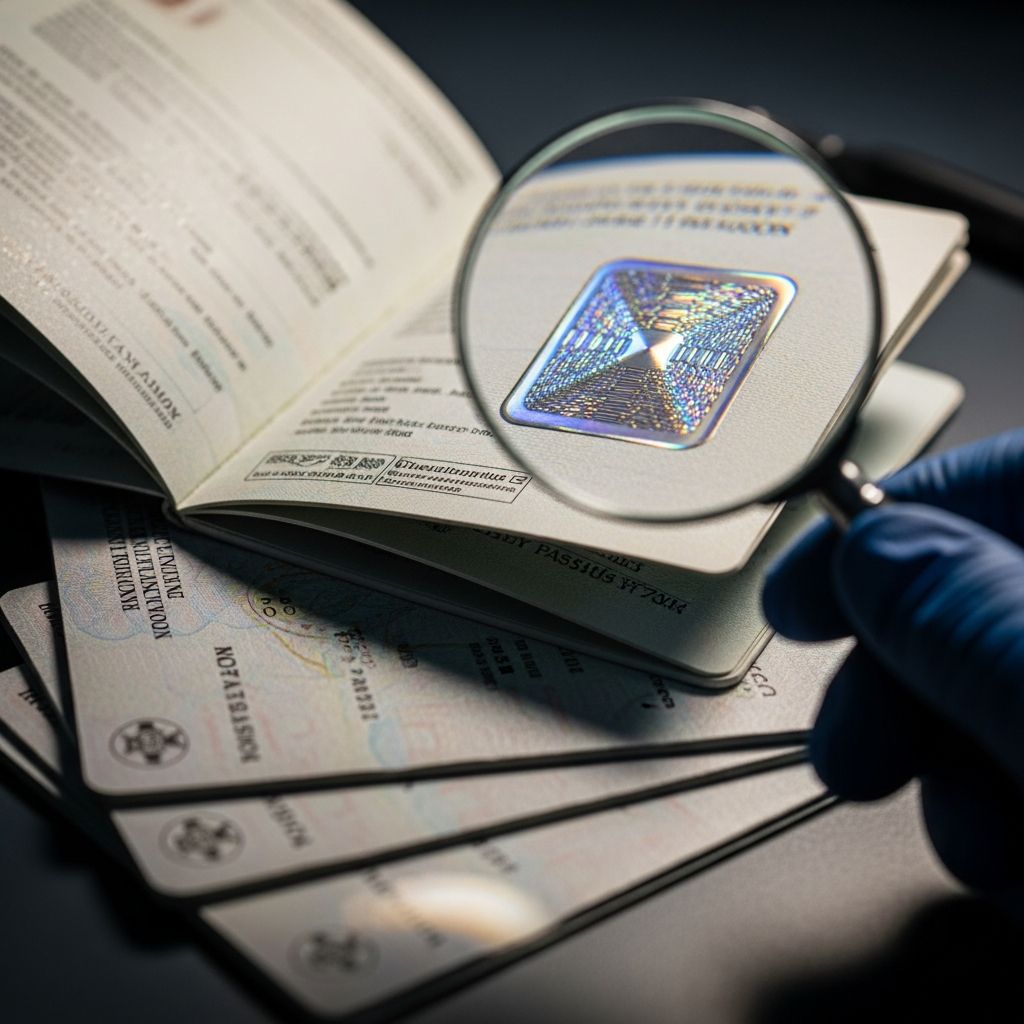
Fraudulent passports often lack security holograms, raised text, or matching MRZ data. Passport cards, used for land/sea travel to nearby countries, are increasingly counterfeited due to lower familiarity.
Banks must scrutinize these for anomalies like missing seals. Travelers should inspect documents under light for watermarks and UV features before use.
Global Perspectives on Scam Prevention
Regulatory efforts in regions like the UK and Australia emphasize mandatory reimbursements for scam victims and industry-wide protocols. Financial institutions file suspicious activity reports to disrupt networks.
Immediate Actions if Victimized
Act swiftly upon suspicion: dispute charges via credit issuers, report to the FTC at ReportFraud.ftc.gov, and notify state attorneys general. For passport-specific fraud, submit tips to the Diplomatic Security Service.
Place credit freezes and monitor accounts. Retain all records for investigations.
Frequently Asked Questions
How do I confirm a passport expeditor’s legitimacy?
Check for physical addresses, BBB ratings, and consistent reviews. Verify against State Department guidelines.
What are signs of a fake passport website?
Impersonation of .gov sites, urgent language, and non-standard payments.
Can electronic passports be forged?
Advanced features like biometrics reduce risks, but vigilance against counterfeits remains essential.
What if my passport application data was compromised?
Report to DSS and monitor credit; consider identity theft protection services.
Are expedited services ever worth the cost?
Yes, from verified providers offering transparent fees and real acceleration.
Building Long-Term Fraud Resilience
Stay informed via official travel advisories. Integrate ID verification tools in digital onboarding for businesses. As technology evolves, so must personal defenses—combine tech reliance with critical evaluation.
Proactive habits like regular document renewals and digital literacy fortify against emerging threats. Governments continue standardizing e-passport tech via ICAO, enhancing collective security.
References
- Reduce Fraud with Advanced ID Verification & Electronic Passports — Kinegram Digital. 2023. https://kinegram.digital/knowledge-base/reduce-fraud-with-advanced-id-verification-and-electronic-passports/
- Avoiding Expedited Passport Scams: 5 Signs of an Illegitimate Passport Expeditor — The Passport Guys. 2024. https://www.thepassportguys.com/avoiding-expedited-passport-scams-5-signs-of-an-illegitimate-passport-expeditor/
- Banks Must Stay Alert for Counterfeit Passports, US Officials Warn — ACAMS. 2024-07-15. https://www.acams.org/en/news/banks-must-stay-alert-for-counterfeit-passports-us-officials-warn
- Passport Fraud – DSS Crime Tips — U.S. Department of State. 2025. https://dsscrimetips.state.gov/passport-fraud-tip
- 7 Ways Synthetic Identity Fraud Is Changing in 2026 — Persona. 2026-01. https://withpersona.com/blog/7-ways-synthetic-identity-fraud-is-changing-in-2026
- Reporting U.S. Passport or Visa Fraud — Travel.State.Gov. 2025. https://travel.state.gov/content/travel/en/contact-us/reporting-fraud.html
- What Works, What Doesn’t in the Global Fight Against Scams — BPI. 2024. https://bpi.com/what-works-what-doesnt-in-the-global-fight-against-scams/
Similar Articles








Read full bio of Sneha Tete