Safe Storage for Estate Planning Papers
Discover reliable methods to protect your will, trusts, and powers of attorney from loss, damage, or inaccessibility during critical moments.
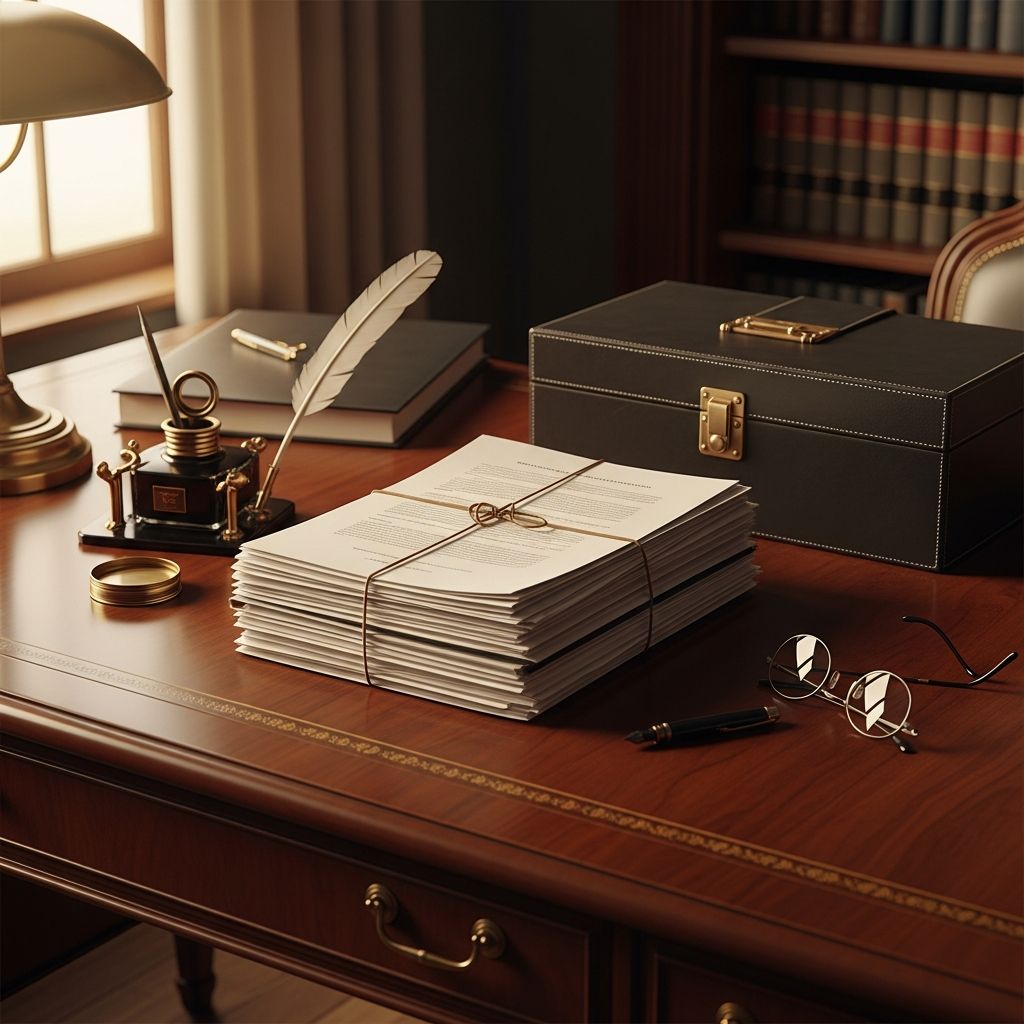
Your estate planning documents form the backbone of how your assets, healthcare decisions, and final wishes will be handled. Choosing the right storage method ensures they remain intact and accessible when needed most, preventing delays or disputes for your family.
Key Documents Requiring Secure Protection
Not all papers demand the same level of safeguarding, but core estate planning items must be prioritized. These include your last will and testament, which outlines asset distribution; trust agreements that manage property outside probate; durable powers of attorney for financial matters; advance healthcare directives and living wills for medical choices; HIPAA release forms for health information sharing; property deeds and titles; beneficiary forms for insurance and retirement accounts; and any specific burial or funeral preferences.
Organizing these begins with clear categorization. Use labeled folders for legal files, financial records, medical directives, and personal instructions. Maintain a master list detailing each document’s location and update date, reviewed yearly to reflect life changes like new accounts or family shifts.
Physical Storage Options: Balancing Security and Access
Physical storage offers tangible reliability, ideal for originals that courts often require. Evaluate options based on protection levels, convenience, and emergency access.
Fortified Home Safes: Convenience Meets Defense
A bolted-down, fireproof, and waterproof safe at home provides immediate access without relying on third parties. Select models certified for at least 30-60 minutes of fire endurance and flood resistance. Place documents in sealed plastic bags inside for extra moisture protection. Share the combination or key location with a trusted executor or spouse via a sealed letter stored separately.
- Advantages: Quick retrieval in emergencies; full control over access; protection from common household threats.
- Drawbacks: Vulnerable to break-ins if not concealed; requires family knowledge of location.
Bank Safe Deposit Boxes: Professional Safeguarding
Banks offer vaults with superior security against theft and disasters. Renting a box is affordable, but access hinges on banking hours and authorized signers. Add a joint owner, like a family member, to avoid probate delays upon incapacity or death. Sole ownership can lock out contents until court orders intervene.
| Feature | Home Safe | Bank Box |
|---|---|---|
| Accessibility | 24/7 with key/code | Business hours only |
| Fire/Water Protection | Model-dependent | High institutional standard |
| Post-Death Access | Depends on shared info | Joint access or court |
| Cost | One-time purchase | Annual rental fee |
Attorney or Trustee Custody: Expert Oversight
Delivering originals to your estate attorney or a named corporate trustee ensures professional handling. Firms maintain climate-controlled vaults with protocols for retrieval by successors. Inform family of this arrangement through your master inventory. This suits complex estates where legal guidance is ongoing.
Digital Solutions: Modern Backup and Accessibility
Scanning documents into encrypted formats complements physical storage. Use password-protected cloud services like specialized estate vaults that allow controlled sharing with agents. Platforms often include audit trails and multi-factor authentication. However, originals remain essential for probate, as digital copies alone rarely suffice legally.
- Benefits: Remote access worldwide; easy updates; disaster redundancy.
- Risks: Cybersecurity threats; tech dependency; not a will substitute.
Best practice: Pair high-resolution scans with metadata tags for quick searches, stored on multiple devices.
Hybrid Approaches for Comprehensive Coverage
Combine methods for layered defense. Store originals in a home safe or attorney office, scans in a digital vault, and a summary list in an accessible email or shared drive. This mitigates single-point failures like fires destroying physical copies or hacks compromising digital ones.
Critical Mistakes to Sidestep in Document Management
Certain habits jeopardize your plan’s execution. Never tuck papers in unsecured nightstands, refrigerators, or buried caches without documentation—families have searched fruitlessly for years. Avoid sole-name safe deposit boxes without contingency plans. Neglecting updates after marriages, births, or divorces invalidates outdated files. Finally, secrecy backfires; undisclosed locations render documents useless.
Streamlining Access for Loved Ones
Empower your executor with a “roadmap” packet: a non-legal summary listing document types, storage spots, combinations, and contacts (attorney, bank). Store this in an obvious place, like with a trusted relative. Periodic reviews, perhaps annually or post-major events, keep everything current.
Frequently Asked Questions
Can I store my will in a safe deposit box alone?
It’s possible but risky; without co-signers, access requires court approval after death, delaying probate.
Are digital copies legally binding for wills?
No, courts typically demand originals to confirm no revocations occurred.
How often should I check my storage setup?
Annually, or after life events like health changes or asset shifts.
What if I use a home safe—does it need bolting?
Yes, to prevent theft; pair with insurance riders for valuables.
Should I tell my kids about document locations now?
Select trusted ones, providing instructions without full disclosure if privacy matters.
Legal and Practical Updates for Longevity
Laws evolve; what works today may shift. Consult professionals for state-specific rules on digital admissibility or box access. Technology advances offer biometrics and blockchain-secured vaults—stay informed. Ultimately, thoughtful storage honors your legacy, sparing heirs stress amid grief.
References
- How to Store Estate Planning Documents Safely — Legacy Counsel. 2023-05-15. https://legacy-counsel.com/blog/how-to-store-estate-planning-documents-safely/
- The Importance of Proper Storage for Estate Planning Documents — Heights Law Group. 2024-02-10. https://heightslawgroup.com/the-importance-of-proper-storage-for-estate-planning-documents/
- Where Do I Store My Estate Planning Documents? — HKH Elder Law. 2020-01-15. https://www.hkhelderlaw.com/blog/2020/january/where-do-i-store-estate-planning-documents-/
- Where Should I Store Estate Plan Documents? — RLK Law. 2023-08-20. https://www.rlklaw.com/blog/where-should-i-store-estate-plan-documents.html
- How to Organize Important Documents for Estate Planning — Docr Law. 2024-11-05. https://www.docrlaw.com/articles/how-to-organize-important-documents-for-estate-planning
Similar Articles








Read full bio of medha deb