Stay Safe When Sending Checks Through the Mail
Essential tips and security measures to protect your checks from fraud and theft.
Mailing checks remains a common payment method for many people, but it comes with significant security risks that shouldn’t be ignored. As check fraud continues to rise and mail theft becomes increasingly prevalent, understanding how to safely send checks through the mail is more important than ever. This comprehensive guide will help you protect your financial information and reduce your vulnerability to fraud when mailing checks.
Understanding Check Fraud and Mail Theft Risks
Check fraud has become a serious concern in recent years, with scammers employing sophisticated techniques to intercept, alter, and misuse checks sent through the mail. According to fraud reports, more than 23% of organizations have experienced payment fraud due to interference with the US Postal Service. The vulnerability of paper checks stems from their physical nature—they contain sensitive banking information and can be easily stolen, forged, or altered during transit.
One of the most alarming fraud techniques is check washing, where criminals steal checks from mailboxes, use chemicals to remove the ink, and then rewrite the check to themselves for a much larger amount. This method is disturbingly simple, yet highly effective, as scammers use readily available materials like bleach and nail polish to erase handwritten information.
How Checks Are Vulnerable to Fraud
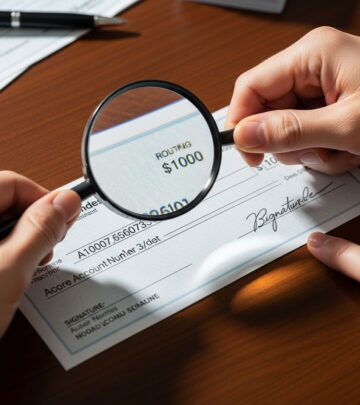
Understanding the specific vulnerabilities of mailed checks helps you take appropriate precautions. Checks contain multiple pieces of sensitive information that criminals can exploit:
- Your account number and routing number printed directly on the check
- Your signature, which can be forged
- The payee information, which can be altered
- The dollar amount, which can be changed
- Your personal and business details
While checks do include security features such as security screens, warning boxes, chemical-sensitive paper, fluorescent fibers, erasure protection, and microprint signature lines, these measures are not always sufficient to prevent determined fraudsters. Additionally, your banking details are visible to anyone who handles the check during its journey through the mail system.
Common Types of Check-Related Fraud
Check Theft and Forgery
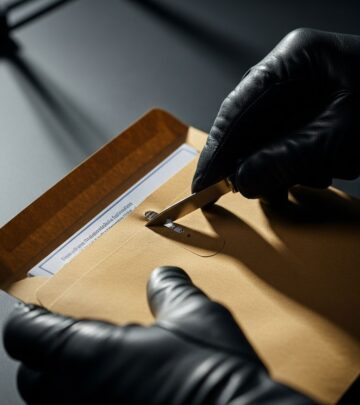
The simplest form of check fraud involves stealing checks directly from mailboxes or intercepting them during postal delivery. Thieves don’t necessarily need to steal checks you’ve sent—they can target incoming mail, including bank statements and business correspondence. Once they obtain a blank check or information from your account, they can forge your signature and alter payment amounts.
Check Washing
Check washing is one of the most prevalent fraud methods. Criminals steal checks and use common household chemicals to remove handwritten information, then rewrite the check details to divert funds to themselves. Using these chemical solvents, a fraudster can transform a modest $120 check into a $5,000 fraudulent payment in minutes.
Identity Theft Through Banking Information Exposure
Every check you mail contains your account number and routing number. Scammers can use this information to set up demand drafts, which allow them to withdraw funds from your account without your authorization or signature. This type of bank scam can result in unauthorized withdrawals and account compromise.
Best Practices for Mailing Checks Safely
Use the Right Writing Instrument
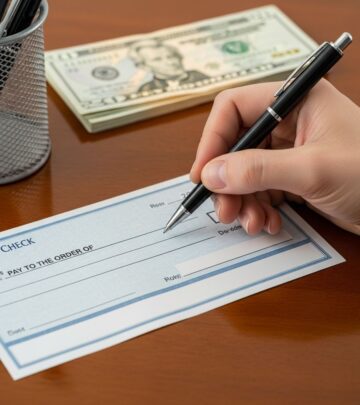
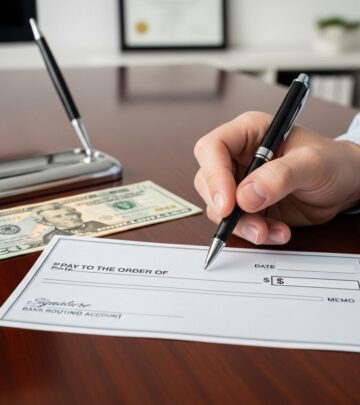
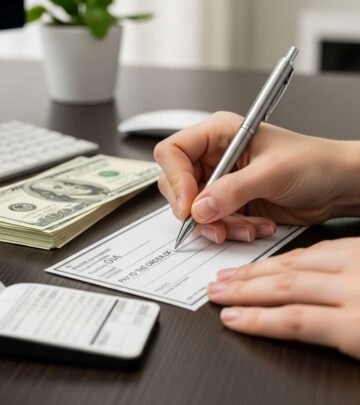
One of the simplest yet most effective security measures is using the correct pen when writing checks. Write all check information using blue or black gel pens with permanent ink, never ballpoint pens. Gel ink is significantly harder for fraudsters to wash away with chemicals, making your check a less attractive target for check washing schemes.
Mail Checks Securely
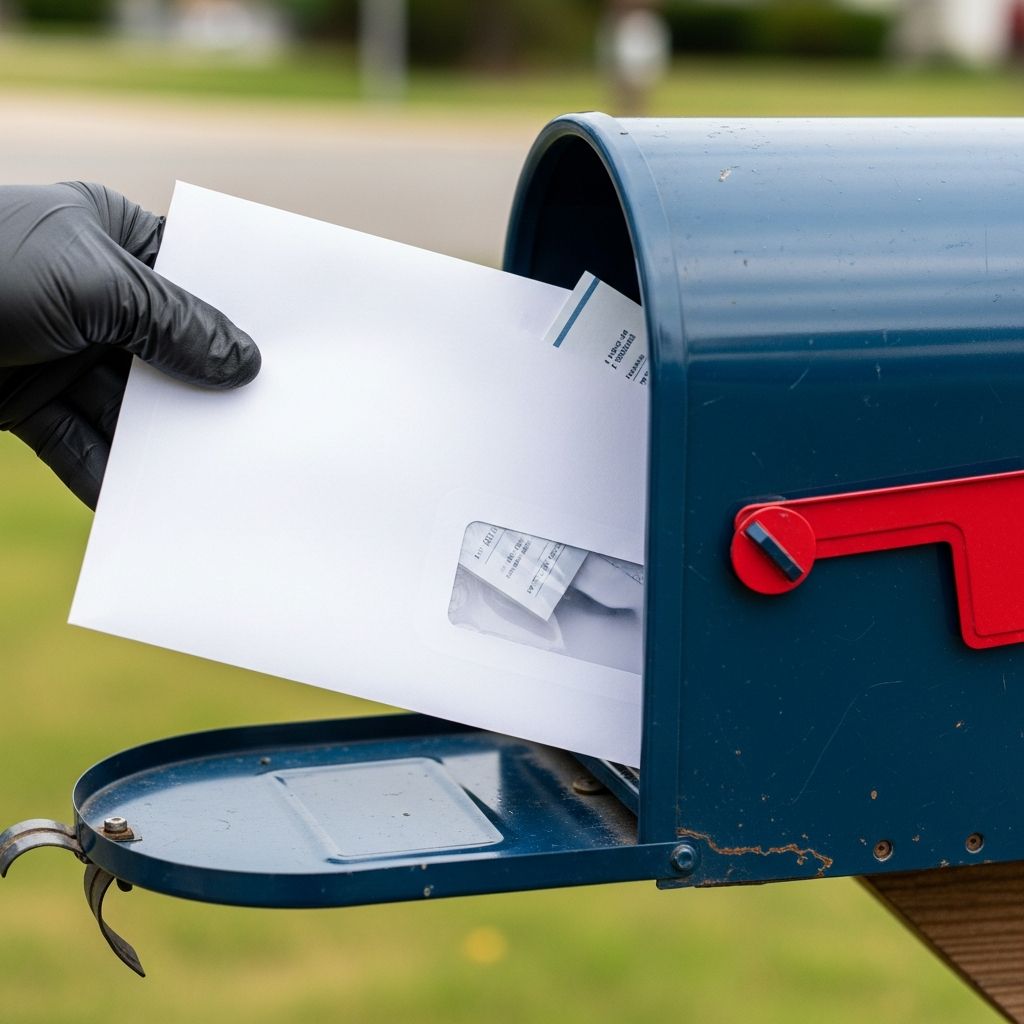
Where and how you mail your check matters significantly. Instead of placing checks in your home mailbox for carrier pickup, take the following precautions:
- Drop checks directly into U.S. Postal Service mailboxes, which are constructed with thick metal and designed to prevent theft
- Hand deliver checks directly to postal carriers
- Avoid using home mailboxes for outgoing mail
- Don’t raise the red flag on your home mailbox, as this signals to mail thieves that outgoing mail is available for theft
- Mail checks during business hours when postal facilities are staffed and monitored
Request Enhanced Security Checks
Work with your bank to obtain business checks that include advanced security features. These enhanced checks may include:
- Holograms
- Anti-copy technology
- Watermarks
- Thermochromic ink that changes color with temperature
- Safety security paper that resists chemical washing
While these checks may cost more than standard checks, the additional protection justifies the expense.
Document Your Checks
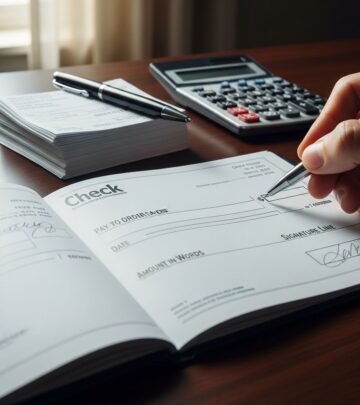
For extra security, photograph checks before mailing them. This documentation provides a record for your financial institution if fraud occurs and becomes essential if you need to investigate discrepancies or file a dispute with your bank.
Monitor Your Account Regularly
Actively monitor your bank account balance and transaction history. Review your statements carefully and check for any unauthorized activity. If you detect suspicious transactions, contact your bank immediately and report the fraud. You can also call the Postal Inspection Service at 1-877-876-2455 to report mail theft or suspected check fraud.
Understanding Your Liability and Bank Responsibilities
Banks are generally required to reimburse customers if they accept an altered or forged check with your name on it. However, banks have the right to refuse compensation if they can claim you failed to exercise ordinary care in protecting your checks and account information. This means your diligence in security practices could affect your ability to recover losses.
Conversely, if someone deposits a stolen or forged check in their account, the receiving bank can refuse to honor the transaction, freeze accounts, or even hold the recipient liable for funds they withdrew using the fraudulent check. Recipients of fraudulent checks face serious consequences, making it doubly important to prevent your checks from being stolen.
Safer Alternatives to Mailing Checks
While mailing checks can be done safely with proper precautions, many experts recommend exploring alternatives that offer greater security:
Electronic Payment Methods
ACH (Automatic Clearing House) transfers securely move money directly between bank accounts without exposing sensitive information to mail theft. ACH payments offer several security advantages, including longer dispute resolution windows and lower vulnerability to business email compromise scams compared to wire transfers.
Digital Wallets and Peer-to-Peer Payment Apps
Applications like Venmo, Zelle, PayPal, Apple Pay, and Google Pay provide secure and quick ways to send money to individuals. These platforms use encryption and authentication protocols to protect transactions and reduce fraud risk.
Credit and Debit Cards
Paying by debit or credit card tends to be safer than mailing checks. Credit cards offer fraud protection and dispute resolution processes, while debit cards provide direct account access without exposing your full banking details.
What to Do If Your Check Is Fraudulently Altered or Stolen
If you suspect your mailed check has been stolen, altered, or fraudulently used, take immediate action:
- Contact your bank to report the suspected fraud
- Provide documentation of the original check if you photographed it
- File a report with the U.S. Postal Inspection Service
- Request that your bank place a fraud alert on your account
- Monitor your credit report for identity theft indicators
- Document all communications with your bank and postal service
- Keep copies of fraudulent checks for your records
Special Considerations for Business Checks
Business checks typically include additional security features beyond personal checks, such as watermarks, holograms, and anti-copy technology. However, they remain vulnerable to theft and washing techniques. If your business regularly mails checks, implement comprehensive security protocols that include check writing policies, approval processes, and regular reconciliation of accounts.
The Role of the U.S. Postal Service and Banks
Both the USPS and banking institutions have issued warnings about mailing checks due to rising fraud rates. Financial institutions and postal authorities recommend avoiding mailing checks whenever possible and using secure alternative payment methods instead. When checks must be mailed, both entities emphasize using their secure mail drop services and implementing all available security measures.
Frequently Asked Questions
Q: How long does it take for a mailed check to arrive?
A: Typically, a mailed check takes 5 to 10 business days to arrive, depending on the distance and postal service efficiency. This transit time creates a window of vulnerability during which the check can be intercepted and stolen.
Q: Can I stop payment on a mailed check?
A: Yes, you can typically stop payment on a check by contacting your bank before it’s been cashed or deposited. However, if you’re unsure about the check’s status, act quickly, as banks need sufficient time to process stop payment requests.
Q: What should I do if I receive a check in the mail that seems suspicious?
A: If you receive a suspicious check—particularly one that arrives unexpectedly or from an unknown sender—contact the issuing organization directly to verify its authenticity before depositing it. Fraudsters sometimes send overpayment checks as part of scams.
Q: Are digital payment apps completely safe from fraud?
A: While digital payment apps offer stronger security than mailed checks, no payment method is entirely risk-free. Use reputable applications, enable two-factor authentication, monitor transactions regularly, and never share your login credentials or one-time passwords.
Q: How can I verify that my mailed check was received?
A: Ask the recipient to acknowledge receipt of the check, monitor your account to ensure the check clears, and photograph checks before mailing as documentation. Some recipients may provide confirmation once the check deposits.
Q: Should I send checks via certified mail?
A: Certified mail provides tracking and signature confirmation but doesn’t prevent theft or fraud once the check arrives. Combine certified mail with other security measures, such as using enhanced security checks and delivering directly to postal carriers.
References
- Is ACH safer than wire payments or checks? — Melio Payments. 2024. https://meliopayments.com/blog/is-ach-safer-than-wire-payments-or-checks/
- The Check Is In The Mail! That Could Be a Big Problem. — Eks Associates. 2025-02-21. https://eksassociates.com/2025/02/21/check-mail-big-problem/
- When a Paper Check Might be Safer Than a Digital Person-to-Person Payment — Delta Community Credit Union. 2024-11. https://www.deltacommunitycu.com/knowledge-center/blog/november-2024/when-mailing-a-paper-check-might-be-safer-than-a-person-to-person.html
- 10 Things You Shouldn’t Send in the Mail — AARP. https://www.aarp.org/home-living/things-you-should-not-send-in-the-mail/
- Is Writing a Check Still Safe? — Money. https://money.com/paper-check-plagiarism/
Similar Articles








Read full bio of medha deb