Pressure Washing For Cars: 5-Step Safe Wash Guide
Master the art of pressure washing your vehicle to achieve a spotless finish without risking damage to paint, seals, or sensitive components.
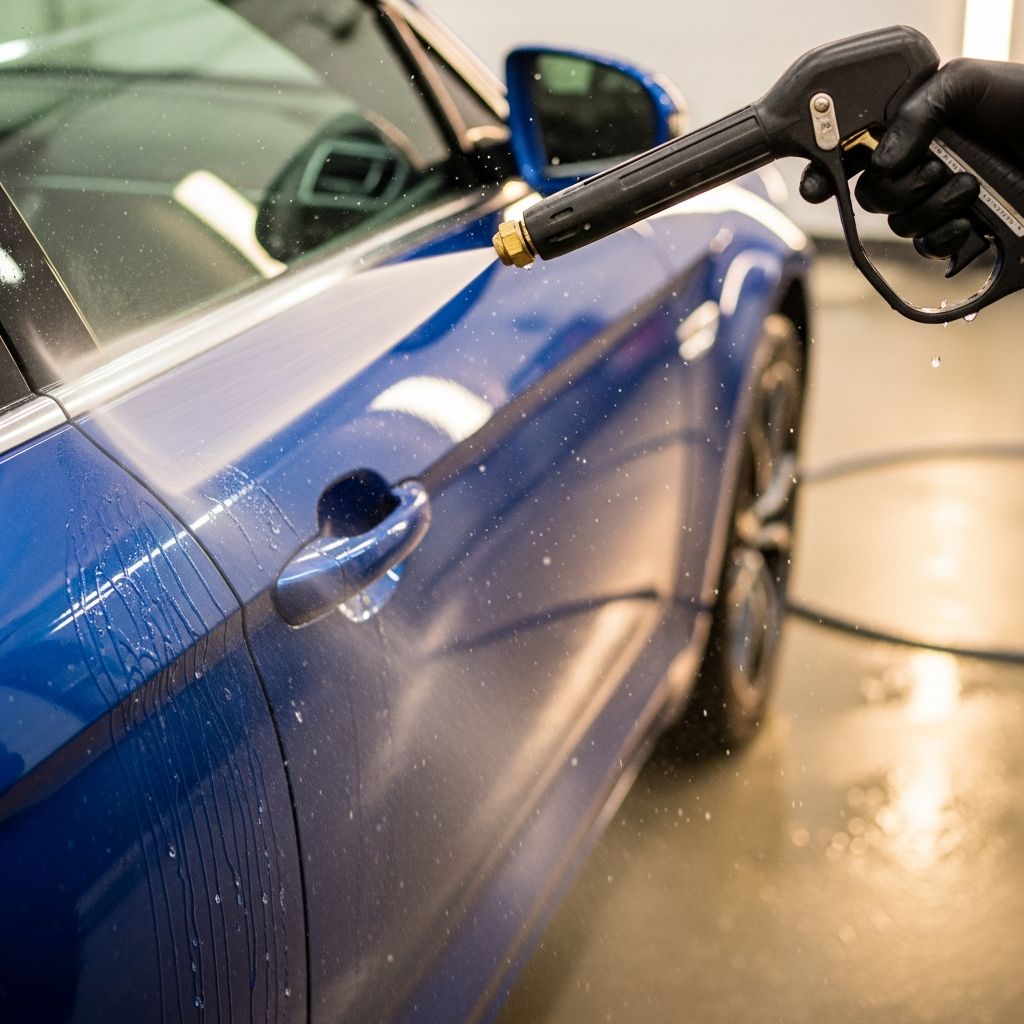
Pressure washing offers an efficient way to remove stubborn dirt, grime, and road salt from vehicles, restoring their appearance with minimal effort. When performed correctly, this method prevents scratches from manual scrubbing and extends the life of the paint job by eliminating contaminants that cause corrosion.
Understanding Pressure Washer Fundamentals
Pressure washers deliver water at high velocity measured in pounds per square inch (PSI) and gallons per minute (GPM). For automotive use, electric models between 1200 and 1900 PSI strike the ideal balance of power and safety, avoiding the stripping of clear coat or chipping of delicate surfaces. Gas-powered units can exceed this range, so always prioritize adjustable settings.
Nozzle selection is critical: color-coded tips dictate spray patterns. A
25-degree green nozzle
excels at dislodging mud from wheels, while the40-degree white nozzle
provides a gentle fan spray suitable for body panels. Narrow red or zero-degree tips generate pinpoint force that can etch paint and should be avoided entirely on vehicles.Gearing Up with Essential Equipment
Invest in tools designed for automotive detailing to maximize results and minimize risks:
- Adjustable pressure washer: Opt for models with variable PSI and dedicated soap dispensers.
- Foam cannon: Attaches to the washer for even soap distribution, reducing swirl marks.
- Microfiber mitts and towels: Soft materials prevent abrasion during scrubbing and drying.
- Car-specific detergent: pH-neutral formulas that lift grease without degrading wax.
- Wheel brushes: Long-reach designs for safe cleaning of barrels and calipers.
Accessories like extension wands extend reach without close proximity, further protecting the car’s finish.
Preparation Steps for Optimal Results
Before activating the washer, park on a flat, stable surface away from direct sunlight to prevent soap drying prematurely. Gather all supplies within arm’s reach to maintain workflow.
- Cover sensitive areas: Use plastic bags and tape over electronics, vents, and badges.
- Pre-inspect: Check for loose trim or cracked seals that water could infiltrate.
- Initial rinse: Blast away loose debris with a wide nozzle from 6-8 feet away.
This preparation phase, often overlooked, prevents 90% of common mishaps.
Mastering the Multi-Stage Cleaning Process
Follow a systematic top-to-bottom approach to let gravity assist in dirt removal, ensuring thorough coverage without streaking.
Stage 1: Pre-Wash Rinse
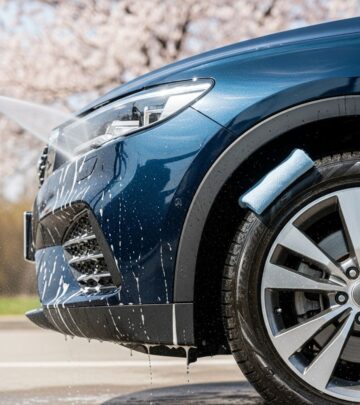
Equip the 40-degree nozzle and start at the roof, sweeping downward over hood, trunk, and sides. Maintain a 45-degree angle and 4-5 foot distance to loosen embedded particles without direct impingement. Pay extra attention to lower rockers and wheel arches where salt accumulates.
Stage 2: Foam Application
Switch to the soap setting or foam cannon filled with automotive shampoo. Apply generously from top down, allowing 3-5 minutes dwell time for chemical breakdown of oils and bugs. Thick foam acts as a lubricant, safeguarding paint during contact washing.
Stage 3: Manual Agitation
With foam in place, use a microfiber mitt dipped in a separate soap bucket. Scrub in straight lines, not circles, to avoid holograms. Focus on high-contact zones like door handles and fuel caps. For wheels, employ dedicated brushes to navigate spokes safely.
Stage 4: Thorough Rinsing
Revert to the 40-degree nozzle and rinse from roof to ground, repeating 2-3 passes until sheets of clean water run off. Angle sprays away from seals and glass edges to repel intrusion. Stand at least 3 feet back during this phase.
Stage 5: Drying and Protection
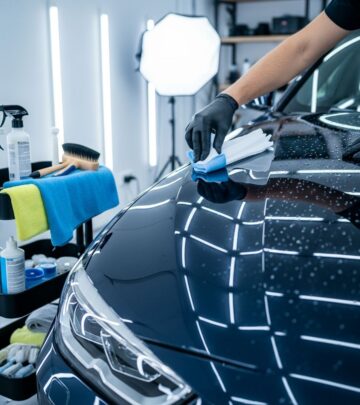
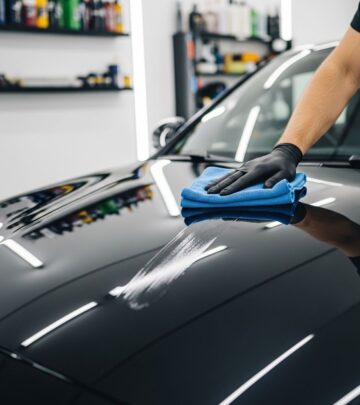
Immediately blot with high-GSM microfiber towels or use a leaf blower for touchless drying. Finish with a quick detail spray or wax to lock in shine and hydrophobicity.
Critical Areas: Wheels, Tires, and Undercarriage
Wheels demand the 25-degree nozzle at 2000 PSI maximum for brake dust and tar removal. Spray wells at a downward angle to flush debris without targeting bearings. Tires benefit from low-pressure soaping followed by a stiff brush.
For undercarriage cleaning, elevate the vehicle safely and use a dedicated lance extension. This removes corrosive salt but avoids exhaust components.
Areas to Avoid and Common Pitfalls
| Risky Zone | Why Avoid | Safe Alternative |
|---|---|---|
| Engine bay | Water in electronics or belts causes failures | Compressed air or steam cleaning |
| Grille/radiator | Bends fins, impairs cooling | 45-degree downward spray |
| Seals and weatherstripping | High pressure dislodges lubricant | Low-pressure soaping by hand |
| Windows and mirrors | Seal breaches lead to interior damage | Minimum 5-foot distance |
Other pitfalls include using household bleach (corrodes aluminum) or neglecting post-wash drying (promotes spots).
Choosing Detergents and Eco-Friendly Practices
Select snow foams or pre-washes with citrus-based surfactants for grease-cutting power. Biodegradable options minimize runoff impact. Dilute per manufacturer ratios—over-concentration etches glass.
Recycle wastewater where possible and avoid storm drains to comply with local regulations.
Pro Tips from Detailing Experts
- Test PSI on an inconspicuous area first.
- Incorporate a two-bucket method for mitt rinsing.
- Wash in sections on larger vehicles to prevent drying.
- For matte finishes, use dedicated low-PSI protocols.
- Winter prep: Prioritize underbody salt removal monthly.
Frequently Asked Questions
Can beginners pressure wash their car?
Yes, with proper nozzles and distances. Start low and practice on wheels.
What’s the best PSI for car paint?
1200-1900 PSI with wide fans prevents damage.
Is a foam cannon necessary?
Highly recommended for lubrication and even coverage.
How often should I pressure wash?
Bi-weekly in urban driving; weekly in salted roads.
Gas vs. electric washer—which is better?
Electric for home use; gas for portability.
Advanced Techniques for Showroom Results
Integrate a rinseless wash post-pressure for claying prep or pair with a clay bar lubricant. Orbital polishers restore gloss after aggressive cleans. For fleets, automate with touchless arches tuned to 1500 PSI.
Clay lubrication during foam dwell enhances decontamination. Post-wash, apply ceramic coatings for self-cleaning properties, reducing future sessions.
References
- How to Pressure Wash Your Car Without Damaging It — YouTube. 2023. https://www.youtube.com/watch?v=I29-3FK1EQE
- A Guide to Vehicle Cleaning Using a Pressure Washer — MTM Hydro Parts. 2024-05-15. https://www.mtmhydroparts.com/blogs/news/a-guide-to-vehicle-cleaning-using-a-pressure-washer
- Cleaning Your Car with a Pressure Washer: Tips and Tricks — Southeast Softwash. 2023-11-20. https://southeastsoftwash.com/blogs/blog/cleaning-your-car-with-a-pressure-washer-tips-and-tricks
- How to Pressure Wash Trucks, Cars and Boats — Lowe’s. 2024. https://www.lowes.com/n/how-to/pressure-wash-cars-trucks-and-boats
- How to Clean Your Vehicles with a Pressure Washer — STIHL USA. 2023-08-10. https://www.stihlusa.com/en/guides-projects/product-tutorials/clean-vehicles-with-pressure-washer
Similar Articles








Read full bio of medha deb