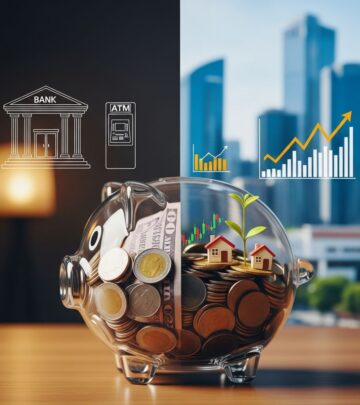
Safe Havens for Your Cash Beyond Banks
Discover reliable alternatives to traditional banking for protecting and growing your money with security and better returns.

In an era of economic uncertainty, many individuals question the stability of traditional banks. High fees, low interest rates, and past financial crises have eroded trust. Fortunately, several secure alternatives exist to protect and grow your savings. These options offer FDIC insurance where applicable, competitive yields, and innovative features without the baggage of brick-and-mortar institutions.
Why Look Beyond Traditional Banks?
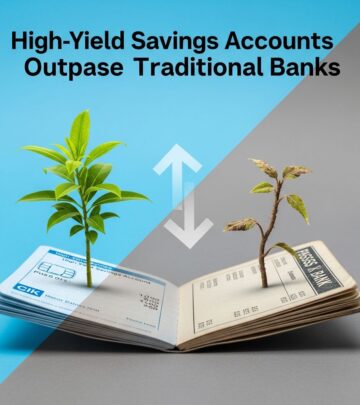
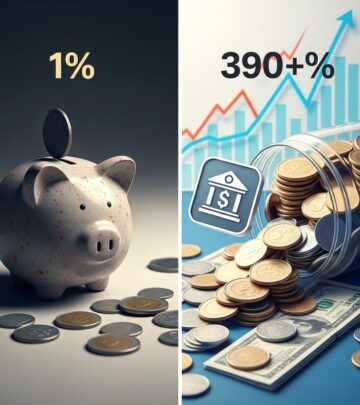
Traditional banks often charge hefty fees for maintenance, overdrafts, and ATM use while paying minimal interest on deposits. Recent data shows average savings rates hovering below 0.5%, far outpaced by inflation. Distrust stems from events like the 2008 crisis and recent regional bank failures. Alternatives provide higher yields, better technology, and member-focused services.
Key benefits include:
- Higher returns: Many options yield 4-5% APY or more.
- Lower costs: No monthly fees or minimum balances.
- Enhanced security: Government backing or insurance up to $250,000.
- Digital convenience: 24/7 access via apps.
Credit Unions: Member-Driven Financial Cooperatives
Credit unions operate as not-for-profit entities owned by members, prioritizing dividends over shareholder profits. This structure allows them to offer superior rates on savings and loans. Unlike banks, they emphasize community service and often waive fees for members.
Advantages include:
- Competitive savings rates averaging 2-3% higher than banks.
- Lower loan APRs, sometimes 1-2% below market.
- Personalized service with local branches.
- NCUA insurance mirroring FDIC protection up to $250,000 per account.
To join, meet eligibility criteria like living in a specific area or working for a partner employer. Examples include Navy Federal and PenFed, serving millions with robust digital platforms alongside physical locations. In 2026, credit unions hold over $2 trillion in assets, proving their stability.
| Feature | Credit Unions | Big Banks |
|---|---|---|
| Savings APY | 3-5% | 0.01-0.5% |
| Loan Rates | Lower | Higher |
| Fees | Minimal | High |
| Insurance | NCUA | FDIC |
Transitioning is simple: Open an account online, transfer funds via ACH, and set up direct deposit. Many offer share certificates akin to CDs with fixed rates.
Online-Only Banks: Digital Efficiency Meets Security
Online banks eliminate branches to cut costs, passing savings to customers through high-yield accounts and no-fee structures. Institutions like Ally, Capital One 360, and Discover Bank provide full banking services digitally.
These are FDIC-insured, ensuring deposit safety. Features stand out:
- APYs up to 5% on savings.
- Bucket tools for goal-based saving.
- ATM fee reimbursements nationwide.
- Robust mobile apps with budgeting integration.
Unlike neobanks, online banks hold their own charters, avoiding partner dependencies. They suit tech-comfortable users seeking convenience without sacrificing protection. Deposits are liquid, with easy transfers to linked accounts.
Drawbacks are minor: No cash deposits directly (use retailers like Walmart), and customer service is phone/chat-based. Still, satisfaction rates exceed traditional banks per J.D. Power surveys.
Government Securities: The Ultimate Low-Risk Option
U.S. Treasury securities offer unparalleled safety, backed by the full faith of the U.S. government. No insurance needed—default risk is negligible. Buy directly via TreasuryDirect.gov.
Types to consider:
- T-Bills: Short-term (4-52 weeks), sold at discount, mature at face value.
- T-Notes: 2-10 years, semi-annual interest.
- T-Bonds: 20-30 years for long-term holding.
- I-Bonds: Inflation-protected, rates adjust semi-annually.
Current yields: T-Bills at 4.5-5%, I-Bonds combining fixed + inflation (around 6% recently). Minimum $100 investment, no fees. Ideal for emergency funds or parking cash short-term.
Process: Create TreasuryDirect account, auction participation or secondary market via brokers. Liquidity high—sell anytime on market, though best held to maturity.
Money Market Funds and Accounts: Liquidity with Yield
Money market funds (MMFs) invest in short-term, high-quality debt like Treasuries and commercial paper. Brokerage options like Vanguard or Fidelity offer them. Not FDIC-insured but SIPC-protected up to $500,000; historically stable.
Money market accounts (MMAs) at banks/FDICs blend checking/savings: Check-writing, debit cards, yields 4-5%.
Comparison:
| Option | Yield | Insurance | Liquidity |
|---|---|---|---|
| Bank MMA | 4-5% | FDIC | High |
| Brokerage MMF | 4.8-5.2% | SIPC | High |
MMFs suit investors; MMAs for everyday use. Both beat bank savings with check-writing limits (6/month).
Neobanks and Fintech: Modern Twists with Caveats
Neobanks like Chime partner with FDIC banks for insured accounts. Perks: Early paycheck access, no-fee overdrafts, cashback. Great for gig workers but verify partner bank.
Fintechs (Wise, PayPal) excel in international transfers, multi-currency holding at low FX rates. Not full banks—use alongside core accounts.
Strategies for Diversifying Your Holdings
Don’t abandon banks entirely; diversify:
- Allocate 3-6 months expenses to high-yield savings/credit union.
- Park excess in T-Bills or MMFs.
- Use neobanks for daily spending.
- Ladder CDs or I-Bonds for longer terms.
Monitor rates via Bankrate or Treasury site. Automate transfers for compounding.
Frequently Asked Questions
Are these alternatives FDIC-insured?
Online banks and credit unions yes (NCUA equivalent). Treasuries government-backed. MMFs not, but low risk.
How do I switch from my bank?
Open new account, verify with ID, transfer via ACH (1-3 days), update direct deposit/payees.
What’s best for emergency funds?
Liquid options like online savings or T-Bills with 4-5% yields.
Can I deposit cash?
Credit unions/online often via retailers (fees apply). Treasuries/MMFs no cash.
Are yields guaranteed?
No—variable for savings/MMFs; fixed for Treasuries/CDs.
Final Thoughts on Building Financial Security
By shifting to these havens, secure your money while earning more. Research providers, compare rates, and align with goals. In 2026’s landscape, proactive management beats passive banking.
References
- 4 Alternatives to Big Banks — NerdWallet. 2025-06-15. https://www.nerdwallet.com/banking/learn/big-bank-alternatives
- Online Banks — PayPal Money Hub. 2025-03-20. https://www.paypal.com/us/money-hub/article/banking-alternatives
- 6 Best Alternatives to Traditional Banking — Wise. 2025-11-10. https://wise.com/us/blog/alternative-to-banks
- Treasury Securities — U.S. Department of the Treasury. 2026-03-01. https://www.treasurydirect.gov/
- Money Market Funds Overview — Federal Reserve. 2025-12-05. https://www.federalreserve.gov/econres/notes/feds-notes/money-market-funds.htm
Similar Articles








Read full bio of medha deb