Safe Fruits Dogs Can Eat: Complete Guide
Learn which fruits are safe for your dog and how to serve them properly.

Safe Fruits Dogs Can Eat: A Complete Guide for Pet Owners
Many dog owners wonder whether they can share their favorite fruits with their canine companions. The good news is that dogs don’t necessarily need fruits as part of their regular diet, but they do make excellent, affordable, and healthy treats when chosen carefully. Understanding which fruits are safe and how to prepare them properly is essential for maintaining your dog’s health and preventing potential complications.
While commercial dog treats can be expensive, fresh fruits offer a nutritious alternative that most dogs enjoy. However, not all fruits are safe for canine consumption, and some require special preparation to avoid harm. This comprehensive guide covers everything you need to know about feeding fruits to your dog safely.
Fruits That Are Safe for Dogs
Several fruits are considered safe for dogs when served appropriately. Each offers unique nutritional benefits that can complement your dog’s diet as occasional treats.
Berries: Nutritional Powerhouses
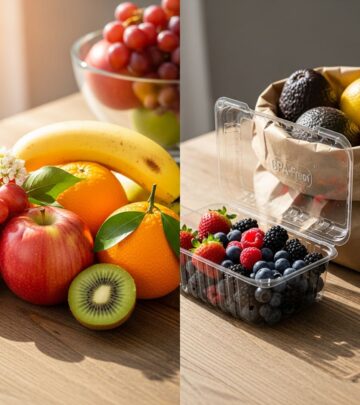
Blueberries are among the best fruit choices for dogs, offering exceptional nutritional value. These small berries are rich in antioxidants, vitamins, and minerals that support immune function and overall health. They’re also low in sugar and calories, making them ideal for dogs watching their weight.
Strawberries are high in fiber and vitamin C and packed with antioxidants. They contain an enzyme that can help whiten your dog’s teeth naturally. However, due to their relatively higher sugar content, they should be given in moderation. Always wash them thoroughly, remove the stems, and cut them into smaller pieces before serving.
Raspberries are safe for dogs in moderation and contain antioxidants, fiber, manganese, and vitamin C. They’re especially beneficial for senior dogs due to their anti-inflammatory properties, which can help with aging joints. However, raspberries contain small, naturally occurring amounts of xylitol, so limit your dog to no more than eight ounces of fresh or frozen raspberries at a time.
Blackberries are rich in antioxidants and vitamins A and C, making them excellent for supporting immunity and skin health. Like other berries, feed them in moderate quantities to prevent stomach upset.
Cranberries are safe for canine consumption but should be given in moderation to avoid gastrointestinal issues. These naturally acidic berries are a great fruit choice for dogs with urinary tract infections. Never feed your pet store-bought mixtures of raisins and cranberries, as raisins are highly toxic to dogs.
Tropical Fruits
Mangoes are tropical fruits packed with nutrients including carotenoids, fiber, potassium, and vitamins A, B6, C, and E. If you’re sharing your mango with your dog, remove the skin, which is difficult for dogs to digest, and the hard pit, which contains a small amount of cyanide and presents a choking hazard. Because mangoes are high in sugar, use them as an occasional treat, especially for dogs struggling with weight management.
Pineapple offers a powerful punch of nutrients that’s hard to beat. This tropical fruit is full of vitamins and minerals, plus calcium, phosphorus, and zinc. Raw pineapple also contains bromelain, an enzyme that helps dogs absorb proteins more easily. When feeding pineapple to your dog, give only the fleshy part and dispose of the outside skin, core, and crown. Avoid canned pineapple, as it’s often high in added sugar.
Kiwi, also known as Chinese gooseberry, is brimming with vitamin C, potassium, fiber, and antioxidants that strengthen the immune system and protect against cancer. Eating kiwi can contribute to a healthy digestive system and rejuvenate the skin.
Melons and Stone Fruits
Watermelon is an excellent choice for hot days and outdoor activities. As long as you remove the rind and seeds, watermelon is a superfood for dogs packed with potassium, vitamin A, vitamin B6, and vitamin C. Because it’s mostly water, it’s highly hydrating on hot days, making it perfect for summer treats.
Cantaloupe is an excellent source of vitamins A, B6, and C, along with potassium, niacin, folate, and fiber. However, cantaloupes are relatively high in sugar and should be fed in moderation, especially to overweight dogs or those with diabetes. The seeds are harmless, but be sure to remove the outer shell as it can cause digestive issues.
Honeydew melon is super refreshing and ideal for dogs as it’s high in water and fiber. Just make sure to thoroughly de-seed this melon before serving.
Peaches provide an excellent source of vitamin A and dietary fiber. However, just like all stone fruits, remember to remove the pit before feeding peaches to dogs due to the possibility of intestinal blockage and traces of cyanide. Avoid feeding dogs processed or canned peaches, which contain added sugars that can cause diarrhea and stomach upset. Similarly, nectarines should have their pits removed before serving.
Apricots have fleshy fruit that can be a tasty treat for dogs and are high in potassium with beta-carotene that helps fight cancer. Make certain that the pit, stem, and leaves are all removed before serving.
Citrus and Other Fruits
Oranges are safe for dogs in moderation, though they’re quite high in sugar and can cause gastrointestinal upset. Dogs shouldn’t have orange peels or seeds, so remove both before sharing. Be sure to remove the peel and seeds, offering only the juicy orange flesh.
Apples are high in fiber and low in fat, making them a great option for overweight or senior pets with slower metabolisms. However, remove the seeds and core, as apple seeds contain cyanide, though the amount is typically too small to harm dogs when consumed occasionally.
Pears are high in fiber, vitamin C, and B6, making them a fantastic snack. Similar to apples, you’ll need to remove the core and seeds before serving.
Bananas are safe for dogs and make convenient, portable treats. They’re packed with potassium and other beneficial nutrients but should be given in moderation due to their higher sugar content.
Cucumbers are low-calorie treats perfect for dogs on a diet or those needing dental cleaning benefits.
Coconut is safe when served without the husk. It can provide some health benefits but should be given occasionally due to its fat content.
Fruits to Avoid
Certain fruits are toxic to dogs and should never be fed to your pet under any circumstances.
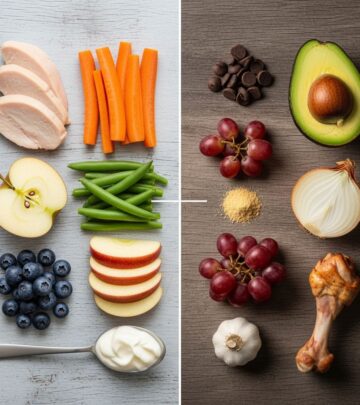
Grapes and raisins are highly toxic to dogs and can cause severe kidney damage or failure even in small quantities. Never share grapes or raisins with your dog, and avoid any products containing these ingredients.
Avocados contain persin, a compound toxic to dogs that can cause vomiting, diarrhea, and potentially more serious health issues.
Cherries contain cyanide in their pits and are dangerous for dogs. Even the flesh can be problematic for some dogs.
Plums contain cyanide in their pits and should be avoided. The pits present a serious choking hazard.
Figs can cause stomach upset and should not be given to dogs.
Dates are high in sugar and can cause digestive issues in dogs.
Lemons and limes are acidic citrus fruits that can cause stomach upset and should be avoided, though small amounts of juice may be tolerable.
Grapefruit should be avoided due to its acidity and potential toxic compounds.
Dried fruits are highly concentrated sources of sugar and should generally be avoided, especially dried grapes (raisins) and dried plums.
Preparation Guidelines for Safe Serving
Properly preparing fruits is essential for your dog’s safety. Follow these guidelines to ensure your dog enjoys fruits without complications.
Remove all pits and seeds from stone fruits and apples, as these can contain cyanide or present choking hazards. Hard pits should never be offered to dogs as they can cause intestinal blockage.
Remove skins and outer shells when appropriate. While some skins are safe, many are difficult for dogs to digest. Cantaloupe shells, mango skins, and pineapple cores should always be removed.
Cut fruits into appropriate sizes based on your dog’s size. Smaller pieces reduce choking risk and are easier for dogs to digest.
Wash all fruits thoroughly before serving to remove pesticides and dirt that could harm your dog.
Avoid canned and processed fruits that contain added sugars, syrups, or artificial sweeteners. Fresh or frozen fruits are always better choices.
Freeze fruits for summer treats to make refreshing snacks that are hydrating on hot days. Frozen berries and melon chunks are particularly popular with dogs.
Nutritional Benefits and Serving Recommendations
Different fruits offer varying nutritional profiles that can support different aspects of your dog’s health. Fruits rich in antioxidants support immune function and can help prevent chronic diseases. Fiber-rich fruits aid digestive health, while those high in vitamins and minerals contribute to coat quality, bone health, and overall vitality.
However, fruits should comprise no more than 10% of your dog’s daily caloric intake. If you’re feeding a balanced and nutritious dog food, you shouldn’t need to supplement your dog’s diet significantly with fruits. They work best as occasional treats or training rewards rather than dietary staples.
For dogs with specific health conditions, such as diabetes or obesity, consult your veterinarian before introducing fruits, as some are high in natural sugars. Senior dogs benefit from low-sugar fruits like berries and their anti-inflammatory properties.
Frequently Asked Questions
Q: Can dogs eat apple seeds?
A: Apple seeds contain cyanide, but the amount is typically too small to cause harm when consumed occasionally. However, it’s safest to remove seeds before serving apples to dogs.
Q: How much fruit can I give my dog daily?
A: Fruits should comprise no more than 10% of your dog’s daily caloric intake. This means fruits should be occasional treats rather than regular meal components. The exact amount depends on your dog’s size and individual dietary needs.
Q: Are frozen fruits safe for dogs?
A: Yes, frozen fruits are safe and often preferred by dogs, especially on hot days. They provide the same nutritional benefits as fresh fruits and can help soothe sore gums in puppies.
Q: Can dogs eat fruit with skin on?
A: Some fruit skins are safe, but many are difficult for dogs to digest. Always remove skins from mangoes, cantaloupes, and pineapples. Thin skins on berries are generally safe, but washing is essential.
Q: What should I do if my dog eats grapes or raisins?
A: Contact your veterinarian immediately or call an emergency poison control center. Grapes and raisins are toxic to dogs and can cause serious kidney damage even in small quantities.
Q: Are canned fruits safe for dogs?
A: Most canned fruits contain added sugars and syrups that can cause digestive upset. Fresh or frozen fruits are always better choices for your dog’s health.
Q: Can diabetic dogs eat fruits?
A: Diabetic dogs should have limited fruit intake due to natural sugar content. Consult your veterinarian about which low-sugar fruits, like berries, might be appropriate for your diabetic dog.
References
- Can Dogs Eat Fruit? Which Ones Are Safe? — WebMD. 2024. https://www.webmd.com/pets/dogs/what-are-safe-fruits-for-dogs-to-eat
- What Fruits Can Dogs Eat? A List of Good & Bad Fruits For Dogs — Pawlicy. 2024. https://www.pawlicy.com/blog/fruits-dogs-can-and-cant-eat
- Fruits and Vegetables Dogs Can or Can’t Eat — American Kennel Club. 2024. https://www.akc.org/expert-advice/nutrition/fruits-vegetables-dogs-can-and-cant-eat
- Which Fruits Are Safe for Your Dog to Eat? — MedVet. 2024. https://www.medvet.com/which-fruits-are-safe-for-your-dog-to-eat
- What Fruit and Vegetables Can Dogs Eat? — Nature’s Menu. 2024. https://www.naturesmenu.co.uk/blog-fruits-and-veg-dogs-can-eat.html
- Fruits & Veggies Dogs Can & Can’t Eat — South Florida Vets. 2024. https://www.animaleyeguys.com/site/blog/2024/04/15/fruits-veggies-dogs-can-cant-eat
- Fruit & Veggies Dogs Can and Can’t Eat — Pico Rivera Animal Hospital. 2024. https://www.picoriveravet.com/site/blog/2024/02/15/fruit-veggies-dogs-eat
Similar Articles








Read full bio of medha deb