Safe Deposit Boxes: Essential or Outdated?
Explore the benefits, risks, and smart alternatives to bank safe deposit boxes for securing your valuables and documents securely.
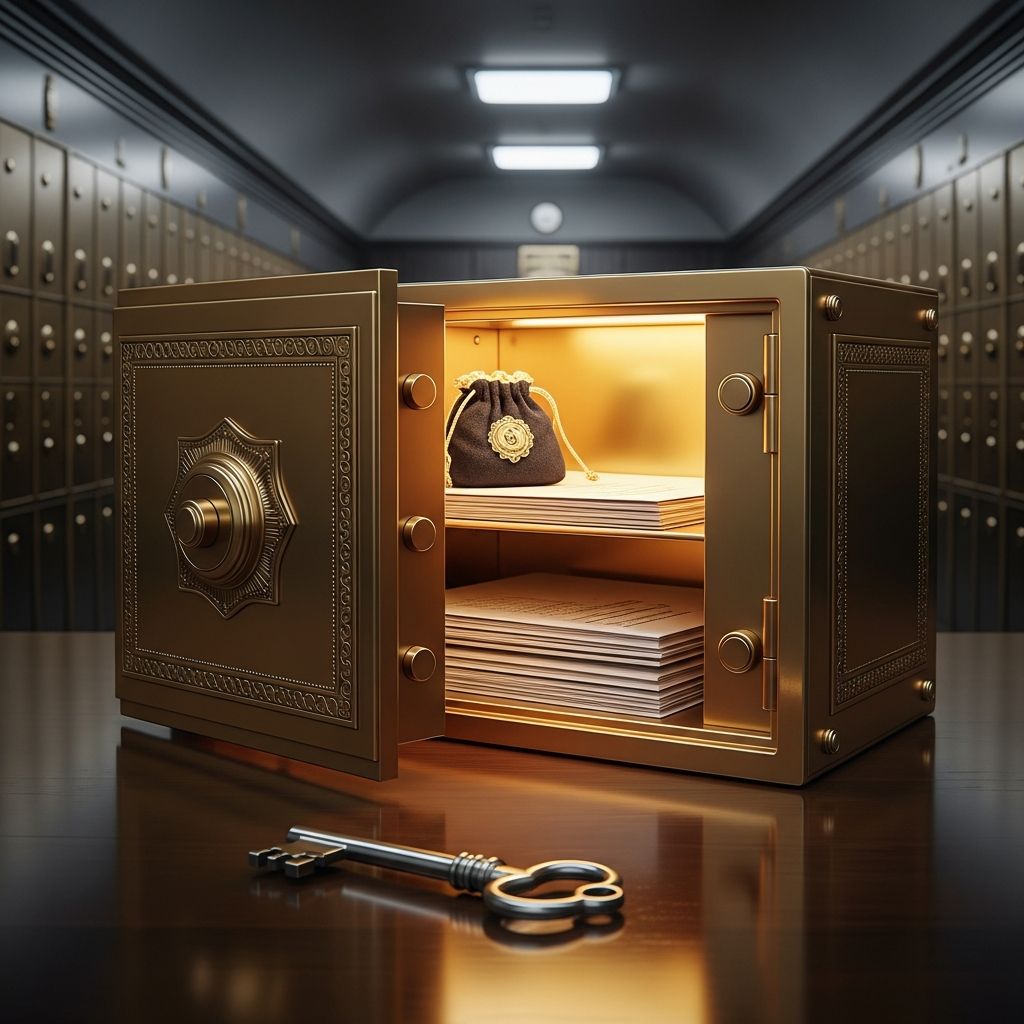
Safe deposit boxes offer a traditional method for protecting irreplaceable items, but their necessity depends on individual circumstances and access needs. While they provide robust security against common household risks, limitations in availability and insurance coverage often make alternatives more practical today.
Understanding Safe Deposit Boxes
A safe deposit box is a durable metal container housed within a bank’s fortified vault, designed to shield contents from everyday threats. Available in sizes from small (3×5 inches) to larger (10×10 inches), these boxes require dual keys—one held by the renter and one by the bank—for access, ensuring high security levels. Banks equip vaults with alarms, cameras, and guards, making them far superior to home storage for preventing unauthorized entry.
Rental costs vary by institution and box size, typically ranging from $25 to $200 annually. Credit unions and banks may offer smaller boxes at lower rates, but availability isn’t guaranteed as fewer branches provide them amid digital banking shifts. Access is restricted to business hours, which can pose challenges for urgent needs.
Key Advantages of Renting a Safe Deposit Box
Banks’ infrastructure provides unmatched protection for items prone to loss or damage at home. Here are the primary benefits:
- Superior Defense Against Theft: Unlike portable home safes often under 100 pounds and easily carried away, bank vaults are immovable and monitored 24/7, deterring burglars effectively.
- Resilience to Natural Disasters: Vaults feature fire-resistant construction and watertight seals, safeguarding contents from floods, fires, or earthquakes that could devastate home storage.
- Organized and Reliable Storage: Items stay in one secure location, preventing misplacement common in cluttered homes, and offering peace of mind for forgetful individuals.
- Privacy Control: Renters dictate access via designated agents or power of attorney, ideal for protecting sensitive items from family disputes or untrustworthy household members.
- Family Accessibility in Emergencies: Authorized parties can retrieve critical documents if the primary renter is incapacitated, streamlining processes like estate settlement.
These features make safe deposit boxes particularly valuable for those with high-value, low-access items.
Potential Drawbacks and Risks
Despite strengths, safe deposit boxes aren’t foolproof. Contents lack FDIC insurance, meaning losses from bank errors, vault failures, or legal seizures aren’t covered—unlike deposit accounts. For instance, cash stored inside earns no interest and receives no federal protection.
Access limitations are a major hurdle: boxes are unavailable on weekends, holidays, or after hours, problematic for time-sensitive documents like passports. Drilling fees apply for lost keys (up to $200+), and boxes may be sealed during legal disputes or the renter’s death, delaying access via probate.
Environmental factors include non-climate-controlled vaults, risking damage to moisture-sensitive items like certain photos or bonds. Recurring fees add up, and box availability has declined, with some banks phasing them out.
What Belongs in a Safe Deposit Box?
Not all valuables suit this storage; select items that tolerate infrequent access and don’t require insurance or liquidity. Recommended contents include:
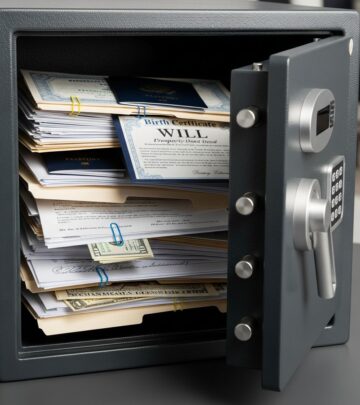
- Original vital records: birth, marriage, death certificates, adoption papers.
- Property documents: deeds, car titles, custody agreements.
- Legal papers: wills (copies preferred), power of attorney, divorce decrees.
- Financial originals: savings bonds, paper stock certificates.
- Sentimental heirlooms: jewelry, family photos, collectibles (non-perishable).
- Digital backups: USB drives with home inventories or scans.
Avoid perishables, cash, active IDs (passports, driver’s licenses), or items needing quick retrieval. Digital scans often suffice for documents, stored via encrypted cloud services.
Comparing Storage Options: Safe Deposit Box vs. Alternatives
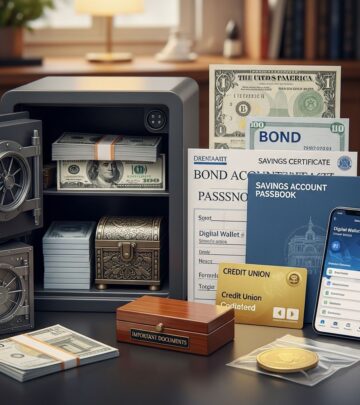
To decide, weigh safe deposit boxes against modern options. The table below outlines key differences:
| Feature | Safe Deposit Box | Home Safe | Digital Storage | Portable Safe |
|---|---|---|---|---|
| Security Level | High (vault, guards) | Medium (boltable models) | High (encryption) | Low-Medium |
| Access Times | Bank hours only | 24/7 | Instant online | 24/7 |
| Cost | $25–$200/year | $100–$1000 one-time | $5–$20/month | $50–$300 one-time |
| Insurance | None (bank not liable) | Via homeowners | Provider coverage | Via homeowners |
| Disaster Protection | Excellent | Variable | N/A (data only) | Poor |
| Best For | Irreplaceables | Frequent access valuables | Documents | Travel items |
Home safes suit frequent needs but falter against determined thieves. Digital tools like secure apps excel for papers, while high-end home vaults mimic bank security at a premium.
Steps to Rent and Manage a Safe Deposit Box
Ready to rent? Follow these steps:
- Research Providers: Compare local banks/credit unions for sizes, fees, and availability.
- Prepare ID: Bring two forms of government-issued photo ID.
- Sign Contract: Agree to terms, list authorized accessors, pay first-year fee.
- Inventory Contents: Document items with photos/videos before sealing.
- Insure Separately: Add a rider to homeowners/renters policy for contents coverage.
- Update Regularly: Review annually, inform heirs of location/access.
Maintain two keys securely and notify the bank of address changes to avoid service disruptions.
Frequently Asked Questions (FAQs)
Are safe deposit box contents FDIC insured?
No, FDIC covers only deposit accounts, not box contents. Banks aren’t liable for losses; insure valuables via personal policies.
Can family access my box after I die?
Typically no immediately; probate court order required unless co-renter or deputy named. Plan ahead with copies elsewhere.
What if I lose my key?
Banks drill the box (fee ~$100–$300), inventory publicly, then rekey. Prevent by designating a trusted duplicate holder.
Do safe deposit boxes protect against fires and floods?
Vaults are built to withstand these, but no guarantee—insure accordingly.
Is cash safe in a safe deposit box?
Physically yes, but not FDIC-insured and no interest; better in savings accounts.
When to Skip the Safe Deposit Box
Opt out if you need 24/7 access, store perishables, or prefer low-cost digitization. Hybrid approaches—scanning documents plus physical heirlooms—balance security and convenience. For estates, lawyers recommend distributing copies to avoid probate seals.
Ultimately, assess your valuables’ nature, access frequency, and risk tolerance. Safe deposit boxes remain viable for select needs but integrate with digital backups for comprehensive protection.
References
- Five Things to Know About Safe Deposit Boxes, Home Safes and Your Valuables — FDIC. 2023-05-15. https://www.fdic.gov/consumer-resource-center/five-things-know-about-safe-deposit-boxes-home-safes-and-your-valuables
- What is a safe deposit box, and how does it work? — Chase Bank. 2025-02-10. https://www.chase.com/personal/banking/education/basics/bank-safe-deposit-box
- 5 Reasons To Use A Safe Deposit Box — Stillman Bank. 2024-08-22. https://www.stillmanbank.com/consumer-news/5-reasons-to-use-a-safe-deposit-box/
- Pros and Cons of Using a Bank Safety Deposit Box for Storing Estate Planning Documents — O’Hall Law. 2024-11-03. https://ohalllaw.com/pros-and-cons-of-using-a-bank-safety-deposit-box-for-storing-estate-planning-documents-insights-from-tampa-probate-lawyers/
- 6 Things to Know About Safe Deposit Boxes — Leader Bank. 2025-01-18. https://www.leaderbank.com/blog/6-things-know-about-safe-deposit-boxes
Similar Articles








Read full bio of Sneha Tete