Safe Deposit Box Etiquette: What Not to Put in Your Safe Box
Learn what items belong in a safe deposit box and which ones to keep elsewhere for security and accessibility.
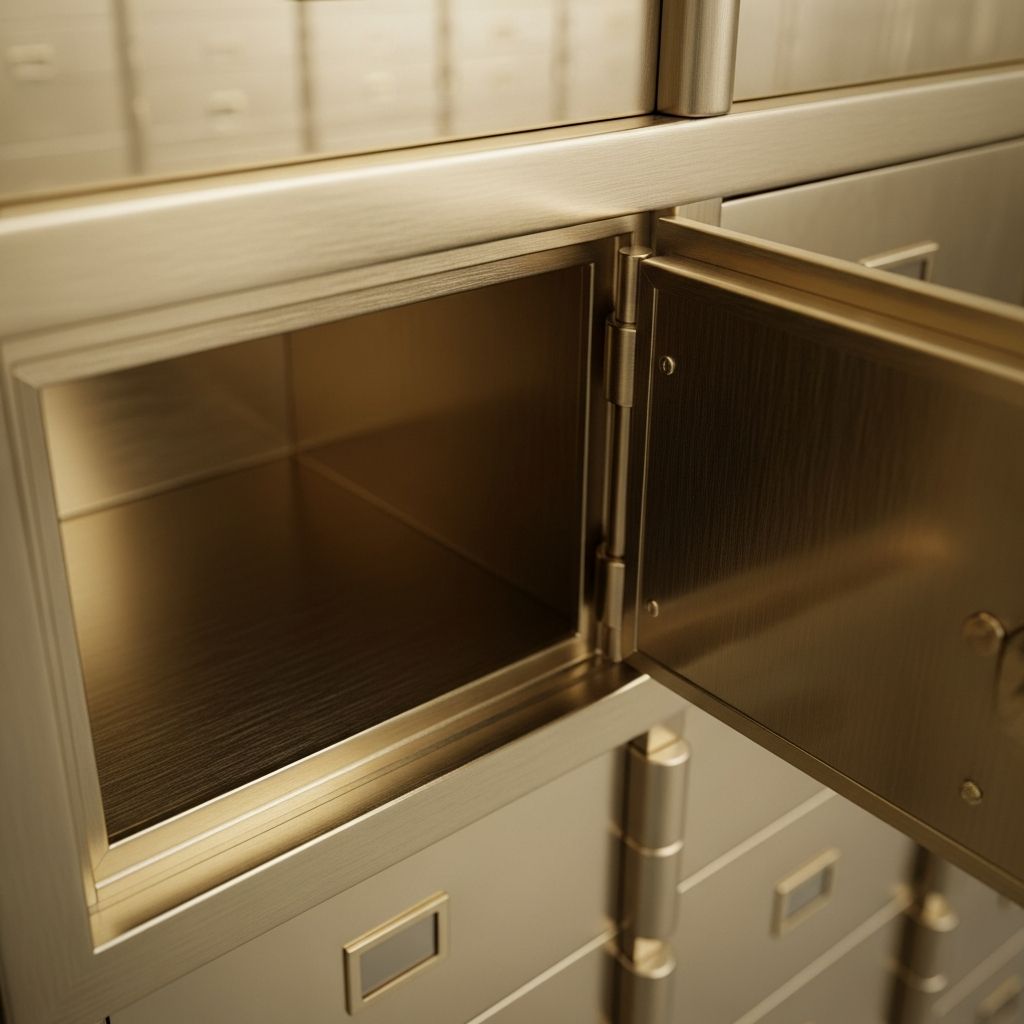
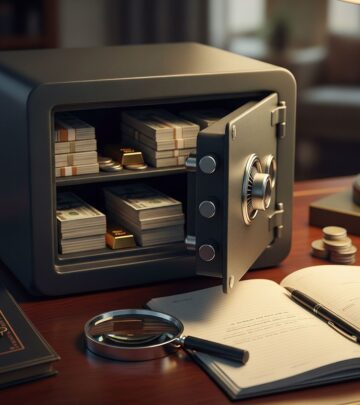
Safe deposit boxes have long been a trusted method for individuals to store their most valuable and irreplaceable items. However, as digital banking continues to evolve, the use of safe deposit boxes has declined, with many brick-and-mortar banks either discontinuing this service or significantly reducing their offerings. Despite this trend, safe deposit boxes remain an excellent solution for protecting important personal documents, cherished family heirlooms, and valuable collectibles. Understanding proper safe deposit box etiquette is crucial for making informed decisions about what to store and ensuring your valuables remain secure and accessible when needed.
What Should Go in a Safe Deposit Box
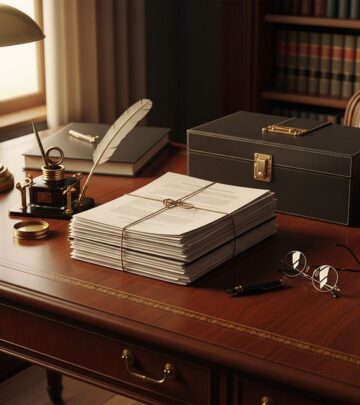
When considering what to store in a safe deposit box, the primary principle is simple: opt for items that are difficult or impossible to replace and items that genuinely require secure keeping. However, these should not be things you might need to access quickly or in an emergency situation. Safe deposit boxes are ideal for long-term storage of valuable documents and irreplaceable items that you access infrequently.
The following items make excellent candidates for safe deposit box storage:
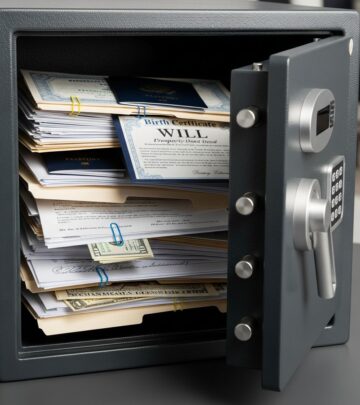
- Birth, death, and marriage certificates
- Property deeds and title documents
- Car titles and ownership documentation
- Stamp or coin collections
- Fine jewelry and heirlooms
- Paper stocks and bond certificates
- Contracts and business papers
- Rare collectibles and valuables
These items share common characteristics: they are difficult to replace, they hold significant personal or monetary value, and they do not require frequent access. Important legal documents such as property deeds and car titles are particularly well-suited for safe deposit boxes because they establish ownership and may be needed only occasionally, such as during property sales or vehicle transfers. Similarly, family heirlooms, jewelry, and collectibles benefit from the high-security environment that banks provide.
What Should Not Go in a Safe Deposit Box
Equally important as understanding what to store is knowing what to keep out of your safe deposit box. Many items are inappropriate for safe deposit storage for practical, legal, or regulatory reasons. Since you can only access your safe deposit box when the bank is open, you want to avoid storing anything you might need in a timely manner or during an emergency.
Documents and items to avoid storing in a safe deposit box include:
- Power of attorney documents
- Medical directives and advance healthcare directives
- Passports and travel documents
- Living wills and end-of-life instructions
- Emergency cash and accessible funds
- Uninsured valuables
- Spare keys to your home, car, or other properties
- Firearms and ammunition
- Explosives or hazardous materials
- Illegal drugs or controlled substances
The rationale behind avoiding these items is multifaceted. Power of attorney documents and medical directives may be needed urgently during a health crisis or emergency, and waiting for the bank to open could prove problematic. Passports are frequently needed for international travel, sometimes with little advance notice. Emergency cash becomes useless if you need funds outside of business hours. Additionally, many banks explicitly prohibit certain items through their rental agreements, and storing prohibited items could result in lease termination or legal consequences.
Insurance Considerations for Safe Deposit Box Contents
One of the most critical aspects of safe deposit box etiquette that many people overlook is the lack of insurance protection. This is a fundamental reality that cannot be overstated: the Federal Deposit Insurance Corporation (FDIC) does not insure the contents of safe deposit boxes. Additionally, most financial institutions themselves do not insure the items stored within their vaults.
The FDIC provides insurance protection up to $250,000 per depositor per insured bank for qualifying deposit accounts such as checking accounts, savings accounts, and certificates of deposit (CDs). However, this protection explicitly excludes safe deposit box contents. If your valuables are stored in a safe deposit box and the bank experiences a natural disaster, theft, or other catastrophic event, you have no recourse through FDIC insurance or the bank itself unless your specific agreement includes coverage.
To properly protect your safe deposit box contents, you should:
- Purchase a separate insurance policy to cover the items in your safe deposit box
- Consider adding a rider to your homeowner’s or renter’s insurance policy
- Explore personal articles floaters, which provide specialized coverage for high-value items
- Have items professionally appraised and photographed for insurance purposes
- Keep original receipts and documentation of all valuables
- Update appraisals regularly for items that fluctuate in value
Some insurance companies offer discounted premiums for items stored in secure bank vaults rather than in home safes, recognizing the enhanced security measures. When obtaining insurance, you will typically need to schedule items individually, providing original receipts, appraisals, or photographs to establish their value.
Advantages and Disadvantages of Safe Deposit Boxes
Before making a decision to rent a safe deposit box, it is prudent to weigh both the benefits and potential drawbacks of this service.
Advantages
High Level of Security: Safe deposit boxes are housed in bank vaults featuring state-of-the-art security measures. These restricted areas are protected by advanced surveillance systems, alarm systems, and multiple layers of physical security. Access requires authorization from bank employees, and the contents are protected from theft and unauthorized access in ways that far exceed most home storage solutions.
Environmental Protection: Bank vaults are engineered to withstand environmental hazards including floods, fires, and other natural disasters. By storing your valuables in a safe deposit box, you protect them from water damage, smoke damage, and other environmental threats that could destroy irreplaceable documents or damage precious items.
Privacy and Confidentiality: Only you and individuals you have explicitly authorized have access to your safe deposit box. Banks maintain strict privacy protocols, and your box contents remain confidential. You are given privacy to open your box and manage its contents without observation.
Disadvantages
No Insurance Coverage: As discussed extensively, the lack of FDIC insurance or bank-provided insurance means you must purchase separate coverage. This adds an additional cost and administrative responsibility to maintaining your safe deposit box.
Limited Access Hours: You can only access your safe deposit box during bank business hours. If you need something urgently during evenings, weekends, or holidays, you will be unable to retrieve it. This is a significant practical limitation that makes certain items inappropriate for safe deposit storage.
Additional Fees: Beyond the regular rental fee for the safe deposit box itself, banks may charge additional fees in certain circumstances. If you lose your key, the bank may charge a fee for key replacement. If you fail to pay rental fees, your box may be classified as abandoned and transferred to the state. Some banks also charge fees for accessing your box during specific circumstances.
Access Complications Upon Death: If the renter passes away, accessing the safe deposit box can become complicated and expensive. The rules governing access to a deceased person’s safe deposit box vary by state and depend on the specific rental agreement. In many cases, surviving family members may face significant delays, costs, or even denial of access if their names are not on the rental agreement.
Frequently Asked Questions About Safe Deposit Boxes
Q: Are the contents of my safe deposit box insured by the bank or government?
A: No. The FDIC does not insure safe deposit box contents, nor do most banks provide insurance coverage for items stored in their vaults. You must purchase separate insurance if you want protection for your valuables. Check your specific rental agreement, as some banks may offer limited coverage under certain conditions.
Q: Can someone else access my safe deposit box if I give them the key?
A: Generally, third parties cannot access your safe deposit box unless you have provided them with authorized access. This typically requires adding their name to the rental agreement, not just providing them with a key. Banks have strict protocols and will deny access to anyone whose name does not appear on the lease, even if that person possesses a key and knows the access code.
Q: What happens to my safe deposit box if I stop paying the rental fees?
A: If rental fees remain unpaid, your safe deposit box may be classified as abandoned property. In such cases, the contents may be transferred to the state government according to state unclaimed property laws. You could face difficulties retrieving your items and may incur additional fees and legal costs.
Q: Can I store cash in my safe deposit box?
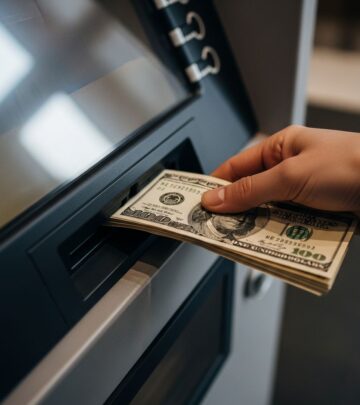
A: While technically possible, storing cash in a safe deposit box is generally not recommended. Many banks expressly prohibit cash storage in their rental agreements. Additionally, cash in a safe deposit box is not FDIC insured, does not earn interest, and loses purchasing power over time due to inflation. Emergency cash especially should be kept in an accessible, insured account.
Q: What items are banks prohibited from allowing in safe deposit boxes?
A: Banks typically prohibit storing firearms, explosives, hazardous materials, illegal drugs, and other dangerous or illicit items. Different banks may have varying restrictions, so carefully review your rental agreement or ask your banker for a complete list of prohibited items.
Q: Should I keep my will in a safe deposit box?
A: No. Keeping original estate planning documents, including wills, in a safe deposit box is inadvisable. If your executor or designated agent needs to access these documents after your death, the bank may deny them access because their name is not on the lease. This delay can complicate the probate process. Keep original wills with your attorney or in a readily accessible location known to your executor.
Choosing the Right Safe Deposit Box for Your Needs
When selecting a bank or credit union to rent a safe deposit box from, consider several important factors. Compare pricing among different institutions, as safe deposit box rental fees vary. Consider the sizing options available and ensure they meet your storage needs. Most importantly, verify that the institution’s safe deposit box policies comply with state laws and established procedures.
Take time to carefully read the rental agreement and understand all terms, conditions, and restrictions. Ask your banker for clarification on any unclear policies, particularly regarding what items are prohibited, insurance coverage, access procedures, and fees. Understanding these details upfront prevents complications and surprises later.
Best Practices for Safe Deposit Box Management
Once you have rented a safe deposit box, follow these best practices to ensure maximum protection and organization:
- Create a detailed inventory of all items stored in your safe deposit box
- Keep this inventory in a secure location separate from the box itself
- Share access information with your trusted executor or designated agent
- Protect items from water damage by using waterproof, zippered plastic bags
- Maintain current appraisals and photographs of all valuables
- Review your contents periodically to ensure adequate insurance coverage
- Update your inventory if you add or remove items
- Keep all keys secure and report any lost keys to the bank immediately
Conclusion
Safe deposit boxes remain a valuable tool for protecting irreplaceable documents and precious valuables, but their effective use requires understanding proper etiquette and best practices. By storing only appropriate items, securing adequate insurance coverage, and following your bank’s policies, you can maximize the benefits of a safe deposit box while avoiding common pitfalls. Remember that safe deposit boxes are best suited for items you access infrequently and do not need in emergencies. For frequently needed items, emergency funds, or time-sensitive documents, maintain accessible storage at home or in your bank accounts. Taking a thoughtful, informed approach to safe deposit box management ensures that your valuables receive appropriate protection while remaining appropriately accessible when genuinely needed.
References
- Safe Deposit Box: What To Know — Bankrate. 2025. https://www.bankrate.com/banking/savings/safe-deposit-box-etiquette-what-not-to-put-in-your-safe-box/
- Five Things to Know About Safe Deposit Boxes, Home Safes, and Your Valuables — Federal Deposit Insurance Corporation (FDIC). https://www.fdic.gov/consumer-resource-center/five-things-know-about-safe-deposit-boxes-home-safes-and-your-valuables
- Things You Didn’t Know About Safe Deposit Boxes — AARP. https://www.aarp.org/money/personal-finance/safe-deposit-boxes/
- FAQ About Bank Safety And Deposit Insurance — Bankrate. 2025. https://www.bankrate.com/banking/faq-bank-safety-and-deposit-insurance/
- 9 Things You’ll Regret Keeping in a Safe Deposit Box — Advisors Management Group. https://www.advisorsmanagement.com/tools-resources/blog/safe-deposit-box-regret/
- Safe Deposit Box Etiquette — CNext Bank. https://www.cnext.bank/blog/8/Safe-Deposit-Box-Etiquette
Similar Articles








Read full bio of Sneha Tete