RV Rental Insurance: 5 Tips for Finding the Right Coverage
Discover essential tips for selecting the best RV rental insurance coverage for your next adventure.
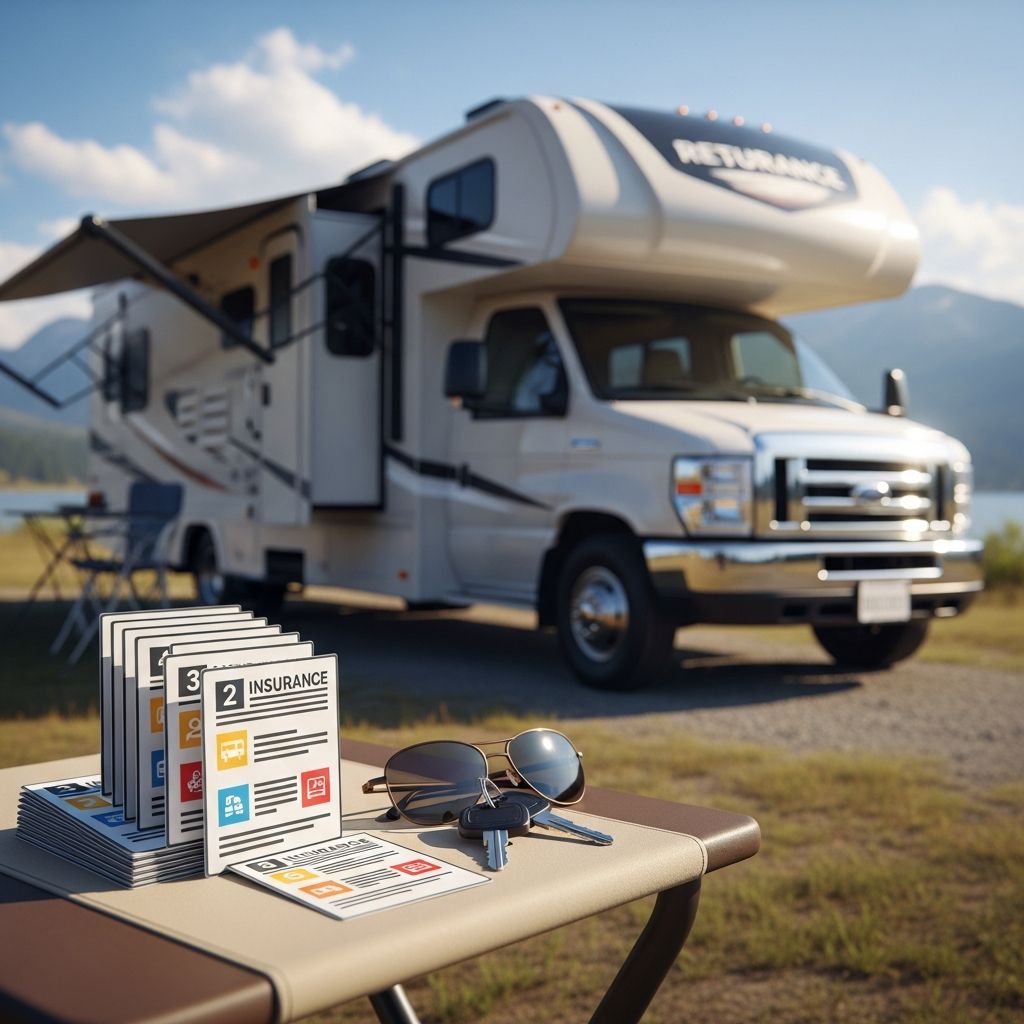
RV Rental Insurance: Why You Need It And What It Covers
Renting an RV offers an exciting way to explore the open road with the comforts of home. However, like renting a car, insuring your rental is a critical consideration that many first-time RV renters overlook. Whether you’re planning a weekend getaway or an extended cross-country adventure, understanding RV rental insurance is essential to protecting yourself financially and ensuring peace of mind during your travels. This comprehensive guide will help you navigate the world of RV rental insurance and make informed decisions about the coverage that’s right for you.
How Does RV Rental Insurance Work?
RV rental insurance functions similarly to rental car insurance, providing temporary coverage while you operate an RV, camper van, or travel trailer. Unlike permanent vehicle insurance, RV rental insurance is designed specifically for short-term use and can be purchased through your rental company or existing auto insurance provider.
Most RV rental companies offer the option to purchase insurance directly during the booking process. Many platforms bundle the insurance cost with your daily rental fee, streamlining the payment process so you don’t have to manage separate transactions. This convenience makes it easier to ensure you have adequate coverage before hitting the road.
The coverage levels vary depending on your rental company and the specific plan you choose. Some companies include basic coverage automatically, while others offer tiered options ranging from basic to premium packages. Understanding these options before your rental date helps you select the protection level that matches your risk tolerance and budget.
What Does RV Rental Insurance Cover?
RV rental insurance typically encompasses several types of protection designed to safeguard both you and the rental company:
Physical Damage Protection: This coverage protects against damage to the RV itself, including collisions, vandalism, and weather-related incidents. Depending on your plan, you may have different deductible options that affect your premium costs.
Liability Coverage: This is one of the most important components of RV rental insurance. Liability coverage protects you if you’re responsible for causing injury to others or damaging their property while operating the RV. State minimum requirements vary, but many insurance experts recommend carrying significantly higher limits than the minimums.
Roadside Assistance: Most comprehensive RV rental insurance packages include roadside assistance, which can cover towing, fuel delivery, lockout services, and mechanical repairs if your RV breaks down during your trip.
Windshield Coverage: This specialized coverage protects against damage to your RV’s windshield, which is particularly valuable given the size and expense of replacing motorhome windows.
Additional Optional Coverage: Depending on the rental company, you may be able to add trip cancellation or delay coverage, lost or delayed baggage protection, pet injury coverage, or tire and wheel coverage for additional peace of mind.
How to Get RV Rental Insurance
There are three primary ways to secure RV rental insurance for your trip:
Through Your Rental Company
The most straightforward option is purchasing insurance directly from your RV rental company. Whether you’re renting from a commercial business like Enterprise or through peer-to-peer sharing platforms such as RVshare or Outdoorsy, insurance is typically offered as an add-on during the booking process. The rental company bundles the insurance premium with your daily rental cost, making it convenient and ensuring you’re covered from pickup to return.
Through Your Auto Insurance Provider
Before purchasing rental company insurance, contact your auto insurance provider to determine what coverage already applies. Many auto insurance companies extend their coverage to rental vehicles, and some specifically offer RV rental coverage. However, not all insurers provide this benefit, and restrictions may apply. Your auto insurance may only cover RVs under a certain weight, limit coverage to trips under 30 days, or exclude certain types of RVs entirely. State Farm, for example, offers extensions that cover rented vehicles for amounts exceeding what they would normally settle on an owned vehicle, recognizing that rental RVs may have higher values than personal vehicles.
Through Third-Party Insurance Providers
Some RV rental platforms contract with specialized third-party insurance companies like MBA Insurance. When renting through these platforms, you select your coverage level directly from the insurance provider and pay for the protection you choose. This option gives you more control over your coverage decisions but requires additional steps during the rental process.
What to Consider Before Choosing RV Rental Insurance
Selecting the right insurance requires understanding several key factors that influence both coverage and cost:
State Insurance Requirements
Each state establishes minimum liability insurance requirements that vary significantly. Before renting, research the specific insurance minimums required in the state where you’ll be traveling. These may differ substantially from your home state’s requirements. Ensure that any insurance plan you select meets at least these minimum state requirements for bodily injury liability and property damage liability.
Type of RV Being Rented
Insurance premiums vary based on the RV classification. Class A motorhomes typically carry the highest insurance costs due to their size and value. Class B and C motorhomes fall in the middle range, while travel trailers, tent trailers, and fifth wheels generally have lower premiums. Understanding these cost variations helps you budget appropriately for your rental.
Age and Condition of the Vehicle
Newer RVs may have different insurance costs and coverage options compared to older models. The overall condition of the rental unit can also affect insurance pricing and available coverage levels.
Your Driving Record and Risk Profile
Insurance companies consider your driving history when determining rates. A clean driving record typically qualifies you for better rates and more favorable terms, while accidents or traffic violations may increase your premiums or limit your options.
Deductible Selection
Choosing your deductible significantly impacts your premium. Higher deductibles result in lower daily insurance costs but mean you’ll pay more if you need to file a claim. Lower deductibles cost more upfront but provide greater financial protection.
What Is the Average Cost of RV Rental Insurance?
RV rental insurance typically costs between $15 and $30 per day, though rates can vary based on multiple factors. At some providers like MBA Insurance, stepping up from state liability minimums to a more robust $1,000,000 in liability coverage adds approximately $14.95 to your daily rate. For comparison, platforms like RVshare include basic coverage bundled with rentals but limit liability to state minimums of up to $100,000. Upgrading to their Preferred package, which triples liability coverage to $300,000, requires an additional $21 or more per day in premiums. Your final cost depends on the RV type, model year, coverage limits selected, and your specific insurance profile.
5 Tips for Finding the Right RV Rental Insurance
Selecting appropriate RV rental insurance requires strategy and careful consideration. Follow these five essential tips to ensure you get the best coverage for your trip, experience level, and budget:
1. Check With Your Auto Insurer First
Before purchasing insurance through your rental company, contact your auto insurance provider and ask specifically what coverage your existing policy extends to RV rentals. Many insurance companies offer some protection for short-term rentals, potentially saving you money on premiums. Ask about coverage limits, deductibles, and any exclusions. Your agent can clarify what vehicular damage is covered and whether additional protection is necessary. While not all companies provide RV rental coverage, the conversation takes only minutes and could result in significant savings.
2. Know the Value of Your RV
Before renting, research the replacement value of the specific RV model you’re booking. Confirm that your collision coverage will extend to the full value of the RV, which will very likely exceed the value of your personal vehicle. This is especially important if you’re considering relying on your auto insurance rather than purchasing additional coverage. If your auto insurance has a coverage limit that doesn’t meet the RV’s value, you’ll be underinsured and could face significant out-of-pocket costs if damage occurs.
3. Consider Your Liability Coverage Carefully
While state minimum liability requirements exist, many insurance professionals recommend carrying substantially higher limits. To avoid being underinsured, consider increasing your liability coverage despite the additional daily cost. Moving from state minimums to $1,000,000 in liability might cost only $15 extra per day, providing substantial protection. At minimum, many experts recommend $300,000 in liability coverage for peace of mind on the road. Given the size and potential impact of an RV accident, this upgraded protection is a worthwhile investment.
4. Compare Coverage Options and Plan Tiers
Most rental companies offer multiple coverage tiers ranging from basic to premium. Compare what each plan includes: basic plans typically cover state minimums and physical damage, while premium plans add lower deductibles, higher liability limits, and additional protections like pet injury coverage or tire and wheel protection. Create a comparison table of available options to visualize differences and determine which plan aligns with your needs and budget.
5. Ask About Additional Coverage and Discounts
Inquire about additional coverage options like trip cancellation, roadside assistance enhancements, or specialty protections. Many insurers offer discounts for bundling RV rental insurance with your auto or homeowners insurance, paying in full upfront, or maintaining a clean driving record. Taking time to explore these options ensures you’re getting the best possible rate for the protection you need.
What Are the Best RV Rental Insurance Companies?
Several insurance providers specialize in or offer RV rental coverage:
Nationwide offers multiple discount options, optional towing coverage, and the ability to bundle with your auto or renters insurance, making it an excellent choice for those seeking flexible protection and savings opportunities.
Progressive provides flexible deductibles, accident forgiveness programs, and optional coverage for roof malfunctions and pet injuries, appealing to renters who want customizable protection.
Good Sam specializes in RV-specific insurance and is ideal for full-time RVers and frequent renters who need comprehensive, vehicle-specific protection.
State Farm extends rental coverage that recognizes rented vehicles may exceed the value of owned vehicles, providing peace of mind for renters.
MBA Insurance partners with rental platforms to provide specialized temporary RV coverage with various protection levels.
Frequently Asked Questions
Q: Can my existing auto insurance cover an RV rental?
A: Many auto insurance policies provide some coverage for RV rentals, but restrictions may apply. Coverage typically limits trips to under 30 days, may require the RV to weigh under 12,000 pounds, and often excludes kitchen fires and other non-vehicular damage. Contact your insurance agent to verify your specific coverage before renting.
Q: What is the difference between collision and comprehensive coverage for RV rentals?
A: Collision coverage protects against damage from accidents with other vehicles or objects, while comprehensive coverage protects against non-collision damage like theft, vandalism, weather, or fire. Both are valuable for RV rentals and often included in premium insurance packages.
Q: How much liability coverage do I really need?
A: While state minimums vary, many insurance professionals recommend at least $300,000 in liability coverage, with some suggesting $1,000,000 for complete protection. The potential cost of injuries or property damage from an RV accident can far exceed state minimums.
Q: Can I skip insurance if I’m an experienced driver?
A: No. Even experienced drivers are susceptible to accidents in large RVs. Most rental companies require insurance and won’t rent without it. Additionally, RV rental insurance protects you from catastrophic financial liability, making it essential regardless of driving experience.
Q: Are credit card rental protections valid for RV rentals?
A: Most credit card rental protections specifically exclude motorhomes. While some cards offer auto rental collision damage insurance, RVs typically aren’t covered. Verify your card’s terms directly rather than assuming RV coverage applies.
Q: What happens if I don’t purchase insurance from the rental company?
A: Most rental companies require some form of insurance coverage before rental. If your auto insurance provides coverage, you can potentially skip the rental company’s insurance. However, if you’re not covered through your auto policy, you’ll need to purchase it from the rental company or a third-party provider.
References
- RV Rental Insurance: Why You Need it And What It Covers — Money Magazine. 2025. https://money.com/rv-rental-insurance-five-tips/
- How to Rent an RV — Money Magazine. 2025. https://money.com/how-to-rent-an-rv/
- 6 Best RV Insurance Companies of November 2025 — Money Magazine. 2025-11-01. https://money.com/best-rv-insurance/
- RV Rental Insurance — Progressive Insurance. 2025. https://www.progressive.com/answers/rv-rental-insurance/
- The Best Way To Rent an RV For Beginners — NerdWallet. 2024. https://www.nerdwallet.com/travel/learn/the-beginners-guide-to-renting-an-rv
Similar Articles








Read full bio of Sneha Tete