Routing Transit Number: Definition, Structure & Usage
Complete guide to routing transit numbers: what they are, how to find them, and why they matter for financial transactions.
What Is a Routing Transit Number?
A routing transit number, commonly abbreviated as RTN, is a nine-digit code that serves as a unique identifier for financial institutions across the United States. Also known as an ABA routing number (American Bankers Association), a bank routing number, or a check routing number, this code plays a fundamental role in the modern banking system. The routing number acts as a standardized address for your bank, directing electronic payments to the correct financial institution during transactions. Whether you’re setting up direct deposit, making an online payment, or conducting a wire transfer, this nine-digit code ensures your money reaches the intended destination.
The routing transit number was developed by the American Bankers Association in 1910 and has evolved significantly since its inception. Originally designed to identify check processing endpoints, the system has expanded to accommodate the Federal Reserve System, automated clearinghouses (ACH), electronic funds transfers, and modern online banking operations. This expansion demonstrates the routing number’s enduring importance in the financial ecosystem.
Structure and Breakdown of Routing Transit Numbers
Understanding the structure of a routing transit number helps clarify how banks use this code to process transactions. The nine-digit format follows a specific pattern, with each set of digits serving a distinct purpose in identifying the financial institution and validating the transaction.
The First Four Digits: Federal Reserve Routing Symbol
The first four digits of a routing transit number comprise the Federal Reserve Routing Symbol. These digits indicate which Federal Reserve District the bank of origin operates within. The Federal Reserve System divides the United States into twelve districts, and this portion of the code helps the banking system route funds through the appropriate Federal Reserve processing center. This geographic component is essential for efficiently directing transactions through the nation’s banking infrastructure.
The Second Four Digits: Bank Identification
Digits five through eight identify the specific bank or financial institution from which money is being transferred. This portion of the routing number distinguishes one bank from another, allowing the system to direct funds to the correct financial institution. Many larger banks have multiple routing numbers because they operate numerous branches across different regions or maintain specialized divisions with separate processing centers. This second set of digits ensures precision in identifying the exact financial institution participating in the transaction.
The Final Digit: Check Digit
The ninth and final digit serves as a check digit, which functions as a validation mechanism. Automated sorting machines use this digit to verify the accuracy of the entire routing number and identify potential errors or redundancies when processing thousands of checks. The check digit employs a specific mathematical algorithm that helps ensure all financial transactions—whether paper check deposits or electronic wire transfers—are authentic and secure. This built-in verification system adds a critical layer of security to the banking process.
How to Find Your Routing Transit Number
Locating your routing transit number is straightforward, as banks provide this information through multiple channels to ensure accessibility for customers.
On Your Checks
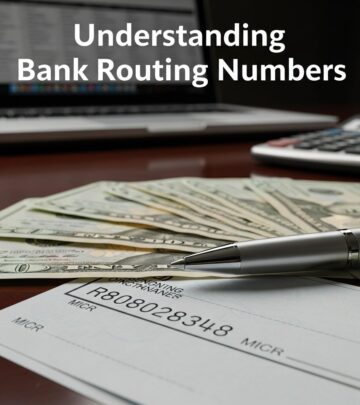
The most common and easily accessible location for your routing transit number is the bottom left corner of your personal checks. The nine-digit code appears as the first set of numbers in the MICR (Magnetic Ink Character Recognition) line. It’s important to note that the symbols surrounding the numbers (typically colons) are not part of the routing number itself. The sequence typically appears as: [routing number] | [account number] | [check number]. This placement has been standardized across the banking industry for decades.
Online Banking and Bank Statements
Your bank’s online banking platform provides convenient access to your routing transit number without requiring a physical check. You can typically find this information by logging into your account and accessing your account details or settings section. Additionally, your bank statements—whether delivered electronically or by mail—display the routing number prominently. Banks recognize the frequency with which customers need this information and make it readily available through multiple digital channels.
Contacting Your Financial Institution
If you cannot locate your routing number through the above methods, contacting your bank directly provides a reliable solution. Customer service representatives can quickly provide the routing number associated with your specific account. Many banks also maintain searchable online databases or routing number lookup tools on their websites, allowing customers to find numbers for any account they maintain at that institution.
Primary Uses of Routing Transit Numbers
Routing transit numbers serve essential functions across numerous banking operations and financial transactions. Understanding these applications clarifies why this nine-digit code remains vital in modern banking.
Direct Deposits
Employers and government agencies use routing transit numbers when setting up direct deposit for employee paychecks or benefit payments. Your employer needs both your routing number and account number to electronically deposit your salary directly into your checking or savings account, eliminating the need for paper checks.
Wire Transfers
When sending money via wire transfer—whether domestically or internationally—financial institutions require the recipient’s routing transit number to ensure funds reach the correct bank and account. The Federal Reserve uses routing numbers through the Fedwire system to process wire transfers securely and efficiently.
ACH Transfers and Online Payments
The Automated Clearing House (ACH) network relies on routing numbers to move funds electronically between accounts. Whether you’re paying bills online, setting up recurring payments, or transferring money between accounts at different banks, the ACH system uses your routing number to direct the transaction appropriately.
Check Processing
Banks use routing numbers to sort and process physical checks. The MICR technology reads the routing number on each check, directing it through the appropriate processing channels and ensuring it reaches the correct financial institution for clearing and settlement.
Routing Transit Number vs. Account Number
While routing transit numbers and account numbers work together in banking operations, they serve fundamentally different purposes and should not be confused.
| Feature | Routing Transit Number | Account Number |
|---|---|---|
| Purpose | Identifies the specific bank or financial institution | Identifies your specific account within that bank |
| Length | Nine digits | Typically 8–12 digits (varies by bank) |
| Uniqueness | Shared by all customers of the same bank branch | Unique to each individual account |
| Usage | Directs transaction to correct bank | Directs transaction to correct account |
| Sensitivity | Public information; safe to share | Sensitive; should be protected like a password |
The routing transit number identifies which bank holds your account, while the account number identifies your specific account within that institution. Both numbers are required for electronic transfers, as they create a unique string of digits that tells financial institutions exactly where to withdraw or deposit funds. Think of the routing number as your bank’s address and the account number as your specific mailbox within that postal facility.
Routing Transit Number Variations Across Countries
While the nine-digit American format is standardized in the United States, other countries employ different systems for routing financial transactions.
Canadian Banking System
In Canada, the transit number is a five-digit code that identifies the specific bank branch where an individual holds an account. This transit number is then combined with the bank’s institution number to form a complete routing number. The Canadian system therefore uses a different format and structure than the American system, though it serves the same fundamental purpose of directing funds to the correct financial institution.
International Variations
Banking systems worldwide employ various routing methodologies adapted to their specific national infrastructure and financial regulations. European banks use IBAN (International Bank Account Number) systems, while other regions maintain their own standardized formats. These variations reflect each country’s unique banking infrastructure and regulatory requirements, though all serve the essential function of ensuring accurate fund routing.
Multiple Routing Numbers at Large Banks
While some small community banks maintain a single routing number, larger financial institutions frequently have multiple routing numbers. These variations depend on several factors including the bank’s size, geographic location, specific service divisions, and operational structure. Your account’s routing number depends on where you initially opened your account or which division of the bank manages your specific account type. When setting up transfers or direct deposits, always verify you have the correct routing number for your specific account, as using an incorrect number could result in transaction delays or misdirected funds.
Why Routing Transit Numbers Matter
Routing transit numbers serve as the backbone of the electronic banking system. By incorporating routing numbers, the financial system ensures that funds are directed to the correct recipient, minimizing errors and ensuring smooth transfer of money from one account to another. These codes provide a quick and reliable method for identifying financial institutions involved in transactions, fostering transparency and trust among banking institutions and customers alike.
Accurate routing number information is critical for organizational efficiency. Inaccurate, incomplete, or missing routing transit number information can cost businesses thousands of dollars monthly through failed transactions, delays, and administrative complications. Financial institutions maintain comprehensive databases of active routing numbers—approximately 22,000 in the United States—to ensure efficient check processing, return item handling, wire transfer initiation, pre-authorization of drafts, and collection activities.
Frequently Asked Questions
Q: Is my routing transit number the same as my ABA number?
A: Yes, routing transit numbers and ABA numbers are synonymous terms in the United States. Both refer to the same nine-digit code developed by the American Bankers Association. The terms are used interchangeably in American banking.
Q: Can a bank have multiple routing transit numbers?
A: Yes, larger banks often have multiple routing numbers. A single institution may have dozens of routing numbers depending on its size, branch locations, and specific service divisions. Always verify the correct routing number for your specific account.
Q: Is it safe to share my routing transit number?
A: Yes, routing transit numbers are public information and safe to share. However, never share your account number or the complete banking information together with someone you don’t trust. Criminals would need both your routing and account numbers to access your funds.
Q: What happens if I use an incorrect routing transit number?
A: Using an incorrect routing number will likely result in transaction failure or delays. The receiving bank may reject the transfer, or funds could be misdirected to another institution. Always double-check the routing number before completing transactions.
Q: How frequently do routing transit numbers change?
A: Routing numbers can change due to bank mergers, branch closures, or operational restructuring. It’s advisable to verify your routing number directly with your bank if you haven’t used it recently.
Q: Where can I find a comprehensive list of routing transit numbers?
A: The American Bankers Association maintains an official routing number database. Additionally, most banks provide searchable routing number lookup tools on their websites, and the Federal Reserve System maintains records of all active routing numbers.
References
- ABA Routing Number — American Bankers Association. Official documentation on routing number history and purpose. https://www.aba.com/about-us/routing-number
- What Is A Bank Routing Number and Where Can You Find It? — PNC Bank. 2024. https://www.pnc.com/insights/personal-finance/spend/what-is-a-bank-routing-number.html
- What is a Bank Transit Number? (How to Find Your Code) — Bill.com Learning Center. https://www.bill.com/learning/bank-transit-number
- More than you ever wanted to know about routing numbers — MyUnionState Bank. https://www.myunionstate.bank/more-than-you-ever-wanted-to-know-about-routing-numbers
- What is an ABA routing number? — Stripe Resources. https://stripe.com/resources/more/aba-routing-numbers-101-what-they-are-what-they-do-and-how-to-locate-yours
- Locate Routing and Account Numbers on a Check — Nationwide Financial Services. https://www.nationwide.com/lc/resources/personal-finance/articles/routing-and-account-numbers
Similar Articles








Read full bio of medha deb