Routing Number vs. Account Number: How They Differ
Understand the critical differences between routing and account numbers for secure banking transactions.
When managing your finances, you’ll frequently encounter two critical banking identifiers: your routing number and your account number. While these terms are often mentioned together, they serve distinctly different purposes in the banking system. Understanding the distinction between these numbers is essential for conducting electronic transactions, setting up direct deposits, making online payments, and transferring funds between accounts. This comprehensive guide will help you understand what these numbers are, how they differ, where to find them, and when you’ll need to use them.
Understanding Routing Numbers
A routing number is a nine-digit code that serves as a unique identifier for a specific bank or credit union. Also known as an ABA (American Bankers Association) routing number, this code is assigned by the American Bankers Association to financial institutions across the United States. The routing number functions as an address for your financial institution, allowing the banking system to direct transactions to the correct location.
The nine digits in a routing number are not random; they contain specific information about your financial institution. The first four digits represent the Federal Reserve processing center responsible for your region. The next four digits identify your specific bank or credit union. The final digit serves as a verification check digit, ensuring the routing number is valid. This structured format allows the banking system to efficiently route transactions between thousands of financial institutions across the country.
Most banks and credit unions operate with a single routing number that applies to all their customers. However, larger national and international banking institutions may maintain multiple routing numbers depending on your location or the branch where you opened your account. This is particularly common for major banks with extensive branch networks across different states. Despite potentially having multiple routing numbers, all routing numbers for a particular bank branch are public information and can be found online or by contacting your bank directly.
Understanding Account Numbers
While a routing number identifies your bank, your account number is a unique identifier for your specific account within that financial institution. Your account number distinguishes your particular checking or savings account from all the other accounts that your bank manages. Think of the routing number as identifying the bank building, while your account number identifies the specific vault or drawer where your funds are stored.
Account numbers typically range from eight to twelve digits, though the exact length varies depending on your bank. Unlike routing numbers, which are standardized at nine digits, account numbers don’t follow a uniform length requirement across all financial institutions. Each new account you open, whether at the same bank or different banks, receives its own unique account number. If you maintain both a checking account and a savings account at the same bank, you’ll have two different account numbers, but both will share the same routing number.
Because your account number essentially unlocks access to your funds, protecting this information is crucial to preventing unauthorized transactions and fraud. You should never share your account number with anyone you don’t trust completely, and you should be cautious about providing it online unless you’re conducting business with your bank or authorized service providers. Unlike routing numbers, which are public information, your account number should be treated as sensitive personal information.
Key Differences Between Routing and Account Numbers
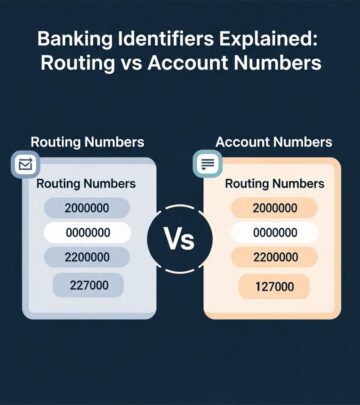
While both routing numbers and account numbers are essential for banking transactions, they differ in several important ways. Understanding these differences will help you use these numbers correctly and avoid costly mistakes.
| Feature | Routing Number | Account Number |
|---|---|---|
| Purpose | Identifies your specific bank or credit union | Identifies your individual account within the bank |
| Length | Always 9 digits | Typically 8-12 digits |
| Uniqueness | Same for all customers at a bank branch | Unique to each individual account |
| Privacy Level | Public information | Private; should be kept confidential |
| Scope | Used to identify financial institutions in the banking system | Used to identify specific accounts for deposits and withdrawals |
The most fundamental difference is that your routing number remains constant across all your accounts at a particular bank, while each account you maintain has its own unique account number. Additionally, routing numbers are public information that can be easily found through various sources, while account numbers should be treated as confidential financial information.
Where to Find Your Routing and Account Numbers
Knowing where to locate your routing and account numbers is essential for completing banking transactions. There are several reliable methods for finding this information.
On Your Checks
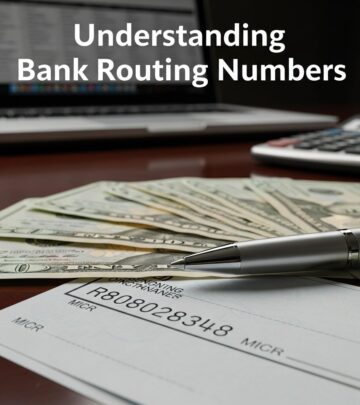
If you have paper checks from your bank, you can find both numbers printed on the bottom of each check. Reading from left to right, the routing number appears first as a nine-digit code. Immediately following the routing number is your account number, which typically occupies the middle section of the check. Finally, the check number appears on the right side. This layout has been standardized across the banking industry to make it easy for account holders to locate these numbers when needed.
Through Online Banking
Most banks provide access to your routing and account numbers through their online banking platforms. You can typically find this information in your account settings, account details section, or information page. Your bank’s website usually displays these numbers clearly for easy reference. If you’re unable to locate them in your online account, most banks have a dedicated help section that explains where to find this information.
Through Mobile Banking Apps
Many banks offer mobile applications that display your routing and account numbers for convenient access. Simply open your bank’s app, navigate to your account details or settings, and your numbers should be displayed. Mobile banking apps provide a quick way to access this information when you’re away from your computer or checkbook.
By Contacting Your Bank
If you’re unable to find your routing or account numbers through the methods above, you can always contact your bank’s customer service team. You can reach out via phone, email, or by visiting your local branch. Be aware that banks may require you to verify your identity before providing your account number, as this is sensitive information. However, they can provide your routing number more freely since it’s public information.
When You Need Your Routing and Account Numbers
Understanding when you’ll need these numbers helps ensure you’re prepared for common banking transactions. There are numerous situations where providing your routing and account numbers is necessary.
Direct Deposits
Setting up direct deposit for your paycheck, government benefits, or tax refunds requires both your routing and account numbers. Your employer or the government agency processing your payment uses this information to deposit funds directly into your account, eliminating the need to deposit paper checks manually.
Bill Payments and Transfers
When setting up automatic bill payments through your bank’s website or establishing recurring payments with service providers, you’ll typically need to provide your routing and account numbers. This includes utilities, loan payments, insurance premiums, and other recurring expenses. ACH (Automated Clearing House) transfers between your accounts or to other people’s accounts also require this information.
Wire Transfers
Sending money via wire transfer, whether domestically or internationally, requires your routing number and account number along with other banking details. Wire transfers are commonly used for large transactions or time-sensitive payments where funds need to arrive quickly.
Third-Party Payment Services
Linking your bank account to peer-to-peer payment platforms like Venmo, PayPal, or Zelle requires providing your routing and account numbers. These services use this information to connect your bank account so you can send and receive money through their platforms.
Opening Accounts at Other Institutions
When opening new accounts at other banks or financial institutions, you may be asked to provide your current bank’s routing and account numbers. This information helps the new institution transfer funds from your existing account if you request it during the account opening process.
Ordering Checks
When ordering replacement checks from your bank, they use your routing and account numbers to print the correct information on your new checks. This ensures that each check you write includes the proper banking details for processing.
Security Considerations
While routing numbers are public information and don’t pose a security risk if shared, your account number should be treated differently. Your account number, combined with your routing number, provides access to your bank account. Therefore, you should only provide your account number to trusted sources such as your bank, employers, government agencies, or reputable service providers you’ve chosen to use.
Be cautious about providing your account number over unsecured channels or to unknown parties. Legitimate banks and financial institutions will never ask for your account number via unsolicited emails or phone calls. If you receive such requests, it’s likely a scam attempt, and you should report it to your bank immediately.
Regularly review your bank statements to verify that all transactions are authorized and legitimate. If you notice unauthorized activity, contact your bank immediately to report fraud and protect your account.
Understanding Check Layout
The bottom of a standard check contains important banking information arranged in a specific order. From left to right, you’ll see the routing number (nine digits), followed by the account number (typically 8-12 digits), and finally the check number (usually 3-4 digits). This standardized layout has been adopted by banks across the country to ensure consistency and reduce errors when processing checks.
Understanding this layout is particularly helpful when you need to provide these numbers over the phone or fill out forms for electronic transactions. Knowing which number is which prevents costly mistakes that could result in funds being deposited to the wrong account or not being processed at all.
The Relationship Between Routing and Account Numbers
Your routing number and account number work together as a complete banking address for your specific account. Think of it like a mailing address: the routing number is analogous to your zip code (which identifies your general area and is shared by many people), while your account number is like your specific street address (unique to you and your household). Both pieces of information are necessary to ensure that electronic transactions route correctly and funds reach the intended destination.
If you provide an incorrect routing number, a transaction might be sent to the wrong bank entirely. If you provide an incorrect account number, the transaction might go to the right bank but be deposited into someone else’s account. This is why accuracy is critical when providing these numbers, and why both are typically required for electronic transactions.
Frequently Asked Questions
Do you need both a routing and account number for all transactions?
Typically, yes. Most electronic transactions require both numbers to ensure funds reach the correct destination. However, for some in-person transactions conducted directly at your bank branch, just your account number may be sufficient since the bank already knows its own routing number.
Can you use your account number without a routing number?
For electronic transactions, no. Your account number alone cannot direct funds to the correct financial institution. However, for in-branch deposits or withdrawals where you’re physically at your bank, your account number alone may be sufficient.
Is it safe to share your routing number?
Yes, your routing number is public information and can be safely shared. It’s necessary for direct deposits, wire transfers, and other legitimate transactions. However, always ensure you’re sharing it with trusted, legitimate financial institutions or employers.
What happens if you use the wrong account number?
If you provide an incorrect account number with the correct routing number, funds may be deposited into someone else’s account at your bank, or the transaction may fail if the account number doesn’t exist. This is why accuracy is essential.
Can your routing number change?
Your routing number typically remains the same as long as you maintain your account at the same bank branch. However, if your bank merges with another institution or undergoes significant restructuring, your routing number could change. Your bank will notify you of any changes to your routing number.
How many account numbers can you have at one bank?
You can have multiple account numbers at the same bank if you maintain multiple accounts, such as checking and savings accounts. Each account receives its own unique account number, though they all share the same routing number.
References
- Routing Number vs. Account Number: What’s the Difference? — Experian. 2024. https://www.experian.com/blogs/ask-experian/what-is-the-difference-between-routing-and-account-numbers/
- Routing vs Account Number: What’s the Difference? — SoFi. 2024. https://www.sofi.com/learn/content/routing-number-vs-account-number/
- Routing vs. account numbers: What they are and where to find them — PayPal Money Hub. 2024. https://www.paypal.com/us/money-hub/article/routing-vs-account-number
- Bank Account Number vs. Routing Number: Key Differences — SBI Cal Bank. 2024. https://www.sbical.bank/education-center/bank-account-number-vs-routing-number
- Routing vs. Account Number: What are the Main Differences? — Wise. 2024. https://wise.com/us/blog/routing-vs-account-number
Similar Articles








Read full bio of medha deb