Route 66 Trip Costs: 8 Daily Expenses To Budget
Plan your Route 66 adventure with our comprehensive cost breakdown and money-saving tips.
Planning Your Route 66 Epic Adventure: The Complete Cost Guide
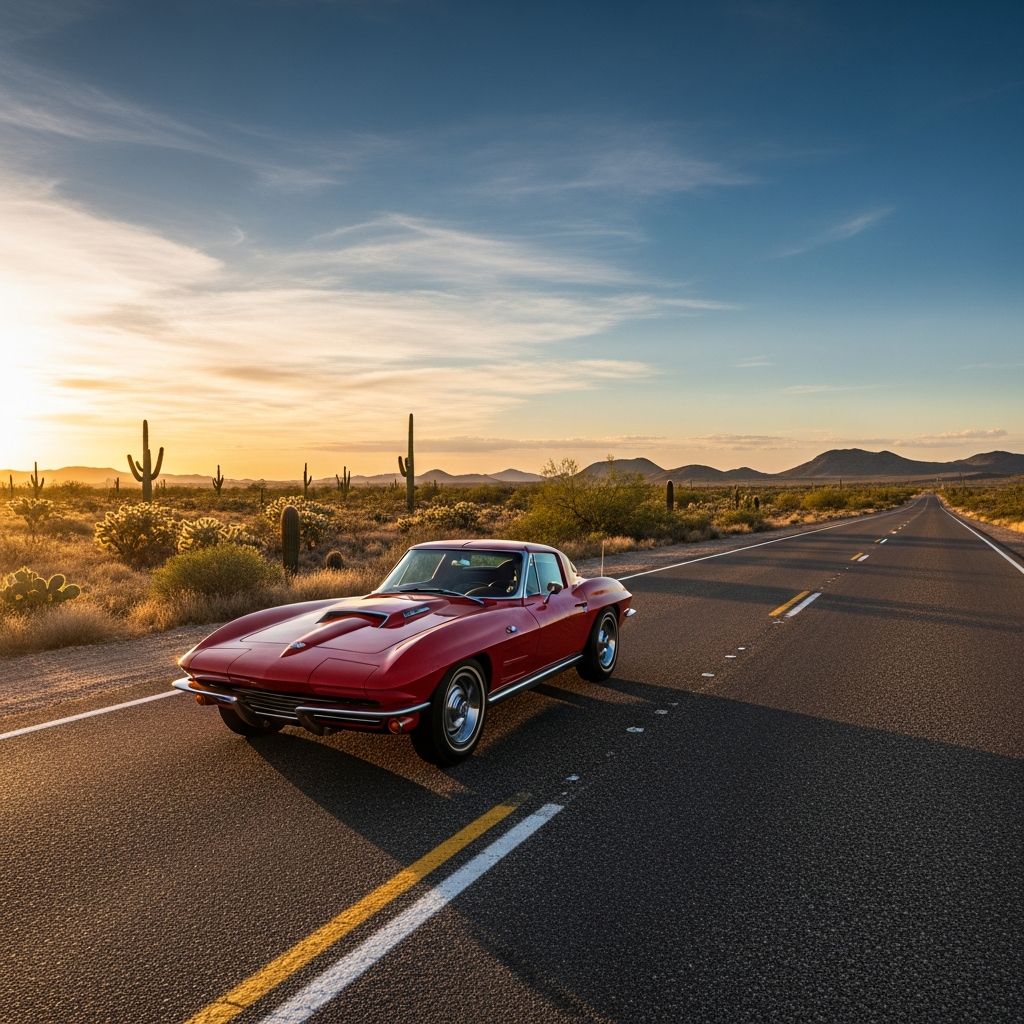
Route 66, America’s most iconic highway, stretches over 2,400 miles from Chicago to Santa Monica. Planning an epic road trip along this legendary route is an exciting prospect, but understanding the costs involved is crucial for creating a realistic budget. Whether you’re a budget-conscious traveler or looking for a more luxurious experience, this comprehensive guide breaks down every expense you’ll encounter and provides actionable strategies to maximize your experience without breaking the bank.
Understanding Route 66 Budget Categories
The cost of driving Route 66 varies significantly based on your travel style, the duration of your trip, and the number of travelers. Most budget experts recommend allocating between $350 to $400 per day for two people when traveling comfortably, though you can find cheaper options if you’re willing to be flexible. The main expense categories include accommodation, food, fuel, car rental, and attractions.
Route 66 passes through diverse landscapes and communities, from major metropolitan areas like Chicago and Los Angeles to small rural towns in Oklahoma, Texas, New Mexico, and Arizona. This variation in locations directly impacts your daily expenses, with larger cities requiring significantly higher budgets for lodging and dining.
Daily Budget Breakdown
Understanding your daily expenses helps create a realistic overall budget. Here’s a detailed breakdown of typical daily costs for two people:
| Expense Category | Daily Cost |
|---|---|
| Coffee and Snacks | $20 |
| Museum Entry | $12 |
| Souvenirs | $20 |
| Lunch at Roadside Diner | $30 |
| Vintage Motel Room | $120 |
| Dinner at Local Restaurant | $50 |
| Gas per Day | $60 |
| Car Rental per Day | $60 |
| Total Daily Cost (Two Adults) | $372 |
Budget Tiers: Finding Your Route 66 Style
Different travelers have different priorities. Understanding the various budget tiers helps you determine which level of comfort matches your travel goals and financial situation.
Ultra Budget: $50-100 Per Day
For extremely budget-conscious travelers, ultra-budget trips focus on minimizing costs through creative accommodation choices like camping or budget motels, preparing your own meals, and prioritizing free attractions. This tier is ideal for backpackers or those traveling long-term.
Budget: $100-150 Per Day
Budget-level trips offer comfortable accommodations in modest motels, occasional restaurant meals mixed with self-prepared food, and selective paid attractions. This category represents excellent value for travelers seeking authentic Route 66 experiences without excessive spending.
Mid-Range: $150-225 Per Day
Mid-range travelers enjoy more comfortable accommodations, regular restaurant dining, and access to most paid attractions and activities. This tier provides a balanced approach between comfort and cost.
Luxury: $225+ Per Day
Luxury travelers prioritize premium accommodations, fine dining, spa services, and comprehensive attraction access. This tier maximizes comfort and convenience but significantly increases overall trip costs.
Major Expense Categories Explained
Accommodation Costs
Lodging represents one of your largest expenses on Route 66. Most travelers average approximately $100 per night for modest, characterful Route 66 motels. Budget accommodations range from $50-80 per night, while more upscale hotels charge $150-250 per night. To save money, book hotels offering complimentary breakfast, which can significantly reduce daily food expenses.
Car Rental and Transportation
Car rental costs depend on your rental duration and vehicle type. For an eight-day Route 66 journey from Chicago to Los Angeles, expect to pay around $623 for the cheapest one-way rental option. For a longer 14-day journey, budget approximately $1,404 for car rental. Most companies charge a one-way fee for dropping vehicles at different locations, but for Route 66, this fee is typically justified by the convenience.
Always ensure your rental includes unlimited mileage and appropriate insurance coverage. Choose reputable rental companies to avoid unexpected fees or service issues during your journey.
Fuel Expenses
Fuel costs depend on gas prices along your route and your vehicle’s fuel efficiency. Real travelers report fuel bills ranging from $391 for a 4,244-mile journey. Strategic fuel purchasing can save money: fill up in larger towns where prices are lower, avoid rural areas with inflated prices, and never wait until you reach California, where fuel prices significantly exceed neighboring Arizona.
Using fuel-tracking apps like GasButty helps identify the cheapest filling stations along your route, potentially saving hundreds of dollars over your journey.
Food and Dining
Food expenses vary dramatically based on eating habits. Dining out three times daily quickly accumulates costs, but strategic choices reduce expenses substantially. Pack snacks and coolers with groceries purchased at supermarkets, eat complimentary hotel breakfasts, and enjoy casual roadside diners rather than upscale restaurants. Many travelers report daily food costs between $15-40 when self-catering, compared to $60-100+ when dining out exclusively.
Attractions and Activities
Route 66 offers numerous paid and free attractions. Must-visit paid attractions include the Grand Canyon ($35 entrance fee per vehicle for a 7-day pass) and Route 66 museums ($5-10 each). Many historic sites, photo stops, and scenic overlooks are completely free. Budget at least $35-50 for attractions, with the option to spend more depending on your interests.
Real-World Route 66 Budget Examples
An 8-Day Solo Adventure
One experienced traveler completed Route 66 in eight days on an exceptionally tight budget of $100 daily, totaling $920.72. This included $623 car rental, gas at $200+, modest accommodations averaging $50-80 per night, and minimal dining out. Adding groceries purchased before the trip ($100), the total reached approximately $1,020.72. This demonstrates that ultra-budget Route 66 travel is achievable with careful planning and flexibility.
Splitting Costs with Travel Partners
Traveling with companions dramatically reduces per-person expenses. If that same solo traveler had traveled with one partner, splitting gas and accommodation costs would reduce individual expenses to approximately $570.29 for eight days, demonstrating the financial advantage of group travel.
Money-Saving Strategies
Accommodation Savings
Book hotels offering complimentary breakfasts to eliminate morning meal costs. Travel during off-peak seasons (outside summer months and holidays) to secure lower rates. Consider budget motel chains offering reliable, economical options throughout Route 66.
Food and Beverage Savings
Purchase groceries at supermarkets rather than convenience stores. Pack snacks and coolers to minimize roadside purchases. Eat substantial hotel breakfasts to reduce hunger throughout the day. Share restaurant meals between two people, as portion sizes are typically generous at roadside diners.
Group Travel Advantages
Split car rental, fuel, and accommodation costs among multiple travelers to significantly reduce per-person expenses. Group travel also enables shared purchases of snacks and supplies at wholesale prices.
Fuel Optimization
Use fuel-tracking applications to identify lowest prices. Fill up in major towns rather than rural areas. Maintain proper tire pressure and regular maintenance for optimal fuel efficiency. Fill up before entering California to avoid premium prices.
Attraction Budgeting
Research free attractions and prioritize must-see paid sites. Leave small donations (rather than paying formal fees) at charitable attractions. Visit during times offering discounted admission rates.
Understanding Tolls and Fees
Historically, Route 66 travels from Chicago to Santa Monica without tolls when following the authentic historic route. However, avoid taking Interstate 44 through Oklahoma, as this charges tolls and deviates from the true Route 66 experience. Most attractions feature free or low-cost parking, except in Chicago and Santa Monica where parking involves fees.
Planning Your Total Budget
Short-Term Trips (8 Days)
Eight-day Route 66 journeys typically cost $800-1,200 per person when budgeting conservatively. This includes car rental ($600-800), fuel ($150-250), accommodation ($400-640), and food and activities ($200-300).
Extended Trips (14 Days)
Two-week Route 66 adventures generally cost $1,500-2,400 per person, allowing more relaxed pacing and comprehensive exploration of attractions.
Luxury Experiences (Two Weeks)
High-end Route 66 journeys budget $3,000-5,000+ per person for premium accommodations, fine dining, and comprehensive attraction access.
Pre-Trip Financial Preparation
Beyond daily travel expenses, consider pre-trip costs including flights to Chicago (if traveling from elsewhere), travel insurance, vehicle maintenance if using personal cars, and groceries purchased before departure. Bring a combination of cash and credit cards, as some rural establishments prefer cash while major cities accept cards universally.
Seasonal Cost Variations
Summer travel commands premium accommodation prices and attracts crowds. Winter and shoulder seasons offer significantly lower rates, though weather considerations may limit comfort. Spring and fall provide optimal balance between weather conditions and reasonable pricing.
Frequently Asked Questions About Route 66 Trip Costs
Q: What’s the absolute cheapest way to drive Route 66?
A: Solo travelers can complete Route 66 for approximately $50-100 daily by camping or using budget motels ($30-50/night), purchasing groceries, using fuel apps for lowest prices, and prioritizing free attractions. Traveling with companions further reduces per-person costs by splitting major expenses.
Q: How much should I budget for a comfortable Route 66 road trip?
A: Budget $350-400 daily for two people for comfortable travel including modest accommodations ($100-120/night), regular meals with occasional dining out, attraction access, and transportation. This level provides authentic Route 66 experiences without excessive luxury.
Q: Are there unexpected costs I should anticipate?
A: Plan for vehicle maintenance or repairs, tolls on certain interstate sections (though avoiding these is possible), parking fees in major cities, travel insurance, and emergency expenses. Maintaining a contingency fund of 10-15% above your calculated budget provides security.
Q: How can traveling with others reduce costs?
A: Sharing car rental, fuel, and accommodation costs among multiple travelers can reduce per-person expenses by 50% or more. Group purchasing of groceries and bulk snacks also generates savings.
Q: What’s included in typical Route 66 daily costs?
A: Daily costs typically include car rental ($60-80/day), fuel ($40-80/day depending on gas prices), accommodation ($80-150/night), meals ($30-60/day), attraction fees ($5-20/day), and miscellaneous expenses like snacks and souvenirs.
Q: Should I plan more budget for Chicago and Los Angeles?
A: Yes, major cities require 25-40% higher daily budgets. Food, lodging, and parking costs are substantially higher in Chicago and Los Angeles compared to rural Route 66 stretches.
References
- USA Route 66 Trip Guide — Lonely Planet. https://www.lonelyplanet.com/articles/usa-route-66-trip-guide
- Route 66 Budget: Exactly How Much I Spent and How to Budget — Endless Distances. https://www.endlessdistances.com/route-66-budget/
- How to Plan an Epic Route 66 Road Trip — Travelling With Nikki. https://www.travellingwithnikki.com/2024/06/how-to-plan-an-epic-route-66-road-trip/
- How To Drive Route 66: Building the Best Road Trip — MotorTrend. https://www.motortrend.com/features/route-66-road-trip-guide-tips-and-tricks
Similar Articles








Read full bio of medha deb