Is a Rotisserie Chicken Actually a Smart Budget Dinner?
Uncover why store rotisserie chickens seem like a steal but may cost more per pound than cooking your own—plus tips to decide if they're worth it.
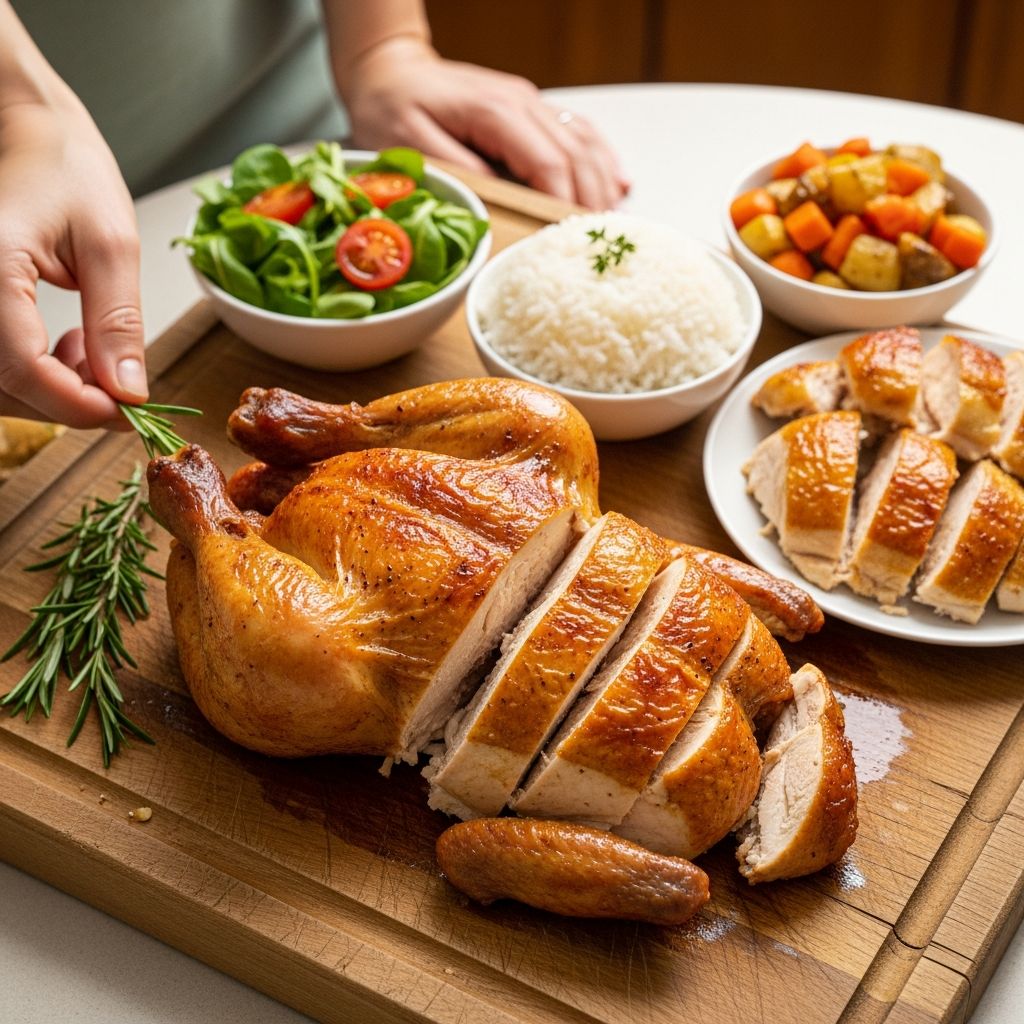
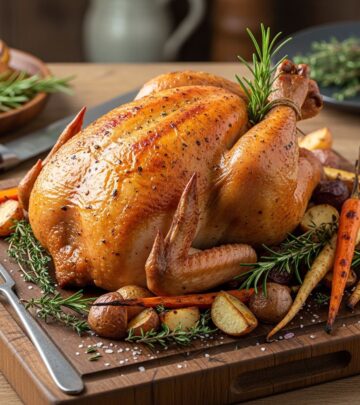
Their mouthwatering aroma wafts through the grocery store aisles, drawing you toward the deli counter where golden, crispy-skinned birds spin slowly under heat lamps. Rotisserie chickens have earned their status as the undeniable MVP of quick, cheap dinner options that deliver on health, taste, and ease. Many shoppers, like staff writer Jamie Cattanach, grab one weekly—especially after lugging grocery bags home, when the last thing you want is to fire up the oven.
But why are these ready-to-eat birds often priced the same as—or even cheaper than—raw whole chickens in the meat section? The convenience seems too good to be true. Spoiler: It often is, but not for the reasons you might think. This article dives deep into the economics, weighs the true value, and helps you decide when rotisserie chickens are a smart buy versus when roasting your own saves more.
Here’s Why Ready-Made Rotisserie Chickens are So Darn Cheap
Journalist Karin Klein investigated this puzzle by visiting stores and consulting experts, as detailed in her Priceonomics analysis. The bargain price isn’t due to impending expiration or stores using them purely as loss leaders to lure shoppers. Instead, it’s largely because rotisserie chickens are smaller birds.
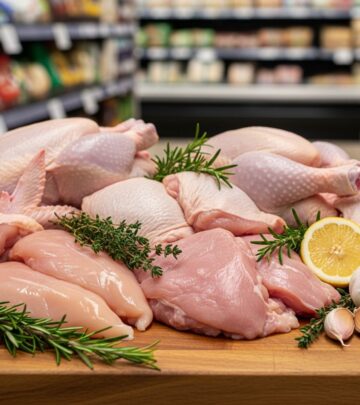
Typical rotisserie chickens weigh 2 to 2.5 pounds raw, while comparable raw broiler chickens tip the scales at 4 to 4.5 pounds. Cooking reduces weight by about 20-25% due to moisture loss, per U.S. Department of Agriculture guidelines. Even post-cook, the fresh chicken yields more meat. Stores source these smaller birds from specialized suppliers, pre-injected with water, salt, carrageenan, and seasonings, minimizing prep work—just spin them on the rotisserie.
- Size deception: Shoppers rarely weigh birds; hunger and haste obscure the pound-for-pound premium you’re paying.
- Production efficiency: Separate supply chains for rotisserie birds keep costs low for grocers.
- No waste risk: Unlike raw chicken, cooked birds sell quickly without spoilage concerns.
This sleight-of-size makes rotisserie options appear economical at first glance, but savvy shoppers look beyond the label price.
Are Rotisserie Chickens Worth It?
Klein conducted a rigorous price comparison across seven California stores, cooking fresh chickens with oil, seasonings, oven energy, and cleanup factored in. Results? In five of seven cases, homemade chickens cost $1 or more less per cooked pound. When raw chicken was on sale—a frequent occurrence—the gap widened to $2 per pound. The two loss-leader stores offered minimal savings: under 20 cents per pound, totaling about $6 max for a 3-pound bird.
| Store Type | Rotisserie Price (per cooked lb) | Home-Cooked Price (per cooked lb) | Savings with Home-Cooked |
|---|---|---|---|
| Average Market | $4.50 | $3.50 | $1.00+ |
| On Sale Raw Chicken | $4.50 | $2.50 | $2.00 |
| Loss Leader Store | $4.00 | $3.80 | $0.20 |
Note: Prices approximated from Klein’s study; actual costs vary by region and time. Energy costs based on average U.S. oven usage (about 0.25 kWh per roast).
Roasting a whole chicken is remarkably simple—no advanced skills required:
- Pat dry a 4-5 lb raw chicken, season generously with salt, pepper, herbs, garlic, or lemon.
- Place on a rack in a preheated 350°F oven (use a cast-iron skillet if no rack).
- Roast 1.5-2 hours until internal temperature hits 165°F. Rest 15 minutes, carve, and serve.
This yields crispy skin, juicy meat, and homemade pan drippings for gravy. Total active time: under 10 minutes.
Convenience is the counterargument. Grabbing a rotisserie at 4:57 p.m. beats last-minute meal prep. Factoring your time at minimum wage ($7.25/hour federally), that hour of cooking tips the scales back toward store-bought. Yet for budget hawks, sales and size awareness reclaim the savings.
Should You Buy Rotisserie Chickens?
Yes, when convenience trumps cost—think sweltering summers avoiding oven heat, zero-plan weeknights, or feeding solo diners where leftovers shine. They’re a worthy splurge despite smaller size, especially with flavorful store rubs like Publix’s “mojo.”
Opt for raw when:
- Chicken’s on sale (scan weekly ads).
- You buy larger birds for families (more meat per dollar).
- Batch-cooking meals (shred for salads, tacos, soups).
Pro tips for max value:
- Weigh birds at purchase; aim for 3+ lbs post-cook.
- Repurpose carcass into stock (simmer with veggies for broth—freezes perfectly).
- Compare unit prices; apps like Flipp aggregate deals.
Bulk buyers at Costco note rotisserie perks: their Kirkland birds are consistently $4.99, often larger, and pair with membership savings on staples. But for non-members, local grocers suffice.
Creative Rotisserie Chicken Recipes to Stretch Your Dollar
Transform one bird into 4-6 meals. Shred meat (yields 3-4 cups) for versatility.
- Chicken Salad: Mix with mayo, celery, grapes, feta-lemon vinaigrette. Serves 4.
- Tacos: Season with cumin, lime; top with slaw. Budget feast.
- Soup: Simmer carcass 4 hours for broth base; add noodles, veggies.
- Stir-Fry: Quick wok with rice, soy, broccoli—15 minutes total.
These hacks minimize waste, amplifying value whether store-bought or home-roasted.
Frequently Asked Questions (FAQs)
Q: Are rotisserie chickens cheaper than raw chicken pound-for-pound?
A: No, typically more expensive per pound due to smaller bird sizes, even after cooking weight loss. Home-cooked often saves $1-2/lb.
Q: Is it hard to roast a whole chicken at home?
A: Not at all—season, oven at 350°F for 1.5-2 hours. Minimal prep, maximum flavor.
Q: When are rotisserie chickens a good buy?
A: For time-crunched evenings, hot weather, or when no sales on raw chicken. Repurpose leftovers for best ROI.
Q: What’s the best way to use rotisserie leftovers?
A: Salads, wraps, soups, casseroles. Boil carcass for stock to eliminate waste.
Q: Do stores lose money on rotisserie chickens?
A: Rarely; smaller sizes and quick turnover make them profitable, not true loss leaders.
Final Verdict: Balance Convenience and Savings
Rotisserie chickens blend affordability, ease, and taste—but transparency on size and sales unlocks true budget wins. Alternate between store grabs and home roasts based on your schedule. Track spending for a month; you’ll master the math. Your wallet (and tastebuds) will thank you.(Word count: 1627)
References
- Is a Rotisserie Chicken Actually a Smart Budget Dinner? — The Penny Hoarder, Jamie Cattanach. 2023. https://www.thepennyhoarder.com/save-money/rotisserie-chickens/
- It’s rotisserie chicken to the rescue again! — CTPost. 2010-10-20. https://www.ctpost.com/food/article/it-s-rotisserie-chicken-to-the-rescue-again-410657.php
- Guidance for Industry: Poultry Products Prepared Without Nitrites or Nitrates. — U.S. Food and Drug Administration (FDA.gov). 2024-07-15. https://www.fda.gov/regulatory-information/search-fda-guidance-documents/guidance-industry-poultry-products-prepared-without-nitrites-or-nitrates-questions-and-answers
- Is Costco Worth It? Here’s How to Decide on a Membership. — The Penny Hoarder. 2024. https://www.thepennyhoarder.com/save-money/is-a-costco-membership-worth-it/
- Chicken from Farm to Table. — U.S. Department of Agriculture (USDA.gov). 2025-01-10. https://www.fsis.usda.gov/food-safety/safe-food-handling-and-preparation/poultry/chicken-farm-table
Similar Articles








Read full bio of medha deb