Roth IRA Conversion Rules: Complete Guide
Master Roth IRA conversions with comprehensive rules, strategies, and tax implications.
Understanding Roth IRA Conversions
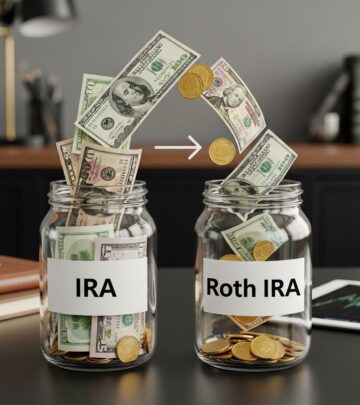
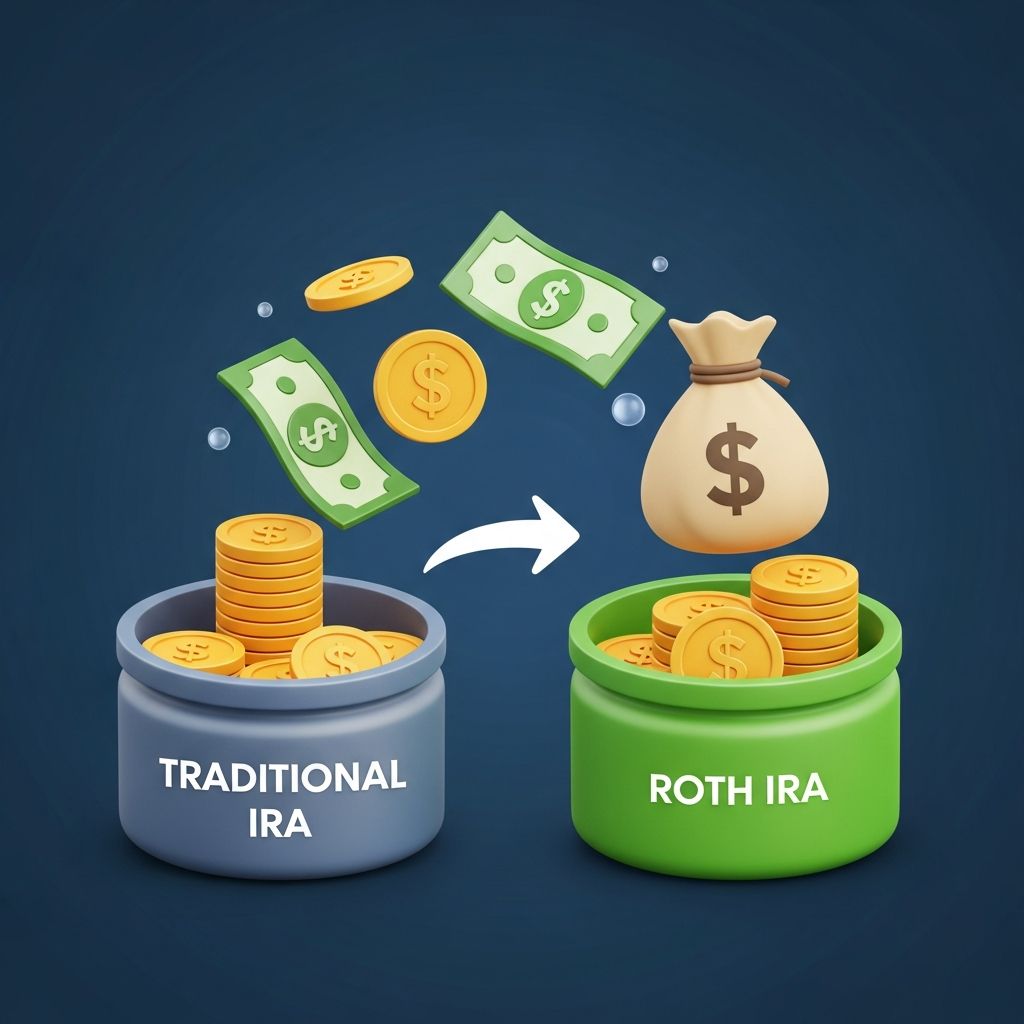
A Roth IRA conversion is a strategic financial move that allows you to transfer pre-tax or tax-deferred retirement assets from traditional IRAs, SIMPLE IRAs, or SEP IRAs into a Roth IRA. This conversion creates a taxable event, meaning you’ll owe income taxes on the converted amount during the year of conversion. However, once the funds are in your Roth IRA, all future earnings grow tax-free, and you can withdraw contributions and earnings without paying federal income taxes in retirement, provided you meet the five-year holding requirement and are at least 59½ years old.
The primary appeal of a Roth conversion is the opportunity to shift your tax burden from the future to the present. By paying taxes now on converted amounts, you effectively lock in today’s tax rates and eliminate future tax liabilities on investment gains. This strategy is particularly attractive for individuals who anticipate being in higher tax brackets during retirement or who want to minimize required minimum distributions in their later years.
The Three Main Methods for Converting to a Roth IRA
The IRS recognizes three distinct methods for executing a Roth conversion, each with its own advantages and considerations.
1. Rollover Method
A rollover allows you to take a distribution from your traditional IRA—typically by check or online transfer—and deposit that money into your Roth IRA within 60 days. While this method offers flexibility and doesn’t require coordination between financial institutions, it carries the most risk. If you fail to complete the deposit within the 60-day window, the IRS will treat the distribution as an early withdrawal, subjecting it to ordinary income taxes and potentially a 10% early withdrawal penalty if you’re under 59½.
2. Trustee-to-Trustee Transfer
This method involves instructing the financial institution holding your traditional IRA to transfer funds directly to a different institution managing your Roth IRA. The funds never pass through your hands, eliminating the risk of missing the 60-day deadline. This is the preferred method for most investors due to its security and simplicity, though it requires coordination between two separate financial institutions.
3. Same-Trustee Transfer
Similar to a trustee-to-trustee transfer, this method keeps funds within the same financial institution while converting them from a traditional IRA to a Roth IRA. This approach is often the easiest to execute, as you may only need to make a few clicks in your online account. If you don’t already have a Roth IRA, you can open one during the conversion process through your existing financial institution.
Tax Implications and Income Tax Obligations
One of the most critical aspects of any Roth conversion is understanding your tax liability. When you convert funds from a traditional IRA to a Roth IRA, the converted amount is added to your taxable income for that tax year. This means you’ll owe ordinary income tax on the conversion amount, regardless of how long you’ve held the funds or whether they’ve appreciated.
The tax you owe depends on your current tax bracket and how much additional income the conversion creates. For example, if you’re in the 22% federal tax bracket and convert $10,000, you would owe approximately $2,200 in federal income tax on that conversion (not accounting for state taxes or other factors). Importantly, the IRS requires you to report the conversion on Form 8606 when you file your tax return for the year in which the conversion occurred.
The Pro-Rata Rule: Understanding This Complex Tax Complication
The pro-rata rule is one of the most misunderstood and costly aspects of Roth conversions, particularly for those considering backdoor Roth strategies. This rule fundamentally changes how conversions are taxed when you have multiple IRAs with different tax statuses.
Under the pro-rata rule, the IRS doesn’t allow you to selectively convert only your after-tax contributions while leaving pre-tax amounts in place. Instead, each conversion is taxed based on the percentage of pre-tax to after-tax money across all your IRAs combined—including traditional IRAs, SEP IRAs, and SIMPLE IRAs. Notably, 401(k)s and 403(b)s are exempt from this rule and don’t factor into the calculation.
Consider a practical example: You have $95,000 in traditional or rollover IRAs and want to perform a backdoor Roth conversion by contributing $5,000 to a new traditional IRA and immediately converting it. You might expect to owe taxes only on any gains from the $5,000, if any. However, the pro-rata rule complicates this scenario significantly.
Your total IRA balance is now $100,000, with $95,000 being pre-tax contributions that have never been taxed. The pro-rata rule calculates that 95% of your total IRA assets are pre-tax. Therefore, when you convert that $5,000, the IRS considers 95% of it ($4,750) taxable, leaving only 5% ($250) as nontaxable. This means you’d owe income tax on $4,750 rather than just the growth on your $5,000 contribution.
Backdoor Roth Conversions Explained
For high-income earners who exceed the income limits for direct Roth IRA contributions, backdoor Roth conversions offer a valuable workaround. A backdoor conversion involves contributing after-tax money to a traditional IRA and then immediately converting it to a Roth IRA.
The strategy works because you don’t receive a tax deduction for the after-tax contribution to the traditional IRA. Therefore, when you convert that contribution to your Roth IRA, you won’t owe any tax on the conversion itself. In theory, you would owe tax on any investment gains, but if you execute the conversion quickly enough, minimal or no gains will have accumulated.
However, the backdoor strategy becomes significantly more complex if you have other IRAs with pre-tax contributions. This is where the pro-rata rule creates a substantial tax burden that many high-income earners overlook. If you don’t have any other IRAs or if all your IRA contributions were made with after-tax dollars, the backdoor Roth strategy is relatively straightforward. But if you have existing traditional IRAs from rollovers or prior contributions, the pro-rata rule will tax a significant portion of your conversion.
Strategic Timing for Roth Conversions
Successfully executing a Roth conversion requires careful attention to timing, particularly regarding your tax bracket and income level.
Bracket Filling Strategy
One of the most effective strategies is to convert only enough funds to fill your current tax bracket without pushing you into a higher bracket. Each tax bracket has a specific income range. By carefully calculating your taxable income for the year and determining how much additional income you can accommodate before moving to the next bracket, you can minimize your effective tax rate on the conversion.
For instance, if you’re in the 22% federal tax bracket, you might be comfortable accepting a modest increase in tax rate by moving into the 24% bracket. However, jumping from the 24% bracket to the 32% bracket represents a significant increase, and you might want to avoid that unless you have a compelling reason.
Market Downturn Conversions
Converting during market downturns offers a unique tax advantage. If your $100,000 IRA falls to $85,000 due to market losses, you can convert at the lower value and pay tax based on $85,000 rather than the original amount. This approach allows you to lock in losses for tax purposes while positioning yourself for tax-free gains when the market recovers. Once converted to the Roth IRA, all future appreciation occurs tax-free.
Required Minimum Distribution Reduction
One of the most popular conversion strategies involves managing required minimum distributions (RMDs). RMDs are the minimum amounts you must withdraw from tax-deferred retirement accounts each year starting at age 73. These distributions are subject to ordinary income tax, and their inclusion in your taxable income can inadvertently trigger higher Medicare premiums, increase the taxation of Social Security benefits, and push you into higher tax brackets.
By converting tax-deferred funds to a Roth before RMDs begin, you reduce the total amount subject to RMDs in future years. Since you’ve already paid income tax on the converted amounts, these funds no longer generate taxable distributions, significantly reducing your tax burden during retirement.
Managing Your Tax Payment Strategy
A critical mistake many people make when converting to a Roth is using funds from the IRA itself to pay the resulting income tax bill. This approach defeats much of the purpose of the conversion and creates additional tax complications. Instead, you should plan to pay the tax from other sources such as your regular income, savings accounts, or other non-retirement assets.
Ideally, identify funds outside your retirement accounts before executing the conversion. This strategy ensures you maximize the amount of money growing tax-free in your Roth IRA while minimizing the overall impact on your retirement savings.
In-Plan Conversions Within Employer Plans
Many employer-sponsored retirement plans today allow you to convert money within the same plan from the traditional or pre-tax side to the Roth side without moving it to an IRA. This in-plan conversion is executed entirely within your employer’s plan and doesn’t require opening a separate Roth IRA.
Like all conversions, you’ll owe income tax on the amount converted in the year you convert it. However, in-plan conversions can be advantageous if your employer plan offers favorable investment options or lower fees than what you might find at an IRA custodian.
Important Reporting Requirements
Proper reporting of your Roth conversion is essential to avoid penalties and complications. When you file your tax return for the year in which the conversion occurred, you must report it on Form 8606. Failing to file this form or misclassifying the conversion can result in the transfer being treated incorrectly, potentially impacting both your income taxes and your ability to withdraw funds from the IRA in the future.
Frequently Asked Questions About Roth Conversions
Q: Can I convert funds from a 401(k) directly to a Roth IRA?
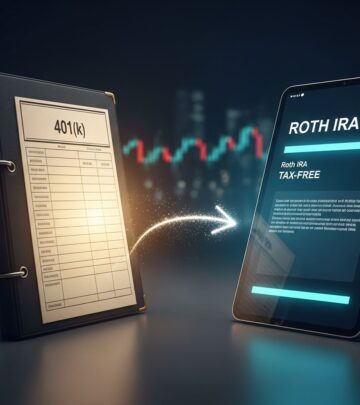
A: While you cannot directly convert a 401(k) to a Roth IRA, you can first roll your 401(k) into a traditional IRA and then convert those funds to a Roth IRA. However, if you have other traditional IRAs, the pro-rata rule will apply to the conversion.
Q: What happens if I miss the 60-day deadline for a rollover conversion?
A: If you fail to complete a rollover conversion within 60 days, the IRS will treat the distribution as an early withdrawal. You’ll owe ordinary income tax on the full amount, and if you’re under 59½, you’ll also face a 10% early withdrawal penalty.
Q: Can I undo a Roth conversion if I change my mind?
A: Historically, investors could recharacterize (reverse) conversions, but the Tax Cuts and Jobs Act of 2017 eliminated this option. Once you convert to a Roth IRA, the conversion is permanent for tax purposes.
Q: Do I need to have earned income to perform a Roth conversion?
A: No, you don’t need earned income to perform a Roth conversion. The conversion simply moves existing pre-tax retirement funds to a Roth IRA. However, you will need funds available to pay the resulting income tax bill.
Q: How does the pro-rata rule affect backdoor Roth conversions for people with 401(k)s?
A: If you have a 401(k) in addition to traditional IRAs, only the IRA money counts under the pro-rata rule. This means having funds in a 401(k) doesn’t complicate your backdoor Roth conversion calculation, making the strategy more feasible for those with employer plans.
References
- How to convert to a Roth—and when to do it — TIAA. 2025. https://www.tiaa.org/public/invest/services/wealth-management/perspectives/roth-conversions-rollover-backdoor
- What To Know About Roth IRA Conversions — BECU. 2025. https://www.becu.org/articles/what-to-know-about-roth-ira-conversions
- Retirement Plans FAQs Regarding IRAs, Rollovers and Roth Conversions — Internal Revenue Service (IRS). 2025. https://www.irs.gov/retirement-plans/retirement-plans-faqs-regarding-iras-rollovers-and-roth-conversions
Similar Articles








Read full bio of Sneha Tete