Roth IRA Conversion: 5-Step Guide For Tax-Smart Moves
Unlock tax-free retirement growth: Master the step-by-step process, strategies, and tax rules for converting traditional IRAs to Roth IRAs effectively.
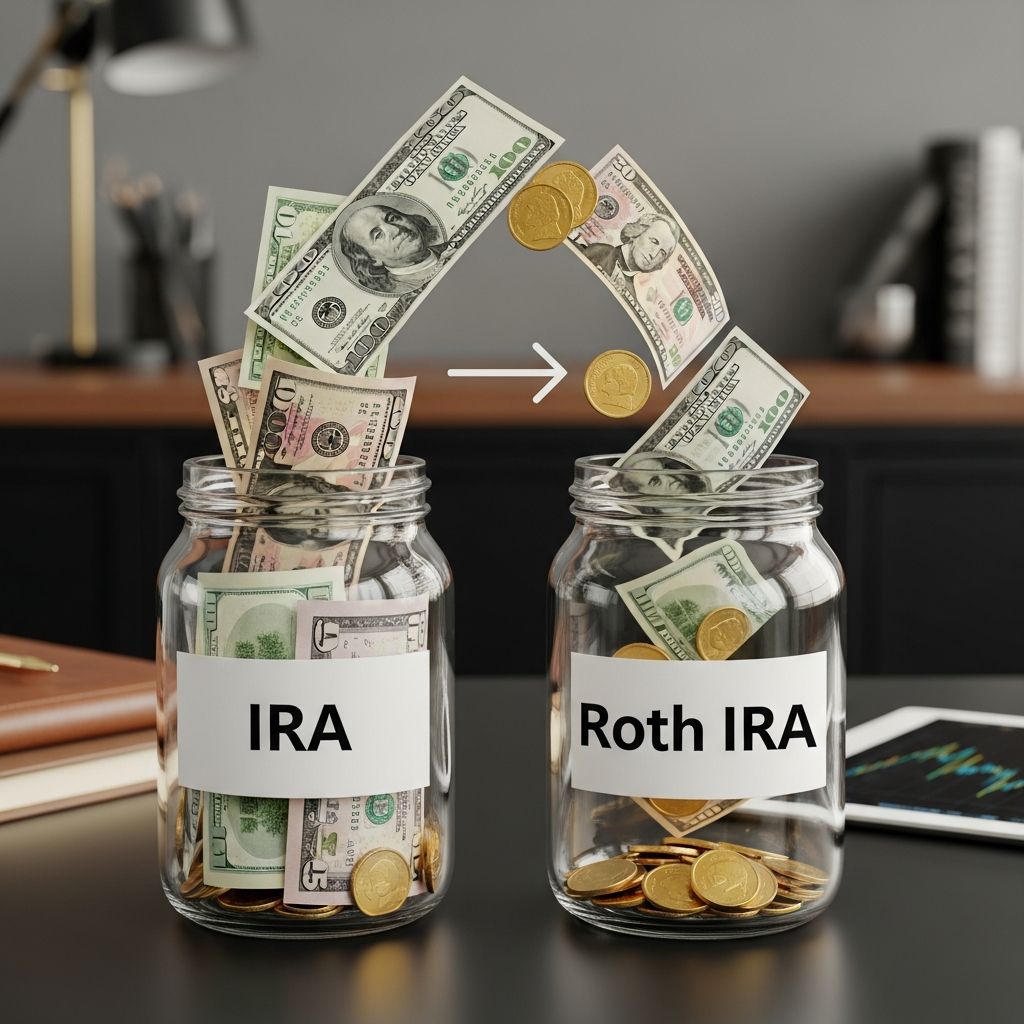
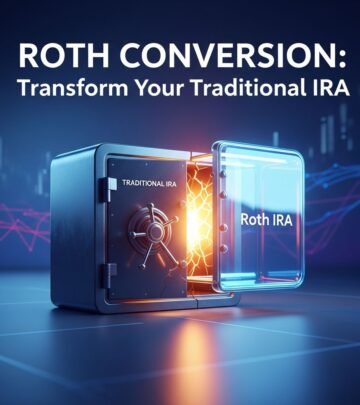
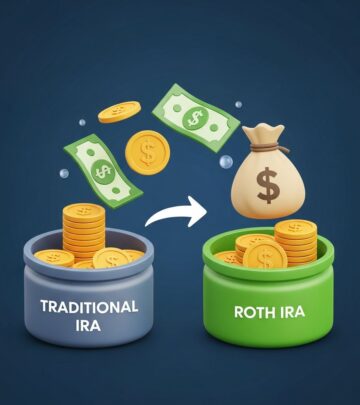
Converting a traditional IRA to a Roth IRA allows you to shift pre-tax retirement funds into a tax-free growth vehicle, paying taxes upfront for potential future benefits. This move suits those anticipating higher taxes or wanting flexibility in withdrawals later.
Understanding the Fundamentals of IRA Conversions
Traditional IRAs hold pre-tax contributions that grow deferred from taxes, taxed upon withdrawal. Roth IRAs use after-tax dollars, offering tax-free qualified distributions after age 59½ and a five-year holding period. A conversion treats the transferred amount as taxable income in the conversion year, but post-conversion earnings grow and withdraw tax-free.
Key benefits include no required minimum distributions (RMDs) during the owner’s lifetime, estate planning advantages as heirs inherit tax-free, and hedging against future tax hikes. Risks involve immediate tax bills that could push you into higher brackets or trigger Medicare surcharges.
Who Qualifies and When to Consider Converting
No income limits apply to conversions since 2010; anyone with a traditional IRA can convert all or part of it. Ideal candidates expect higher future tax rates, have funds to pay conversion taxes from non-IRA sources, or seek to minimize RMDs.
- Young professionals in low tax brackets today but high earners later.
- Retirees with low current income before Social Security or RMDs start.
- Those with non-deductible IRA contributions using backdoor methods.
Assess by projecting lifetime taxes: if Roth path saves overall, proceed. Use calculators from custodians to model scenarios.
Types of Accounts Eligible for Roth Conversion
| Account Type | Conversion Rules | Key Considerations |
|---|---|---|
| Traditional IRA | Direct conversion; tax on pre-tax portion | Most straightforward; pro-rata rule applies if mixed basis |
| 401(k) | Rollover after separation or in-service if allowed | Plan must permit; often converts to cash |
| SIMPLE IRA | After 2-year participation period | Standard taxes post-waiting period |
| SEP IRA | Included in pro-rata calculation | Business owners common users |
| 529 Plan | Lifetime $35,000 limit per beneficiary | 15-year plan age, 5-year fund hold; counts as contribution |
In-plan 401(k) conversions keep funds in the plan, taxing the shift to Roth portion.
Step-by-Step Process to Execute a Conversion
- Open a Roth IRA: If none exists, establish one at your brokerage.
- Choose Amount: Partial or full; consider tax bracket fill-up strategy.
- Initiate Transfer: Contact custodian for direct trustee-to-trustee rollover to avoid withholding.
- Pay Taxes: Use external funds; IRA withdrawals incur extra taxes and penalties.
- Report on Taxes: Expect Form 1099-R; file Form 8606.
Conversions before year-end count for that tax year. Most custodians handle paperwork seamlessly.
Navigating Tax Implications and the Pro-Rata Rule
The converted amount is ordinary income, added to your AGI. No 10% early penalty on conversions, but earnings withdrawn early may incur it.
The pro-rata rule taxes conversions based on all IRA balances’ pre-tax vs. after-tax ratio. Example: 80% pre-tax across IRAs means 80% of conversion taxed.
- Avoidance Tip: Roll pre-tax IRAs to 401(k) first, isolating after-tax for clean backdoor.
State taxes vary; some conform to federal, others tax differently.
Advanced Strategies for Optimal Conversions
Backdoor Roth IRA
High earners contribute non-deductible to traditional IRA, then convert to Roth. Tax-free if no gains and pro-rata avoided. Popular post-income limits removal for direct Roth.
Laddering Conversions
Spread over years to stay in lower brackets, e.g., convert enough yearly to top 12% bracket.
Timing with Market Dips
Convert when values low to pay tax on smaller amounts; future growth tax-free.
Post-Retirement Mega Backdoor
After-tax 401(k) contributions converted in-plan or rolled over.
The Five-Year Rule and Withdrawal Guidelines
Each conversion starts its own five-year clock for penalty-free earnings withdrawal. Contributions withdraw anytime tax/penalty-free; conversions basis after five years or age 59½.
- Under 59½: 10% penalty on converted principal if withdrawn before five years.
- Over 59½: No penalty, but non-qualified earnings taxed.
- First Roth clock governs qualified status.
Track multiple conversions meticulously for compliance.
Common Pitfalls and How to Avoid Them
- Using IRA Funds for Taxes: Depletes principal, misses tax-free growth.
- Ignoring Pro-Rata: Unexpected taxes; plan IRA consolidation.
- Recharacterization Gone: Post-2017 TCJA, conversions irreversible.
- Medicare IRMAA: Conversions raise MAGI, hiking premiums two years later.
- State Tax Traps: Verify conformity.
Reporting Conversions on Your Tax Return
Custodians issue 1099-R by January 31 showing distribution. Enter in tax software; it populates Form 8606 Part II for basis tracking and taxable amount.
- Box 2a: Taxable amount (adjust if basis).
- Nondeductible contributions reported prior years.
- Net conversion amount entered under adjustments.
Consult tax pro for complex basis or states.
Is a Roth Conversion Right for Your Portfolio?
Weigh current vs. future rates, longevity, estate goals. Model with projections: if tax-free withdrawals exceed upfront cost, yes. Recent law changes like Secure 2.0 expand options, but taxes remain.
Frequently Asked Questions
Can I undo a Roth conversion?
No, recharacterizations banned since 2018; plan carefully.
Does converting affect Social Security taxes?
Yes, increases taxable portion via higher AGI.
What’s the deadline for 2026 conversions?
December 31, 2026, for 2026 taxes.
Can I convert inherited IRAs?
Rules differ; consult advisor.
How much can I convert?
No limit, but tax impact caps practicality.
References
- Is a Roth IRA conversion right for you? — Vanguard. 2024. https://investor.vanguard.com/investor-resources-education/iras/ira-roth-conversion
- How to convert to a Roth—and when to do it — TIAA. 2024. https://www.tiaa.org/public/invest/services/wealth-management/perspectives/roth-conversions-rollover-backdoor
- Guide to Roth Conversions: IRA and 401(k) to Roth IRA — Bank of America Private Bank. 2024. https://www.privatebank.bankofamerica.com/articles/roth-ira-conversion.html
- How do I report my conversion from a Traditional IRA to a Roth IRA — TaxSlayer Support. 2024. https://support.taxslayer.com/hc/en-us/articles/360015702212-How-do-I-report-my-conversion-from-a-Traditional-IRA-to-a-Roth-IRA-Backdoor-Roth
- Convert to a Roth IRA | Roth Conversion Rules & Deadlines — Fidelity. 2024. https://www.fidelity.com/retirement-ira/roth-conversion-checklists
Similar Articles








Read full bio of Sneha Tete