Roof Rails and Racks: Complete Selection Guide
Learn how different roof rail systems work and find the perfect rack for your vehicle
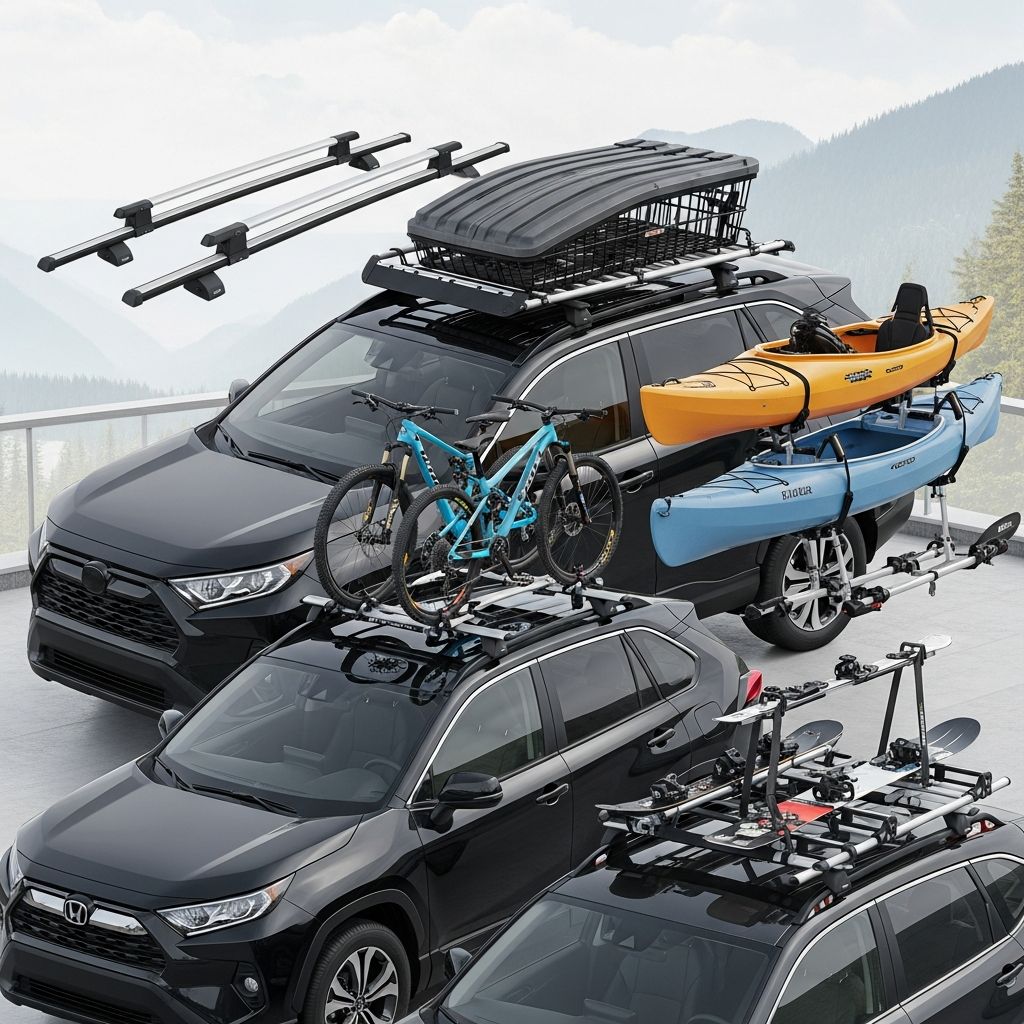
Whether you’re planning a weekend camping adventure or need extra storage for daily commuting, understanding your vehicle’s roof configuration is essential for safe and effective cargo transport. Roof rail systems form the foundation of any roof-mounted cargo solution, yet many vehicle owners remain unclear about which type they have and what options are available. This guide examines the various roof rail designs, their advantages, and how to select the ideal rack system for your specific needs.
Understanding Your Vehicle’s Roof Configuration
Vehicles come equipped with different roof designs, each offering distinct advantages and compatibility requirements. Your roof type directly determines which rack systems you can safely install and how much cargo capacity you’ll achieve. Before purchasing any roof rack equipment, identifying your specific roof configuration is the critical first step.
The roof of your vehicle serves as the mounting foundation for cargo systems. Factory engineers design roof structures to accommodate specific attachment methods, and using incompatible systems can result in poor installation, reduced safety, and potential damage to your vehicle.
Raised Rail Systems: Maximum Versatility
Raised roof rails represent the most common configuration on modern vehicles. These factory-installed components run lengthwise along your car’s roofline and extend upward from the surface, creating obvious attachment points for crossbars and rack equipment.
How Raised Rails Work
The raised design positions the rails at a distance from the roof surface, allowing crossbars to slide into slots or mounting points along the rail length. This elevation provides natural space for installation without requiring modifications to your vehicle.
Key Advantages
- Compatible with extensive range of aftermarket crossbars and accessories
- Installation typically requires no tools or minimal hardware
- Visual design clearly indicates mounting locations
- Supports various attachment methods including sliding feet and foot packs
- Generally accommodates higher weight capacities
Installation Considerations
Most raised rail systems allow you to position crossbars at different points along the rails, offering flexibility for different cargo types. The elevated design also helps with aerodynamics compared to some alternative systems, though wind noise may still occur depending on crossbar design.
Flush Rail Systems: Contemporary Styling
Newer vehicle models increasingly feature flush roof rails that integrate seamlessly into the overall roofline design. These rails sit closer to the roof surface while maintaining secure mounting capabilities through integrated slots or channels.
Design Features
Flush rails maintain a sleek profile that enhances vehicle aesthetics and reduces aerodynamic drag. The streamlined appearance appeals to owners who prioritize visual integration with their vehicle’s modern styling. Small gaps or channels embedded in the rail structure provide attachment points for specialized crossbars.
Performance Benefits
- Improved fuel efficiency due to reduced wind resistance
- Lower noise levels during highway travel
- Enhanced visual appeal and modern appearance
- Better rain water management along the roofline
- Maintains vehicle’s intended design aesthetic
Compatibility Requirements
Flush rail systems require crossbars and attachments specifically engineered for their design. Generic or universal systems designed for raised rails won’t provide adequate fit or security. Always verify compatibility before purchasing accessories for flush rail vehicles.
Fixed-Point Mounting Systems
Some vehicles utilize fixed mounting points rather than continuous rails. These designated attachment locations, typically concealed under plastic covers, provide secure anchoring for roof rack towers and feet.
Where Fixed Points Are Found
Sedans, compact vehicles, and certain SUV models commonly employ fixed-point systems. The engineering allows manufacturers to offer roof rack compatibility while maintaining a cleaner roofline appearance when no cargo system is installed.
Installation Process
Installation involves removing plastic covers to expose the mounting points, then securing specialized feet or towers designed for that specific roof configuration. The process demands precision alignment to ensure even weight distribution and secure attachment.
Load Capacity Advantages
- Points engineered to handle concentrated loads
- Structural reinforcement beneath mounting areas
- Often supports higher weight per attachment point
- Stable platform for heavy cargo boxes or equipment
Bare Roof Options: Clamping Solutions
Vehicles without any factory-installed rails or mounting points require alternative installation approaches. Clamp-based systems secure directly to the vehicle’s body, typically gripping the door frame or roof edges.
How Clamp Systems Function
Clamp-style racks use adjustable feet that tighten around structural elements of your vehicle, distributing pressure across the attachment area. Proper installation ensures the clamps grip securely without damaging painted surfaces or rubber trim.
Installation Flexibility
Clamp systems offer portability—you can install and remove them without tools or permanent modifications. This makes them ideal for rental vehicles or situations where you only occasionally need roof cargo capacity.
Performance Considerations
- Typically lighter-duty than rail-based systems
- Weight capacity depends on clamping mechanism design
- May create slight vibration at highway speeds
- Requires periodic tightening to maintain security
- Installation takes 10-15 minutes typically
Rain Gutter Design: Traditional Approach
Older vehicles and some commercial models feature traditional rain gutters along roof edges. These channels offer natural mounting locations for specialized clamp systems.
Structural Advantages
Rain gutters provide robust attachment points with excellent load-bearing capacity. The continuous channel distributes weight across a wider area than individual fixed points, reducing stress on any single location.
Specialized Rack Requirements
Gutter-specific racks feature clamps engineered to grip the gutter profile securely. Universal systems won’t perform reliably on gutter roofs, so matching the correct equipment is essential.
T-Slot Systems: Premium Load Capacity
Certain SUVs and trucks feature integrated T-slot aluminum channels across the roof or bed area. These slots accept specially-designed bars and mounts that slide along the length, allowing tool-free positioning adjustments.
Flexibility and Customization
T-slot systems excel at accommodating various attachment configurations. You can adjust positions without removing components, making them ideal if you frequently change cargo types or rearrange equipment placement.
Heavy-Duty Applications
- Excellent for consistently heavy loads
- Aluminum construction provides durability with minimal weight
- Support for large cargo baskets and boxes
- Ideal for off-road applications
- Professional-grade load capacity
Selecting the Right Rack System for Your Needs
Assessing Your Usage Patterns
How you plan to use your roof rack significantly impacts which system suits you best. Casual users transporting seasonal items occasionally have different requirements than those using racks for regular work transportation or adventure sports.
Cargo Type Considerations
Different cargo demands specific rack designs. Transporting bicycles requires different securing points than cargo boxes. Kayaks and canoes need specific mounting hardware. Consider both current and anticipated future cargo needs when evaluating options.
Budget Factors
All-metal rack systems provide superior durability but command higher prices than plastic composite designs. Budget racks offer adequate performance for light, infrequent use, while serious users benefit from investing in premium systems. Off-road driving specifically demands more durable construction to withstand rough terrain stress.
Vehicle-Specific Compatibility
| Roof Type | Compatible Systems | Installation Complexity | Load Capacity |
|---|---|---|---|
| Raised Rails | Universal crossbars, sliding feet, specialty attachments | Tool-free typically | High (100+ lbs) |
| Flush Rails | Specialized flush-rail compatible crossbars only | Tool-free typically | High (100+ lbs) |
| Fixed Points | Point-specific tower feet, cargo boxes | Moderate (basic tools) | Very High (150+ lbs) |
| Bare Roof | Clamp-based systems | Tool-free (10-15 min) | Moderate (50-100 lbs) |
| Rain Gutters | Gutter-clamp specific systems | Tool-free typically | High (100+ lbs) |
| T-Slot | T-slot bars, adjustable mounts | Tool-free positioning | Very High (150+ lbs) |
Performance and Safety Implications
Aerodynamic Impact
Roof-mounted cargo creates wind resistance that reduces fuel economy and increases road noise. Flush rail and streamlined designs minimize this effect compared to raised systems. For frequent drivers, the aerodynamic efficiency of your chosen system affects operating costs.
Weight Distribution
Properly installed roof racks distribute cargo weight across multiple attachment points, maintaining your vehicle’s center of gravity. This balanced weight distribution improves handling, reduces rollover risk, and prevents suspension strain.
Interior Space Benefits
Moving bulky items from the passenger compartment to the roof creates more interior space, improving comfort for passengers and reducing obstructed sightlines that could pose safety hazards.
Common Accessories and Attachments
Once you’ve selected your base rack system, numerous specialized attachments extend functionality:
- Cargo boxes: Weatherproof storage for luggage and equipment
- Bike racks: Secure mounting for bicycles with multiple wheel configurations
- Ski/snowboard racks: Specialized holders for winter sports equipment
- Kayak carriers: J-shaped or saddle mounts for water sports gear
- Roof baskets: Open-grid designs for loose items or oversized cargo
- Cargo nets: Retention systems for irregular shapes
- Solar panel mounts: Professional installations for mobile power
Installation and Maintenance Best Practices
Pre-Installation Checklist
- Verify your specific roof type and any hidden attachment points
- Clean mounting areas of debris and dust
- Gather all required hardware and tools
- Read manufacturer instructions completely before starting
- Inspect for any roof damage or areas requiring repair
Ongoing Maintenance
Regular maintenance extends rack lifespan and ensures safety. Periodically tighten fasteners, especially after highway driving. Inspect rubber contacts for degradation and replace if worn. Clean salt residue in winter climates to prevent corrosion.
Seasonal Considerations
Remove racks during winter if not in use to reduce stress from snow and ice loading. If keeping racks installed, brush snow off regularly to minimize weight accumulation. In all seasons, verify weight limits aren’t exceeded—a loaded cargo box plus equipment can quickly approach or exceed capacity.
Frequently Asked Questions
Can I install aftermarket rails on a vehicle without factory rails?
Yes, but it requires professional installation on most vehicles. Aftermarket raised rails must be welded or bolted to the roof structure, a complex process best left to specialists who understand your vehicle’s specific construction.
What’s the maximum weight I can safely carry?
Weight limits vary by vehicle and rack system. Check your vehicle’s owner manual for roof load capacity, then verify the specific rack system’s rating. Never combine weights exceeding the lower of these two limits. Most passenger vehicles support 100-150 pounds maximum.
Will a roof rack damage my vehicle’s paint?
Properly installed racks don’t damage paint. Use protective pads where equipment contacts the roof. Clamp-based systems require rubber or foam contacts to prevent surface damage. Inspect regularly for any paint abrasion.
How much does fuel economy decrease with a roof rack?
Empty racks create minimal impact—typically 2-5 percent reduction. Loaded racks increase drag significantly, potentially reducing economy 10-25 percent depending on cargo shape and aerodynamics. Flush rail systems minimize this impact compared to raised designs.
Are roof racks compatible across different vehicle brands?
Rarely. Most aftermarket racks are model-specific to ensure proper fit and safety. Cross-brand compatibility is uncommon, so always verify your specific vehicle year, make, and model when purchasing.
Making Your Decision
Selecting appropriate roof rail equipment involves understanding your vehicle’s configuration, evaluating your cargo needs, and matching those requirements with compatible systems. Raised rail vehicles enjoy maximum accessory variety and ease of installation. Flush rail owners benefit from contemporary styling with slight aerodynamic advantages. Fixed-point vehicles offer excellent load capacity for serious cargo needs. Bare roof and gutter vehicles have more limited options but still can achieve effective cargo transport with proper clamping systems.
Your investment in the correct roof rail and rack system pays dividends in convenience, safety, and vehicle longevity. Take time to identify your roof type, research compatible options, and select equipment rated for your intended uses. Quality systems installed correctly provide years of reliable service.
References
- Roof Rack Buying Guide — Rhino-Rack USA. Accessed February 2026. https://www.rhinorack.com/en-us/buying-guide/roof-rack-buying-guide
- 7 Benefits of Adding a Roof Rack To Your Car for Long Road Trips — Packasport. https://www.packasport.com/blogs/news/7-benefits-of-installing-a-car-roof-for-long-road-trips
- A Guide to Car Roof Types for Roof Racks: Which One Fits Your Needs — PAW Auto. https://pawauto.com/blogs/roof-rack-rail/a-guide-to-car-roof-types-for-roof-racks-which-one-fits-your-needs
- How To Choose the Right Roof Rack for Your Vehicle — Public Lands. https://www.publiclands.com/blog/a/how-to-choose-a-roof-rack
Similar Articles








Read full bio of Sneha Tete