Roof Leaks and Home Insurance Coverage
Discover when your homeowners policy covers roof leaks from storms versus wear, plus tips to protect your home and simplify claims.

Roof leaks pose a significant risk to homeowners, potentially leading to extensive water damage if not addressed promptly. Standard homeowners insurance policies typically cover repairs for leaks resulting from sudden, accidental events such as severe weather, but they exclude damage from gradual deterioration or poor upkeep. Understanding these distinctions is crucial for effective financial protection.
Core Principles of Coverage for Roof Damage
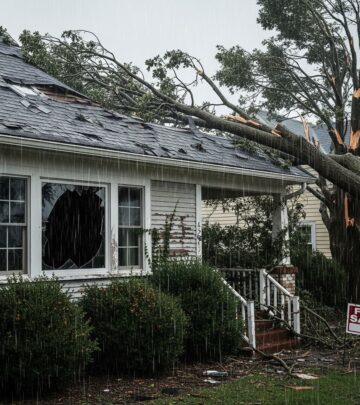
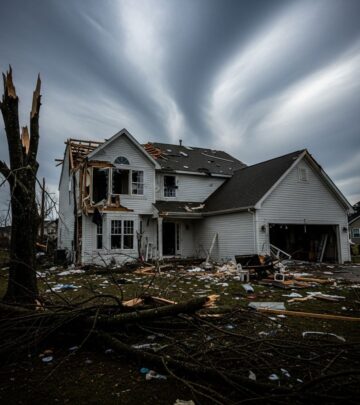
Homeowners policies, particularly HO-3 and HO-5 types, protect the dwelling—including the roof—against a defined list of perils. Coverage applies when a leak stems from an abrupt incident rather than ongoing issues. For instance, if high winds dislodge shingles during a storm, allowing rain to penetrate, insurers generally approve claims for repairs after subtracting the deductible.
Dwelling coverage (often labeled Coverage A) funds structural fixes, encompassing shingles, underlayment, and flashing. Limits vary by policy, but they cap payouts based on the home’s insured value. Personal property coverage may extend to items ruined by the ensuing water, like attic insulation or stored goods, while loss of use provisions could reimburse temporary housing if repairs displace you.
Common Perils That Trigger Coverage
Several weather-related and accidental events qualify as covered perils under most policies. These include:
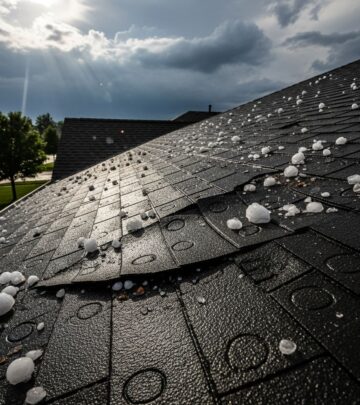
- Hail impacts: Stones can crack or bruise shingles, creating entry points for water during subsequent rain.
- Windstorms: Gusts exceeding policy thresholds may rip off materials or create gaps.
- Accumulated ice or snow weight: Heavy loads can cause sagging or collapse, leading to leaks.
- Falling objects: Limbs, trees, or debris from nearby structures crashing down.
- Fire or lightning: These can scorch or puncture roofing, with firefighting water exacerbating intrusion.
Policies often specify wind or hail deductibles, which might be 1-2% of the dwelling value, higher than standard ones. Always review your declarations page for these details.
Exclusions: When Insurance Won’t Pay
Not all leaks qualify for reimbursement. Insurers consistently deny claims for:
- Wear and tear: Aging materials naturally degrade over 20-30 years, cracking or curling without external force.
- Neglect or poor maintenance: Failing to clear gutters or trim overhanging branches voids coverage.
- Animal damage: Squirrels, birds, or rodents chewing through membranes.
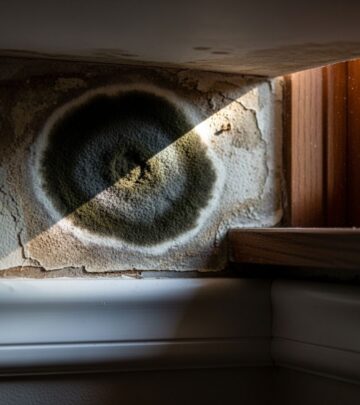
- Rot or mold from prolonged exposure: Slow seepage over time doesn’t count as sudden.
- Earth movement or floods: These require separate policies.
A table summarizing coverage scenarios can clarify:
| Scenario | Covered? | Reason |
|---|---|---|
| Storm wind removes shingles | Yes | Sudden peril |
| Shingles curl from 25-year age | No | Wear and tear |
| Tree falls during hurricane | Yes | Falling object |
| Unchecked gutter overflow | No | Neglect |
| Hail dents in spring storm | Yes | Covered weather |
Interior Water Damage and Secondary Effects
Once water breaches the roof, it can soak ceilings, walls, insulation, and floors. If the originating leak qualifies, insurers cover these repairs under dwelling or other structures coverage. Personal property handles ruined belongings, often at replacement cost if endorsed.
Mold growth from leaks covered by perils may also be remediated, but only up to policy limits—typically $10,000-$50,000. Prompt drying within 48 hours minimizes claims denial risks, as delays suggest neglect.
Navigating the Claims Process Step-by-Step
Filing effectively boosts approval odds:
- Document immediately: Photograph damage inside and out, noting weather conditions.
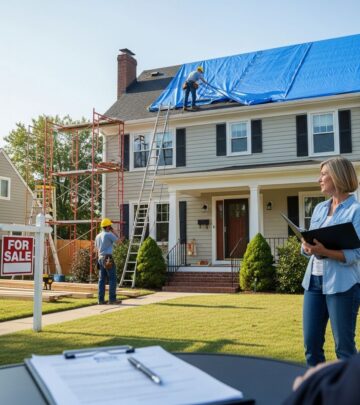
- Mitigate further harm: Tarp the roof temporarily; insurers expect this to prevent escalation.
- Contact your agent: Report within policy timelines, usually 1 year.
- Obtain adjuster inspection: They assess causation—sudden vs. gradual.
- Review settlement: Actual cash value pays first (depreciated); replacement cost follows completion proof.
Disputes arise if adjusters attribute leaks to wear. Hire a public adjuster or roofer for a second opinion, but expect fees of 10% of payout.
Preventive Measures to Safeguard Your Roof
Proactive care reduces claims and premiums:
- Annual professional inspections, especially post-storm.
- Trim trees 10+ feet from eaves.
- Clean gutters biannually to avert ice dams.
- Choose impact-resistant shingles in hail zones for discounts.
- Consider extended warranties for premium roofs.
States like Texas or Florida mandate wind mitigation features for lower rates.
Policy Options and Endorsements for Enhanced Protection
Standard coverage suffices for many, but add-ons help:
- Replacement cost value: Avoids depreciation on roofs over 10 years old.
- Ordinance/law: Covers code upgrades during rebuilds.
- Water backup: For interior pooling not from roof.
HO-5 policies offer broader open-peril protection for roofs.
Frequently Asked Questions
Will insurance cover a full roof replacement?
Yes, if damage from a covered peril exceeds repair viability (e.g., 60%+ affected), but payouts match policy limits minus deductible.
How much does a typical claim pay?
Averages $10,000-$15,000 for moderate leaks, varying by extent and location.
Does age affect coverage?
Policies cap at actual cash value for older roofs unless upgraded to replacement cost.
Are DIY fixes reimbursable?
Only if documented and reasonable; professionals preferred for claims.
What if multiple leaks appear?
Separate sudden ones may cover; clustered wear won’t.
Choosing the Right Coverage in High-Risk Areas
In regions prone to hurricanes or blizzards, opt for policies with robust wind/hail deductibles and service line protections. Shop annually, as rates fluctuate with climate data. Bundling auto saves 10-25%.
Ultimately, pairing solid insurance with vigilant maintenance ensures resilience against roof threats. Consult your agent for personalized advice.
References
- Does Homeowners Insurance Cover Roof Leaks? — Progressive. 2024. https://www.progressive.com/answers/does-home-insurance-cover-roof-leaks/
- Does Homeowners Insurance Cover Roof Leaks? — Bankrate. 2024. https://www.bankrate.com/insurance/homeowners-insurance/does-homeowners-insurance-cover-roof-leaks/
- Does Homeowners Insurance Cover Roof Leaks? — GEICO. 2024. https://www.geico.com/information/aboutinsurance/homeowners/does-homeowners-insurance-cover-roof-leaks/
- Does homeowners insurance cover roof leaks? — NerdWallet. 2024. https://www.nerdwallet.com/insurance/homeowners/learn/does-homeowners-insurance-cover-roof-leaks
- Does Homeowners Insurance Cover Roof Leaks? — Home Genius Exteriors. 2024. https://homegeniusexteriors.com/genius-blog/does-homeowners-insurance-cover-roof-leaks/
- Is That Leak in Your Roof Covered by Insurance? — Winters Financial. 2024. https://wintersfinancial.com/blog/is-that-leak-in-your-roof-covered-by-insurance/
- Does Homeowners Insurance Cover Roof Repairs? — Allstate. 2024. https://www.allstate.com/resources/home-insurance/roof-leaks-cover-damage
- Does Homeowners Insurance Cover Roof Leaks? — The Hartford. 2024. https://www.thehartford.com/aarp/homeowners-insurance/roof-leaks
Similar Articles








Read full bio of Sneha Tete