Robber Barons: Definition, History & Impact
Explore the rise of Gilded Age industrialists who built empires through monopolies and shaped modern capitalism.
What Are Robber Barons?
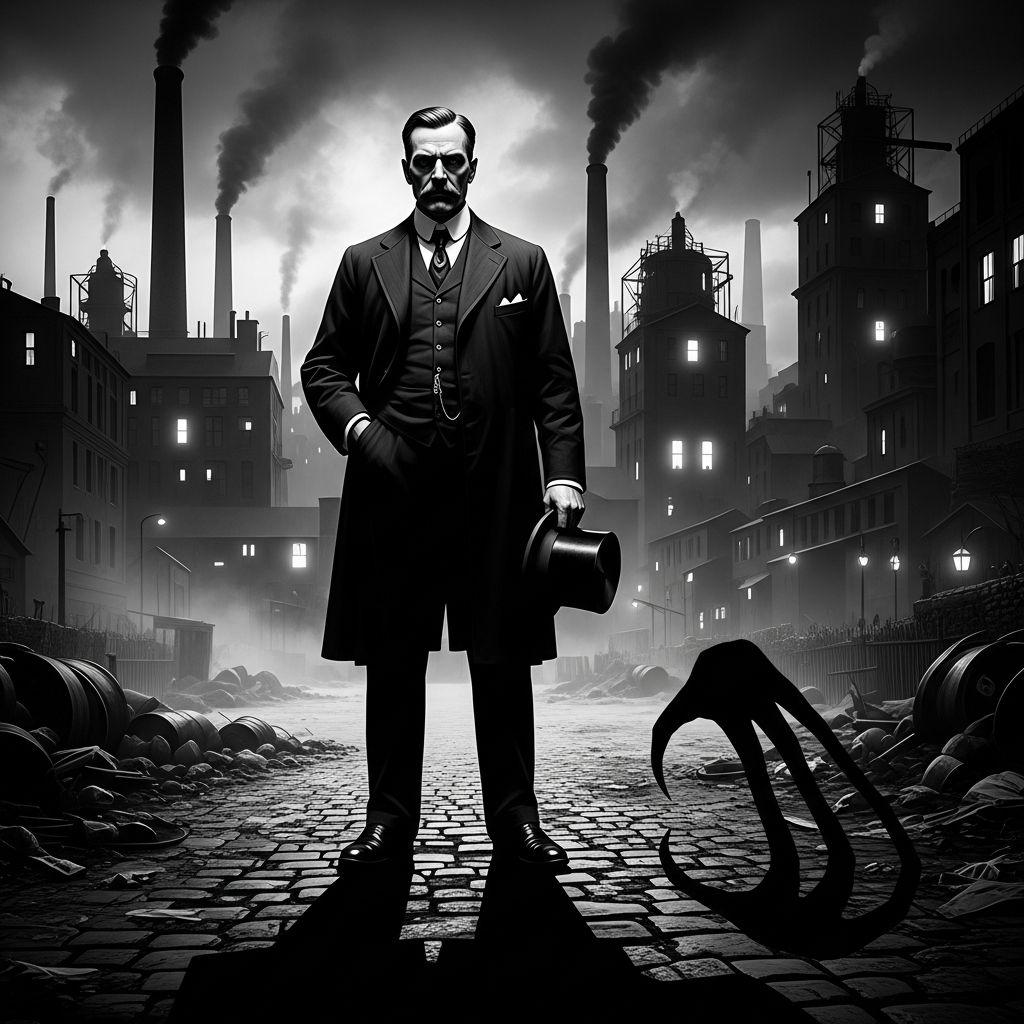
Robber barons were powerful American industrialists and financiers who amassed enormous wealth and influence during the late 19th century, particularly during the Gilded Age spanning approximately 1870 to 1900. The term carries distinctly negative connotations and compares these business leaders to medieval feudal lords who extracted tolls from passing merchants by strategically controlling roads and bridges. These individuals built massive business empires through practices that often included monopolistic tactics, worker exploitation, corruption of government officials, and the ruthless elimination of competition by any means necessary.
While these industrial titans contributed significantly to American economic development and industrial growth, their methods and the extreme wealth inequality they fostered prompted widespread criticism. Their activities eventually led to government regulation of business practices and the implementation of antitrust laws designed to prevent monopolistic behavior.
The Origin and Context of Robber Barons
The term “robber baron” first appeared in social criticism during the 19th century, with muckrakers and social critics employing it to describe unethical businessmen. The metaphor appeared as early as February 1859 in The New York Times when characterizing the business practices of Cornelius Vanderbilt. By the late 19th century, the term was typically applied to businessmen who used exploitative practices to accumulate their wealth.
The emergence of robber barons coincided with America’s rapid industrialization following the Civil War. Several crucial factors created the perfect environment for these business titans to flourish:
- The expansion of railroads across the continent
- Abundant natural resources waiting to be exploited
- Waves of immigration providing cheap labor sources
- Limited government regulation of business activities
- New technologies enabling mass production
- Growing consumer markets across the nation
During this transformative period, the American economy shifted from primarily agricultural to industrial. The government generally followed a laissez-faire approach to business, with policies favoring industrial growth over worker protection or prevention of monopolies. The political philosophy of Social Darwinism, which applied Darwin’s “survival of the fittest” concept to human society, was used to justify the extreme wealth inequality that developed.
Key Characteristics and Tactics
Robber barons employed multiple sophisticated tactics to establish and maintain their monopolies over entire industries. Understanding these methods reveals how they accumulated such extraordinary wealth and power.
Predatory Pricing
One of the most effective tactics involved predatory pricing—temporarily lowering prices below production costs to drive competitors out of business, then raising prices once competition was eliminated. John D. Rockefeller’s Standard Oil was particularly notorious for employing this practice effectively.
Railroad Negotiations
Robber barons negotiated preferential deals with railroads, securing lower shipping rates than their competitors, which created insurmountable advantages. This practice was especially crucial for industries dependent on transportation and logistics.
Strategic Acquisitions
These industrialists engaged in strategic acquisitions, buying out competitors or forcing them to sell through economic pressure. They manipulated stock prices, bribed government officials to secure favorable legislation, and created complex business structures like trusts to centralize control while appearing to maintain separate companies.
Market Manipulation
Additional tactics included unfettered consumption and destruction of natural resources, influencing high levels of government, wage slavery conditions for workers, and squashing competition through various means to create monopolies and trusts that controlled entire markets.
Famous Robber Barons and Their Empires
Several individuals exemplify the robber baron archetype, each dominating particular industries and employing similar tactics to eliminate competition and maximize profits.
John D. Rockefeller and Standard Oil
John D. Rockefeller built Standard Oil into the world’s largest oil refining company, controlling approximately 90% of American oil production by the 1880s. His tactics included forcing railroads to give him preferential rates while charging his competitors more. He temporarily lowered prices to drive competitors out of business and then raised prices once competition was eliminated. Despite these ruthless business practices, Rockefeller later became one of America’s greatest philanthropists, establishing the Rockefeller Foundation.
Cornelius Vanderbilt
Cornelius Vanderbilt built his empire primarily in railroads and shipping. He earned his robber baron designation through aggressive business practices and competitive strategies. As a challenger and spoiler to established monopolists, Vanderbilt preyed upon companies like Pacific Mail, which had total market control of sea lanes to California.
Andrew Carnegie
Andrew Carnegie dominated the steel industry, building an empire that made him one of the wealthiest men in America. Like other robber barons, Carnegie used ruthless business tactics to consolidate control over steel production, though he also became known for extensive philanthropic activities later in life.
J.P. Morgan
J.P. Morgan controlled banking and finance, wielding enormous influence over American industry and politics. He orchestrated numerous mergers and acquisitions, effectively reshaping entire industries through financial manipulation and strategic partnerships.
Government’s Role in Enabling Robber Barons
The government initially actively enabled robber barons through policies that favored industrial growth with minimal oversight. Several key governmental actions facilitated their rise:
- Provided enormous land grants and subsidies to railroad companies
- Offered high protective tariffs shielding American industries from foreign competition
- Maintained a hands-off approach to business regulation
- Allowed politicians influenced by campaign contributions or bribes from industrialists to enact favorable legislation
- Permitted courts to interpret laws favoring business interests over workers or consumers
Many politicians were directly influenced by these wealthy industrialists through campaign contributions or outright bribes, allowing business interests to shape legislation that favored their continued growth and limited their accountability.
Robber Barons vs. Captains of Industry
A significant historical debate exists regarding whether these industrialists should be called “robber barons” or “captains of industry.” The distinction reflects different perspectives on their contributions and methods:
| Aspect | Robber Barons | Captains of Industry |
|---|---|---|
| Methods | Unethical, exploitative, and often illegal | Innovative and market-driven |
| Worker Treatment | Wage slavery and harsh conditions | Provided employment opportunities |
| Philanthropy | Limited, often reputational repair | Extensive social contributions |
| Business Practices | Monopolistic and anti-competitive | Efficiency and productivity focused |
| Economic Impact | Concentrated wealth and inequality | Created value and jobs |
Social and Economic Impact
The rise of robber barons had profound and lasting effects on American society and economics.
Wealth Inequality
The extreme concentration of wealth during this period established patterns of inequality that continue to resonate in American society today. The robber barons demonstrated both the potential for vast wealth creation in capitalism and the social problems that can arise when wealth becomes highly concentrated.
Industrial Transformation
These industrialists fundamentally transformed the American economy from agricultural to industrial, creating the infrastructure and business structures that define modern capitalism. Their innovations in business organization and scale had lasting effects on corporate structure and management practices.
Political Corruption
The robber barons’ ability to corrupt government officials and shape legislation revealed vulnerabilities in democratic institutions. This led to progressive reforms and the implementation of campaign finance limitations.
Legacy and Modern Parallels
The robber baron era eventually ended with government intervention, antitrust legislation, and progressive reforms during the early 20th century. However, their legacy continues to influence debates about wealth concentration, monopoly power, and corporate governance.
Modern Tech Billionaires
Modern tech billionaires share several characteristics with historical robber barons. They have amassed enormous wealth rapidly, built dominant companies that approach monopoly status in their sectors, and wield significant influence over society and politics. Like their historical counterparts, they have revolutionized industries and created products that transformed daily life. Both groups have also engaged in philanthropy, establishing foundations to address social problems.
Contemporary Warnings
In his presidential farewell address, U.S. President Joe Biden invoked the term “robber baron” to caution against the growing influence of concentrated wealth and power in American society, warning that these developments could signal a shift toward oligarchy.
Historiographical Perspectives
Historians have offered varying interpretations of robber barons and their significance. Historian T.J. Stiles describes how the metaphor “conjures up visions of titanic monopolists who crushed competitors, rigged markets, and corrupted government. In their greed and power, legend has it, they held sway over a helpless democracy.”
Conversely, conservative historian Burton W. Folsom Jr. argues that robber barons were either political entrepreneurs who lobby government for subsidies and monopoly rights, or market entrepreneurs who innovate and reduce costs to provide the best good or service at the lowest price.
Matthew Josephson further popularized the robber baron concept during the Great Depression in his 1934 book, viewing them like medieval German princes who amassed huge fortunes immorally and unjustly.
Frequently Asked Questions
Q: Who were the most famous robber barons?
A: The most prominent robber barons included John D. Rockefeller (oil), Andrew Carnegie (steel), Cornelius Vanderbilt (railroads), and J.P. Morgan (banking and finance). Each dominated their respective industry during the Gilded Age.
Q: How did robber barons maintain their monopolies?
A: They employed predatory pricing, secured preferential railroad rates, manipulated stock prices, bribed government officials, and used strategic acquisitions to eliminate competitors and centralize control over entire industries.
Q: What is the difference between robber barons and captains of industry?
A: Robber barons used unethical and exploitative methods with little concern for workers or society, while captains of industry are portrayed as innovative entrepreneurs who created jobs and wealth while engaging in extensive philanthropy.
Q: When did the robber baron era end?
A: The robber baron era gradually declined in the early 20th century due to antitrust legislation, progressive reforms, and increased government regulation of business practices, particularly following the Sherman Antitrust Act of 1890.
Q: Are modern billionaires comparable to historical robber barons?
A: Modern tech billionaires share similarities with historical robber barons, including rapid wealth accumulation, monopoly-like market dominance, and significant influence over society and politics, though operating within different regulatory frameworks.
References
- Robber Barons Definition, Significance & Examples — Study.com. 2024. https://study.com/academy/lesson/robber-barons-definition-significance-examples.html
- Robber baron (industrialist) — Wikipedia. 2024. https://en.wikipedia.org/wiki/Robber_baron_(industrialist)
- Gilded Age Robber Barons — Students of History. 2024. https://www.studentsofhistory.com/gilded-age-robber-barons
- Robber Barons or Captains of Industry? — Gilder Lehrman Institute. 2024. https://www.gilderlehrman.org/history-resources/essays/robber-barons-or-captains-industry
- America’s Gilded Age: Robber Barons and Captains of Industry — Maryville University. 2024. https://online.maryville.edu/business-degrees/americas-gilded-age/
Similar Articles








Read full bio of medha deb