The Roaring Twenties: Economic Boom and Cultural Revolution
Discover the decade of prosperity, jazz, and social change that defined modern America.
The Roaring Twenties: A Decade of Transformation
The Roaring Twenties, also known as the Jazz Age or the 1920s, represents one of the most dynamic and transformative periods in American history. This extraordinary decade emerged directly after the devastation of World War I, bringing with it an unprecedented spirit of optimism, economic prosperity, and cultural experimentation. The United States and other Western nations experienced rapid social and cultural change, driven by technological innovation, shifting social values, and a collective desire to leave behind the trauma of war. The term ”Roaring” itself captures the exuberant energy of the period, reflecting both the literal roar of jazz music filling dance halls and the symbolic thunder of an economy in full expansion.
The 1920s stood in stark contrast to the historical crises surrounding it—the devastation of World War I (1914-1918) on one side and the crushing Great Depression (1929-1939) on the other. This unique positioning allowed the decade to flourish as a golden age of unprecedented prosperity and cultural advancement. From the financial districts of Wall Street to the jazz clubs of New Orleans and Chicago, from the silent movie theaters of Los Angeles to the speakeasies tucked behind unmarked doors across America, the Roaring Twenties embodied a profound break from the past and a bold step toward modernity.
Economic Prosperity and Industrial Growth
The economic foundation of the Roaring Twenties rested on several key factors. Following World War I, the United States had emerged as a creditor nation rather than a debtor, and American industries had largely escaped the physical devastation that ravaged European manufacturing centers. The federal government, under Presidents Warren G. Harding (1921-1923) and Calvin Coolidge (1923-1929), adopted laissez-faire economic policies that encouraged business expansion and private investment. This hands-off approach to regulation created an environment where entrepreneurs and corporations could flourish.
Between 1922 and 1929, the country’s real gross national product increased by nearly 40 percent, demonstrating the robustness of economic expansion. Unemployment remained low throughout most of the decade, and consumer confidence reached unprecedented heights. The mechanization of manufacturing played a crucial role in this growth, with horsepower per wage earner in manufacturing skyrocketing by 50 percent between 1919 and 1929, signaling a wave of mechanization that increased productivity by 72 percent in manufacturing, 33 percent in railroads, and 41 percent in mining.
This economic boom benefited from several concurrent developments: recovery from wartime devastation, deferred consumer spending that had been suppressed during the war years, a construction boom as American cities expanded rapidly, and the explosive growth of consumer goods industries. Banks and investors, flush with capital, were eager to invest in new ventures and expand existing operations, fueling what many at the time believed would be endless prosperity.
The Automobile Revolution and Consumer Culture
Perhaps no single factor shaped the Roaring Twenties more profoundly than the automobile. The number of passenger cars more than tripled during the 1920s, fundamentally transforming American society and economy. This explosive growth in automobile ownership created ripple effects throughout the economy, stimulating the expansion of transportation infrastructure, the oil and gas industries, and numerous ancillary businesses.
The automobile’s dominance led to a new psychology celebrating mobility and freedom. Cars and trucks required road construction, new bridges, and regular highway maintenance, largely funded by local and state governments through gasoline taxes. Farmers became early adopters, using pickup trucks to haul people, supplies, and animals. New industries emerged to manufacture tires and glass, refine fuel, and service and repair millions of vehicles. Franchise dealerships became prime movers in local business communities, while tourism experienced an enormous boost as hotels, restaurants, and curio shops proliferated across the country.
The automobile represented more than mere transportation; it symbolized American progress, freedom, and the consumer culture that increasingly defined the decade. Young people used cars as venues for socializing, dating, and independence, further reinforcing their cultural significance.
Technological Innovation and Modern Conveniences
The 1920s witnessed the large-scale development and use of transformative technologies that would reshape daily life. Automobiles, telephones, films, radio, and electrical appliances became integrated into the lives of millions across the Western world. Electric lighting transformed homes and workplaces, allowing for extended productive hours. Refrigerators began replacing iceboxes, improving food preservation. Radio emerged as a powerful medium for entertainment, news, and advertising, bringing national culture into homes across America.
Aviation emerged as a new industry due to its rapid growth, capturing public imagination and representing the future of transportation. The development of motion pictures, particularly the transition from silent films to talking pictures with sound technology, revolutionized entertainment and created an entirely new industry that employed hundreds of thousands of workers and captivated audiences worldwide.
These technological advances created new industries, new jobs, and new consumer products that drove economic growth and raised living standards for millions of Americans. The technological optimism of the era fueled a broader cultural belief in progress and human capability.
Social and Cultural Transformation
The cultural landscape of the 1920s underwent profound changes, particularly regarding gender roles and social freedoms. Women’s suffrage became law with the passage of the Nineteenth Amendment in 1920, giving women the right to vote for the first time in American history. This political victory culminated decades of activism by a powerful women’s movement.
Beyond voting rights, women’s social and economic positions shifted dramatically. Many women who had entered the workforce during World War I remained employed after the war’s conclusion, particularly as growing industrialization created expanded opportunities in factories, offices, and retail establishments. Young women employed in cities enjoyed unprecedented economic independence and could support themselves without relying on family or spouses.
The emergence of birth control methods, with the country’s first birth control clinic opening in 1916, provided women with greater sexual autonomy. Combined with increased access to education and employment, these developments enabled many young women to lead independent lives that would have been unimaginable to previous generations.
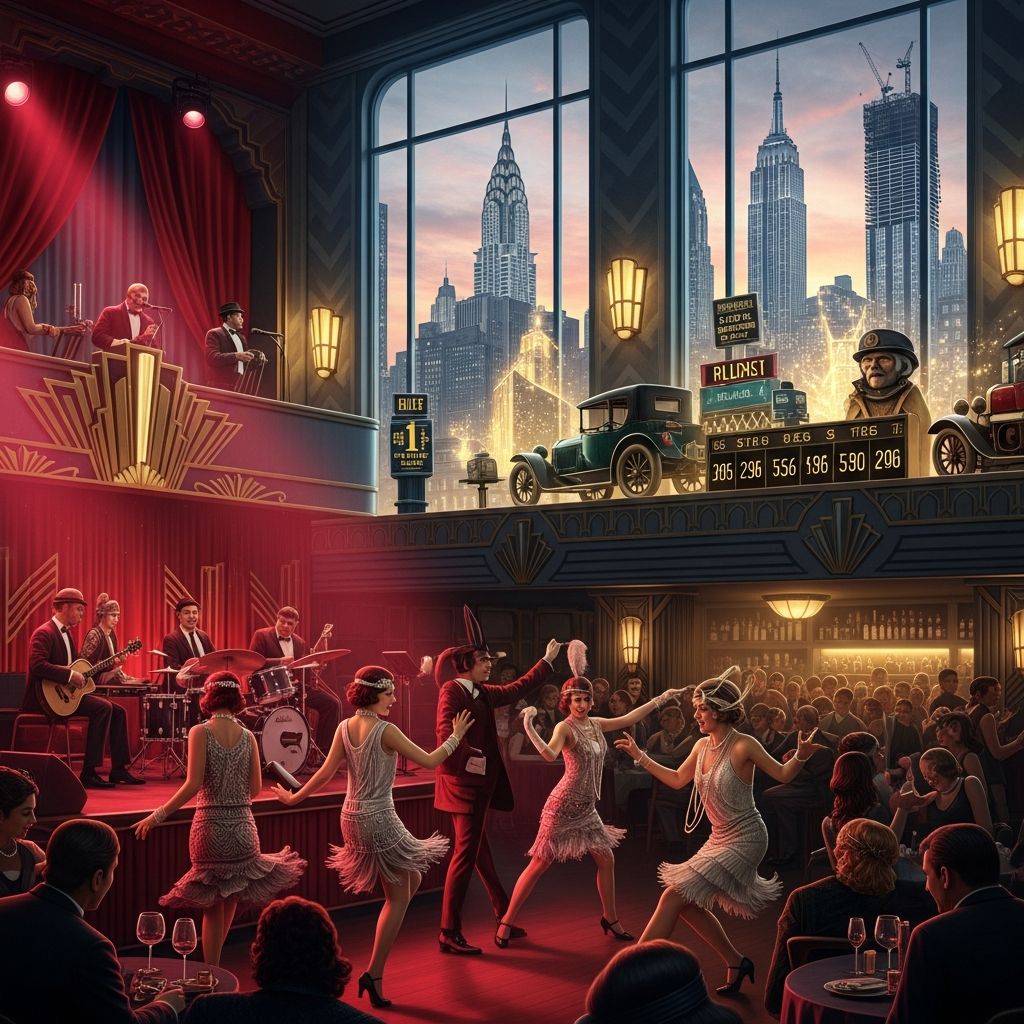
The flapper emerged as the most enduring symbol of the Roaring Twenties—the emancipated ”New Woman” who bobbed her hair, wore loose knee-length dresses that scandalized traditionalists, smoked and drank in public, and was more open about sexuality and romantic relationships. Flappers represented a radical departure from nineteenth-century notions of proper femininity, embodying the modern, liberated woman of the twentieth century.
The Jazz Age and Entertainment Revolution
The 1920s earned the designation ”Jazz Age” for good reason. Jazz music, born from African American roots in New Orleans and other cities, exploded in popularity during the decade, becoming the soundtrack of an era. F. Scott Fitzgerald, one of the decade’s greatest writers, coined the term ”Jazz Age” to describe the cultural energy and moral looseness he observed.
Dance clubs across America sponsored dancing contests where dancers invented, tried, and competed with new moves. Professionals honed their skills in tap dance and other dance styles throughout stage circuits across the country. The advent of talking pictures, or sound films, sparked a new craze for musicals, and film studios flooded the box office with extravagant and lavish musical productions.
The media, funded by the new industry of mass-market advertising, focused intensely on celebrities, especially sports heroes and movie stars. Cities rooted for their home teams, filling newly constructed palatial cinemas and gigantic sports stadiums. The 1920s was the breakout decade for sports across the modern world, with citizens from all parts of the country flocking to see top athletes compete. Legendary sports writers like Grantland Rice and Damon Runyon championed a new ”gee whiz” style of sports journalism that presented athletes as modern heroes.
Entertainment became a major industry, employing hundreds of thousands and generating enormous profits. The glamour and excitement of the Jazz Age permeated American culture, influencing fashion, music, literature, and social values.
Urban Growth and Demographic Shift
A fundamental transformation occurred during the 1920s: for the first time in American history, more people lived in cities than in rural areas or on farms. The 1920 U.S. census revealed that 51 percent of the population was urban, marking a watershed moment in American development. This urbanization trend accelerated due to industrial expansion and immigration, fundamentally changing American society and culture.
Cities became centers of innovation, entertainment, and economic opportunity. The concentration of population in urban areas stimulated demand for housing, infrastructure, and services. Department stores, office buildings, hotels, and entertainment venues transformed American cities into bustling centers of commerce and culture. This urban concentration also created new social tensions and challenges, as diverse populations with different traditions and values crowded into close proximity.
Prohibition and Organized Crime
One of the defining characteristics of the 1920s was Prohibition—the constitutional ban on the production, importation, and sale of alcoholic beverages. The Eighteenth Amendment and the associated Volstead Act made illegal the manufacture, import, and sale of beer, wine, and hard liquor. Though drinking itself was not technically illegal, the production and sale of alcohol were strictly prohibited.
Prohibition resulted from decades of activism by temperance movements, evangelical Protestant churches, and organizations like the Anti-Saloon League, who sought to reduce drunkenness, petty crime, domestic abuse, and corrupt saloon politics. However, the law had unintended consequences that would come to define much of the decade.
Because of widespread public opposition to Prohibition, particularly regarding alcohol, a massive economic opportunity was created for criminal enterprises. Organized crime blossomed during the 1920s, with bootleggers, smugglers, and criminal syndicates establishing elaborate networks to produce, distribute, and sell illegal alcohol. The American Mafia, in particular, grew powerful and wealthy during this period, establishing operations that extended far beyond alcohol into gambling, narcotics, and extortion.
Speakeasies—unmarked establishments serving alcohol illegally—proliferated in cities across America, becoming centers of social life and entertainment. The irony of Prohibition was that rather than eliminating alcohol consumption, it merely drove it underground, enriched criminal organizations, and created a parallel economy that undermined respect for law and order.
Social Contradictions and Cultural Conflicts
Despite the era’s exuberant optimism and prosperity, the 1920s were characterized by profound social contradictions. The decade that celebrated urbanism and modernism also witnessed the resurgence of the Ku Klux Klan, which experienced a dramatic revival and expanded its membership to millions. Nativism—a movement opposed to immigration and favoring native-born Americans—gained strength, leading to restrictive immigration legislation.
Religious fundamentalism grew as a reaction to modernism and scientific advancement, culminating in famous events like the Scopes Monkey Trial of 1925, which pitted evolution against creationism. America stood at a crossroads between innovation and tradition, with many Americans looking boldly ahead while others gazed backward to what they perceived as a fabled national innocence. This cultural tension defined much of the social and political discourse of the era.
Literary and Artistic Renaissance
The 1920s produced one of the greatest literary movements in American history. Writers like F. Scott Fitzgerald, Ernest Hemingway, Sinclair Lewis, and others created works that captured the spirit of the age while often critiquing its materialism and moral emptiness. Art, music, and literature flourished as never before, with the Harlem Renaissance particularly enriching American culture with African American artistic achievement.
The decade’s artists and writers were often expatriates living in Europe, particularly Paris, creating a vibrant international cultural scene. American culture exported itself globally, influencing European society and helping establish the United States as a cultural power.
The End of an Era: The Stock Market Crash
The prosperity of the Roaring Twenties proved to be built on increasingly unstable foundations. Stock market speculation reached fever pitch as Americans from all walks of life invested their savings in equities, often on margin (borrowing money to purchase stock). The market became detached from economic fundamentals as investors bought stocks based on hopes of continued price appreciation rather than rational valuation.
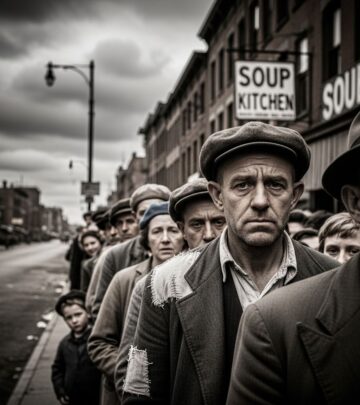
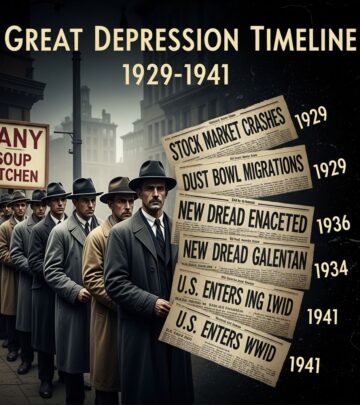
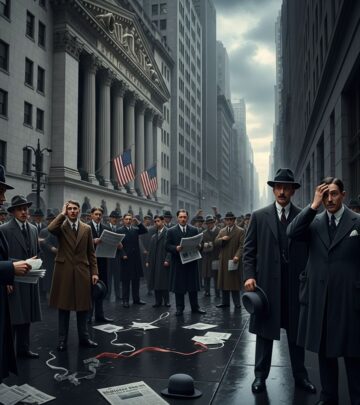
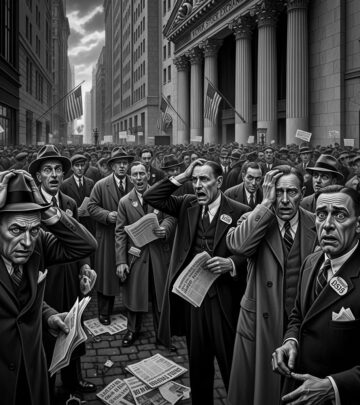
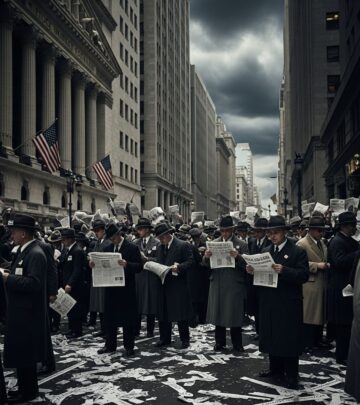
On October 29, 1929—Black Tuesday—the stock market crashed catastrophically. Billions of dollars in wealth evaporated in a matter of days. This crash triggered the Great Depression, which brought years of hardship worldwide and ended the prosperity and optimism that had defined the Roaring Twenties. The economic contraction was brutal, unemployment soared, and the confidence that had characterized the decade dissolved into despair.
Frequently Asked Questions
Q: Why are the 1920s called the Roaring Twenties?
A: The 1920s are called the Roaring Twenties because of the economic prosperity, rapid social and cultural change, and exuberant optimism that characterized the era, particularly in the United States and other Western countries following World War I.
Q: What technological innovations defined the 1920s?
A: Key technological innovations included the automobile (the number of passenger cars more than tripled), radio, talking motion pictures, electric appliances, telephones, and aviation. These technologies fundamentally transformed daily life and created new industries and employment opportunities.
Q: What was the flapper and why was she significant?
A: The flapper was the emancipated ”New Woman” of the 1920s who bobbed her hair, wore knee-length dresses, smoked and drank in public, and was more open about sexuality. She represented a radical departure from Victorian femininity and symbolized women’s newfound independence and freedoms.
Q: How did Prohibition affect the 1920s?
A: Prohibition, the constitutional ban on alcohol production and sale, was intended to reduce crime and social problems but instead created a massive illegal economy controlled by organized crime. Speakeasies proliferated, bootlegging became lucrative, and the Mafia expanded its power and influence.
Q: What caused the end of the Roaring Twenties?
A: The stock market crash of October 1929 (Black Tuesday) triggered the Great Depression, ending the decade’s prosperity. Unchecked speculation, buying on margin, and disconnection from economic fundamentals destabilized the market.
Q: How did women’s roles change in the 1920s?
A: Women gained the right to vote (19th Amendment, 1920), entered the workforce in greater numbers, achieved economic independence, and experienced greater sexual freedom through access to birth control. These changes represented a dramatic shift from nineteenth-century gender roles.
Q: What was the significance of urbanization in the 1920s?
A: The 1920 census revealed that more Americans lived in cities than rural areas for the first time ever (51 percent urban). This urbanization drove economic growth, created cultural vibrancy, and fundamentally transformed American society.
Conclusion
The Roaring Twenties remains one of history’s most fascinating and consequential decades. It was a period of remarkable economic growth, technological innovation, and cultural creativity that fundamentally transformed American society. From the proliferation of automobiles to the liberation of women, from jazz and cinema to skyscrapers and electric lights, the 1920s created the modern world in many essential respects.
Yet the decade was also marked by profound contradictions—prosperity alongside organized crime, modernism alongside religious fundamentalism, liberation alongside the Ku Klux Klan’s resurgence. The decade ended with a sudden and devastating crash that would lead to the Great Depression and forever change American economic and political history.
Understanding the Roaring Twenties provides essential insight into modern America, revealing how technological change, economic policy, cultural innovation, and social transformation interact to shape historical periods. The optimism and excess of the Jazz Age, the social experimentation, the economic speculation—all remain relevant to contemporary discussions about economic cycles, social change, and the costs and benefits of rapid modernization.
References
- Roaring Twenties — Britannica. 2024. https://www.britannica.com/topic/Roaring-Twenties
- Roaring Twenties — Wikipedia. 2024. https://en.wikipedia.org/wiki/Roaring_Twenties
- The Roaring Twenties — Gilder Lehrman Institute of American History. 2024. https://www.gilderlehrman.org/history-resources/essays/roaring-twenties
- Overview of the 1920s — Digital History, University of Houston. 2024. https://www.digitalhistory.uh.edu/era.cfm?eraid=13&smtid=1
- The Roaring Twenties — Blog Nationalmuseum. 2021-09. https://blog.nationalmuseum.ch/en/2021/09/the-roaring-twenties/
- American Fads and Crazes: 1920s — Library of Congress Headlines and Heroes. 2023-01. https://blogs.loc.gov/headlinesandheroes/2023/01/american-fads-and-crazes-1920s/
Similar Articles








Read full bio of Sneha Tete