Your Roadmap to Success: Life After Closing
Essential actions to protect your investment and establish stability in your new home.

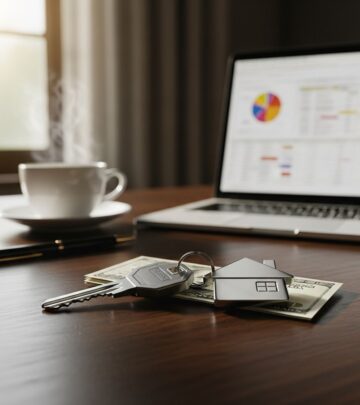
The moment you receive the keys to your new home marks an exciting milestone in your life. However, the completion of closing day is not the finish line—it is the beginning of a new chapter that requires careful attention and strategic planning. Many new homeowners underestimate the importance of the weeks and months immediately following closing, focusing instead on unpacking boxes and decorating rooms. While these activities certainly matter, they should not overshadow the critical administrative, financial, and maintenance tasks that will protect your investment and ensure your family’s safety and comfort for years to come.
The transition into homeownership involves far more than simply moving your belongings into a new space. It demands that you take deliberate steps to establish clear ownership, secure your property, establish essential services, and plan for both immediate and long-term maintenance needs. By understanding what needs to be accomplished during this post-closing period, you can approach your new situation with confidence and avoid costly mistakes or oversights.
Building a Strong Foundation: Document Management and Legal Protection
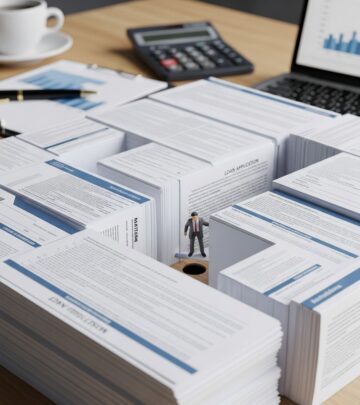
Your first priority after closing should be establishing a comprehensive system for managing your important documents. The paperwork generated during the home-buying process represents your legal and financial claim to the property, and losing or misplacing these documents can create serious complications down the road.
Begin by organizing all documents related to your purchase into a logical filing system. This should include your deed, which serves as the primary proof of ownership; your mortgage documents, which outline your borrowing terms and obligations; your closing disclosure, which details all costs and loan terms; your home inspection report, which documents the property’s condition; your property survey, which establishes the legal boundaries of your land; and any warranty documentation that came with the home or its systems.
Create multiple physical copies of these essential documents and store them in at least two separate secure locations. One set should remain in a fireproof safe at your home, while another set should be stored in a safe deposit box at your bank or with a trusted attorney. Additionally, consider scanning these documents and storing digital copies in a secure cloud-based service with strong password protection. This redundancy ensures that even if disaster strikes, you maintain access to proof of ownership and the terms of your mortgage.
Beyond initial organization, you should also verify that your deed has been properly recorded with your county or local records office. This official recording is what legally transfers ownership from the seller to you and protects your property rights. Your closing agent or attorney typically handles this recording, but it is worthwhile to follow up and confirm that the process has been completed.
Securing Your Property: Immediate Safety Measures
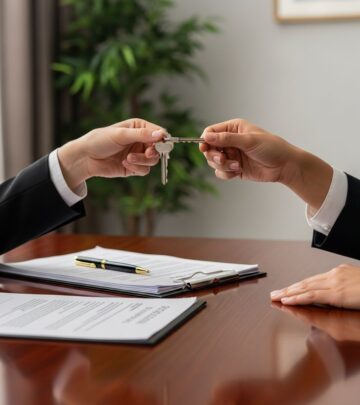
Before you move your family’s belongings into the home, you should take decisive action to secure all entry points. The keys you received at closing may have been in the possession of numerous people throughout the selling process—real estate agents, home inspectors, appraisers, prospective buyers, and the previous owners. You have no way of knowing how many copies exist or who might possess them.
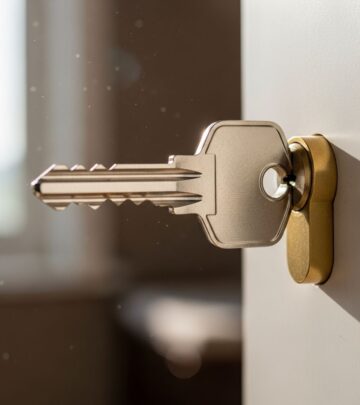
Contact a licensed locksmith and have all exterior locks changed or rekeyed as soon as possible. This includes locks on front doors, back doors, side entrances, garage doors, and any other access points to the home. Some homeowners also choose to install new deadbolts or upgrade to higher-security lock systems for additional protection. Do not rely on the assurance that the previous owner has destroyed all spare keys—it is not worth the risk to your family’s safety and your property’s security.
After changing the locks, you may want to consider upgrading your overall security system. Many modern homes benefit from electronic security systems that provide monitoring, motion sensors, and alerts. Even if you do not install a comprehensive system immediately, having a security system in place offers peace of mind and can potentially reduce your homeowners insurance premiums.
Establishing Essential Utilities and Services
Before you move into your home, contact all utility providers to schedule activation of service in your name. This includes electricity, gas, water, sewer, internet, and any other utilities specific to your area. Many utility companies require advance notice, and scheduling these services in advance prevents gaps in coverage that could leave you without heat, hot water, or other essential services during your initial days in the home.
When contacting utility providers, ask about establishing an account, any deposits required, and expected connection dates. Some utilities may require a final meter reading from the previous owner and an initial reading under your account. Understanding these logistics helps you plan your move-in timeline more effectively.
You should also address mail delivery by filing a change of address form with your postal service. Beyond ensuring that your personal mail reaches you, this step is crucial for updating financial institutions, insurance companies, healthcare providers, and government agencies with your new address. Delaying this update can result in missed bills, important documents, and official notices.
Understanding Your Home’s Condition: Acting on Inspection Findings
During the buying process, a professional home inspector examined your property and provided a detailed report documenting its condition. This report likely identified various maintenance issues, some minor and others more significant. Now that you own the property, it is time to carefully review this inspection report and develop an action plan.
Prioritize the issues identified in your inspection based on three criteria: safety, functionality, and aesthetics. Safety concerns—such as electrical hazards, gas leaks, or structural problems—should be addressed immediately before moving in. Functionality issues—such as a failing furnace or plumbing problems—should be tackled early in your ownership to prevent further deterioration. Cosmetic concerns, such as paint touch-ups or minor water stains, can typically wait until you have settled in and established your financial priorities.
Before hiring contractors, obtain multiple quotes for major repairs and verify that they are licensed and insured. Some of the repairs that were identified in your inspection may have been agreed to be completed by the previous owner before closing. Verify that these promised repairs were actually completed during the final walk-through before closing or immediately contact the seller’s agent if work was not done as promised.
Financial Planning and Budgeting for Your New Reality
Homeownership introduces new financial obligations and ongoing expenses that differ significantly from renting. Creating a realistic budget that accounts for these expenses helps you manage your finances effectively and avoid financial stress during your early years as a homeowner.
Your monthly mortgage payment is now your primary housing obligation, but it is only one component of your total housing costs. You must also account for property taxes, homeowners insurance, and possibly private mortgage insurance if you made a down payment of less than twenty percent. Many lenders establish an escrow account that bundles these expenses into your monthly payment, making budgeting simpler.
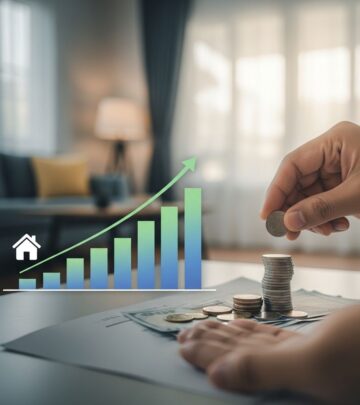
Beyond these predictable monthly expenses, you should establish a separate emergency fund designated for home repairs and maintenance. Experts recommend setting aside between one and two percent of your home’s purchase price annually for routine maintenance and unexpected repairs. A furnace replacement, roof repair, or plumbing emergency can cost thousands of dollars, and having savings set aside prevents these emergencies from derailing your overall financial stability.
During the first few months after closing, avoid making major non-essential renovations or repairs. Instead, settle into your new budget, understand your actual utility costs, and allow yourself time to prioritize home improvements based on your family’s needs and financial capacity.
Maintaining Your Investment: Establishing a Maintenance Schedule
Your home is likely one of the largest investments you will make in your lifetime. Protecting this investment requires developing and following a consistent maintenance schedule. This schedule should outline regular tasks that keep your home functioning properly and prevent small issues from becoming expensive problems.
Seasonal maintenance tasks might include inspecting your roof for damage after severe weather, cleaning gutters and downspouts, having your HVAC system serviced, checking your foundation for cracks, and inspecting windows and doors for air leaks. Monthly tasks could include checking smoke detectors and carbon monoxide detectors, inspecting for signs of water damage, and testing your HVAC system’s thermostat.
Keeping detailed records of all maintenance and repairs you perform serves multiple purposes. These records demonstrate that you have maintained the property properly, which is valuable information if you ever decide to sell. They also help you identify patterns in repairs or maintenance needs that might indicate larger underlying problems.
Adapting Your Insurance Coverage to Your Ownership Status
Your lender required proof of homeowners insurance before closing, but now that you own the property outright, you should review your insurance coverage to ensure it remains appropriate for your situation. As your circumstances change—such as acquiring valuable possessions, adding a pool or other improvements, or changing occupancy patterns—your insurance needs may evolve.
Review your policy annually and discuss any major changes with your insurance agent. Additionally, documenting your home’s contents through photographs and a detailed inventory helps ensure you can fully document losses in the unlikely event of a claim. Some homeowners maintain a video tour of their home and belongings stored securely outside the home for insurance purposes.
Getting to Know Your New Community and Resources
Moving to a new home often means becoming part of a new community, even if you have relocated only a short distance. Taking time to familiarize yourself with your new neighborhood and local resources enhances your sense of belonging and ensures you know where to access essential services.
Identify the locations of nearby hospitals, fire stations, police departments, schools, and public services that matter to your family. If you have children, research local schools and enrollment procedures. Find local contractors, handypeople, and service providers that you can call upon when maintenance needs arise. Connect with neighbors and community organizations, which often provide valuable information about local issues, contractors, and community activities.
Planning for the Future: Long-Term Homeownership Considerations
While immediate post-closing tasks demand your attention, you should also think strategically about your long-term plans for the property. Consider whether refinancing might benefit your situation in the future, whether you might want to make major renovations or additions, and how your housing needs might change over the coming years.
Avoid refinancing immediately after closing unless circumstances demand it. If you made a substantial down payment, established excellent credit, or received a job promotion, these developments might eventually justify refinancing to secure better terms. However, refinancing too quickly often results in paying unnecessary closing costs. Wait at least six months to a year before seriously considering refinancing, unless dramatic interest rate drops or major financial changes make it compelling.
Navigating Common Mistakes and Oversights
Many new homeowners inadvertently overlook important post-closing steps, sometimes with serious consequences. Understanding common mistakes helps you avoid them. One frequent error is neglecting the home inspection report, either by not obtaining a copy or by failing to address identified issues. Another common mistake is delaying utility setup, resulting in uncomfortable living conditions during initial move-in days. Some homeowners also fail to update their address with critical service providers, resulting in missed bills or notices.
Frequently Asked Questions About Post-Closing Tasks
What should be my very first action after receiving the keys?
After receiving keys from your closing agent, your immediate priorities should be changing the locks and verifying that utilities are scheduled to be activated. These steps ensure your family’s safety and comfort as you begin moving into the property.
How long do I need to wait before making major home improvements?
Most financial advisors recommend waiting at least three to six months after closing before undertaking major improvements. This waiting period allows you to settle into your new budget, understand actual utility costs, and prioritize improvements based on genuine needs rather than initial excitement about home ownership.
What documents should I keep permanently?
You should permanently maintain your deed, mortgage documents, closing disclosure, home inspection report, property survey, and any major repair or improvement records. These documents prove ownership and document the home’s condition and maintenance history.
Should I refinance soon after closing?
Generally, you should wait at least six months to a year before considering refinancing, unless significant circumstances warrant earlier consideration. Refinancing too quickly after closing can result in paying unnecessary closing costs without sufficient time to recoup these expenses through monthly savings.
How much should I budget monthly for home maintenance?
Financial experts recommend budgeting between one and two percent of your home’s purchase price annually for maintenance and unexpected repairs. This translates to approximately $100 to $200 monthly for a $150,000 home.
The weeks and months following your closing represent a critical foundation-building period for your homeownership journey. By systematically addressing security, utilities, documentation, maintenance, and financial planning, you position yourself for years of stable, confident homeownership. The effort you invest in these post-closing tasks protects your investment, ensures your family’s safety, and establishes the groundwork for a positive long-term relationship with your new home.
References
- Your Mortgage Closing Checklist — Consumer Financial Protection Bureau. 2024. https://files.consumerfinance.gov/f/documents/cfpb_buying-a-house_mortgage-closing_checklist.pdf
- House Closing Checklist — Travelers Insurance. 2024. https://www.travelers.com/resources/home/buying-selling/house-closing-checklist
- 10 Things to Do Immediately After Buying a House — Raleigh Realty. 2024. https://raleighrealty.com/blog/after-buying-house-free-checklist
- 10 Things To Do After Closing: Homeowner Checklist — GEICO Living. 2024. https://living.geico.com/home/home-protection/after-closing/
- 10 Things To Do After Closing on a House — Rocket Mortgage. 2024. https://www.rocketmortgage.com/learn/what-not-to-do-after-closing-on-a-house
Similar Articles








Read full bio of Sneha Tete