4 Roadblocks to Saving Money — And How to Get Past Them
Discover the top 4 barriers stopping you from building savings and practical strategies to overcome them for financial success.

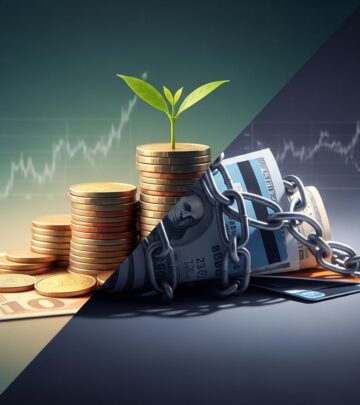
Saving money is a cornerstone of financial stability, yet many people struggle to build meaningful savings despite earning decent incomes. According to Federal Reserve data, nearly 40% of Americans couldn’t cover a $400 emergency expense with cash in recent surveys, highlighting a widespread savings crisis. Common barriers like mounting debt, unchecked spending habits, and inadequate planning create persistent obstacles. This article explores the four primary roadblocks to saving money and provides practical, step-by-step strategies to overcome them, drawing from expert financial advice and real-world examples.
Roadblock #1: High-Interest Debt Eating Your Income
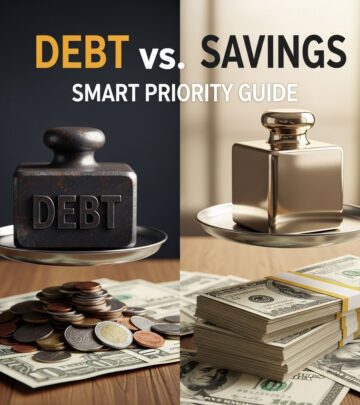
One of the biggest impediments to saving is high-interest debt, particularly from credit cards averaging over 20% APR. Monthly interest payments siphon off hundreds of dollars that could go toward savings. For instance, a $5,000 balance at 21% interest accrues about $87 in interest monthly, compounding quickly if minimum payments are made. This debt trap prioritizes creditor payments over personal savings goals.
To overcome this:
- Prioritize debt payoff using proven methods. The debt avalanche method targets highest-interest debts first to minimize total interest paid, while the snowball method eliminates smallest balances for motivational wins.
- Consolidate or refinance. Look into balance transfer cards with 0% introductory APR or personal loans at lower rates from credit unions.
- Free up cash flow. Negotiate bills like insurance or cable to redirect savings immediately into debt reduction.
Once high-interest debt is cleared, the newly available cash can be funneled directly into savings, creating momentum. Financial experts emphasize tackling this first, as it stops the bleeding and builds psychological wins.
Roadblock #2: Lifestyle Inflation and Impulse Spending
As incomes rise, so often do expenses—a phenomenon called lifestyle inflation. Raises or bonuses get absorbed by bigger homes, fancier cars, or daily luxuries like lattes and takeout. Impulse buys exacerbate this; studies show Americans spend an average of $150 monthly on unplanned purchases. Without awareness, present spending eclipses future savings.
Breaking this cycle requires intentional habits:
- Implement the 30-day rule. Delay non-essential purchases for 30 days; many desires fade, saving significant amounts.
- Track every expense. Use apps or the envelope system to visualize spending leaks in dining, shopping, and entertainment.
- Conduct no-spend challenges. Commit to essentials-only for a week or month, targeting weaknesses like Amazon or eating out to reset habits.
| Spending Category | Average Monthly Spend | Potential Savings |
|---|---|---|
| Dining Out | $300 | $250 (home cooking) |
| Impulse Online | $150 | $120 (30-day rule) |
| Subscriptions | $100 | $80 (cancel unused) |
This table illustrates realistic cuts; applying them could yield $450+ monthly for savings. ”Shop your closet” by inventorying existing items to curb new buys.
Roadblock #3: No Clear Budget or Savings Plan
Without a budget, money slips away unnoticed. Many live paycheck-to-paycheck because essentials consume income, leaving nothing for savings. Low-income households face amplified challenges, but even higher earners fail without structure. Zero-based budgeting assigns every dollar a job, ensuring savings are treated as non-negotiable bills.
Steps to build a plan:
- Adopt 50/30/20 rule. 50% needs, 30% wants, 20% savings/debt—adjust for low income by trimming wants.
- Set specific goals. Aim for $1,000 emergency fund first, then 3-6 months’ expenses. Automate transfers post-paycheck.
- Meal prep and batch cook. Avoid takeout temptations; stock pantries to prevent impulse grocery trips.
For low incomes, explore assistance programs via government sites and shop insurance annually for deals. Planning ahead prevents surprises, turning vague intentions into tangible progress.
Roadblock #4: Lack of Emergency Fund and Unexpected Expenses
Sudden costs like car repairs or medical bills derail savings efforts. Without a buffer, people resort to debt, restarting the cycle. Experts recommend 3-6 months’ living expenses in an emergency fund, yet most have far less.
Building it systematically:
- Start small. Save $1,000 first via no-spend weeks and rounding up purchases.
- Automate and isolate. High-yield savings accounts prevent dipping in; transfer windfalls immediately.
- Build community accountability. Join online forums for no-spend support and shared tips.
Address setbacks gracefully—resume after slip-ups. Keep a wish list for post-challenge reviews to avoid binge spending.
Additional Strategies to Accelerate Savings
Beyond roadblocks, proactive steps amplify results:
- Unsubscribe from marketing emails to reduce temptations.
- Use cash-back apps and coupons ethically, avoiding deal-chasing.
- Review bank statements quarterly for hidden fees.
These habits compound over time; consistent 10% savings on $4,000 monthly income builds $57,600 in five years at 4% interest.
Frequently Asked Questions (FAQs)
What is the biggest roadblock to saving money?
High-interest debt tops the list, as it consumes income meant for savings. Prioritize payoff strategies like avalanche or snowball.
How do I start a no-spend challenge?
Define essentials vs. non-essentials, set a timeframe (week/month), plan meals, and track progress. Target weaknesses for best results.
Can I save on a low income?
Yes—use zero-based budgeting, negotiate bills, meal prep, and seek assistance. Every dollar counts with structure.
How much should I save monthly?
Aim for 20% of income, starting small. Build to 3-6 months’ expenses in emergencies.
What if I slip up on my savings plan?
Don’t quit—analyze the trigger, adjust, and continue. Grace prevents total derailment.
Overcoming these roadblocks requires discipline but yields freedom. Start today with one change, like tracking spends or automating $20 weekly transfers, and watch savings grow.
References
- How to Save Money in 2026 With a No-Spend Challenge — The Penny Hoarder. 2023. https://www.thepennyhoarder.com/save-money/no-spend-challenge/
- How to Save Money: 25 Proven Tips That Actually Work — The Penny Hoarder. 2024. https://www.thepennyhoarder.com/save-money/how-to-save-money/
- How to Budget on a Low Income Without Feeling Defeated — The Penny Hoarder. 2023. https://www.thepennyhoarder.com/budgeting/budget-on-a-low-income/
- Save Money in Every Aspect of Life with These Tips — Top Class Actions. 2023. https://topclassactions.com/penny-hoarder/save-money-every-aspect-life-tips/
- 4 Roadblocks to Saving Money — And How to Get Past Them — The Penny Hoarder. 2023. https://www.thepennyhoarder.com/save-money/roadblocks-to-saving-money/
- Americans Are Facing a Savings Crisis. Here’s What Keeps Them From Hitting Their Goals — Money Talks News. 2024. https://www.moneytalksnews.com/slideshows/americans-are-facing-a-savings-crisis-heres-what-keeps-them-from-hitting-their-goals/
Similar Articles








Read full bio of medha deb