37 Money-Saving Tips for Your Next Road Trip
Master the art of budget-friendly road trips with 37 practical tips to save on gas, lodging, food, and entertainment.
37 Cost-Saving Road Trip Tips
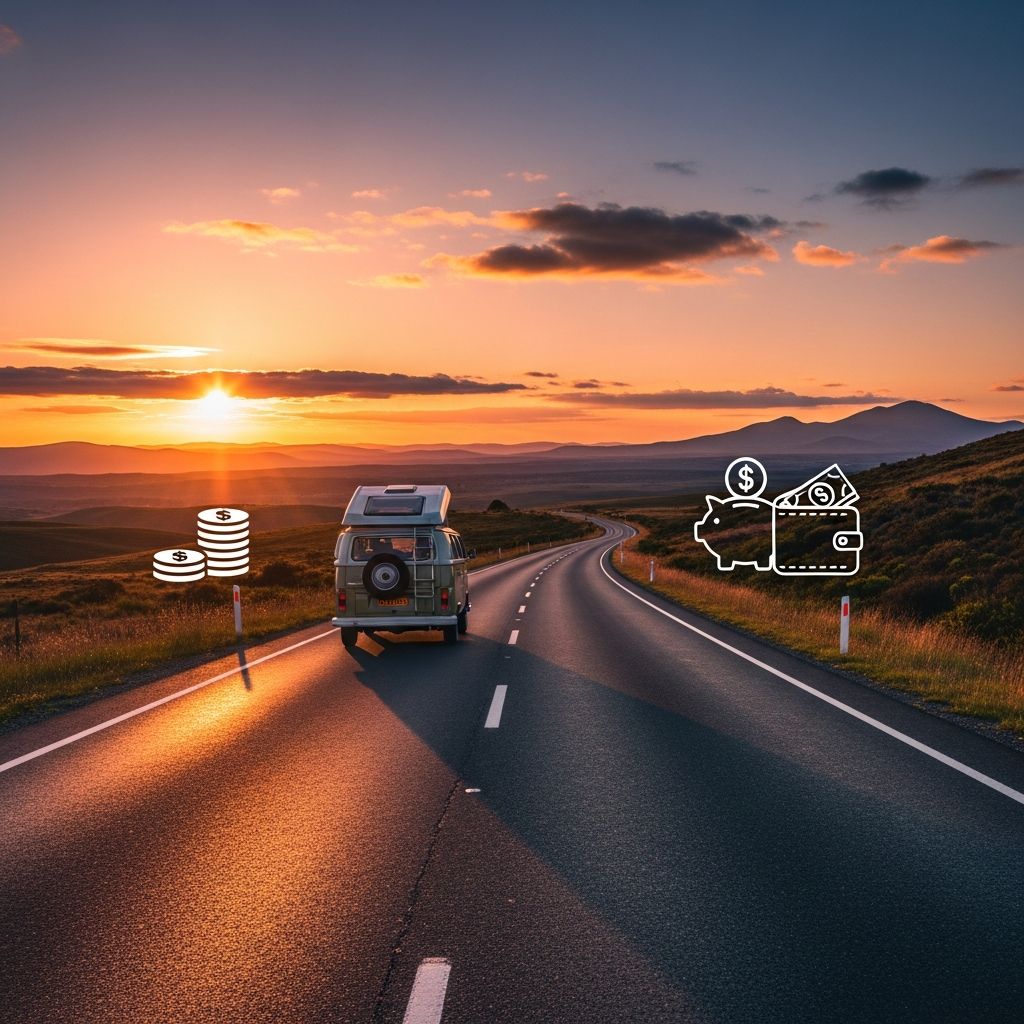
Road trips offer the freedom to explore at your own pace and create unforgettable memories without the expense of flying. However, rising gas prices and travel costs can quickly drain your vacation budget. Whether you’re planning a weekend getaway or a cross-country adventure, these 37 practical tips will help you maximize your savings while minimizing expenses on gas, lodging, food, and entertainment.
Planning and Budget Fundamentals
1. Consider Road Tripping With a Friend or Two
Traveling solo offers independence, but sharing your road trip with friends or family can dramatically reduce costs. By splitting expenses like gas and lodging, you can literally cut your costs in half. Plus, having travel companions makes long drives more enjoyable and less mentally taxing. Just ensure you’re traveling with people you can comfortably spend extended time with in close quarters.
2. Set — and Stick to — a Budget
While the freedom of the open road is exhilarating, planning a budget prevents overspending and ensures you return home without financial stress. Identify your major expense categories and allocate funds accordingly. The main expenses you’ll encounter typically include:
- Gas and fuel costs
- Lodging and accommodations
- Food and dining
- Entertainment and activities
- Parking fees and tolls
- Souvenirs and miscellaneous purchases
By accounting for these expenses upfront, you’ll have a clear understanding of how much you can afford to spend and where you can make adjustments if needed.
3. Have a Plan Mapped Out
Planning doesn’t mean scheduling every minute of your trip—spontaneity can lead to the best memories. However, having a general route and key destinations in mind allows you to budget more accurately and allocate sufficient time for travel. Knowing your approximate itinerary helps you identify fuel stops, restaurants, and attractions along the way, enabling better financial planning.
4. Choose a Destination You Can Get to On a Tank of Gas
The closer your destination, the less you’ll spend on fuel. If you’re seeking a quick escape without a cross-country journey, select a destination within a day’s drive. This not only saves money on gas but also reduces wear and tear on your vehicle and minimizes accommodation costs if you can drive there and back in a single day.
Fuel Efficiency and Transportation Savings
5. Use Cruise Control
Maintaining a steady speed significantly improves fuel efficiency. Cruise control helps you avoid unnecessary acceleration and deceleration, which consume excess fuel. Additionally, cruise control helps you maintain safe speeds and avoid speeding tickets—an unexpected expense that can quickly drain your road trip budget.
6. Take Full Advantage of Your Navigation System
Modern navigation systems offer more than just directions. Use your GPS to identify toll locations so you can plan alternative routes if desired, avoid traffic congestion, and find the most fuel-efficient paths to your destination. Real-time traffic updates can help you bypass delays and reduce unnecessary fuel consumption.
7. Find the Cheapest Gas Along Your Route
Download fuel-finding apps like GasBuddy to locate the cheapest gas stations along your route. Gas prices fluctuate significantly between regions and even between stations in the same town. Planning your fuel stops strategically can result in substantial savings, especially on longer trips where fuel costs are a major budget item.
Smart Packing and Preparation
8. Pack Effectively for Your Entire Trip
Proper packing prevents the need to purchase forgotten essentials on the road, where convenience stores charge premium prices. Create a comprehensive packing list that includes:
- Appropriate clothing for the climate
- Weather-specific gear (jackets, umbrellas, sunscreen)
- Extra underwear and socks
- Toiletries and medications
- Entertainment items
- Snacks and non-perishable food
By bringing everything you need, you’ll avoid impulse purchases at inflated prices and maintain comfort throughout your journey.
9. Pack Smart for On-the-Road Convenience
Bring supplies that make eating and navigating more convenient and budget-friendly. Pack napkins, plastic utensils, and containers for carrying food and managing trash. Create a DIY trash bin using a cereal container and trash liner to keep your vehicle clean. Download helpful apps like SitOrSquat to locate clean public restrooms, reducing the need to purchase items at rest stops.
10. Organize Your Tech Setup
Invest in a multi-port car charger to keep everyone’s devices powered throughout the drive. Download entertainment apps and maps offline to avoid data charges. If traveling with children, hang an iPad off your car’s sun visor as a makeshift entertainment screen to reduce the likelihood of stops and keep kids engaged during long drives.
Lodging Solutions and Accommodations
11. Go Camping
Camping offers exceptional savings compared to hotel stays, especially when you own or can borrow camping gear. Campsite fees are significantly lower than hotel rates, and some locations offer free camping options. To maximize savings, check for discounts on campsite reservations, time your trip to avoid peak seasons, and avoid overpriced on-site camp stores by bringing your own supplies.
12. Couch Surf
Eliminate lodging costs entirely by staying with friends or family members. If you lack a personal network to tap into, use the Couchsurfing app to connect with travelers and hosts worldwide who offer free accommodations. This option not only saves money but also provides opportunities to meet locals and experience authentic culture.
13. Get Free Lodging Through WWOOF
Worldwide Opportunities on Organic Farms (WWOOF) is an exchange program allowing volunteers to work on farms in exchange for free room and board. If you’re willing to engage in farm work during your road trip, this option can completely eliminate lodging expenses while providing unique travel experiences and meaningful work.
14. Stay in Budget Accommodations
If you prefer traditional lodging, hostels offer significantly cheaper rates than hotels. While you’ll typically share sleeping quarters with other travelers, you’ll enjoy lower prices, social opportunities, and group activities. Consider booking during shoulder seasons when rates drop considerably.
Food and Dining Strategies
15. Pack Snacks and Meals
Convenience store snacks and roadside restaurant meals are expensive and often unhealthy. Pack non-perishable snacks from home, including nuts, granola bars, dried fruit, and crackers. Prepare simple meals before departing, and visit grocery stores along your route for affordable, fresh food options that won’t spoil during travel.
16. Strategic Dining Choices
When dining out, choose appetizers or lunch specials instead of full dinner entrees. Lunch prices at restaurants are typically lower than dinner prices for the same or similar dishes. Skip overpriced tourist restaurants near major attractions and seek local eateries where residents dine—usually offering better value and authentic cuisine.
Entertainment and Activities
17. Turn Up the Activity and Turn Down the Cost
Free and low-cost activities abound during road trips. Hiking and biking require minimal investment, especially if you already have a bike rack. Visit playgrounds and parks with your family, set up picnics in scenic locations, and explore urban hiking to discover city architecture and culture at no cost. These activities provide exercise, enjoyment, and memorable experiences without straining your budget.
18. Skip the Guided Tours
Professional tour guides charge substantial fees to show you around cities. Instead, research attractions before your trip and create your own itinerary. Crowdsource recommendations via social media, use walking tour apps like GPSmyCity, and explore at your own pace. This approach provides flexibility, personal discovery, and significant savings.
19. Take Advantage of Free Attractions
Many cities offer free museums, parks, monuments, and cultural sites. Research free attractions at your destination and plan your itinerary accordingly. Many museums offer free admission on specific days, and countless parks, beaches, and public spaces provide no-cost entertainment.
Additional Money-Saving Strategies
20. Use Technology to Your Advantage
Leverage technology to find deals and save money throughout your trip. Download money-saving apps, use GPS navigation to avoid getting lost, and search online for discounts on activities and accommodations. Digital tools can help you make smarter decisions and identify savings opportunities on the fly.
21. Travel During Off-Peak Seasons
Gas prices, lodging rates, and attraction fees fluctuate throughout the year. Traveling during shoulder seasons—the periods between peak and off-seasons—results in lower prices and fewer crowds. October, for example, offers pleasant weather in many regions with significantly lower tourism costs.
22. Maintain Your Vehicle
A well-maintained vehicle operates more efficiently, consuming less fuel and requiring fewer emergency repairs. Before your road trip, ensure your vehicle has fresh oil, properly inflated tires, and a functioning air filter. Regular maintenance improves fuel economy and prevents costly roadside breakdowns.
23. Plan Strategically Around Peak Travel Times
Avoid traveling during major holidays and peak vacation seasons when prices surge and traffic intensifies. Gas prices, hotel rates, and attraction fees all increase during busy periods. Flexible travel dates allow you to take advantage of lower prices and more peaceful travel experiences.
Frequently Asked Questions
Q: What are the biggest expenses on a road trip?
A: The primary expenses include gas, lodging, food, and entertainment. Secondary costs like parking, tolls, and souvenirs can also add up. Planning for all these categories helps prevent budget overruns.
Q: How can I save money on gas during a road trip?
A: Use cruise control to maintain steady speeds, find the cheapest gas stations using apps like GasBuddy, keep your vehicle properly maintained, and choose destinations within a reasonable distance to minimize fuel consumption.
Q: What’s the cheapest way to find lodging on a road trip?
A: Free options include couchsurfing, staying with friends or family, and WWOOF programs. Budget alternatives include camping, hostels, and booking during off-peak seasons when rates are lower.
Q: How can I entertain myself and passengers without spending money?
A: Engage in free activities like hiking, biking, visiting parks, and urban exploration. Create your own tours instead of paying guides, and take advantage of free museums and attractions. Pack entertainment items from home to keep passengers occupied during drives.
Q: Is it cheaper to road trip alone or with others?
A: Traveling with others is generally cheaper because you can split major expenses like gas and lodging. However, ensure your travel companions are compatible with your travel style and preferences.
Q: When is the best time to take a road trip to save money?
A: Travel during shoulder seasons (between peak and off-seasons), avoid major holidays and summer vacation periods, and book during weekdays when prices tend to be lower than weekends.
Conclusion
Road trips represent an affordable way to travel and explore, but thoughtful planning and strategic decision-making maximize savings without sacrificing experiences. By implementing these 37 money-saving tips—from carpooling and maintaining a budget to finding free lodging and entertainment—you can significantly reduce expenses and allocate more funds toward creating lasting memories. Start planning your next road trip today with these strategies in mind, and enjoy the freedom of the open road without financial stress.
References
- 37 Tips to Help Save Money on Your Next Road Trip — The Penny Hoarder. 2024. https://www.thepennyhoarder.com/save-money/road-trip-tips/
- Travel More (but Spend Less) With These Money-Saving Tips — The Penny Hoarder. 2024. https://www.thepennyhoarder.com/save-money/travel-more/
- Tips You Need to Know When Traveling For National Road Trip Day — News4Jax. 2021-05-28. https://www.news4jax.com/river-city-live/2021/05/28/tips-you-need-to-know-when-traveling-for-national-road-trip-day/
Similar Articles








Read full bio of medha deb