Risks That Can Cancel Your Home Insurance
Discover common pitfalls that could lead to your home insurance being voided and learn how to safeguard your coverage effectively.
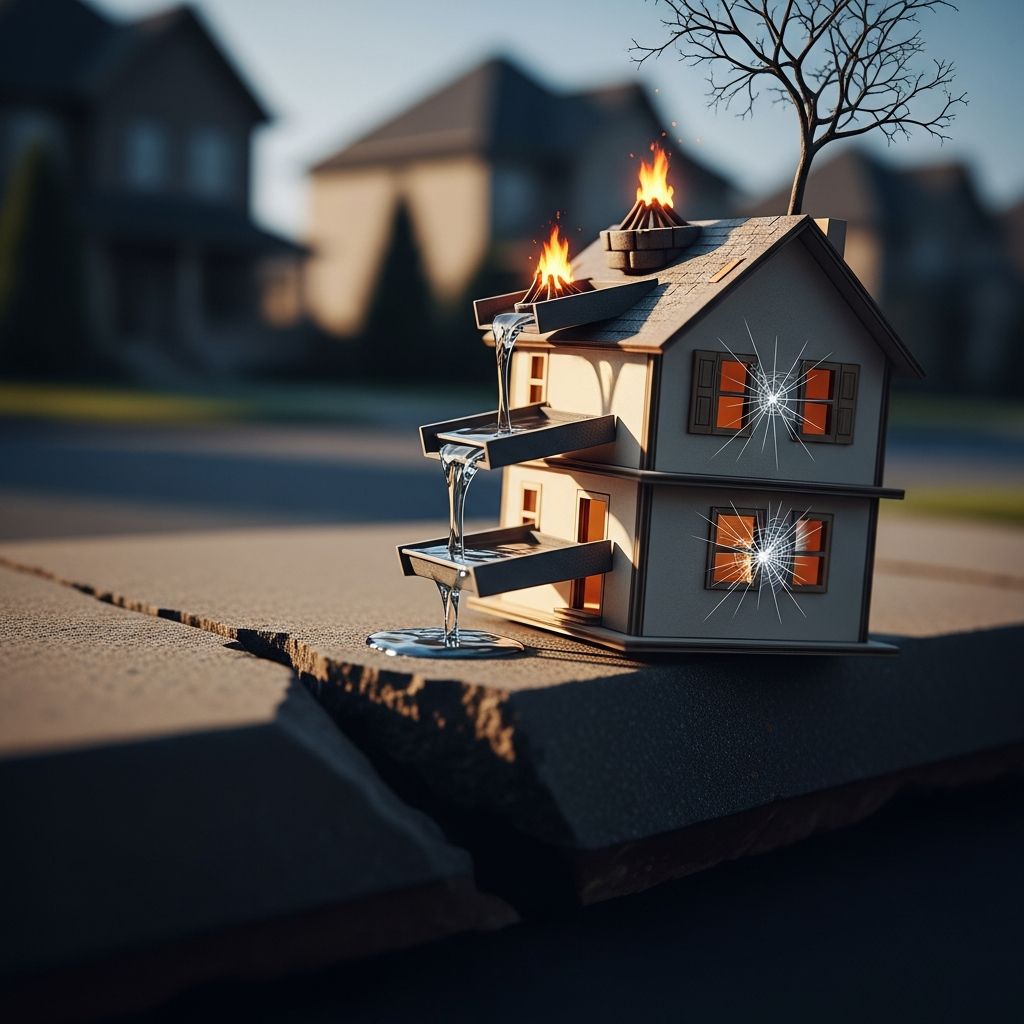
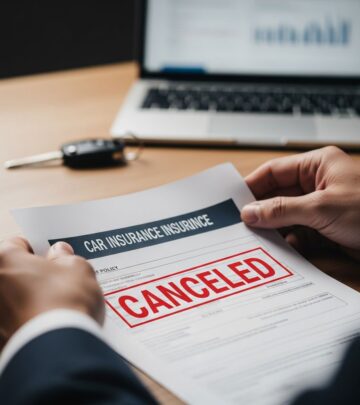
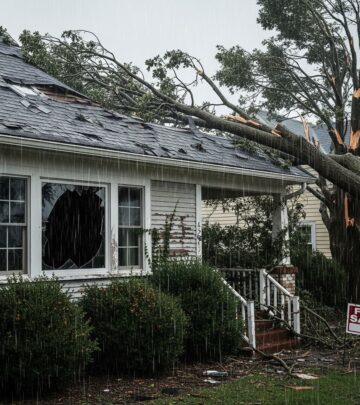
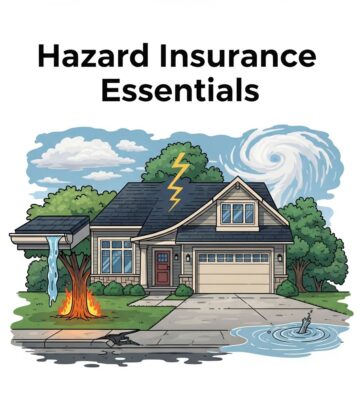
Your home insurance policy serves as a vital safety net against unexpected damages, theft, or liability issues. However, certain homeowner actions or inactions can lead to policy cancellation or claim denials, leaving you financially exposed. Understanding these risks empowers you to maintain continuous coverage and peace of mind.
Understanding Policy Cancellation Rules
Insurance providers have specific windows for terminating coverage. In the initial 60 days after purchase, companies can cancel for virtually any reason, allowing them to assess risk more thoroughly. Beyond this period, cancellations require valid justification, such as increased hazards or policy violations. This structure balances insurer flexibility with homeowner protections.
Familiarizing yourself with your policy’s terms is essential. Review the declarations page and endorsements regularly, as state regulations influence cancellation notices—typically 30 to 60 days in advance. Proactive communication with your agent prevents surprises.
Honesty in Applications and Claims
Providing inaccurate details during application or claims processes ranks among the top reasons for policy invalidation. This includes omitting prior losses, exaggerating property values, or fabricating damage extents. Insurers view such discrepancies as fraud, which erodes trust and prompts immediate action.
For instance, overstating contents’ worth might secure higher premiums but risks fraud accusations during payouts. Conversely, underreporting could lead to insufficient coverage. Always document possessions with photos, receipts, and appraisals to substantiate claims accurately.
- Maintain an updated home inventory spreadsheet.
- Disclose all previous claims honestly during renewals.
- Consult your agent before major purchases affecting coverage limits.
Property Upkeep Responsibilities
Homeowners must prevent foreseeable deterioration. Neglecting routine maintenance—like clearing gutters, repairing leaks, or trimming overhanging branches—heightens vulnerability to events like water damage or fires. Insurers often deny claims tied to such oversights, arguing they stem from neglect rather than sudden perils.
Establish a seasonal checklist: inspect roofs post-storms, test smoke detectors monthly, and address cracks in foundations promptly. Poor upkeep signals high risk, potentially leading to non-renewal. Professional inspections every few years provide evidence of diligence.
| Maintenance Task | Frequency | Risk if Neglected |
|---|---|---|
| Gutter Cleaning | Twice yearly | Water damage to foundation |
| Roof Inspection | Annually | Leak-induced mold growth |
| HVAC Servicing | Yearly | Fire hazards from malfunctions |
| Plumbing Checks | Bi-annually | Burst pipes and flooding |
Extended Vacancies and Unoccupancy
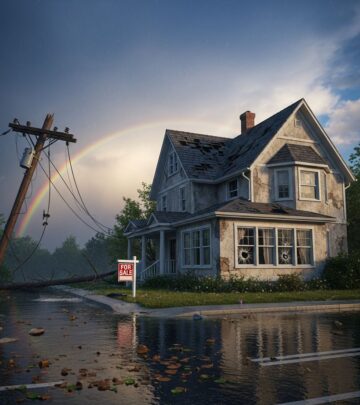
Standard policies cover homes unoccupied for up to 30 consecutive days. Beyond this, risks like undetected fires, vandalism, or pipe bursts escalate, prompting insurers to void coverage. Vacant properties attract squatters or thieves, complicating claims.
If planning a long absence—such as relocation or extended travel—notify your insurer immediately. Options include vacant home endorsements or specialized policies offering broader protection. Forward mail, use security systems, and arrange periodic checks by trusted neighbors to demonstrate occupancy intent.
Unauthorized Structural Modifications
Adding rooms, pools, trampolines, or solar panels alters your home’s risk profile and value without updated coverage leaves gaps. Failure to report these changes can result in denied claims or policy cancellation, as insurers base premiums on disclosed features.
Before starting projects, submit plans to your agent for endorsement adjustments. This ensures rebuilding costs match current values and liability limits cover new hazards. Post-renovation appraisals validate increased dwelling coverage needs.
- Document renovation permits and contractor bids.
- Update sum insured after completions.
- Schedule policy reviews post-major works.
Commercial or Rental Use of Your Home
Transforming part of your residence into a business space or rental unit shifts it from personal to commercial risk. Standard homeowner policies exclude business interruptions, tenant liabilities, or short-term rental damages like those from Airbnb guests.
Inform your insurer about home offices, occasional room lets, or full-property rentals. Riders for landlord or short-term rental coverage address these exposures. Unreported subletting is a frequent claim denial trigger, especially with income generation.
High-Risk Additions and Activities
Certain installations or pursuits amplify liabilities. Wood-burning stoves, hot tubs, or aggressive dog breeds require specific endorsements. Unsupervised trampolines or treehouses invite injury claims beyond basic liability limits.
Illegal activities, from unlicensed repairs to substance production, universally void policies due to moral hazard clauses. Even non-criminal high-risk hobbies like fireworks storage demand disclosure.
Frequent Claims and Payment Lapses
Multiple claims within short periods flag you as high-risk, eroding profitability for insurers. Non-payment of premiums triggers automatic lapse, voiding protection retroactively.
Set autopay for premiums and reserve claims for catastrophic losses. Small repairs out-of-pocket preserve your claims-free history, potentially earning discounts.
Security and Fraud Prevention Measures
Leaving homes unsecured—open windows, hidden keys—increases burglary odds, leading to denied theft claims. Insurers expect reasonable precautions like deadbolts, alarms, and exterior lighting.
Combat fraud by verifying adjuster credentials and scrutinizing repair quotes. Policyholders committing intentional damage face felony charges alongside coverage loss.
Steps to Reinstate or Secure Coverage
If facing cancellation, appeal with mitigation evidence like repair receipts or security upgrades. Shop multiple carriers, as some specialize in high-risk homes. Improve credit, reduce claims history impacts, and bundle policies for better rates.
Annual audits with independent brokers ensure optimal terms. Technology like smart home devices can lower premiums while proving risk management.
Frequently Asked Questions
How long can my home be vacant before coverage voids?
Typically 30 days, but check your policy; extensions require special endorsements.
Do I need to report home office use?
Yes, for adequate business liability and interruption coverage.
What if I forget to pay a premium?
Coverage lapses; set reminders or autopay to avoid this.
Can renovations increase my premiums?
Often yes, due to higher replacement costs and risks.
Is fraud the only misrepresentation issue?
No, omissions or inaccuracies also qualify, potentially voiding policies.
Proactive Strategies for Long-Term Protection
Building insurer relationships through transparency fosters renewals. Join homeowner associations for group rates and maintenance tips. Stay informed on regulatory changes via state insurance departments.
Ultimately, treating insurance as a partnership—sharing changes promptly and maintaining properties—ensures reliability when needed most. This diligence protects not just your home, but your financial future.
References
- What Can Void a Home Insurance Policy? — Experian. 2023-10-15. https://www.experian.com/blogs/ask-experian/what-can-void-home-insurance-policy/
- 14 Ways You Might Be Invalidating Your Home Insurance — McLean & Dickey. 2024-02-20. https://www.mcleananddickey.com/14-ways-you-might-be-invalidating-your-home-insurance/
- 5 Mistakes That Can Void Your Homeowners Insurance — John B. Wright Insurance. 2023-05-10. https://johnbwright.com/5-mistakes-that-can-void-your-homeowners-insurance/
- 5 Things That Might Make Your Home Insurance Null and Void — Coldwell Banker Blog. 2022-11-08. https://blog.coldwellbanker.com/5-things-that-might-make-your-home-insurance-null-and-void/
- 10 Ways People Could Accidentally Invalidate Home Cover — Aviva Newsroom. 2024-05-10. https://www.aviva.com/newsroom/news-releases/2024/05/10-ways-people-could-accidentally-invalidate-home-cover/
- Top 5 Reasons Your Home Insurance Claim Might Be Denied — Kneller Insurance. 2023-08-15. https://www.knellerins.com/blog/home-insurance-claim-denial-reasons
Similar Articles








Read full bio of medha deb