Risks of Keeping Cash in Payment Apps
Discover why storing money in popular payment apps like Venmo or Cash App can expose your funds to serious risks without FDIC protection.

Payment applications have transformed how individuals exchange money, enabling swift transactions between friends, family, and merchants. However, maintaining balances within these platforms introduces vulnerabilities that many users overlook. Unlike traditional banking institutions, most payment apps do not provide federal deposit insurance, leaving stored funds susceptible to loss during company failures or poor investments.
Understanding Payment App Functionality
These digital tools, often called peer-to-peer (P2P) services, link to bank accounts, debit cards, or credit cards for seamless transfers. Users can receive payments for shared expenses or services and choose to leave the money in the app rather than withdrawing it immediately. This feature mimics a virtual wallet, but it operates outside standard banking regulations.
Over three-quarters of U.S. adults engage with these apps regularly, drawn by their ease of use. Yet, the convenience comes at a cost when funds linger in the system. Companies may hold these balances in pooled accounts or invest them to generate revenue, practices that differ sharply from insured bank deposits.
Absence of Federal Deposit Protections
The primary concern revolves around the lack of FDIC or NCUA insurance. Traditional banks insure deposits up to $250,000 per account, safeguarding customers even if the institution collapses, as seen with recent bank failures like Silicon Valley Bank.
According to a Consumer Financial Protection Bureau (CFPB) analysis, billions of dollars reside in apps like PayPal, Venmo, and Cash App without such safeguards. If the provider faces financial distress, users could lose access to their money entirely. Some apps claim “pass-through” insurance via partnerships, but this often requires specific actions, such as linking a credit card or enrolling in premium services, and coverage remains inconsistent.
Where Your Money Actually Resides
Transparency issues plague these platforms. User agreements frequently omit details on fund storage, investment strategies, or contingency plans for insolvency. Instead of sitting idle, balances may fund short-term loans or other ventures, exposing them to market fluctuations.
The CFPB spotlight emphasizes that received payments do not automatically transfer to linked insured accounts. Providers retain them within their ecosystem, potentially commingling user funds in non-segregated pools. This setup amplifies risks if investments sour or the company mismanages assets.
Challenges with Fund Accessibility
Even for routine needs, withdrawing money from an app can delay access. Standard transfers to a bank may take several days, while instant options incur fees that erode value. This illiquidity proved problematic during past crises, where users needed quick cash but faced holds or processing lags.
Imagine facing an unexpected bill only to discover your app balance is temporarily unavailable. Late fees or credit dings could follow, compounding financial stress. Banks, by contrast, offer immediate debit card access or ATM withdrawals without such hurdles.
Missing Out on Earnings Potential
Payment apps rarely pay interest on balances, unlike high-yield savings accounts that compound returns safely. With inflation eroding purchasing power, idle app funds lose real value over time. Credit unions and banks provide dividends or interest, turning storage into a growth opportunity.
- High-yield savings: Often 4-5% APY with full insurance.
- App balances: Zero returns, full risk exposure.
- CDs: Locked rates up to 5% for terms, insured protection.
Security Vulnerabilities in the Digital Space
Beyond financial safeguards, cybersecurity threats loom large. Public Wi-Fi usage heightens interception risks, as unencrypted networks expose transaction data to hackers. Scammers exploit apps through impersonation, urging urgent transfers to fake accounts.
Hacking incidents have risen with app popularity. Weak passwords or outdated software create entry points for unauthorized access. Multifactor authentication (MFA) mitigates some dangers, but not all apps enforce it robustly.
Real-World Examples of App Failures
Historical precedents underscore these dangers. Nonbank fintechs have faltered, leaving users scrambling. The CFPB’s 2023 advisory followed bank collapses that highlighted insurance disparities—depositors at failed banks recovered swiftly, but app users would not.
Best Practices for Safer Usage
- Transfer balances promptly to insured bank or credit union accounts for protection and potential earnings.
- Enable MFA, including biometrics, to block unauthorized logins.
- Confirm recipient identities via multiple channels before sending funds.
- Monitor transactions daily and report anomalies immediately.
- Avoid apps as the sole payment method for businesses, signaling potential scams.
Keep app balances minimal—treat them as transit points, not storage vaults. Link directly to bank accounts for spending without holding funds in-app.
Comparing Apps: Insurance and Features
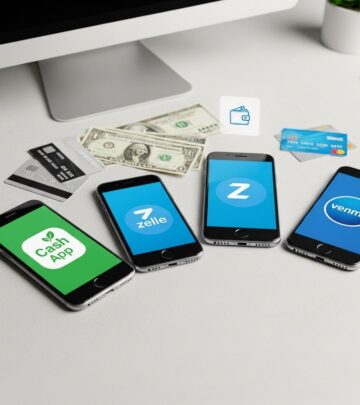
| App | Insurance Claim | Instant Transfer Fee | Interest Offered |
|---|---|---|---|
| Venmo | Limited pass-through | 1.75% | No |
| Cash App | Partnered FDIC for some | 0.5%-1.75% | Yes, on opt-in |
| PayPal | Pass-through options | 1% | No standard |
Alternatives to App Storage
Opt for hybrid approaches: Use apps for transfers but route funds to secure destinations. Digital banks with FDIC insurance blend app convenience with protections. Prepaid cards or debit-linked services offer similar speed without storage risks.
Frequently Asked Questions
Are all payment apps uninsured?
No, some offer pass-through FDIC via bank partners, but only under specific conditions like balance caps or service tiers. Check terms carefully.
How long do transfers take?
Standard ACH: 1-3 days free; instant: minutes with 1-2% fees.
Can apps be hacked?
Yes, but MFA and updates reduce risks. Avoid public networks.
What if the app company fails?
Uninsured funds may be lost or delayed; insured bank transfers protect you.
Do apps earn interest?
Rarely; seek bank alternatives for growth.
Navigating the Evolving Landscape
Regulatory scrutiny is intensifying, with CFPB pushing for better disclosures. Future mandates may require clearer insurance status or fund segregation. Users should stay informed via official advisories and app updates.
Ultimately, leverage payment apps for their strengths—speedy P2P exchanges—while prioritizing insured institutions for storage. This balanced approach preserves convenience without sacrificing security.
References
- CFPB Finds that Billions of Dollars Stored on Popular Payment Apps May Lack Federal Insurance — Consumer Financial Protection Bureau. 2023-06-07. https://www.consumerfinance.gov/about-us/newsroom/cfpb-finds-billions-of-dollars-stored-on-popular-payment-apps-may-lack-federal-insurance/
- The Hidden Risks of Storing Your Money in Mobile Apps — F&M Bank. Accessed 2026. https://www.fandmstbk.com/blog/post/the-hidden-risks-of-storing-your-money-in-mobile-apps
- The Risk of Storing Money in Payment Apps — Freedom Credit Union. Accessed 2026. https://freedomcu.org/newsletter/the-risk-of-storing-money-in-payment-apps/
- Is It Safe to Store Money on Payment Apps? — Experian. Accessed 2026. https://www.experian.com/blogs/ask-experian/is-it-safe-to-store-money-on-payment-apps/
- Are Payment Apps Safe? — First Merchants Bank. 2025-02-11. https://www.firstmerchants.com/resources/learn/blogs/blog-detail/resource-library/2025/02/11/are-payment-apps-safe
Similar Articles








Read full bio of medha deb