Buying A Short Sale Home: Key Risks And How To Navigate Them
Understand the financial, legal, and logistical challenges before purchasing a short sale property.
Understanding the Risks of Buying a Short Sale Home
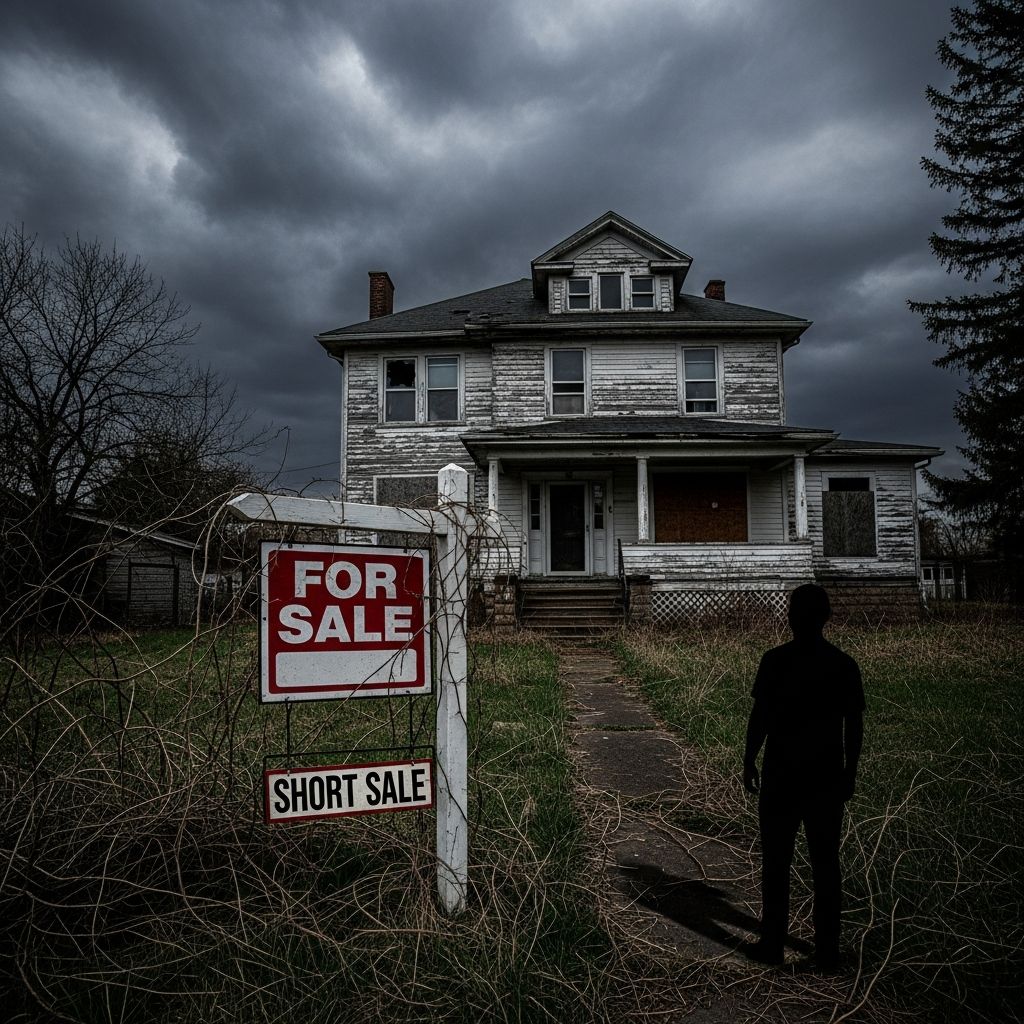
A short sale can appear to be an attractive opportunity for homebuyers seeking to purchase property at a reduced price. However, the process of buying a short sale home differs significantly from traditional home purchases and comes with numerous challenges that prospective buyers must carefully consider. While the financial savings may seem appealing, the extended timeline, potential property condition issues, and complex legal considerations often make the process far more complicated than a standard real estate transaction. Understanding these risks upfront is crucial for making an informed decision about whether a short sale property aligns with your financial goals and timeline.
What Is a Short Sale?
A short sale occurs when a homeowner sells their property for less than the amount owed on the mortgage. This situation typically happens when homeowners face financial hardship and find themselves underwater on their loan, meaning the home’s market value has dropped below the remaining mortgage balance. The homeowner must prove financial hardship, such as job loss, medical expenses, or other significant life changes, and obtain approval from the lender before proceeding with the sale. The lender agrees to accept less than the full loan amount to avoid the more costly process of foreclosure. While this arrangement can benefit the homeowner, it introduces substantial complexities for buyers that warrant careful evaluation.
The Long and Uncertain Buying Process
One of the most significant risks associated with purchasing a short sale home is the extended and unpredictable timeline. Unlike traditional home sales that typically close within 30 to 45 days, short sales can take three to six months or longer to complete. This prolonged process stems from the involvement of multiple parties who must approve the transaction before it can finalize.
Lender Approval Delays
The primary lender on the property must review and approve the sale, which alone can take 60 to 90 days after you submit a complete offer. Banks conduct thorough evaluations to determine whether accepting a lower price is in their best financial interest. During this review period, the lender may request additional documentation, ask for price adjustments, or compare your offer against other competing bids they have received. This careful scrutiny, while protecting the lender’s interests, creates frustration and uncertainty for buyers who may be ready to move forward quickly.
Multiple Parties and Additional Complications
Short sales frequently involve more parties than standard home transactions. Beyond the seller and your lender, you may need to negotiate with subordinate lienholders, such as second mortgage holders or home equity line of credit providers. Homeowners associations may also need to approve the transaction. Each of these parties has a financial stake in the property and must agree to the terms, significantly extending the negotiation period and creating additional delays that can stretch the closing timeline indefinitely.
Property Condition May Be a Mystery
Short sale properties frequently require substantial repairs and maintenance work, as homeowners experiencing financial distress often cannot afford to maintain their homes properly. The property’s deteriorated condition, combined with limited inspection access and seller concessions, creates substantial financial risks for buyers.
Common Issues Found in Short Sale Properties
Short sale homes often present a range of maintenance and structural problems that can result in expensive repairs:
- Leaks and water damage from neglected plumbing or roof problems
- Mold and pest infestations due to lack of routine maintenance
- Outdated or failing electrical and HVAC systems that may not meet modern safety standards
- Structural concerns like foundation cracks or wood rot that can lead to expensive repairs
As-Is Purchase Requirements
Short sale properties are typically sold in as-is condition, meaning you cannot request the seller make repairs before closing, nor can you request seller concessions. This arrangement places the entire burden of repairs on the buyer. Unlike traditional home sales where sellers may be willing to address inspection findings or provide credits toward repairs, short sale sellers usually lack the financial resources to make any improvements. Even if they wanted to help, the lender often prohibits sellers from making repairs as a condition of approving the short sale.
The Critical Importance of Professional Inspection
Given these challenges, conducting a thorough professional home inspection is absolutely essential before making an offer on a short sale property. A professional inspector can identify hidden problems that might not be immediately visible, including structural issues, plumbing concerns, electrical deficiencies, and other costly repairs. Without this inspection, you risk discovering substantial repair needs after you own the property, potentially facing tens of thousands of dollars in unexpected expenses. In some cases, properties may even fail inspection entirely, which could cause your financing to be denied altogether.
Financial and Legal Roadblocks
Short sales introduce complex financial and legal complications that can significantly impact your purchase and ownership experience. The involvement of multiple parties with financial interests in the property creates scenarios where deals can fall apart or unexpected liabilities can emerge.
Multiple Lienholders and Claims
Beyond the primary lender, a short sale property may have several parties with financial claims on it, including second mortgage holders, homeowners associations, tax authorities, and contractors. Each of these parties must agree to the short sale terms or risk losing their ability to collect owed debts. This complex web of interests can delay or even block the sale entirely, leaving buyers in a state of uncertainty throughout the transaction.
Common Financial and Legal Challenges
Buyers considering short sale properties should be aware of these potential complications:
- Unpaid liens or debts attached to the home that must be settled before closing
- HOA fees, property taxes, or utility bills in arrears that may fall on the buyer
- Foreclosure risk – if the seller’s financial situation worsens, the home could be repossessed before the short sale is finalized
Appraisal and Financing Challenges
When an appraisal comes in lower than the purchase price, buyers may face difficult choices. You might need to pay the difference out of pocket, attempt to renegotiate with the seller (which is often difficult in a short sale), or find alternative financing solutions. Additionally, if the home’s condition doesn’t meet the lender’s requirements for financing, the mortgage may be denied unless repairs are made – an expense that typically falls on the buyer since short-sale sellers usually cannot afford fixes.
Stricter Property Condition Standards
Certain mortgage types, particularly FHA and VA loans, have stricter property condition standards that can make short-sale purchases even more challenging. Before committing to a short sale purchase, discuss your financing options with your lender in advance to understand exactly what condition requirements the property must meet to qualify for your loan.
Other Important Considerations
Beyond the primary financial, legal, and repair risks, short-sale homes present additional challenges that buyers often overlook when evaluating whether to proceed with a purchase.
Title Issues
Some short-sale homes have unclear ownership histories, missing paperwork, or unresolved liens that can complicate the closing process. A comprehensive title search should be conducted before purchasing to uncover any hidden claims on the property that might affect your ownership rights or create future liability.
HOA Restrictions and Fees
If the property is located in a community with a homeowners association, unpaid dues or special assessments may become the new owner’s responsibility. Some HOAs also have restrictions that could affect renovations or property use, limiting your ability to modify the home as desired.
Changing Market Conditions
Since short sales can take months to finalize, the home’s market value could shift significantly before closing. If property values decline during the approval process, you may end up paying more than the home is worth at the time of purchase, eroding the financial advantage of the short sale.
Delayed Move-In Timeline
Even after closing on the property, unexpected delays may prevent immediate occupancy. The seller may need extra time to vacate the premises, or legal paperwork could take longer than anticipated to process, further extending your path to ownership.
Higher Likelihood of Deal Failure
The complexity and extended timeline of short sales create substantial risk of deals falling apart entirely. Sellers may change their plans after months of negotiation, subordinate lienholders may refuse to accept substantial losses, or market conditions may shift to make the transaction less attractive to all parties involved. These moving targets make it difficult to plan with certainty, and buyers often find themselves emotionally and financially invested in transactions that ultimately fail to close.
Increased Financial Risk Overview
Purchasing a short sale property requires buyers to accept elevated financial risk compared to traditional home purchases. Homeowners dealing with financial distress may owe money to various parties with liens or other legal claims on the property. These claims could include obligations to local and federal tax authorities, contractors, and other parties with ownership interests. Even after you’ve signed closing documents and taken ownership, these financial burdens may extend to you, creating unexpected expenses and complications with your new property.
Comparing Short Sales to Other Purchasing Options
| Factor | Short Sale | Traditional Sale | Foreclosure |
|---|---|---|---|
| Timeline | 3-6+ months | 30-45 days | Varies |
| Property Condition | Often poor | Usually maintained | Often poor |
| Parties Involved | Multiple | Seller and buyer | Lender and buyer |
| As-Is Purchase | Yes | Negotiable | Yes |
| Deal Certainty | Lower | Higher | Moderate |
| Price | Discounted | Market rate | Discounted |
Key Strategies for Navigating Short Sale Purchases
Get Pre-Approval Before Making an Offer
Obtain mortgage pre-approval before submitting an offer on a short sale. This demonstrates to the seller and lender that you’re a qualified buyer and can accelerate the approval process. Understanding your financing options and limitations will also help you negotiate more effectively.
Make a Competitive Offer
Coming up with a fair and competitive offer is essential in short sales. Research comparable sales in the area and understand what the property might be worth after repairs. Making an appropriately aggressive offer increases the chances that your bid will be selected among potentially numerous competing offers.
Consider Cash or Large Down Payment
Lenders are more likely to approve sales where the buyer has an all-cash offer or a substantial down payment. If possible, strengthening your financial position through increased cash reserves can significantly improve your chances of having your offer accepted and the transaction completed.
Budget for Repairs and Contingencies
Conservative financial planning is essential when purchasing a short sale. Budget generously for necessary repairs identified during inspection, and maintain a contingency fund for unexpected expenses that may arise after purchase. This financial cushion can prevent financial strain if repairs cost more than anticipated.
Frequently Asked Questions About Buying Short Sale Homes
Q: How long does a short sale typically take to close?
A: Short sales typically take three to six months or longer to complete, with lender approval alone often requiring 60 to 90 days. The exact timeline depends on the complexity of the situation, the number of parties involved, and how responsive all parties are during the approval process.
Q: Can I request the seller make repairs before closing?
A: No. Short sale properties are sold in as-is condition, meaning sellers typically cannot be required to make repairs or provide seller concessions. All repairs and maintenance issues become the buyer’s responsibility after purchase.
Q: What happens if the appraisal comes in below the purchase price?
A: If the appraisal is lower than your offer, you may need to pay the difference out of pocket, attempt to renegotiate the price (though this is difficult in short sales), or back out of the deal if your lender won’t approve the higher price.
Q: Can a short sale fall through at the last minute?
A: Yes. Short sales have a higher likelihood of deal failure than traditional purchases. The seller could face foreclosure before closing, a lienholder could refuse to accept the terms, or market conditions could change, causing the deal to collapse even late in the process.
Q: Is a professional home inspection absolutely necessary?
A: Absolutely. A professional inspection is essential for short sale purchases because you cannot request seller repairs and the property’s condition may be poor due to deferred maintenance. An inspection helps identify costly problems before you commit to ownership.
Q: What financial complications might I face after purchase?
A: After purchase, you may inherit unpaid liens, HOA fees in arrears, property tax obligations, utility bill debts, or other financial claims on the property. These liabilities can persist even after closing and become your financial responsibility as the new owner.
Conclusion: Making an Informed Decision
Buying a short sale home can seem like an excellent way to save money on a real estate purchase, but the process comes with substantial risks that extend far beyond the initial purchase price. The lengthy approval timeline, potential for property condition issues, complex legal complications, and higher likelihood of deal failure all create challenges that can make short sale purchases significantly more complicated than traditional home transactions. The involvement of multiple parties with competing financial interests, combined with the as-is purchase requirement and limited opportunity to negotiate repairs, means that buyers must approach short sales with eyes wide open and realistic expectations. Before committing to a short sale property, invest time in thorough due diligence, including professional home inspections, title searches, and detailed discussions with your lender about financing requirements and property condition standards. Consider whether the potential savings justify the extended timeline and emotional investment required. For many buyers, the risks and complications of short sales outweigh the financial benefits, making traditional home purchases a more straightforward path to homeownership.
References
- 4 Risks of Buying a Short Sale Home — Tier-1 Pro Inspections. 2024. https://tier1proinspections.com/4-risks-of-buying-a-short-sale-home/
- Buying a Short Sale Home — 5 Obstacles to Look Out For — American Financing. 2024. https://www.americanfinancing.net/home-purchase/buying-short-sale-home-obstacles
- Buying a short-sale home: Process, risks, and benefits — Better. 2024. https://better.com/content/buying-a-short-sale-home
- What To Consider if Buying a Short Sale Home — Chase Bank. 2024. https://www.chase.com/personal/mortgage/education/finding-a-home/buying-a-short-sale-home
- Foreclosure vs. short sale — Rocket Mortgage. 2024. https://www.rocketmortgage.com/learn/short-sale-vs-foreclosure
Similar Articles








Read full bio of Sneha Tete