Risk Tolerance: Definition, Assessment, and Investment Strategy
Understand your risk tolerance and build an investment strategy aligned with your financial goals and comfort level.

Understanding Risk Tolerance in Investment Strategy
Risk tolerance is a fundamental concept in personal finance and investment management that determines how well an investor can endure fluctuations in the value of their investments. It reflects an individual’s ability and willingness to sustain losses in their investment portfolio without compromising their long-term financial objectives. Understanding your risk tolerance is crucial for developing an investment strategy that aligns with your financial goals, time horizon, and personal circumstances.
In the context of investing, risk tolerance serves as a compass that guides portfolio construction and asset allocation decisions. Investors with higher risk tolerance typically allocate a greater percentage of their portfolios to stocks and growth-oriented investments, while those with lower risk tolerance may prefer bonds, stable value funds, and more conservative securities. Recognizing where you fall on the risk tolerance spectrum is the first step toward building a portfolio that will help you sleep well at night while steadily working toward your financial objectives.
What Is Risk Tolerance?
Risk tolerance can be defined as the degree to which an investor can psychologically and financially handle variability in the returns of their investments. It encompasses both the ability to absorb potential losses without derailing your financial plan and the psychological comfort level you maintain when witnessing market volatility.
There are two distinct dimensions to risk tolerance that investors must consider:
Financial Capacity for Risk
This refers to your objective ability to withstand investment losses based on your financial situation. Factors that influence your financial capacity include your income level, accumulated savings, investment time horizon, and existing financial obligations. For example, a 25-year-old professional with stable employment, substantial emergency savings, and thirty years until retirement has a greater financial capacity to take on risk compared to a 60-year-old nearing retirement with limited savings and significant debt obligations.
Psychological Risk Tolerance
This dimension addresses your emotional comfort with market volatility and investment uncertainty. Some individuals remain calm during market downturns and view them as buying opportunities, while others experience considerable stress and anxiety when their portfolio values decline. Your psychological risk tolerance is shaped by your personality, previous investment experiences, family background, and financial education.
Key Factors That Influence Risk Tolerance
Several important factors contribute to shaping an individual’s overall risk tolerance:
Time Horizon
Your investment time horizon—the number of years until you need to access your invested funds—significantly impacts your appropriate risk level. Investors with longer time horizons can typically afford to take on greater risk because they have more time to recover from market downturns. Conversely, those nearing retirement or with near-term financial needs should generally adopt more conservative approaches.
Financial Goals
The specific objectives you’re trying to achieve through investing influence how much risk you can reasonably take. Someone saving for a child’s education expense in fifteen years may tolerate different risk levels than someone building emergency reserves or funding a down payment needed within two years.
Income Stability
The predictability and stability of your income stream affects your capacity to take on investment risk. Those with stable, reliable incomes from employment can typically afford to take greater investment risk than individuals with irregular or unpredictable income sources.
Existing Financial Obligations
Your current debt load, family responsibilities, and other financial commitments impact your risk tolerance. Higher levels of debt or dependent family members may necessitate a more conservative investment approach to ensure you meet these obligations.
Investment Experience
Previous investment experience and financial knowledge shape both your confidence in managing risk and your psychological comfort with market fluctuations. Experienced investors often have higher risk tolerance than those new to investing, though overconfidence can sometimes lead to excessive risk-taking.
Age and Life Stage
While not the only consideration, your age is often correlated with appropriate risk levels. Younger investors typically can afford more aggressive portfolios, while older investors often shift toward more conservative allocations. However, individual circumstances vary considerably, and age alone should not determine investment strategy.
Assessing Your Personal Risk Tolerance
Determining your risk tolerance requires honest self-reflection about both your financial situation and emotional responses to market volatility. Several approaches can help you evaluate your risk tolerance:
Risk Questionnaires and Assessments
Many financial institutions provide risk tolerance questionnaires designed to evaluate your comfort with various investment scenarios. These questionnaires typically present hypothetical situations involving portfolio gains and losses, asking how you would respond emotionally and financially. Professional financial advisors often use standardized assessment tools to help clients determine appropriate risk levels.
Review Your Investment History
If you have previous investing experience, examining how you responded to past market volatility can provide valuable insights into your true risk tolerance. Consider whether you maintained your investment strategy during market downturns or whether you made emotional decisions that deviated from your plan.
Honest Financial Analysis
Objectively evaluate your financial capacity for risk by examining your income stability, savings reserves, debt levels, and time horizon. This financial foundation helps establish the realistic boundaries of how much risk you can actually afford to take.
Consider Your Comfort Level
Reflect on your emotional responses to market movements. If market declines cause you significant stress and lead to poor decision-making, your psychological risk tolerance may be lower than your financial capacity would suggest. Conversely, if you remain calm and rational during volatility, you may be able to maintain a more aggressive strategy.
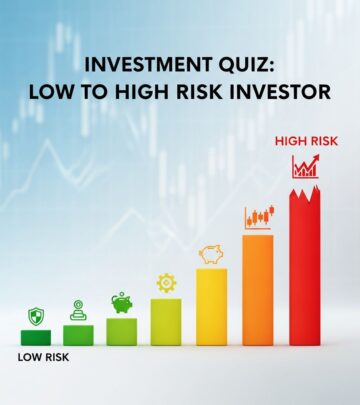
Risk Tolerance Categories
Investors are typically classified into three or four risk tolerance categories, each with distinct characteristics:
Conservative Risk Tolerance
Conservative investors prioritize capital preservation and steady income over aggressive growth. These portfolios typically contain 20-40% stocks and 60-80% bonds and fixed-income securities. Conservative investors accept lower long-term returns in exchange for reduced volatility and more predictable portfolio values.
Moderate Risk Tolerance
Moderate investors seek a balance between growth and stability. A typical moderate portfolio might include 40-60% stocks and 40-60% bonds, providing reasonable growth potential while maintaining meaningful downside protection. These investors can tolerate meaningful market fluctuations but prefer not to experience extreme volatility.
Aggressive Risk Tolerance
Aggressive investors prioritize long-term growth and can tolerate significant portfolio volatility. These portfolios typically contain 70-90% stocks, with smaller allocations to bonds and other defensive investments. Aggressive investors have the financial capacity and psychological comfort to weather substantial market declines in pursuit of higher long-term returns.
Very Conservative Risk Tolerance
Some classification systems include a very conservative category for investors requiring maximum stability, typically holding 80-100% in bonds, money market funds, and other capital-preservation vehicles. This approach is suitable for those with imminent financial needs or very low psychological risk tolerance.
Alignment Between Risk Tolerance and Investment Strategy
One of the most critical aspects of successful investing is ensuring your investment strategy aligns with your actual risk tolerance. Misalignment occurs in two common scenarios:
Taking Excessive Risk
When investors adopt portfolios more aggressive than their true risk tolerance, they often respond emotionally to market downturns by making poor decisions such as panic selling at market bottoms. This results in crystallizing losses and missing subsequent market recoveries.
Taking Insufficient Risk
Conversely, overly conservative portfolios may fail to provide sufficient growth to meet long-term financial objectives. Young investors who keep their entire portfolio in bonds and cash equivalents may find insufficient wealth accumulation by retirement despite their cautious approach.
Risk Tolerance vs. Risk Capacity
It’s important to distinguish between risk tolerance and risk capacity, as these concepts, while related, are distinct:
| Factor | Risk Tolerance | Risk Capacity |
|---|---|---|
| Definition | Psychological ability to accept volatility | Financial ability to absorb losses |
| Basis | Emotional and behavioral | Financial and objective |
| Influenced By | Personality, experience, preferences | Income, assets, time horizon, obligations |
| Example | Fear of market downturns | 30-year investment time horizon |
Your actual appropriate risk level should reflect the lower of these two factors. If your psychological tolerance is low but your financial capacity is high, you may still need a conservative portfolio to prevent emotional decision-making. Conversely, if you have low financial capacity but high psychological tolerance, you must adopt a more conservative approach regardless of your comfort with volatility.
Adjusting Risk Tolerance Over Time
Risk tolerance is not static and changes throughout your life. Major life events such as marriage, children, home purchases, inheritance, job changes, or approaching retirement often necessitate reassessing and potentially adjusting your risk tolerance.
Regular portfolio reviews help ensure your investment strategy continues to align with your current risk tolerance and life circumstances. Many financial advisors recommend reassessing risk tolerance annually or whenever significant life changes occur.
Common Risk Tolerance Mistakes
Several common errors can derail investment success related to risk tolerance:
Following Market Trends
Investors often adjust their risk tolerance based on recent market performance, increasing risk after bull markets and decreasing it after bear markets. This pro-cyclical behavior locks in losses and buys at market peaks.
Overconfidence Bias
After periods of strong returns, some investors overestimate their true risk tolerance and adopt excessively aggressive portfolios that don’t align with their actual circumstances.
Ignoring Time Horizon
Failing to consider your time horizon when determining risk tolerance can lead to inappropriate asset allocation decisions.
Neglecting to Reassess
Many investors establish a risk tolerance profile once and never revisit it, missing important opportunities to realign their portfolio with changing life circumstances.
Frequently Asked Questions (FAQs)
Q: How do I know if my risk tolerance is appropriate for my age?
A: While younger investors typically have higher appropriate risk tolerance due to longer time horizons, individual circumstances vary significantly. Consider your income stability, financial obligations, and psychological comfort with volatility in addition to your age.
Q: Can risk tolerance change over time?
A: Yes, risk tolerance often changes due to life events, changes in financial circumstances, and evolving investment experience. It’s wise to reassess your risk tolerance periodically, particularly after major life changes.
Q: What happens if my portfolio doesn’t match my risk tolerance?
A: Misaligned portfolios often lead to poor decision-making. Excessive risk can cause panic selling during downturns, while insufficient risk may prevent reaching long-term financial goals.
Q: Is high risk tolerance always better?
A: No. The appropriate risk tolerance level is highly individual and depends on your financial capacity, time horizon, and psychological comfort. Higher risk tolerance only benefits you if it’s sustainable for your situation.
Q: How often should I reassess my risk tolerance?
A: Most financial advisors recommend reassessing risk tolerance annually or whenever significant life changes occur, such as job changes, inheritance, marriage, or approaching major financial milestones.
References
- Understanding Investment Risk — CFA Institute. 2024. https://www.cfainstitute.org/
- Investor Profile Questionnaires and Risk Assessment — SEC Division of Investor Protection. https://www.sec.gov/investor/
- Asset Allocation and Portfolio Management — Federal Reserve Board. https://www.federalreserve.gov/
- Behavioral Finance and Risk Tolerance — Journal of Financial Planning, 2023. Academic peer-reviewed source discussing psychological aspects of risk tolerance in investment decisions.
- The Importance of Risk Tolerance in Financial Planning — Heritage Financial Services. https://heritagefinancial.net/the-importance-of-risk-tolerance/
Similar Articles








Read full bio of Sneha Tete