Rising Rates: Impact on New Mortgages
Understand how climbing mortgage rates in 2026 are reshaping home buying, affordability, and market dynamics for new loans.

In 2026, mortgage rates have surged due to persistent inflation, geopolitical tensions, and Federal Reserve decisions, significantly altering the landscape for new homebuyers. This shift demands a closer look at how these changes influence borrowing costs, market participation, and long-term planning.
Current Surge in Mortgage Rates
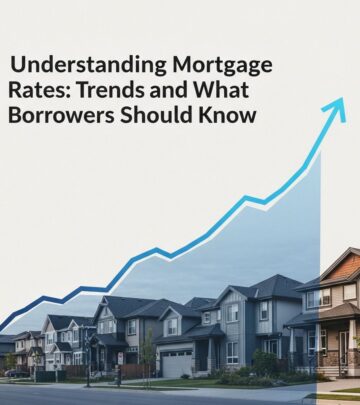
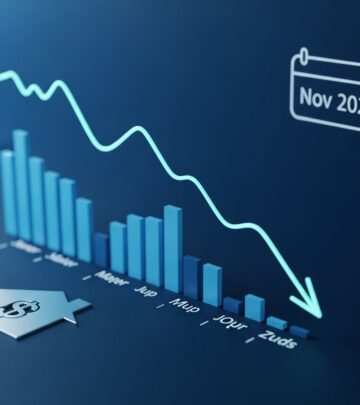
As of late March 2026, the average 30-year fixed mortgage rate has climbed to between 6.31% and 6.43%, up from around 6.11% just weeks prior. Shorter-term 15-year fixed rates hover at 5.54% to 5.78%, reflecting broader economic pressures. These increases stem from the Federal Reserve’s choice on March 18 to maintain its benchmark rate at 3.5% to 3.75%, amid inflation concerns and conflicts like those involving Iran.
Geopolitical instability in the Middle East has driven up energy prices, exacerbating inflation and prompting lenders to raise rates to mitigate risks. By the end of March, some reports noted rates approaching 6.45% or higher, erasing earlier affordability improvements.
Why Rates Are Climbing Now
Several interconnected factors fuel this upward trend. Inflation remains stubborn, preventing anticipated Fed rate cuts. Global events, including the Iran conflict, heighten uncertainty, making investors demand higher yields on bonds that back mortgages.
- Federal Reserve Stance: Holding rates steady signals a cautious approach to avoid reigniting inflation.
- Geopolitical Risks: Energy market disruptions from Middle East tensions inflate costs across the economy.
- Market Volatility: Bond yields, closely tied to mortgage pricing, fluctuate with economic data releases.
Experts like Christopher Hodge from Natixis CIB Americas predict rates will stay range-bound, balancing potential Fed easing against inflationary pressures.
Financial Burden on New Borrowers
Higher rates directly inflate monthly payments. For a $300,000 loan, an 11-basis-point increase adds about $252 annually; for $500,000, it’s $420; and for $750,000, roughly $636. These jumps can push debt-to-income ratios beyond lender thresholds, disqualifying marginal buyers.
| Loan Amount | Rate Increase Impact (Annual) |
|---|---|
| $300k | $252 |
| $500k | $420 |
| $750k | $636 |
Current averages show 30-year fixed at 6.25%, 15-year at 5.53%, and jumbos at 6.41%. Compared to a year ago’s 7.06% for 30-year loans, rates are lower but still elevated versus sub-4% eras.
Shifts in Refinancing Activity
Refinance applications have plummeted, dropping 26% week-over-week and up to 18.5% in mid-March. The refinance share of mortgage activity fell to 49.6%, as most homeowners—82% with rates below 6%—see no benefit in switching. This ‘lock-in effect’ keeps existing low-rate loans intact, stifling refinancing volume.
Homebuyer and Seller Dynamics
Rising rates curb demand, with fewer buyers qualifying for loans amid higher costs. Sellers face a constrained market, as the lock-in effect limits inventory—homeowners hesitate to trade sub-6% rates for new higher ones. This scarcity props up home prices despite softer demand.
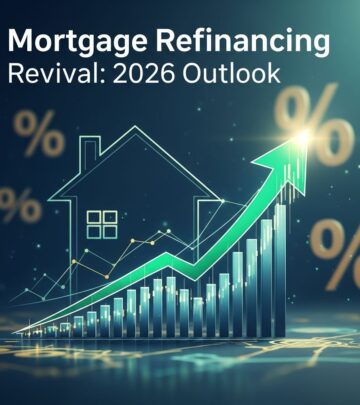
Spring 2026 projections suggest stability around 6%, with ranges of 5.625% to 6.625% possible depending on economic reports and conflicts. Some lenders offer 5% loans, but volatility persists.
Forecasts for the Remainder of 2026
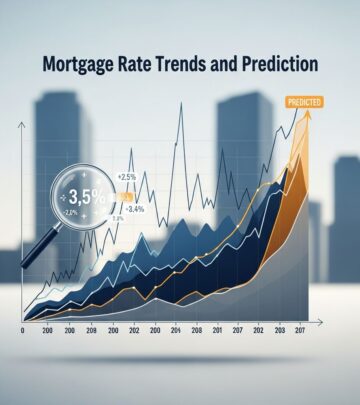
Analysts foresee a ‘higher for longer’ environment, with 30-year rates centering 6.00% to 6.40% through year-end. Morgan Stanley predicts a dip to 5.50%-5.75% in early 2026 tied to falling 10-year Treasury yields to 3.75%, followed by rebounds.
- Early 2026: Modest declines possible, boosting affordability slightly.
- Late 2026: Rates may rise again amid debt burdens and global fragmentation.
- 2027 Outlook: Gradual sales growth as supply responds to lower rates.
Acrisure notes potential volatility but slight declines in the first half.
Strategies for Prospective Buyers
Navigating this market requires proactive steps:
- Shop Multiple Lenders: Compare rates to secure the best deal.
- Consider ARMs: Adjustable-rate mortgages may offer initial savings.
- Improve Credit: Higher scores unlock better rates.
- Save for Larger Down Payment: Reduces loan size and payments.
- Buy Points: Pay upfront to lower the rate.
Monitor Fed announcements and economic indicators for optimal timing.
Broader Housing Market Implications
The lock-in effect, combined with high rates, sustains low inventory, supporting prices. As rates fell in 2025, listings rose, hinting at potential supply growth if declines continue. Affordability challenges persist, but balanced supply-demand could stabilize sales.
Government actions, like directives to Fannie Mae and Freddie Mac for $200 billion in securities, briefly lowered rates earlier, but gains proved fleeting.
FAQs
Will mortgage rates drop soon?
Forecasts indicate limited declines in early 2026, but expect stability around 6% influenced by inflation and geopolitics.
How do rising rates affect my monthly payment?
A 0.3% rate hike on a $400k loan adds about $80 monthly; scale impacts larger loans more.
Is now a good time to buy a home?
Weigh personal finances against market forecasts; improving credit and shopping rates can help.
What is the lock-in effect?
Homeowners with low-rate mortgages avoid selling or refinancing, reducing market supply.
Should I wait for rates to fall?
Timing is uncertain; consult advisors and focus on long-term ownership plans.
References
- The Real Reason Mortgage Rates Are Rising Back in 2026 — Norada Real Estate. 2026-03-24. https://www.noradarealestate.com/blog/the-real-reason-mortgage-rates-are-rising-back-in-2026/
- March 2026 Mortgage Rate Increase — TimeTrex. 2026-03-31. https://www.timetrex.com/blog/march-2026-mortgage-rate-increase
- What could happen with mortgage interest rates spring 2026? Experts — CBS News. 2026-03-15. https://www.cbsnews.com/news/what-could-happen-with-mortgage-interest-rates-spring-2026-experts/
- Mortgage Rates Rise From Three-Year Low — Bankrate. 2026-01-21. https://www.bankrate.com/mortgages/analysis/mortgage-rates-january-21-2026/
- Will Mortgage Rates Go Down in 2026? — Morgan Stanley. 2026. https://www.morganstanley.com/insights/articles/mortgage-rates-forecast-2025-2026-will-mortgage-rates-go-down
- 2026 Mortgage Rate Forecast — Acrisure. 2026. https://www.acrisure.com/blog/2026-mortgage-rate-forecast
Similar Articles








Read full bio of medha deb