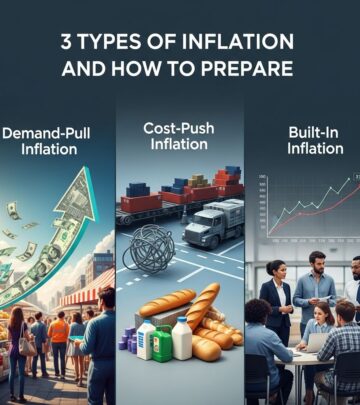
Rising Costs Ahead: 3 Key Strategies to Safeguard Your Finances
Inflation is driving up prices across the board. Discover three proven strategies to protect your money, from smarter budgeting to inflation-beating investments.

In an economy where everyday items from groceries to gas are costing more, maintaining financial stability requires proactive steps. Inflation erodes the value of money over time, making it essential to adapt your personal finance approach. This article outlines three core strategies—establishing a strict budget, tackling high-interest debt, and optimizing savings—to help you navigate these challenges effectively. By implementing these measures, individuals can preserve their purchasing power and secure long-term financial health.
Understanding the Inflation Challenge
Inflation refers to the general rise in prices for goods and services, reducing what your money can buy. Recent data shows persistent upward pressure on costs, affecting essentials like food, housing, and energy. For instance, households are seeing grocery bills climb due to supply chain issues and higher production expenses. Without adjustments, savings dwindle, and fixed incomes stretch thinner. Recognizing this dynamic is the first step toward resilience, allowing for targeted actions that counteract these trends.
Central banks often respond by raising interest rates, which can benefit savers but increase borrowing costs. This dual effect underscores the need for balanced strategies that address both spending and saving. Families and individuals who prepare now can avoid common pitfalls, such as dipping into emergency funds for routine expenses.
Strategy 1: Master Your Budget for Maximum Control
A well-crafted budget is your frontline defense against inflation. It provides visibility into spending patterns, enabling cuts in non-essential areas without sacrificing quality of life. Start by tracking all income sources and categorizing outflows into needs (rent, utilities), wants (dining out, subscriptions), and savings/debt payments.
- Track expenses diligently: Use apps or spreadsheets to log every purchase, revealing hidden leaks like daily coffee runs or unused memberships.
- Adopt a flexible framework: The 50/30/20 rule—50% needs, 30% wants, 20% savings—offers a simple starting point, adjustable for inflation pressures.
- Prioritize meal planning: Shop sales, buy seasonal produce, and prep meals in advance to slash food costs by up to 20-30%.
Regular reviews, perhaps monthly, ensure the budget evolves with price changes. For example, if utility bills rise, counter with energy-efficient habits like LED bulbs and smart thermostats. This approach not only curbs spending but builds discipline for sustained financial health.
| Budget Category | Example Allocations (Monthly $5,000 Income) | Inflation Adjustment Tips |
|---|---|---|
| Needs (50%) | $2,500 | Switch to generic brands; negotiate bills |
| Wants (30%) | $1,500 | Limit entertainment; use free alternatives |
| Savings/Debt (20%) | $1,000 | Automate transfers to high-yield accounts |
Budgeting empowers smarter choices, turning potential crises into opportunities for efficiency.
Strategy 2: Eliminate High-Interest Debt to Free Up Cash Flow
Debt becomes a heavier burden during inflation as interest rates climb, amplifying monthly payments. Prioritizing repayment, especially on credit cards averaging 20%+ APR, liberates funds for essentials and investments. The debt avalanche method—targeting highest rates first—maximizes savings over time.
- Assess your debts: List balances, rates, and minimums to create a payoff roadmap.
- Consolidate if possible: Balance transfers to 0% intro APR cards or personal loans at lower rates can reduce costs significantly.
- Cut new debt: Avoid impulse buys; use cash or debit for purchases to prevent accumulation.
Reducing debt enhances financial flexibility. For a $10,000 credit card balance at 22% interest, paying an extra $200 monthly shaves years off the timeline and saves thousands in interest. Pair this with budgeting to accelerate progress, creating a virtuous cycle of lower obligations and higher savings potential.
Strategy 3: Boost Savings with Inflation-Resistant Options
Traditional savings accounts lose value in inflationary times, but high-yield alternatives keep pace or exceed rising costs. With rates elevated due to Fed policies, now is ideal for reallocating funds.
- High-yield savings accounts: Offering 4-5% APY, these outpace average inflation, ideal for emergency funds covering 3-6 months of expenses.
- Certificates of Deposit (CDs): Lock in rates for terms from 6 months to 5 years, protecting against rate drops.
- I Bonds and TIPS: Government-backed, these adjust with inflation, providing stability for conservative savers.
- Diversify investments: Allocate to stocks or real estate, which historically outperform inflation over the long term.
Build your emergency fund gradually via automatic transfers. Even small, consistent contributions compound, buffering against surprises like job loss or repairs. Review accounts annually to chase better rates, ensuring your money works harder.
Additional Tactics to Enhance Resilience
Beyond the core trio, consider these boosters:
- Shop strategically: Loyalty programs, bulk buys for non-perishables, and comparison shopping stretch dollars.
- Boost income: Side gigs or raises invested directly into savings amplify protection.
- Energy audits: Home improvements like insulation yield ongoing savings on bills.
- Delay big buys: Wait for price stabilization on cars or appliances to avoid peak inflation premiums.
Integrating these creates a comprehensive shield, adapting to economic shifts.
Common Pitfalls to Avoid
Steer clear of panic spending, ignoring rate hikes on variable debts, or neglecting diversification. Over-reliance on credit for daily needs exacerbates problems, while skipping budget updates misses adjustment opportunities. Stay informed via reliable economic indicators to anticipate changes.
FAQs
What is the best savings account during inflation?
High-yield savings accounts or CDs with competitive APYs that match or beat inflation rates are optimal for liquidity and growth.
How much should my emergency fund cover?
Aim for 3-6 months of living expenses in an accessible, high-interest account to weather unexpected costs.
Should I invest in stocks amid rising prices?
Yes, for long-term horizons, as equities have historically outpaced inflation, but align with your risk tolerance.
Can refinancing debt help with inflation?
Absolutely—lower rates via consolidation reduce payments, freeing cash for other priorities.
How often should I review my budget?
Monthly, or after major life/price changes, to maintain control.
Long-Term Planning for Sustained Success
While short-term tactics matter, align with retirement and goals via inflation-adjusted contributions to 401(k)s or IRAs. Consult advisors for personalized portfolios. Consistent application of these strategies fosters not just survival, but thriving in uncertain times. (Word count: 1678)
References
- Strategies for Financial Resilience During High Inflation Times — Wealth Counselors. 2023. https://wealth-counselors.com/blog/strategies-for-financial-resilience-during-high-inflation-times/
- 6 ways to help prepare for inflation — Chase Bank. 2024. https://www.chase.com/personal/banking/education/budgeting-saving/how-to-prepare-for-inflation
- How to Protect Your Finances from Inflation — Mid Penn Bank. 2024. https://midpennbank.com/how-to-protect-your-finances-from-inflation/
- How To Manage Your Savings Strategies During Inflation — Clarendon Hills Bank. 2022-06. https://www.clarendonhillsbank.com/articles/2022/06/how-to-manage-your-savings-strategies-during-inflation.html
- How to Help Protect Yourself Against Inflation — Equifax. 2024. https://www.equifax.com/personal/education/personal-finance/articles/-/learn/how-to-prepare-for-inflation/
Similar Articles








Read full bio of medha deb