The 10 Richest Places to Live in America
Discover America's wealthiest communities where power, prestige, and prosperity converge.
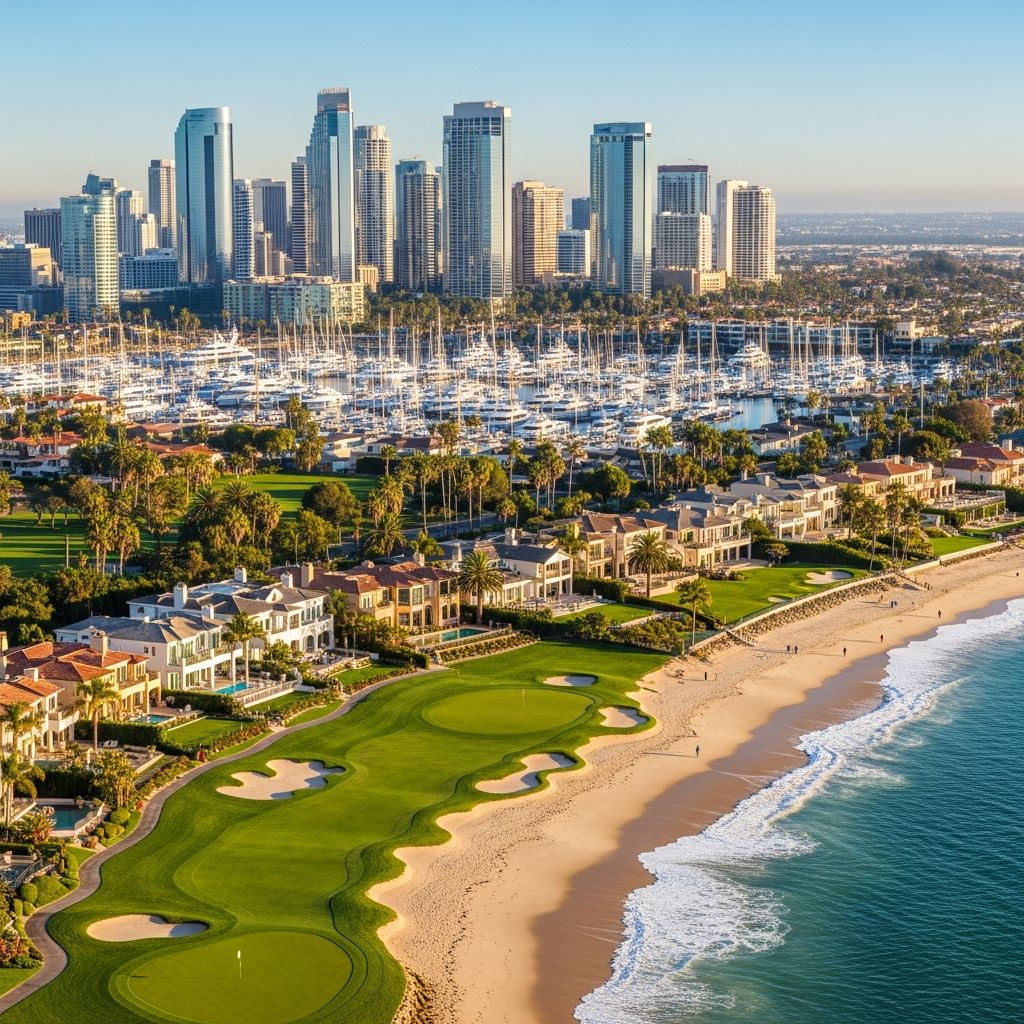
Money and power have long been intertwined in American society, and this relationship is nowhere more evident than in the nation’s wealthiest communities. The richest places to live in America tell a story of economic prosperity, professional achievement, and strategic geographic positioning. These exclusive enclaves attract the nation’s most successful entrepreneurs, executives, and professionals, creating communities where wealth concentration reaches remarkable levels.
Our comprehensive ranking identifies the richest places to live in America based on median household income data and residential demographics. These communities represent the pinnacle of American prosperity, offering not just financial success but also access to premium education, cultural institutions, and unparalleled lifestyle amenities. Understanding where America’s wealthiest congregate provides insight into the nation’s economic geography and the factors that drive prosperity in specific regions.
Understanding Wealth Distribution in America’s Top Communities
The wealthiest places in America share several common characteristics that distinguish them from typical residential communities. These towns and cities typically feature higher median household incomes, larger average home values, and concentrations of high-net-worth individuals. The concentration of wealth in specific geographic areas reflects broader patterns of economic development, corporate headquarters locations, and access to professional opportunities.
The richest communities in America often emerge in strategic locations near major financial centers, technology hubs, or areas with significant natural resources. Geographic proximity to economic opportunities, combined with quality-of-life factors such as excellent schools and cultural amenities, creates self-reinforcing cycles of prosperity. As wealthy individuals relocate to these communities, property values increase, further enhancing the area’s prestige and exclusivity.
The Washington, D.C. Metro Area: America’s Wealth Capital
The Washington, D.C. metropolitan region stands out as a primary concentration of America’s wealthiest communities. Two communities in this region consistently rank at the very top of national wealth rankings: McLean, Virginia, and Bethesda, Maryland. Both towns are located within an hour’s drive of the White House and benefit from their proximity to the nation’s political and economic power centers.
McLean, Virginia represents one of the wealthiest suburban communities in the United States. This affluent enclave in Fairfax County attracts high-ranking government officials, defense contractors, and corporate executives. The community’s median household income significantly exceeds the national average, reflecting the concentration of six-figure earners in the area. McLean’s appeal extends beyond mere income statistics; the town offers exceptional schools, manicured residential properties, and convenient access to both Washington, D.C.’s cultural institutions and the broader Northern Virginia business corridor.
Bethesda, Maryland rivals McLean as one of America’s most affluent communities. Located in Montgomery County, just north of Washington, D.C., Bethesda combines suburban tranquility with urban sophistication. The presence of the National Institutes of Health and numerous healthcare institutions has attracted medical professionals and biotech entrepreneurs to the area. Bethesda’s downtown district features upscale shopping, fine dining, and cultural venues, while residential neighborhoods showcase architecturally significant homes on expansive lots.
Silicon Valley’s Exclusive Enclaves
The San Francisco Bay Area and Silicon Valley region have emerged as major centers of wealth concentration, driven by the explosive growth of the technology industry. These communities attract venture capitalists, successful startup founders, and senior technology executives who have accumulated substantial wealth through equity stakes and executive compensation packages.
Los Altos Hills, California, stands as one of Silicon Valley’s most exclusive residential communities, with median household incomes among the highest in the nation. This gated community in Santa Clara County has long been favored by technology industry titans and wealthy entrepreneurs seeking privacy, security, and proximity to the region’s major tech companies. The community’s emphasis on privacy, combined with large properties and excellent schools, makes it an ideal destination for those seeking to separate personal life from the intense pace of Silicon Valley business culture.
Other Silicon Valley communities also rank among America’s wealthiest, benefiting from the region’s extraordinary concentration of corporate headquarters, venture capital firms, and technology companies. These areas feature some of the nation’s highest median home prices and household incomes, reflecting the substantial wealth creation occurring in the technology sector.
Key Characteristics of America’s Richest Communities
Several defining characteristics distinguish the wealthiest places to live in America from other residential communities:
Exceptional Educational Institutions
America’s richest communities consistently feature outstanding school systems, with some of the nation’s highest per-pupil spending and test scores. These excellent schools serve as primary attractors for families with children and contribute significantly to property values in wealthy neighborhoods. Access to top-tier education remains one of the most important factors driving families to relocate to affluent communities.
Premium Real Estate and Property Values
Median home values in America’s wealthiest communities often exceed $500,000, with many exceeding $1 million. Large lot sizes, architectural distinction, and access to natural amenities contribute to premium property prices. The scarcity of available properties in these desirable communities further drives up real estate values and maintains exclusivity.
Strategic Geographic Location
Proximity to major economic centers, whether Washington, D.C., Silicon Valley, or other major metropolitan areas, plays a crucial role in determining which communities attract and retain wealth. Easy access to employment opportunities, cultural institutions, and transportation networks enhances these communities’ appeal.
Professional and Corporate Presence
America’s richest communities typically host concentrations of professional services firms, corporate offices, and financial institutions. Lawyers, doctors, investment professionals, and corporate executives form the backbone of the residential population in these areas. The presence of these high-income professionals creates a reinforcing cycle of prosperity and prestige.
Lifestyle Amenities and Cultural Offerings
Fine dining establishments, upscale shopping districts, golf clubs, and cultural venues characterize America’s wealthiest communities. These amenities cater to affluent residents’ preferences for sophisticated entertainment and leisure activities. Access to museums, theaters, concert halls, and other cultural institutions enhances quality of life and community prestige.
Economic Drivers Behind America’s Wealthiest Communities
Understanding the sources of wealth in America’s richest communities provides insight into broader economic trends. Several sectors consistently generate the wealth that concentrates in these exclusive enclaves:
Government and Public Service: Communities near Washington, D.C., benefit from concentrations of highly compensated government officials, defense contractors, and policy professionals. Federal employment and government contracting represent significant sources of wealth in this region.
Technology and Innovation: Silicon Valley and surrounding areas owe their wealth primarily to the technology industry. Successful entrepreneurs, venture capitalists, and senior technology executives have accumulated extraordinary wealth through company growth and equity appreciation.
Finance and Professional Services: Communities near major financial centers attract investment professionals, attorneys, accountants, and business consultants whose high incomes drive up median household earnings. Professional services remain a primary wealth generator in many affluent communities.
Healthcare and Biotechnology: Areas with major medical institutions and pharmaceutical research facilities attract highly compensated doctors, research scientists, and healthcare entrepreneurs.
Natural Resources and Energy: Some wealthy communities emerge in areas with significant oil, gas, or mineral resources, where extraction industries create employment opportunities and generate substantial incomes.
Comparing America’s Richest Communities
| Community | State | Primary Economic Driver | Median Home Value (approx.) | Key Characteristics |
|---|---|---|---|---|
| McLean | Virginia | Government & Defense Contractors | $800,000+ | D.C. proximity, Executive residences |
| Bethesda | Maryland | Healthcare & Government | $750,000+ | NIH presence, Urban amenities |
| Los Altos Hills | California | Technology & Venture Capital | $1,000,000+ | Privacy, Tech proximity, Gated community |
| Palo Alto | California | Technology & Education | $1,200,000+ | Stanford proximity, Tech talent hub |
| Princeton | New Jersey | Education & Finance | $900,000+ | University town, Northeast corridor |
The Role of Education in Wealthy Communities
Educational excellence represents one of the most significant distinguishing factors of America’s richest communities. School systems in affluent areas benefit from higher tax revenues, which translate into better facilities, more experienced teachers, and broader curriculum offerings. Parents in wealthy communities prioritize education as an investment in their children’s future success, and the correlation between community wealth and educational achievement remains strong across the nation.
Many of America’s richest communities host prestigious private institutions in addition to excellent public schools. Access to both top-tier public schools and selective private alternatives provides educational flexibility for families. The presence of universities, particularly prestigious research institutions, further enhances the educational ecosystem in wealthy communities.
Lifestyle and Quality of Life in America’s Wealthiest Places
Beyond income statistics and property values, America’s richest communities distinguish themselves through superior quality of life. These areas typically feature lower crime rates, excellent healthcare facilities, well-maintained public infrastructure, and abundant recreational opportunities. Parks, golf clubs, tennis facilities, and other recreational amenities cater to affluent residents’ lifestyle preferences.
The social fabric of wealthy communities often reflects shared professional backgrounds and educational experiences. Country clubs, professional associations, and civic organizations provide networking opportunities and social engagement. These communities foster a sense of belonging among residents who share similar professional achievements and lifestyle preferences.
Investment Implications and Real Estate Considerations
America’s richest communities represent not just residential areas but also significant investment opportunities. Properties in these exclusive enclaves typically appreciate steadily, reflecting consistent demand from high-income individuals and strong economic fundamentals in their regions. Real estate in the wealthiest communities tends to weather economic downturns more effectively than properties in less affluent areas, making these investments relatively stable.
However, acquisition costs remain extraordinarily high, limiting property ownership to the genuinely wealthy. Median home prices in these communities often exceed regional averages by multiples, placing entry into these markets within reach only for high-net-worth individuals. The scarcity of available properties further constrains supply and maintains premium pricing.
Demographic Trends in America’s Wealthiest Communities
America’s richest communities continue to evolve as economic drivers shift and demographics change. Technology’s growth has elevated Silicon Valley communities’ relative wealth positions. Meanwhile, Washington, D.C.’s wealthiest suburbs remain stable due to government employment’s consistency. Emerging business centers in places like Austin, Texas, and Miami, Florida, have created new wealth concentrations that compete with traditional affluent communities for high-income residents.
Demographic diversity in wealthy communities varies significantly by region. Some of the nation’s richest areas have historically featured limited diversity, though this pattern shows signs of gradual change as wealth creation diversifies across demographic groups. Immigration of skilled professionals and entrepreneurs from around the world has contributed to demographic shifts in technology hubs particularly.
Frequently Asked Questions
Q: What makes a town one of America’s richest?
A: America’s richest towns are typically identified by median household income, average home values, and the concentration of high-net-worth residents. Communities featuring multiple six-figure income households, excellent schools, and strategic locations near major economic centers consistently rank among the wealthiest.
Q: Can average-income families afford to live in America’s richest communities?
A: While technically possible, acquiring property in America’s richest communities remains extremely challenging for average-income families. Median home prices in these areas often exceed $800,000 to $1,000,000+, placing them financially out of reach for most Americans.
Q: Do America’s richest communities always have the best schools?
A: Generally yes. Wealthy communities consistently feature excellent school systems due to higher tax revenues and greater per-pupil spending. However, exceptional schools also exist in some less wealthy communities with strong community support for education.
Q: What are the primary employment opportunities in America’s richest communities?
A: Employment opportunities vary by region. Washington, D.C. suburbs offer government and defense contracting positions; Silicon Valley communities feature technology sector jobs; while other affluent areas host financial services, healthcare, and professional services employment.
Q: How stable are property values in America’s richest communities?
A: Properties in the wealthiest communities tend to maintain value effectively through economic cycles. The strong demand from high-net-worth individuals seeking these exclusive locations provides consistent price support and typically results in steady appreciation over time.
References
- 25 Small Towns With Big Millionaire Populations — Kiplinger. https://www.kiplinger.com/investing/601362/25-small-towns-with-big-millionaire-populations
- The 10 Richest Places to Live in America — Money Magazine. https://money.com/collection-post/richest-towns-america/
- The Safest and Richest US Cities To Live in 2025 — GOBankingRates. https://www.gobankingrates.com/money/economy/the-safest-and-richest-us-cities-to-live-in-2025/
- Top 10 Wealthiest Cities in America in 2025 — Savory & Partners. https://www.savoryandpartners.com/blog/wealthiest-cities-america
- What life looks like in America’s richest towns versus its poorest — LoveMoney. https://www.lovemoney.com/gallerylist/91056/what-life-looks-like-in-americas-richest-towns-versus-its-poorest
Similar Articles








Read full bio of medha deb