Do RFID-Blocking Wallets Really Work? The Truth
Discover whether RFID-blocking wallets are worth your money or just marketing hype.
Do RFID-Blocking Wallets Really Work?
The market is flooded with RFID-blocking wallets, purses, and passport holders, all promising to protect your financial information from digital theft. But do they actually work, and more importantly, do you need one? The answer might surprise you.
Understanding RFID Technology
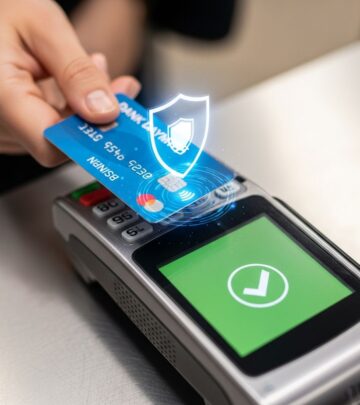
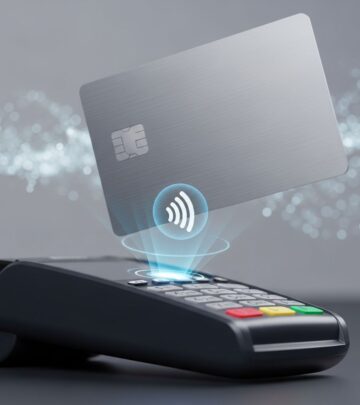
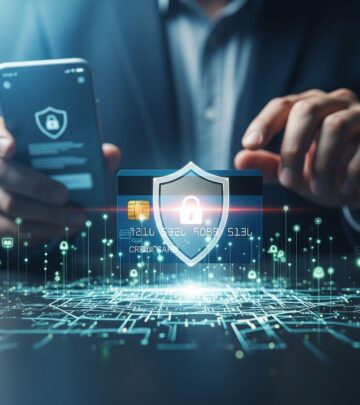
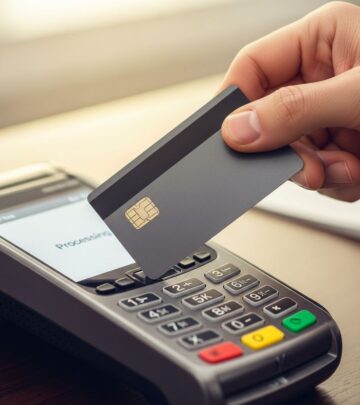
RFID (Radio-Frequency Identification) technology has become ubiquitous in modern payment systems. If your credit or debit card has a wavy symbol on it, that indicates the presence of RFID technology, which allows you to tap your card at a checkout register without physically inserting it into a machine or handing it to a cashier. This contactless payment method works by pushing out a tiny amount of data that gets picked up by a payment terminal.
The convenience of tap-to-pay is undeniable, but it also raised concerns about security. Since RFID readers are readily available online for as little as $80, theoretically anyone with a reader could stand near you and attempt to scrape your card data without your consent. This potential vulnerability sparked an entire industry around RFID-blocking products designed to interfere with radio signals and prevent unauthorized data access.
How RFID-Blocking Wallets Work
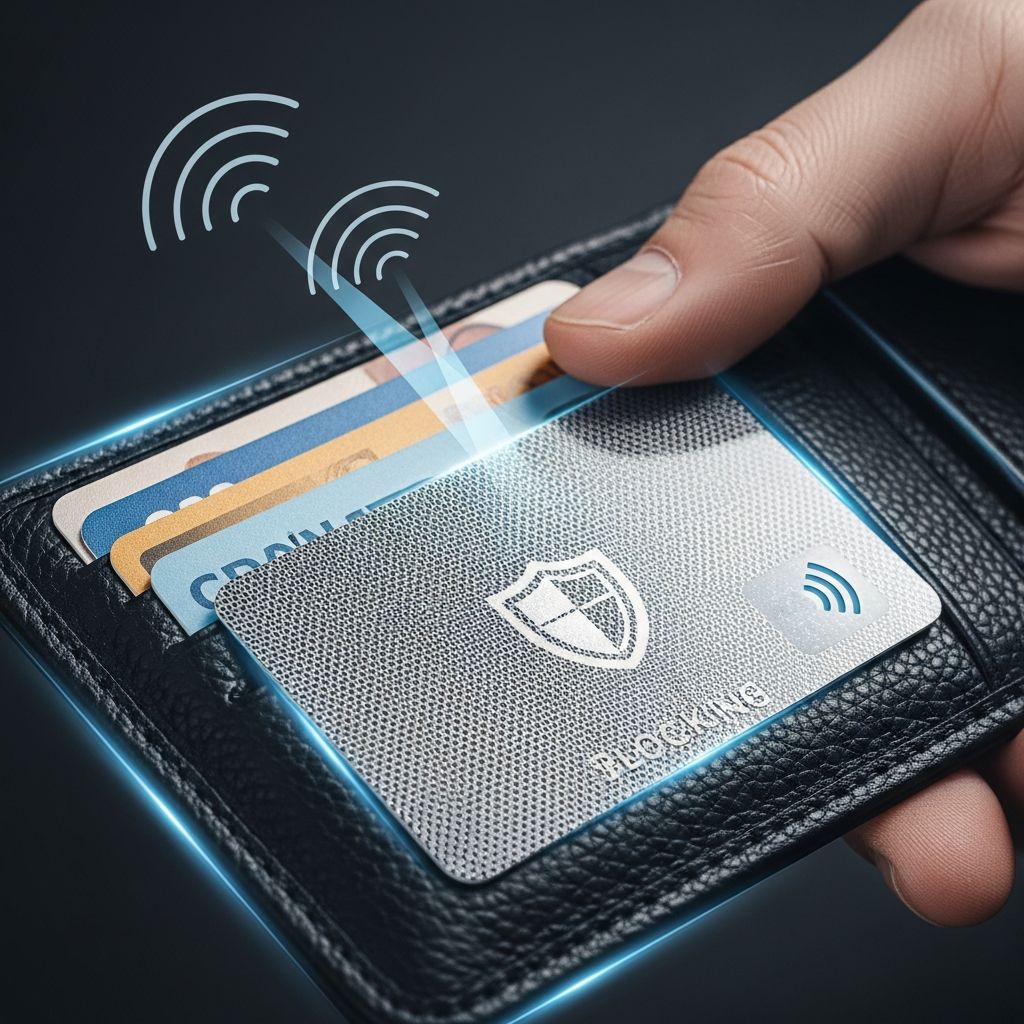
RFID-blocking wallets are made from materials that interfere with radio signals, creating a shield around your cards. The theory is straightforward: if the signal is blocked, potential thieves cannot read your card information. Special materials embedded in these wallets are designed to absorb or redirect the electromagnetic waves that RFID readers use to communicate with your cards.
These wallets come in various styles and price points, from budget-friendly options to premium designs. Some use advanced materials like aluminum or copper mesh, while others employ proprietary blocking technology. Despite the marketing claims and product proliferation, a critical question remains: is this protection actually necessary?
The Real Risk: How Low Is It?
According to Roger A. Grimes, a data-driven defense evangelist at KnowBe4, the actual risk of RFID theft is extremely low. In nearly two and a half decades of research, he has never found a single real-world crime that would have been prevented by an RFID blocker. This is a significant statement from a cybersecurity expert.
Mallory Knodel, the chief technology officer at the Center for Democracy and Technology, characterizes RFID theft as “not something to panic about.” While acknowledging that the theoretical risk exists, Knodel points out that RFID tags can only transmit a small amount of data to begin with. Additionally, recent advances in cybersecurity make the information an attacker could potentially obtain through RFID less and less usable over time.
RFID crime is genuinely rare. In the handful of documented cases where card information was stolen via RFID, the scenarios typically involved someone having to physically remove their card from their wallet to use it at a gas station or similar location. In these cases, an RFID-blocking wallet would not have prevented the crime anyway, since the card was already removed from its protective casing.
What Data Can Actually Be Stolen?
Understanding exactly what information can be compromised through RFID is essential to assessing the real threat. RFID-enabled cards transmit limited information compared to what’s printed on the card itself. While an attacker could theoretically read certain card details, modern fraud detection systems have made it increasingly difficult to exploit this information.
The stripe on your credit card remains the biggest vulnerability for card theft. Unlike RFID technology, magnetic stripe data can be easily cloned and used for fraudulent transactions. This is why security experts point out that if a thief has your full card information, including the CVV, they could potentially make unauthorized purchases. However, modern card networks include multiple layers of fraud detection that make this increasingly risky for criminals.
Better Alternatives to RFID-Blocking Wallets
Rather than investing in expensive RFID-blocking wallets, security experts recommend focusing on more effective protection strategies. Here are the recommended best practices:
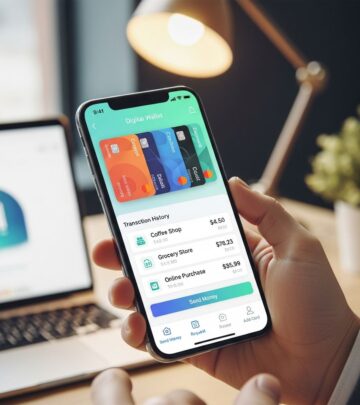
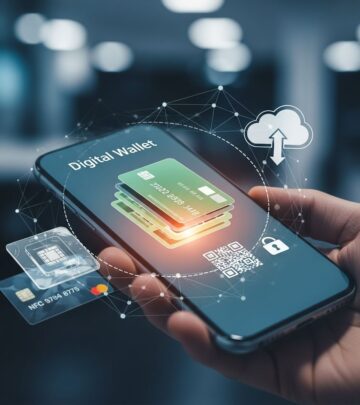
Use Mobile Wallets: Security experts strongly recommend storing your cards in mobile payment systems like Apple Pay or Google Pay. These systems use advanced encryption and tokenization, making them significantly more secure than physical RFID-enabled cards. Mobile wallets also require biometric authentication or passcodes for transactions, adding an extra security layer.
Enable Biometric Authentication: Set up fingerprint or facial recognition on your mobile devices to prevent unauthorized access even if your phone is stolen.
Use Strong Passcodes: Implement complex passwords and PINs that are difficult to guess. Avoid using easily guessable information like birthdays or sequential numbers.
Enable Remote-Wipe Features: Familiarize yourself with your device manufacturer’s remote wipe capabilities so you can erase your phone and payment information if it’s lost or stolen.
Watch for Social Engineering: Be vigilant about instances where strangers might trick you into sharing personal data. Many identity theft cases result from social engineering rather than technical hacking.
Freeze Your Credit: Consider placing a credit freeze with the major credit bureaus to prevent unauthorized account openings in your name.
Prefer Credit Over Debit: Use credit cards instead of debit cards whenever possible. Credit cards come with superior fraud protections than debit cards, and the recovery process is significantly easier if your card information is compromised.
When RFID-Blocking Wallets Make Sense
While RFID-blocking wallets are largely unnecessary from a security standpoint, they do have some legitimate use cases. If you are traveling internationally to crowded tourist areas where pickpocketing is prevalent, an RFID-blocking wallet might provide psychological peace of mind. Additionally, if you carry multiple RFID-enabled cards and frequently visit places with high concentrations of people, you might appreciate the extra layer of protection, even if the actual risk is minimal.
The key distinction is this: if you like a wallet and it happens to have RFID-blocking capability, there’s no harm in using it. However, going out of your way to purchase an expensive wallet solely for this feature is unnecessary for most people. The security benefit simply doesn’t justify the additional cost for average consumers in typical situations.
Why RFID Blockers Are Overhyped
The widespread marketing of RFID-blocking products represents a classic case of creating fear around a low-probability risk. Manufacturers and retailers have successfully convinced consumers that RFID theft is a significant threat when, in reality, it remains exceptionally rare. The industry thrives on consumer anxiety rather than demonstrated security need.
This marketing approach diverts people’s attention and resources away from genuinely significant security threats. Rather than focusing on the relatively insignificant RFID risk, consumers should concentrate on implementing the fundamental security practices mentioned above, which provide substantially more protection against identity theft and fraud.
The Bottom Line
RFID-blocking wallets are largely overhyped due to the extremely low actual risk of RFID-related theft. While the technology works as advertised and can block radio signals, the practical benefit for most people is negligible. Going out of your way to buy an expensive RFID-blocking wallet solely for this capability is not a worthwhile investment for the vast majority of consumers.
Security experts consistently recommend focusing your energy and resources on more significant threats to your financial security. Moving your payment information to mobile wallets, setting up strong authentication methods, practicing good digital hygiene, and using credit cards strategically will provide far more protection than any RFID-blocking wallet ever could.
Frequently Asked Questions
Q: Can criminals really steal my credit card information using RFID?
A: While theoretically possible, RFID theft is extremely rare in practice. No documented real-world crimes have been prevented by RFID blockers, and modern fraud detection systems make it difficult for thieves to exploit stolen RFID data.
Q: Are RFID-blocking wallets worth the extra cost?
A: For most people, no. The actual security benefit is minimal relative to the cost. Unless you’re traveling internationally to high-crime areas or simply want peace of mind, the expense isn’t justified.
Q: What’s the best way to protect my credit cards?
A: Use mobile payment systems like Apple Pay or Google Pay with biometric authentication, enable strong passcodes, set up credit freezes, watch for social engineering, and prefer credit cards over debit cards for better fraud protections.
Q: Should I avoid tap-to-pay credit cards altogether?
A: No. Tap-to-pay technology is actually quite secure and convenient. The added security from mobile wallets or using the card directly is sufficient protection for most consumers.
Q: Can RFID blockers help if my physical wallet is stolen?
A: RFID blockers won’t help once your wallet is stolen. Focus instead on monitoring your accounts, placing fraud alerts, and enabling remote-wipe features on your devices.
References
- Dollar Scholar Asks: Do RFID-Blocking Wallets Really Work? — Money Magazine. 2024. https://money.com/dollar-scholar-rfid-blocking-wallets/
- Best RFID Blocking Wallets for Travel in 2025 — YouTube. 2025. https://www.youtube.com/watch?v=z47d3DZqUBI
- TRUTH behind RFID blocking wallets: EDUCATE, is it still a scam? — YouTube. 2024. https://www.youtube.com/watch?v=l-hl9clVORQ
- Federal Trade Commission: Identity Theft — U.S. Government. 2024. https://www.identitytheft.gov/
- Consumer Financial Protection Bureau: Card Security — U.S. Government. 2024. https://www.consumerfinance.gov/
Similar Articles








Read full bio of medha deb