Revolving Credit: Definition, Types, and How It Works
Master revolving credit: Understand how flexible borrowing works and when to use it.
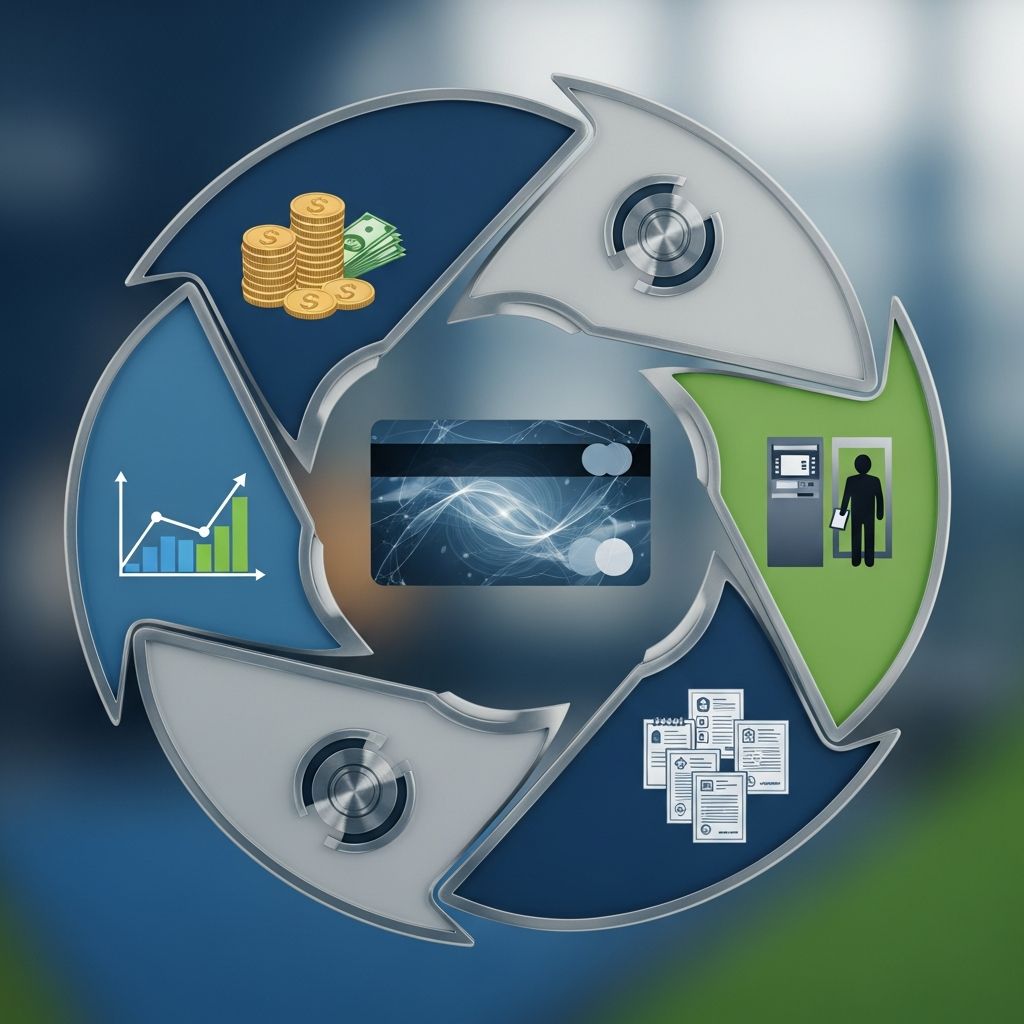
Understanding Revolving Credit
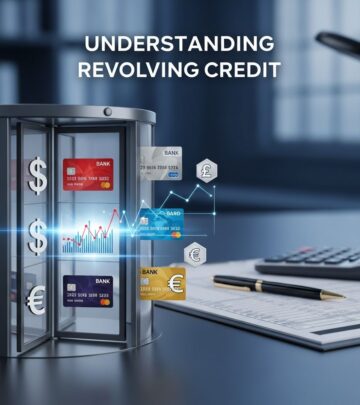
Revolving credit is a flexible financial product that allows borrowers to access funds up to a predetermined limit, use those funds, repay them, and then borrow again as needed. Unlike traditional installment loans such as mortgages or auto loans, revolving credit provides ongoing access to capital without requiring a specific end date for repayment. This dynamic nature makes revolving credit an attractive option for both individuals and businesses seeking financial flexibility.
The concept of revolving credit operates similarly to a credit card, where borrowers receive a maximum credit limit and can draw funds at their discretion. As payments are made, the credit becomes available for borrowing again, creating a renewable pool of funds. Interest accrues only on the amount borrowed, not on the entire credit limit, making it a cost-effective borrowing solution when used responsibly.
Key Characteristics of Revolving Credit
Revolving credit has several distinctive features that set it apart from other financing options:
- Flexible Access: Borrowers can draw funds whenever needed, up to their credit limit
- Renewable Credit: As payments are made, the available credit is restored
- No Fixed End Date: The account remains open as long as the borrower maintains good standing
- Variable Payments: Monthly payments are not fixed and depend on the outstanding balance
- Interest on Used Funds: Interest charges apply only to the amount borrowed, not the entire limit
- Credit Limit Increases: Lenders may increase the maximum credit limit based on payment history
Types of Revolving Credit
Several common forms of revolving credit are available to consumers and businesses:
Credit Cards
Credit cards represent the most familiar type of revolving credit. Cardholders receive a credit limit and can make purchases up to that amount. Each month, cardholders can choose to pay the full balance, a portion of it, or the minimum required payment. Any unpaid balance carries over to the next month and accrues interest at the card’s specified annual percentage rate (APR).
Home Equity Lines of Credit (HELOC)
A Home Equity Line of Credit (HELOC) is a secured revolving credit arrangement tied to a borrower’s home equity. The lender establishes a credit limit based on the difference between the home’s current market value and the outstanding mortgage balance. HELOCs typically offer lower interest rates than unsecured credit products because the home serves as collateral. Borrowers can access funds via check, a connected credit card, or electronic transfer and pay interest only on the amounts borrowed.
Business Lines of Credit
Many small business owners and corporations utilize business lines of credit to finance capital expansion, manage seasonal cash flow fluctuations, or cover unexpected expenses. These arrangements provide businesses with quick access to capital without the lengthy approval process associated with traditional term loans.
Overdraft Protection
Overdraft protection is a form of revolving credit linked to checking or demand deposit accounts. When account holders spend more than their available balance, the overdraft protection prevents checks from bouncing or purchases from being declined. The overdraft amount must be repaid with interest, typically at rates higher than standard revolving credit products.
How Revolving Credit Works
The mechanics of revolving credit involve several interconnected components:
Credit Limit Establishment
When opening a revolving credit account, the lender establishes a maximum credit limit. This limit is typically determined by the borrower’s creditworthiness, income, credit history, and existing debt obligations. For secured revolving credit like HELOCs, the limit is based on the value of the collateral.
Borrowing and Repayment
Once approved, borrowers can access funds at any time, up to their credit limit. There is no requirement to use the entire limit. As payments are made, the available credit is replenished, allowing the borrower to access those funds again. This cycle continues indefinitely, provided the account remains in good standing.
Interest Accrual
Interest is calculated on the outstanding balance, not the entire credit limit. If a borrower has a $10,000 credit limit but only borrows $3,000, interest accrues only on the $3,000. The interest rate varies depending on the type of revolving credit and the borrower’s creditworthiness.
Payment Flexibility
Unlike installment loans with fixed monthly payments, revolving credit offers payment flexibility. Borrowers can pay the minimum amount required, pay a portion of the balance, or pay the full balance. However, carrying a balance results in interest charges on the unpaid amount.
Revolving Credit vs. Non-Revolving Lines of Credit
While revolving credit and non-revolving lines of credit share similarities, they have fundamental differences:
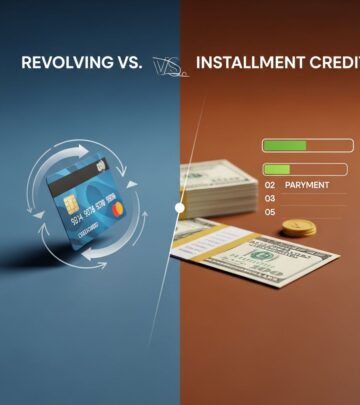
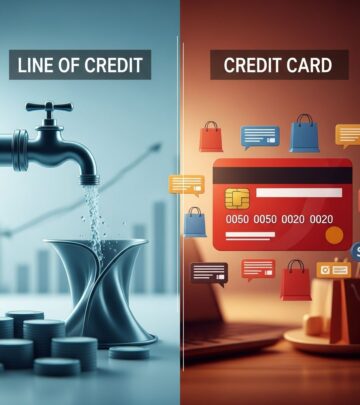
| Feature | Revolving Credit | Non-Revolving Line of Credit |
|---|---|---|
| Credit Renewal | Credit replenishes as payments are made | Credit does not replenish after payments |
| Account Duration | Remains open indefinitely if in good standing | Closes once the credit line is fully paid off |
| Usage Flexibility | Can borrow repeatedly up to limit | One-time access to the approved amount |
| Payment Structure | Variable payments based on balance | More structured payment arrangements |
| Interest Charges | Only on borrowed amount | Only on borrowed amount |
Revolving Credit vs. Traditional Loans
Revolving credit differs significantly from traditional installment loans:
Purpose and Use
Traditional loans like mortgages, auto loans, and student loans have specific purposes defined at origination. Borrowers must declare the intended use before receiving funds and cannot deviate from that purpose. Revolving credit, conversely, can be used for any purpose at the borrower’s discretion.
Payment Structure
Installment loans feature fixed monthly payments over a set period. Revolving credit has variable or flexible payments based on the outstanding balance, providing greater flexibility but potentially allowing debt to persist longer if only minimum payments are made.
Interest Calculation
With installment loans, interest is calculated on the full loan amount borrowed upfront. With revolving credit, interest accrues only on the funds actually borrowed and outstanding.
Funding Timeline
Traditional loans provide a lump sum at origination. Revolving credit allows borrowers to draw funds as needed over time, making it ideal for ongoing or unpredictable expenses.
Advantages of Revolving Credit
Revolving credit offers numerous benefits for both individuals and businesses:
Financial Flexibility
Borrowers can access funds when needed without the lengthy approval process required for traditional loans. This flexibility makes revolving credit ideal for emergencies, unexpected expenses, or planned large purchases.
Cost Efficiency
Interest is charged only on borrowed funds, not on unused credit limits. This structure reduces interest costs compared to borrowing a lump sum upfront and paying interest on the entire amount regardless of actual use.
Credit Score Building
Regular, on-time payments on revolving credit accounts positively impact credit scores. Maintaining low credit utilization ratios (using only a small percentage of available credit) can further boost credit ratings.
Increasing Credit Limits
Lenders often increase credit limits for borrowers who demonstrate responsible payment behavior, providing access to additional capital when needed.
Payment Flexibility
Unlike fixed-payment loans, revolving credit allows borrowers to adjust payments based on their financial situation, though carrying balances results in interest charges.
Potential Drawbacks of Revolving Credit
While revolving credit offers flexibility, it comes with potential risks:
Debt Accumulation
The ease of access to revolving credit can lead to overspending and excessive debt accumulation, particularly if borrowers only make minimum payments.
High Interest Rates
Unsecured revolving credit, such as credit cards, often carries higher interest rates than secured loans or installment loans, making carried balances expensive.
Minimum Payment Trap
Making only minimum payments extends repayment periods and increases total interest paid. A borrower paying only minimums on a high balance may take decades to become debt-free.
Variable Interest Rates
Many revolving credit products feature variable interest rates that can increase over time, raising monthly payments and total borrowing costs.
Secured vs. Unsecured Revolving Credit
Revolving credit comes in two primary forms:
Secured Revolving Credit
Secured revolving credit is backed by collateral, such as a home (as in HELOCs) or investment accounts. Because the lender has a claim on the collateral if the borrower defaults, secured credit typically features lower interest rates and higher credit limits. However, defaulting on secured credit can result in loss of the collateral.
Unsecured Revolving Credit
Unsecured revolving credit, such as most credit cards and personal lines of credit, is not backed by collateral. Lenders rely on the borrower’s creditworthiness and ability to repay. Unsecured credit typically carries higher interest rates and lower credit limits than secured alternatives, but borrowers do not risk losing specific assets if they default.
Who Uses Revolving Credit?
Revolving credit serves diverse borrowing needs across multiple groups:
Individuals
Consumers use revolving credit for everyday purchases, emergency expenses, home renovations, medical bills, and other ongoing or unexpected costs. Credit cards are the most common form of personal revolving credit.
Small Businesses
Small business owners utilize revolving credit lines to finance capital expansion, manage cash flow gaps between income cycles, purchase inventory, or cover operational expenses. Business lines of credit provide quick access to capital without the formality of traditional business loans.
Large Corporations
Corporations maintain revolving credit facilities as part of their overall financial strategy, using them for operational needs, acquisitions, or as backup liquidity sources.
Managing Revolving Credit Responsibly
To maximize the benefits of revolving credit while minimizing risks, borrowers should follow these practices:
- Keep Utilization Low: Use only 10-30% of available credit to maintain healthy credit scores
- Pay on Time: Make at least minimum payments by due dates to avoid late fees and credit damage
- Pay More Than Minimums: Whenever possible, pay more than the minimum to reduce interest charges and pay off balances faster
- Avoid Cash Advances: Cash advances typically carry higher interest rates and additional fees
- Monitor Statements: Regularly review account statements for errors or unauthorized charges
- Understand Terms: Know the interest rate, payment due date, grace period, and fees associated with the account
Frequently Asked Questions
Q: What is the main difference between revolving credit and a line of credit?
A: The primary difference is that revolving credit renews as payments are made, allowing repeated borrowing up to the credit limit, while a non-revolving line of credit closes once it is fully repaid and cannot be used again.
Q: How does a HELOC differ from a credit card?
A: A HELOC is secured by home equity, typically offers lower interest rates, and provides larger credit limits. Credit cards are unsecured, have higher interest rates, and lower limits. Both are forms of revolving credit with flexible borrowing and repayment.
Q: Can I increase my revolving credit limit?
A: Yes, lenders often increase credit limits for borrowers with consistent, on-time payment histories. You may also request a credit limit increase from your lender.
Q: Is revolving credit better than a traditional loan?
A: Neither is inherently better; they serve different purposes. Revolving credit offers flexibility for ongoing or variable expenses, while traditional loans are better for specific, one-time purchases with fixed repayment schedules.
Q: How does my credit utilization ratio affect my credit score?
A: Credit utilization—the percentage of available credit you use—significantly impacts credit scores. Keeping utilization below 30% typically benefits your score, while higher utilization can lower it.
Q: What happens if I only make minimum payments on revolving credit?
A: Making only minimum payments extends your repayment period significantly and substantially increases the total interest paid over time. This practice can keep you in debt for years longer than necessary.
References
- The Difference Between Revolving Credit vs Line of Credit — Old National Bank. 2025. https://www.oldnational.com/resources/insights/the-difference-between-revolving-credit-vs-line-of-credit/
- What Is a Home Equity Line of Credit (HELOC)? — Consumer Financial Protection Bureau. 2024. https://www.consumerfinance.gov/ask-cfpb/what-home-equity-line-credit-heloc-en-1585/
- Credit Utilization: How Much of Your Credit Should You Use? — Federal Reserve. 2024. https://www.federalreserve.gov/
Similar Articles








Read full bio of Sneha Tete