Revocable Vs Irrevocable Trusts: Key Differences And Uses
Discover the core differences between revocable and irrevocable trusts to make informed choices for asset protection, tax savings, and legacy planning.

Trusts serve as powerful tools in estate planning, enabling individuals to manage and distribute assets efficiently while addressing concerns like probate, taxes, and family needs. The two primary types—**revocable trusts** and
irrevocable trusts
—differ fundamentally in control, flexibility, and benefits. This guide breaks down their features, advantages, drawbacks, and ideal applications to help you decide which aligns with your financial goals.Defining the Basics of Trusts
A trust is a legal arrangement where a grantor transfers assets to a trustee for the benefit of designated beneficiaries. The trustee holds legal title to the assets and follows the trust’s terms for management and distribution. Key parties include the grantor (creator), trustee (manager), and beneficiaries (recipients).
Trusts bypass probate, ensuring private and swift asset transfers. They also allow customized instructions for incapacity or posthumous distributions. Understanding revocable and irrevocable variants is crucial for leveraging these benefits effectively.
Revocable Trusts: Flexibility at Your Fingertips
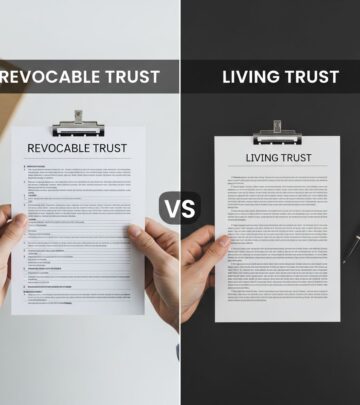
Also called living trusts,
revocable trusts
let the grantor retain full authority over assets during their lifetime. You can amend terms, add or remove property, change beneficiaries, or dissolve the trust entirely at any time, provided mental capacity exists.- Easy Modifications: Adjust for life events like marriage, divorce, or new grandchildren without court involvement.
- Self-Management: Grantor often serves as initial trustee, maintaining direct control over investments and decisions.
- Incapacity Planning: Successor trustee steps in seamlessly if the grantor becomes unable to manage affairs, avoiding conservatorship.
Upon the grantor’s death, the trust becomes irrevocable, distributing assets per instructions while keeping details private.
Irrevocable Trusts: Commitment for Long-Term Security
**Irrevocable trusts** lock in terms once established. The grantor relinquishes ownership and control, transferring assets permanently to the trust. Changes require beneficiary and trustee consent, if possible at all.
- Permanent Structure: Designed for enduring goals like tax reduction or asset shielding.
- Independent Trustee: Often a third party manages assets, ensuring impartiality.
- Asset Removal: Property exits the grantor’s estate, altering tax and liability profiles.
This rigidity provides stability but demands careful initial planning.
Core Differences: A Side-by-Side Analysis
The table below highlights pivotal contrasts between revocable and irrevocable trusts for quick comparison.
| Feature | Revocable Trust | Irrevocable Trust |
|---|---|---|
| Flexibility | Amendable or revocable anytime | Generally unchangeable without consent |
| Control | Grantor retains full control | Grantor cedes control to trustee |
| Asset Ownership | Counted in grantor’s estate | Excluded from grantor’s estate |
| Probate Avoidance | Yes | Yes |
| Creditor Protection | Limited (grantor liable) | Strong (assets shielded) |
| Estate Taxes | No reduction | Often reduces taxable estate |
| Income Taxes | Reported on grantor’s return | Separate trust return; higher rates possible |
Advantages and Limitations of Each Type
Strengths of Revocable Trusts
- Probate Bypass: Assets transfer directly, saving time and costs; proceedings remain private.
- Adaptability: Respond to evolving circumstances effortlessly.
- Cost-Effective Management: Simpler setup and maintenance, often without ongoing attorney fees.
- Incapacitation Safeguard: Ensures uninterrupted asset handling.
Drawbacks of Revocable Trusts
- No Tax Savings: Assets subject to estate taxes; no creditor shield.
- Creditor Exposure: Grantor’s debts can reach trust property.
Strengths of Irrevocable Trusts
- Tax Efficiency: Removes assets from estate, potentially lowering estate taxes.
- Creditor Shield: Protects wealth from lawsuits or bankruptcy.
- Government Aid Eligibility: May qualify grantor for programs like Medicaid after look-back periods.
- Privacy and Speed: Avoids probate publicity.
Drawbacks of Irrevocable Trusts
- Lost Control: No personal access or changes.
- Complexity: Requires attorney expertise; higher setup costs and annual filings.
- Tax Burdens: Trusts face compressed income tax brackets.
When to Choose Revocable Trusts
Opt for revocable trusts if prioritizing control and adaptability. Ideal for younger individuals, those with dynamic families, or modest estates below tax thresholds. They suit scenarios needing quick adjustments or incapacity protections without permanent commitments.
Example: A business owner uses a revocable trust to manage properties, naming children as successors for seamless transition.
When to Choose Irrevocable Trusts
Select irrevocable trusts for tax minimization, creditor protection, or qualifying for benefits. Best for high-net-worth individuals facing estate taxes, litigious professions, or long-term care planning.
Example: A wealthy retiree transfers assets to shield from future claims and reduce taxable estate.
Setting Up Your Trust: Practical Steps
- Assess Goals: Identify priorities like privacy, taxes, or protection.
- Consult Experts: Work with estate attorneys and financial advisors.
- Draft Document: Detail terms, trustees, beneficiaries.
- Fund Trust: Retitle assets (deeds, accounts) into trust name.
- Maintain: Review periodically; file taxes accordingly.
Costs vary: Revocable trusts run $1,000–$3,000; irrevocable ones $5,000+, plus ongoing fees.
Frequently Asked Questions (FAQs)
Can I be the trustee of my revocable trust?
Yes, grantors commonly serve as trustees for revocable trusts, retaining management control.
Do irrevocable trusts protect against all creditors?
They offer strong protection post-transfer, but fraudulent transfers may be challenged.
Is a revocable trust better than a will?
It avoids probate but doesn’t replace comprehensive planning; often used alongside wills.
How do trusts affect Medicaid eligibility?
Irrevocable trusts can help after five-year look-back, unlike revocable ones.
Can I convert a revocable trust to irrevocable?
Yes, upon death or via specific provisions, but not vice versa easily.
Integrating Trusts into Broader Strategies
Combine with wills, powers of attorney, and life insurance for robust planning. Married couples may use revocable trusts funding irrevocable sub-trusts for tax optimization.
State laws vary; e.g., community property states have unique rules. Always tailor to jurisdiction.
References
- Key Differences Between Revocable and Irrevocable Trusts — Sanders Lawyers. 2023. https://sanderslawyers.com/blog/key-differences-between-revocable-and-irrevocable-trusts/
- Revocable vs. Irrevocable Trusts — Fifth Third Bank. 2024. https://www.53.com/content/fifth-third/en/financial-insights/wealth/trust-estate-planning/revocable-trust-vs-irrevocable-trust.html
- Revocable Trust Vs. Irrevocable Trust: Key Differences — Bankrate. 2025-01-15. https://www.bankrate.com/investing/revocable-trust-vs-irrevocable-trust/
- Revocable vs Irrevocable Trusts — New York Life. 2024. https://www.newyorklife.com/articles/revocable-vs-irrevocable-trust
- Revocable vs. Irrevocable Trust: What’s the Difference? — MetLife. 2024. https://www.metlife.com/stories/legal/revocable-vs-irrevocable-trust/
- Estate planning | Revocable and irrevocable trusts — Fidelity. 2025. https://www.fidelity.com/viewpoints/wealth-management/insights/revocable-and-irrevocable-trusts
Similar Articles








Read full bio of medha deb