Reviving Culture: Post-Pandemic Shifts in 2026
Discover how cultural landscapes are evolving beyond COVID, blending tech, authenticity, and local vibes for investment opportunities in 2026.
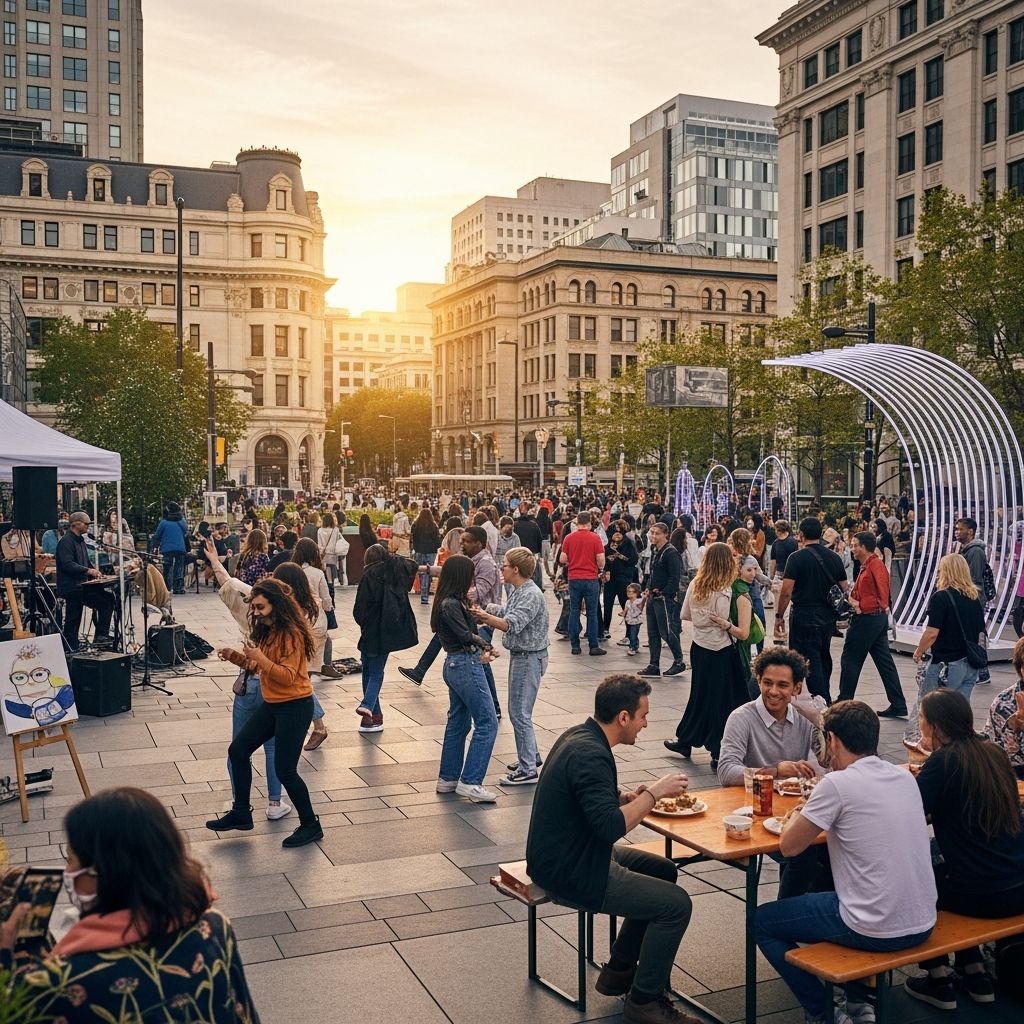
The world has moved past the height of the COVID-19 disruptions, entering a phase where cultural activities are not just recovering but transforming. In 2026, shared experiences in arts, entertainment, and social gatherings are blending digital innovation with a deep craving for genuine human connection. This evolution presents unique opportunities for investors eyeing sectors like live events, museums, and experiential media.
The Craving for Authentic Connections
After years of virtual interactions, people are prioritizing real-world encounters that feel unscripted and personal. Surveys show that 58% of attendees seek one-of-a-kind events, with nearly half desiring less polished, more spontaneous gatherings. This shift marks a departure from hyper-curated online content toward immersive, tactile experiences that foster community.
- Gen Z and Millennials lead this charge, redefining social norms by valuing participation over passive viewing.
- Local block parties, art walks, and hybrid events like cocktails with crafting sessions are surging in popularity.
- Businesses adapting to this trend see higher loyalty, as attendees feel involved rather than spectated.
Technology’s Subtle Integration into Culture
Artificial intelligence and robotics are embedding into daily life without fanfare, much like electricity powers homes unnoticed. AI now assists in creative processes and event planning, while live streaming evolves into a commerce and social hub. Gaming platforms have become cultural epicenters where music premieres, friendships form, and education happens interactively.
| Tech Trend | Impact on Culture | Investment Angle |
|---|---|---|
| AI Invisibility | Seamless tools for content creation | Growth in AI-driven media firms |
| Live Streaming | Real-time shopping and hangs | E-commerce event platforms |
| Gaming Hubs | Social and educational spaces | Esports and virtual real estate |
These technologies enhance rather than replace in-person vibes, creating hybrid models that appeal to diverse audiences.
Local and Hyper-Personal Experiences on the Rise
Global digital feeds have fatigued users, sparking a revival of neighborhood-centric activities. From community gardens to city tours, local events build tight-knit bonds and boost local economies. Event mashups—think supper clubs with comedians or bingo with drag performances—cross-pollinate audiences, encouraging curiosity and unexpected connections.
This “neighborhood revival” counters urban relocation trends from the K-shaped recovery, where affluent remote workers shift business to new areas, potentially revitalizing smaller markets. Investors can target platforms facilitating these grassroots gatherings.
Redefining Work, Leisure, and Success
Hustle culture is fading as portfolio careers and mental health prioritization take center stage. Gen Z rejects the grind, opting for flexible income streams and passion projects amid economic uncertainty. This mindset extends to leisure, with increased corporate events for team-building at cultural venues post-remote work.
- Balance is the new status symbol, influencing event attendance.
- Sustainability awareness grows, with consumers favoring eco-conscious venues.
- Out-of-home dining tops post-vaccination desires, signaling broader entertainment rebounds.
Sustainability and Social Responsibility in Focus
COVID heightened environmental concerns, pushing patrons toward brands demonstrating responsibility. A BCG survey notes sustained commitment to green behaviors, affecting choices in arts and entertainment. Museums and performing arts, as trusted institutions, are leveraging this by adopting flexible, science-based reopening strategies.
Creator Economy and Media Evolution
Traditional platforms cede ground to creator-led spaces like podcasts, newsletters, and Discords, where authenticity trumps virality. Digital fatigue kills short-lived trends, favoring sustainable engagement and community building. Wisdom flexing—showcasing depth over hot takes—pairs with remixing classics, from literature adaptations to mythology-inspired content.
Brands succeeding here invest in long-form, cinematic narratives and hyperlocal activations.
Key Cultural Moments Shaping 2026
Major events like America’s 250th anniversary will spark identity discussions, while high-profile weddings set trends in decor and fashion. These moments amplify cultural spending, offering investment windows in related sectors.
| Event | Expected Impact |
|---|---|
| America 250 | Historical storytelling surge |
| Royal Wedding | Trendsetting consumer goods |
| OOH Entertainment Boom | Higher attendance at social venues |
Investment Opportunities in the Experiential Economy
The post-pandemic cultural surge favors sectors blending tech with IRL. Live events platforms, sustainable venues, and gaming ecosystems show strong growth potential. With affluent groups driving demand via remote work savings, targeted investments in urban revival projects and hybrid experiences yield returns.
Museums preparing flexible plans based on latest science position themselves as resilient assets. Robotics in delivery and home assistance further normalize convenience, indirectly boosting leisure time for cultural pursuits.
Challenges and Strategic Adaptations
Despite optimism, challenges persist: operating environments for cultural institutions have shifted, requiring agility. K-shaped recoveries mean uneven urban impacts, with some areas losing business while others gain. Success lies in participation-driven events where attendees co-create, ensuring relevance.
FAQs
What are the top post-pandemic cultural trends for 2026?
Key trends include authentic local events, AI integration, gaming as social hubs, and sustainability focus.
How is technology changing cultural experiences?
AI and live streaming enhance without dominating, creating hybrid models for deeper engagement.
Are live events making a comeback?
Yes, with emphasis on participation and neighborhood vibes, driven by social craving post-isolation.
What investment opportunities exist in culture?
Sectors like event platforms, esports, and eco-venues offer growth amid experiential demand.
How has hustle culture evolved?
It’s shifting to balance and multiple streams, freeing time for meaningful leisure.
References
- 7 Cultural Trends That Will Shape 2026 (& Beyond) — Cassius Life. 2026. https://cassiuslife.com/1321369/cultural-trends-2026/
- The top 10 cultural trends and moments of 2026 — Weber Shandwick. 2026. https://cms.webershandwick.com/news/predicting-the-unpredictable-the-top-10-cultural-trends-and-moments-of-2026
- 21 Post-Pandemic Trends Transforming Out-Of-Home Entertainment — WorldXO. 2021. https://worldxo.org/21-post-pandemic-trends-transforming-out-of-home-entertainment-arts-14-8/
- Reset to Real: 5 Event Trends Shaping Live Events in 2026 — Eventbrite. 2026. https://www.eventbrite.com/blog/reset-to-real-social-study-event-trends/
- The Cultural Sector at the Edge of 2026 — Colleen Dilenschneider. 2025-12-17. https://www.colleendilen.com/2025/12/17/eight-forces-2026/
- Preparing to reopen — American Alliance of Museums. N/A. https://www.aam-us.org/programs/about-museums/preparing-to-reopen/
Similar Articles








Read full bio of medha deb