Reviewing Your Credit Report: Key Checks
Master the art of scrutinizing your credit report to spot errors, protect your financial health, and boost your credit score effectively.
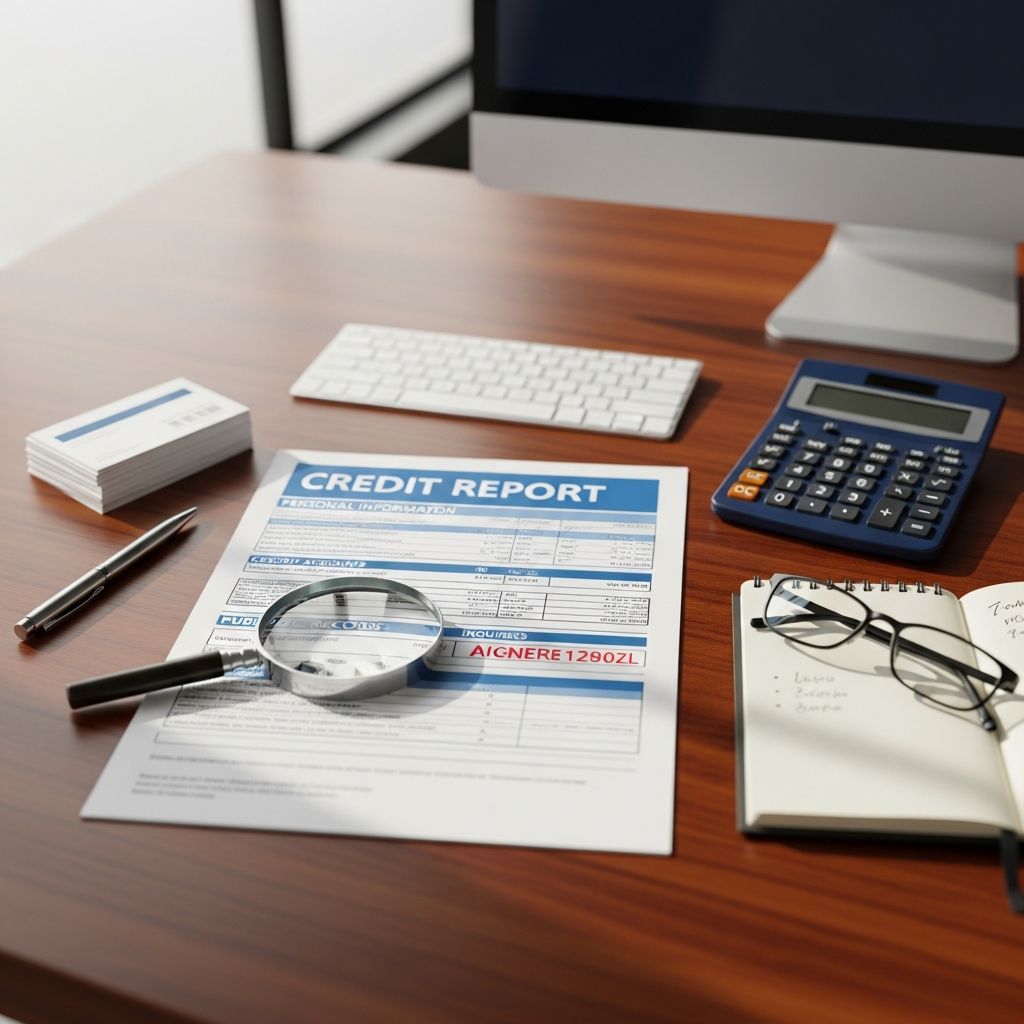
Your credit report is a vital document that shapes your financial future. Lenders, landlords, and employers often rely on it to assess your reliability. Regularly examining it helps you catch mistakes early, prevent identity theft, and maintain a strong credit profile. This guide walks you through every section, offering practical tips to ensure accuracy and take corrective steps when needed.
Why Regular Credit Report Reviews Matter
A credit report compiles your financial behavior, including debts, payments, and public records. Errors can lower your credit score, leading to higher interest rates or loan denials. The Federal Trade Commission notes that one in five reports contains inaccuracies, making personal review essential. With free weekly access from Equifax, Experian, and TransUnion via AnnualCreditReport.com, there’s no excuse not to check.
Reviewing annually—or more if applying for credit—empowers you to dispute errors promptly. The Consumer Financial Protection Bureau emphasizes using checklists to systematically verify details, ensuring nothing slips through. Proactive monitoring safeguards your finances and can improve your score over time.
Accessing Your Free Credit Reports
By law, you’re entitled to free reports from the three major bureaus. Visit AnnualCreditReport.com for weekly downloads, a service expanded post-pandemic. Alternatively, call 1-877-322-8228 or mail requests. Each bureau’s format varies slightly, but core sections remain consistent.
- Online: Fastest method; create an account and download PDFs.
- Phone/Mail: Useful if you prefer paper copies; allow 15 days for delivery.
- Fraud Alerts: If suspicious activity arises, place a free alert for two years, granting extra free reports.
Stagger requests—e.g., one bureau every four months—to monitor continuously without overlap.
Verifying Personal Identification Details
The opening section lists your name, addresses, phone, Social Security number, birth date, and employment history. Inaccuracies here can signal fraud or simple clerical errors.
| Item to Check | What to Verify | Potential Issue |
|---|---|---|
| Name | Spelling, suffixes (Jr./Sr.) | Misspellings from data entry |
| Addresses | Current and past 2-10 years | Outdated info affecting mail |
| Phone/SSN | Accuracy | Identity theft red flag |
| Employment | Job titles, dates | Irrelevant but can flag errors |
Cross-reference with official documents like driver’s licenses. The CFPB checklist urges confirming marital status and all listed details. Discrepancies, even minor, warrant disputes to prevent broader issues.
Analyzing Your Credit Account Summaries
This core section details every account: credit cards, loans, mortgages. It’s the bulk of your report and heavily influences scores—payment history alone is 35% of FICO.
Key elements per account:
- Date Opened/Closed: Ensure timelines match your records.
- Balance & Limit: Current owed vs. max credit; low limits hurt utilization ratios.
- Payment Status: On-time, 30/60/90+ days late? Verify against statements.
- High Balance: Peak usage; for loans, original amount.
Scan for duplicates, unrecognized accounts, or closed accounts mislabeled (e.g., “closed by grantor” vs. consumer). Joint accounts or authorized user status must reflect reality. Bankrate advises scrutinizing payment histories closely, as late marks linger 7 years.
Understanding Payment Patterns and Status Updates
Payment history tracks on-time vs. late payments. Positive records build scores; negatives drag them down. Look for:
- Missed payments you don’t recall.
- Incorrect delinquency levels (30, 60 days).
- Paid-off debts showing balances—should read zero post-bankruptcy or payoff.
Date reported shows last creditor update. If an account shows activity post-closure, flag it. Co-signer roles must be accurate, as they tie your score to others’ habits.
Examining Hard and Soft Inquiries
Inquiries log who accessed your report. Hard inquiries (credit applications) impact scores temporarily (up to 2 years); soft ones (pre-approvals) don’t.
- Hard: List application dates; 5+ in 24 months signals risk.
- Soft: From you (score checks) or marketers; ignore unless excessive.
Unauthorized hard pulls suggest fraud. Members1st recommends verifying all against your applications.
Reviewing Public Records and Collections
This section covers bankruptcies (10 years), foreclosures, repossessions, suits, liens, and collections. Ideally empty, but verify legitimacy.
- Bankruptcies: Chapter 7/13 types, filing dates.
- Collections: Debt amounts, original creditors; time-barred after 7 years.
- Lawsuits: Court details; ensure resolved ones are updated.
Dispute outdated or erroneous entries. FTC confirms reports exclude specifics on purchases, focusing on payment behavior.
Spotting Red Flags for Fraud or Errors
Beyond basics, watch for:
- New accounts you didn’t open.
- Sudden address changes.
- Inquiries from unknown sources.
- Balances spiking without cause.
USAGov lists bill history, debts, bankruptcies as standard inclusions—mismatches scream issues. Highlight suspects on printouts for disputes.
Steps to Dispute Inaccuracies
Found errors? Act fast—bureaus must investigate within 30 days.
- Online/Letter: Use bureau portals or mail disputes with evidence (bills, checks).
- Details Needed: Account number, explanation, proof.
- Follow Up: Request results; corrected reports are free.
Include contact info. CFPB samples guide concise letters.
Improving Your Credit Post-Review
Clean report? Maintain it:
- Pay on time (35% FICO).
- Keep utilization under 30%.
- Build history length (15%).
Experian suggests frequent checks for ongoing issues like collections.
Frequently Asked Questions
How often should I review my credit report?
Weekly free via AnnualCreditReport.com; aim quarterly per bureau.
Do closed accounts affect my score?
Yes, positively if paid well; negatives fade after 7-10 years.
What’s the difference between hard and soft inquiries?
Hard from applications (score impact); soft for reviews (no impact).
Can I remove accurate negative info?
No, but time limits apply (7 years most negatives).
Who sees my credit report?
Lenders, landlords upon request; you anytime.
Tools and Resources for Ongoing Monitoring
Beyond free reports, credit monitoring services track changes. Set alerts for inquiries or new accounts. USA.gov recommends secure storage of reports.
References
- Credit report review checklist — Consumer Financial Protection Bureau. 2017-01-19. https://files.consumerfinance.gov/f/documents/201701_cfpb_credit-report-review-checklist.pdf
- How To Read Your Credit Report — First Neighbor Bank. N/A. https://firstneighbor.com/download/Credit-Reports_How-to-Read-Your-Credit-Report.pdf
- How To Read A Credit Report & Identify Mistakes — Bankrate. N/A. https://www.bankrate.com/personal-finance/credit/how-to-read-a-credit-report/
- A Step-by-Step Guide to Reviewing Your Credit Report — Members1st Community CU. N/A. https://www.members1st.com/a-step-by-step-guide-to-reviewing-your-credit-report/
- Understanding the Sections of Your Detailed Credit Report — National Debt Relief. N/A. https://www.nationaldebtrelief.com/blog/financial-wellness/financial-education/detailed-credit-report/
- Understanding and improving your credit — Experian. N/A. https://www.experian.com/blogs/ask-experian/wp-content/pdf/experian-credit-guide.pdf
- Understanding Your Credit — Federal Trade Commission. N/A. https://consumer.ftc.gov/articles/understanding-your-credit
Similar Articles








Read full bio of Sneha Tete