Review Your Credit Card Statement Regularly
Discover why checking your credit card statement every month is essential for fraud protection, budget control, and financial health.

Regularly examining your credit card statement is a cornerstone of sound financial management. It allows you to verify transactions, catch potential fraud early, and align your spending with your budget. Experts recommend checking it at least monthly to stay proactive about your finances.
Why Frequent Reviews Matter for Your Wallet
Overlooking your credit card statement can lead to unnoticed charges, accumulating interest, or missed opportunities to optimize rewards. By making it a routine, you gain visibility into your financial habits, ensuring every dollar spent is accounted for. This practice not only protects against unauthorized use but also helps in spotting trends that could inform better budgeting decisions.
Financial institutions emphasize that statements serve as a detailed ledger of your account activity. Ignoring them might mean paying for services you forgot to cancel or falling victim to subtle fraudulent activities that blend into regular spending.
Optimal Timing: How Often Should You Check?
The ideal frequency is
every month
, ideally right after receiving the statement or when it’s available online. This timing ensures you review the full billing cycle before the payment due date, typically 21-25 days later as required by regulations.- Monthly review: Covers all transactions from the previous cycle, allowing time to dispute errors.
- Weekly spot-checks: Use app notifications for real-time balance monitoring to catch issues sooner.
- Post-large purchases: Verify immediately after significant spends to confirm accuracy.
Setting calendar reminders or enabling e-statement alerts can make this effortless. Digital tools from banks often provide instant access, reducing reliance on paper mail.
Decoding the Key Sections of Your Statement
Credit card statements typically divide into summaries, transactions, balances, and disclosures. Understanding each part empowers you to make informed decisions.
Account Summary at a Glance
This opening section recaps your
previous balance
, payments received, new purchases, fees, and interest charged. It gives a quick overview of your starting point and recent changes. Compare it against your records to ensure payments were credited correctly.| Summary Element | What to Verify | Why It Matters |
|---|---|---|
| Previous Balance | Matches last statement’s ending amount | Ensures no carryover errors |
| Payments/Credits | Reflects your recent deposits | Prevents double-paying |
| New Purchases/Cash Advances | Total aligns with your spending | Flags unauthorized activity |
| Fees & Interest | No unexpected charges | Avoids surprise costs |
Diving into Transaction Details
The heart of the statement lists every charge with dates, merchants, amounts, and sometimes categories like groceries or travel. Scrutinize this for unfamiliar entries—fraud often hides in small amounts.
- Check merchant names and locations against receipts.
- Look for recurring charges from subscriptions.
- Note cash advances, which accrue interest immediately.
Many issuers now categorize spends, aiding in pattern recognition. For instance, high dining costs might prompt a dining-out budget adjustment.
Balancing Acts: Payments, Interest, and Rewards
Here, you’ll see how payments apply (often first to interest, then purchases), any accrued interest by category, and reward earnings. If carrying a balance, verify APR applications. Rewards summaries help confirm points or cashback match your activity.
Pro tip: Pay the full statement balance to avoid interest. Grace periods typically last until the due date for new purchases.
Fine Print: Disclosures and Due Dates
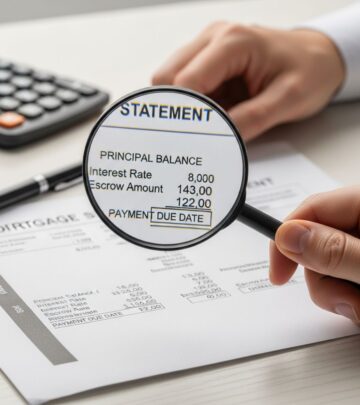
Payment due date, minimum payment, and legal info reside here. Note the
due date
—pay by it to dodge late fees (up to $40) and APR hikes. Also, review error resolution instructions for disputes.Spotting Red Flags: Common Issues to Watch
Beyond basics, train your eye for anomalies that could cost you.
- Unauthorized transactions: Anything you don’t recognize, especially small ones testing card validity.
- Duplicate charges: Same merchant and amount appearing twice.
- Forgotten subscriptions: Gyms, streaming—cancel if unused.
- Over-limit or late fees: Indicate spending or timing slips.
- Interest spikes: From cash advances or partial payments.
If suspicious, contact your issuer immediately—federal law limits liability to $50 if reported promptly.
Tools and Habits for Smarter Monitoring
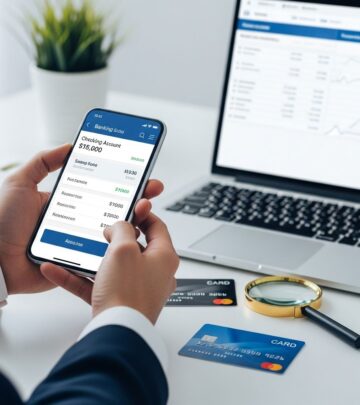
Leverage technology: Most banks offer apps with transaction alerts, spending graphs, and e-statements. Link to budgeting apps for automated categorization.
- Enroll in paperless statements for instant access.
- Set up text/email alerts for large purchases or low balances.
- Use browser extensions for receipt matching.
- Review mid-cycle via online banking for interim checks.
For families, designate one reviewer or use shared access features. Keep statements 60 days for dispute windows.
Building Long-Term Financial Discipline
Consistent reviews evolve into habit, revealing insights like seasonal spending peaks or reward maximization opportunities. Track utilization (under 30% ideal) to boost credit scores. Over time, this vigilance reduces debt risk and enhances control.
Combine with annual credit report checks for holistic oversight. Free reports from AnnualCreditReport.com complement statement reviews.
Frequently Asked Questions
How soon after a suspicious charge should I report it?
Report within 60 days of the statement date to limit liability.
Can I check my statement more often than monthly?
Yes, online portals update daily for real-time views.
What if I spot an error—how do I fix it?
Notify in writing per disclosure instructions; issuers must investigate within 30 days.
Do rewards appear on statements?
Yes, summaries show earned points/cashback tied to spends.
Is paperless safe?
Absolutely—use strong passwords and two-factor authentication.
Take Control Today
Make statement review non-negotiable. It’s quick, free insurance against financial pitfalls. Start with your next cycle and watch your awareness grow.
References
- 10 Things To Check In Your Credit Card Statement — ICICI Bank. 2023. https://www.icici.bank.in/blogs/credit-card/10-things-to-check-in-your-credit-card-statement
- 5 Best Practices for Using a Credit Card — Affinity Federal Credit Union. 2024. https://www.affinityfcu.com/financial-wellbeing/blog/credit/5-best-practices-for-using-a-credit-card
- How to read a credit card statement: tips for new physicians — Invested MD Management. 2023. https://invested.mdm.ca/how-to-read-a-credit-card-statement/
- How to Read Your Credit Card Statement — PNC Insights. 2024. https://www.pnc.com/insights/personal-finance/spend/how-to-read-your-credit-card-statement.html
- How to Read Your Credit Card Statement — NerdWallet. 2025-01-15. https://www.nerdwallet.com/credit-cards/learn/read-credit-card-statement
- How to Read your Credit Card Statement — Bankrate. 2024. https://www.bankrate.com/credit-cards/advice/guide-to-reading-your-monthly-statement/
- How to Read A Credit Card Statement — Equifax. 2024. https://www.equifax.com/personal/education/credit-cards/articles/-/learn/how-to-read-credit-card-statement/
- § 1026.5 General disclosure requirements — Consumer Financial Protection Bureau. 2024-12-01. https://www.consumerfinance.gov/rules-policy/regulations/1026/5
Similar Articles








Read full bio of Sneha Tete