Reverse Mortgages: 5 Payout Options, Benefits, And Risks
Unlock home equity in retirement without monthly payments—explore benefits, risks, and key considerations for seniors.
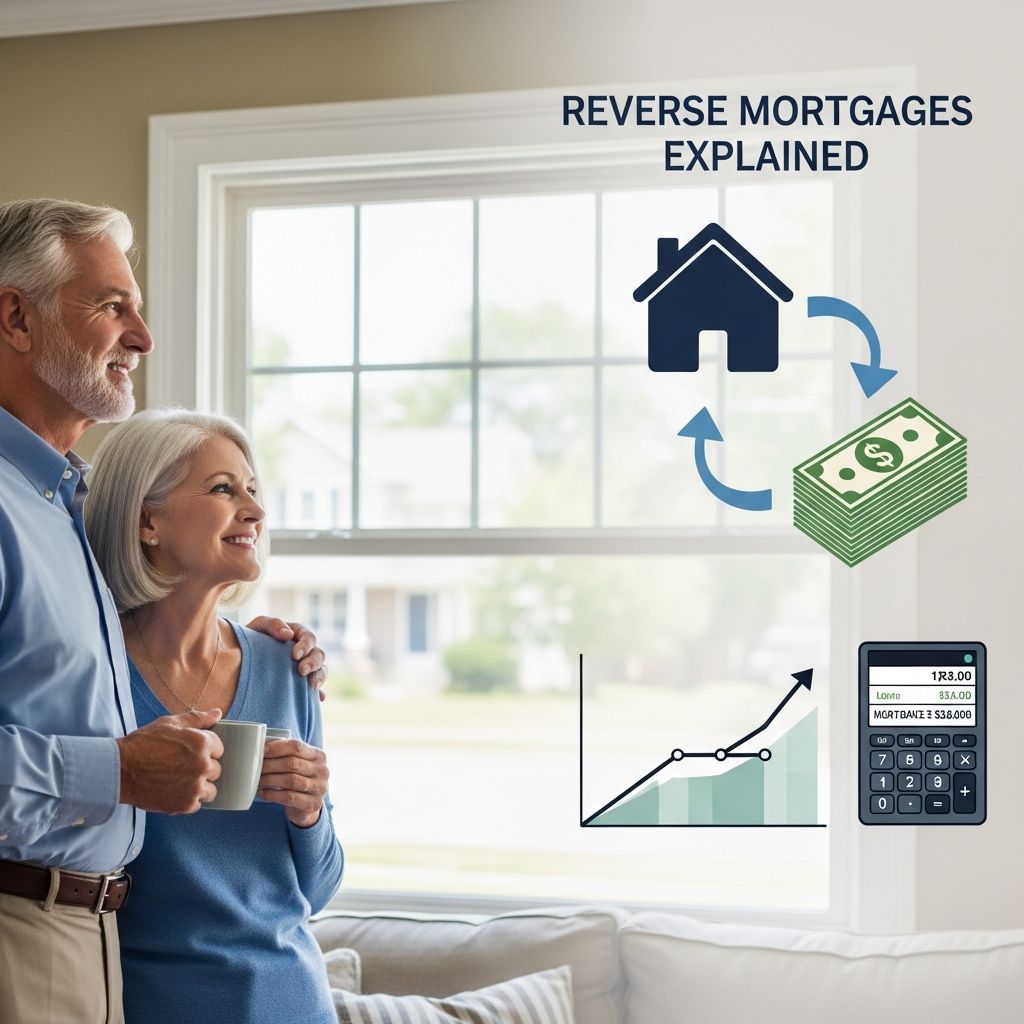
Reverse mortgages enable homeowners aged 62 and older to convert home equity into cash without required monthly repayments, offering a lifeline for retirement expenses while allowing them to remain in their residence.
Understanding the Fundamentals of Reverse Mortgages
A reverse mortgage functions as a loan against the equity built up in a primary residence. Unlike traditional forward mortgages where borrowers make payments to reduce principal, this product reverses the flow: the lender advances funds to the borrower, and the loan balance increases over time due to accruing interest and fees. Repayment occurs only when the homeowner sells the home, moves out permanently, or passes away.
The most common type is the Home Equity Conversion Mortgage (HECM), insured by the Federal Housing Administration (FHA). This government backing ensures borrowers or heirs never owe more than the home’s fair market value at repayment, classifying it as a non-recourse loan.
Core Eligibility Requirements
- Minimum age of 62 for all borrowers on the title.
- Home must be the principal residence.
- Sufficient home equity, typically owning outright or with a low remaining mortgage balance.
- Ability to maintain property taxes, homeowners insurance, and upkeep.
- Mandatory counseling from a HUD-approved counselor to discuss options and risks.
These criteria ensure the product targets seniors needing supplemental income without disrupting their living situation.
Available Payout Structures
Borrowers select from flexible disbursement methods tailored to financial needs:
- Lump Sum: Receive the full eligible amount upfront, useful for debt consolidation or large purchases.
- Line of Credit: Draw funds as needed, with the unused portion growing over time.
- Monthly Tenure Payments: Fixed installments for life, as long as residency requirements are met.
- Term Payments: Fixed monthly amounts for a set period.
- Combination: Blend of the above for customized cash flow.
This versatility helps align proceeds with varying retirement budgets, from steady income supplements to emergency reserves.
Key Advantages for Retirees
Reverse mortgages address common retirement challenges like fixed incomes and rising costs.
| Benefit | Description |
|---|---|
| Tax-Free Proceeds | Funds are loan advances, not income, so they don’t trigger taxes. Interest deductibility applies only upon repayment. |
| No Monthly Repayments | Eliminates payment burdens, freeing budget for essentials. |
| Age in Place | Retain homeownership and avoid relocation costs or emotional upheaval. |
| Equity Protection | Non-recourse feature caps debt at home value; no personal asset risk. |
| Flexible Use | Funds for medical bills, home modifications, travel, or daily living. |
These perks make it appealing for those with inadequate savings or Social Security alone.
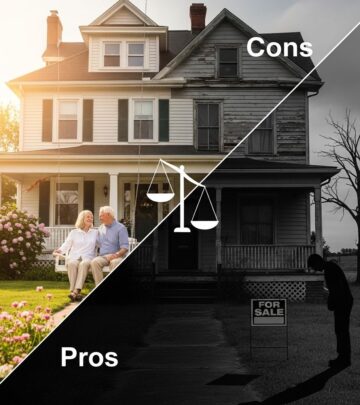
Potential Drawbacks and Risks
While beneficial, reverse mortgages carry costs and implications that demand careful evaluation.
| Risk | Impact |
|---|---|
| High Upfront and Ongoing Fees | Origination fees, closing costs, 2% initial FHA premium, 0.5% annual premium, servicing fees up to $35/month, plus interest. |
| Growing Loan Balance | Compounds over time, potentially eroding equity for heirs. |
| Ongoing Home Costs | Taxes, insurance, maintenance still required; default risks foreclosure. |
| Impact on Benefits | May affect Medicaid/SSI eligibility due to income/asset rules (not Medicare). |
| Limited Inheritance | Heirs face repayment or sale; options include deed in lieu or short payoff. |
Surviving spouses can stay if they cover costs but can’t access more funds.
Financial Implications for Heirs and Estate Planning
Heirs aren’t personally liable beyond home value. Upon the borrower’s death or move, they have up to 12 months to repay (via sale, refinance, or line of credit) or surrender the property. FHA covers any shortfall.
Early planning is crucial: discuss with family, consider life insurance to cover balances, or explore alternatives to preserve legacy wealth.
Comparing Reverse Mortgages to Other Options
| Option | Pros | Cons |
|---|---|---|
| Reverse Mortgage | No payments, stay in home, tax-free | Fees, growing debt, home maintenance |
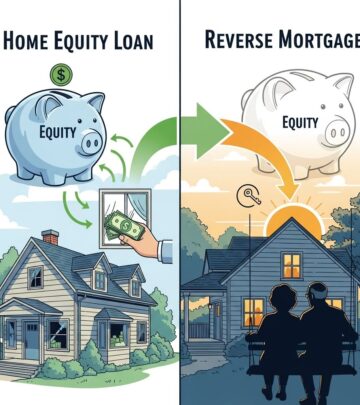
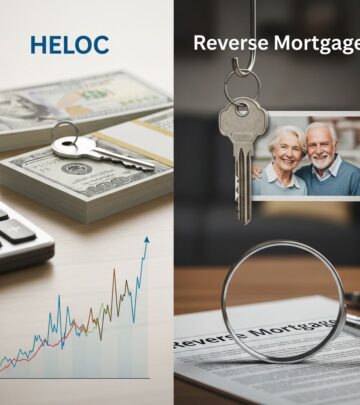
| Home Equity Loan/HELOC | Lower fees, fixed/predictable | Monthly payments required, credit check |
| Selling and Downsizing | Full equity access, no debt | Relocation, market timing risks |
| Government Assistance | Low/no cost | Income limits, temporary aid |
Reverse mortgages suit long-term homeowners not planning moves; others fit shorter horizons or payment-tolerant scenarios.
Steps to Secure a Reverse Mortgage
- Verify eligibility via online calculators or lenders.
- Attend HUD counseling (required for HECM).
- Shop lenders for competitive rates/fees.
- Choose payout and complete application.
- Close and receive funds (30-60 days).
Counseling covers risks, alternatives, and scams—essential for informed decisions.
Frequently Asked Questions
Who qualifies for a reverse mortgage?
Homeowners 62+, primary residence, financial capacity for taxes/insurance.
Are reverse mortgage payments taxable?
No, as they’re loans, not income.
Can I still work or have other income?
Yes, no restrictions on employment or other funds.
What if I want to move later?
Loan due upon permanent move; 12-month grace for health reasons.
Do I own my home with a reverse mortgage?
Yes, title remains yours; lender has a lien.
Is it free money?
No, it’s a loan repaid from home equity.
Is a Reverse Mortgage Right for You?
Ideal if house-rich but cash-poor, committed to staying put, and fees fit your plan. Consult advisors, compare costs, and align with long-term goals. State/local aid or AARP resources offer further support.
References
- Reverse Mortgage Pros and Cons — Bankrate. 2023-10-15. https://www.bankrate.com/mortgages/reverse-mortgage-pros-and-cons/
- What is a Reverse Mortgage & How Does it Work? — Equifax. 2024-05-20. https://www.equifax.com/personal/education/credit/score/articles/-/learn/reverse-mortgage/
- Pros and cons of a reverse mortgage — Guild Mortgage. 2024-02-10. https://www.guildmortgage.com/blog/what-are-the-pros-and-cons-of-a-reverse-mortgage/
- The Pros and Cons of a Reverse Mortgage — Experian. 2024-08-05. https://www.experian.com/blogs/ask-experian/reverse-mortgage-pros-and-cons/
- The Pros and Cons of Reverse Mortgages — SchoolsFirst FCU. 2023-11-12. https://www.schoolsfirstfcu.org/advice/financial-wellness/home/the-pros-and-cons-of-reverse-mortgages/
- Reverse Mortgages — AARP Policy Book. 2024-01-01. https://policybook.aarp.org/policy-book/financial-services/credit-products-and-services/reverse-mortgages
- Reverse Mortgages: A discussion guide — Consumer Financial Protection Bureau. 2019-06-01. https://files.consumerfinance.gov/f/documents/cfpb_reverse-mortgage-discussion-guide.pdf
- Reverse mortgage information for consumers — Mass.gov. 2024-03-15. https://www.mass.gov/info-details/reverse-mortgage-information-for-consumers
Similar Articles








Read full bio of medha deb