Reverse Mortgages: Benefits and Drawbacks
Explore how reverse mortgages provide retirement cash flow while weighing costs, risks, and family impacts for informed decisions.

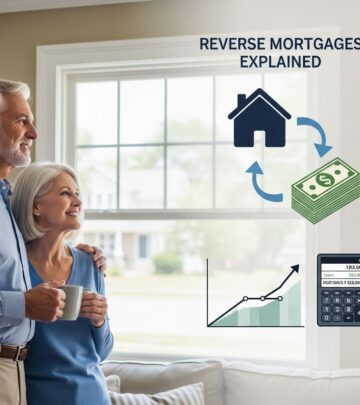
Reverse mortgages enable homeowners aged 62 or older to convert home equity into cash without required monthly repayments, offering a lifeline for retirement expenses while residing in their property. This financial tool, primarily through FHA-insured Home Equity Conversion Mortgages (HECMs), balances accessibility with significant responsibilities like property maintenance.
Understanding Reverse Mortgages Fundamentals
A reverse mortgage functions oppositely to traditional mortgages: instead of payments to the lender, the lender advances funds to the borrower, with the loan balance increasing over time due to interest and fees. Eligibility requires the home as primary residence, sufficient equity, and meeting financial assessments. Funds disburse as lump sums, monthly payments, lines of credit, or combinations, all tax-free as loan proceeds rather than income.
HECMs, the most common type, carry FHA insurance ensuring non-recourse status—neither borrower nor heirs owe beyond the home’s appraised value at repayment, which triggers upon death, sale, or permanent move-out.
Key Advantages for Senior Homeowners
Reverse mortgages address common retirement challenges by providing liquidity without relocation.
- No Monthly Mortgage Payments: Borrowers eliminate principal and interest payments, freeing up cash flow for essentials like healthcare or leisure. This persists as long as occupancy and maintenance obligations hold.
- Flexible Access to Equity: Options include growing lines of credit that increase unused balances over time via HUD-guaranteed rates, unlike HELOCs prone to freezes. Ideal for future needs without early depletion.
- Tax Advantages: Proceeds count as loans, not taxable income, complementing Social Security or pensions without IRS penalties.
- Age-in-Place Support: Stay in a familiar home, using funds for modifications like ramps or updates to enhance independence.
- Non-Recourse Safeguards: FHA backing caps repayment at home value, protecting against market downturns or longevity.
Significant Costs and Fees Involved
While appealing, reverse mortgages carry upfront and ongoing expenses that erode equity.
| Fee Type | Description | Typical Amount |
|---|---|---|
| Origination Fee | Based on home value, capped by FHA | Up to $6,000 |
| Upfront MIP | Mandatory FHA insurance | 2% of home value |
| Annual MIP | Ongoing insurance premium | 0.5% of balance |
| Closing Costs | Appraisal, title, etc. | $2,000–$10,000 |
| Servicing Fee | Monthly lender charge | Up to $35/month |
These can finance into the loan, but compound with interest (often 5–7%), accelerating balance growth. Compare to traditional loans where costs spread differently.
Ongoing Responsibilities and Risks
Borrowers must maintain homeowners insurance, property taxes, and home condition; defaults trigger repayment. Failure risks foreclosure, despite no monthly mortgage.
- Government Benefit Impacts: Large lump sums may count as assets, disqualifying Medicaid or SSI eligibility until spent down.
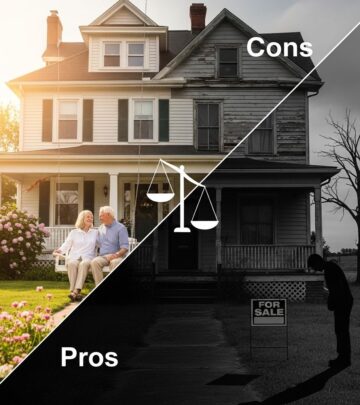
- Equity Depletion: Rising balances reduce inheritance, potentially leaving little for heirs if home value stagnates.
- Spousal Concerns: Non-borrowing spouses under 62 face eviction risks if unprotected, though reforms mitigate this.
- Interest Non-Deductibility: Unlike forward mortgages, no tax write-offs until repayment.
Implications for Heirs and Estate Planning
Repayment falls to heirs via sale, refinance, or payoff. Non-recourse limits liability, but timing pressures exist—loan due promptly after death. Heirs inherit no debt beyond proceeds from sale, yet diminished equity alters legacies. Counseling sessions, mandated by HUD, discuss these dynamics.
Strategies include partial repayments to preserve equity or using funds for life insurance to offset impacts.
Eligibility Criteria and Application Process
Candidates need age 62+, own a single-family home or FHA-approved condo, minimal existing debt, and pass credit/financial review. Process involves counseling (HUD-approved, ~$125), appraisal, and disclosures. Principal limit factors (age, rates, value) determine available funds—older borrowers access more.
Comparing Reverse Mortgages to Alternatives
| Option | Pros | Cons |
|---|---|---|
| Reverse Mortgage | No payments, flexible, protected | High fees, equity loss |
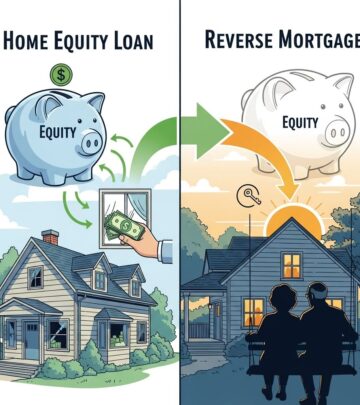
| HELOC | Lower initial costs | Variable rates, repayment required, can freeze |
| Home Sale | Full equity access | Relocation needed |
| Downsizing | Cash surplus | Moving stress |
| Government Programs | Low/no cost aid | Strict income limits |
Recent Regulatory Changes and 2026 Outlook
Post-2013 reforms mandate financial assessments to curb over-borrowing. Flex Payment HECMs allow purchases or refinances. In 2026, expect stable FHA limits (~$1.2M max claim) with growing lines of credit appealing amid longevity risks. Monitor rates influencing costs.
Frequently Asked Questions
Who qualifies for a reverse mortgage?
Homeowners 62+, primary residence, adequate equity, willing to complete counseling.
Can I outlive my reverse mortgage?
Yes, non-recourse and growing credit lines ensure sustainability if obligations met.
Do reverse mortgages affect Social Security?
No, as tax-free loans, but watch asset impacts on means-tested benefits.
What happens if my home value drops?
FHA insurance covers shortfalls; repayment capped at appraised sale value.
Are there income requirements?
No minimum income, but ability to cover taxes/insurance assessed.
Making the Right Decision
Assess via HUD counseling, project long-term costs using calculators, and consult advisors. Reverse mortgages suit equity-rich, cash-poor seniors prioritizing home retention over maximum inheritance.
References
- Reverse Mortgage Pros and Cons — Bankrate. 2023. https://www.bankrate.com/mortgages/reverse-mortgage-pros-and-cons/
- Pros and Cons of a Reverse Mortgage in 2026 — Reverse.Mortgage. 2026. https://reverse.mortgage/pros-cons
- Pros and cons of a reverse mortgage — Guild Mortgage. 2024. https://www.guildmortgage.com/blog/what-are-the-pros-and-cons-of-a-reverse-mortgage/
- Pros and Cons of a Reverse Mortgage — New American Funding. 2024. https://www.newamericanfunding.com/loan-types/reverse-mortgage/pros-and-cons-of-a-reverse-mortgage/
- Reverse Mortgage Pros and Cons — Experian. 2024. https://www.experian.com/blogs/ask-experian/reverse-mortgage-pros-and-cons/
- What is a reverse mortgage? — Consumer Financial Protection Bureau. 2024. https://www.consumerfinance.gov/ask-cfpb/what-is-a-reverse-mortgage-en-224/
Similar Articles








Read full bio of medha deb