Reverse Mortgage Pros and Cons: Complete Guide
Explore the advantages and disadvantages of reverse mortgages for retirement planning and financial security.
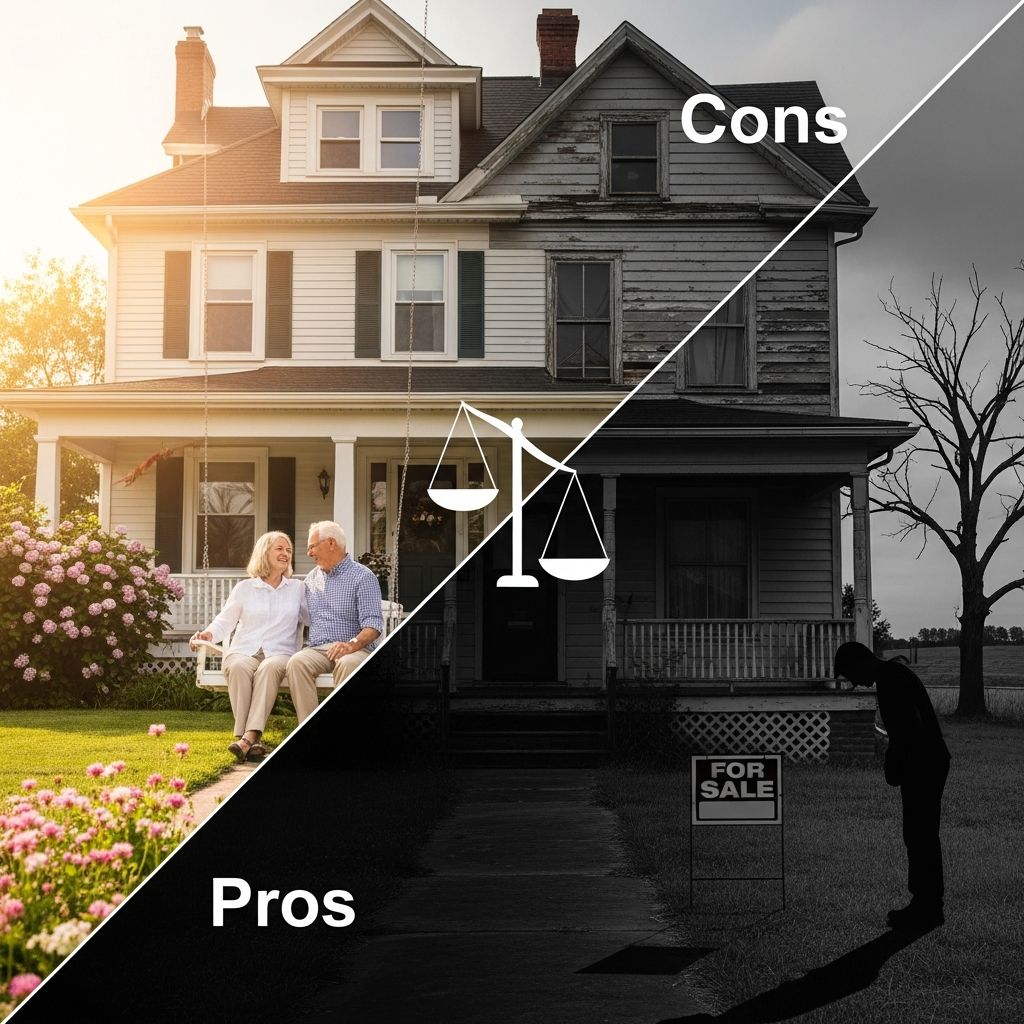
Reverse Mortgage Pros and Cons: A Comprehensive Guide for Retirees
For homeowners aged 62 and older, a reverse mortgage can be a powerful financial tool to access the equity built up in their homes over decades. This type of loan allows seniors to convert a portion of their home equity into cash without selling the property or making monthly mortgage payments. However, like any financial product, reverse mortgages come with both significant advantages and important drawbacks that require careful consideration before proceeding.
Understanding Reverse Mortgages
A reverse mortgage is a specialized loan product designed specifically for homeowners who are at least 62 years old. Unlike traditional mortgages where borrowers make monthly payments to pay down the loan balance, a reverse mortgage works in the opposite direction. The lender makes payments to the borrower, either as a lump sum, monthly payments, or a line of credit. The loan balance grows over time as interest accrues and fees are added to the mortgage balance each month.
The borrower is not required to make any repayments on the loan while they occupy the home. However, the loan does accrue interest, which the borrower can choose to pay off monthly or have added to the loan balance. The mortgage comes due when the borrower chooses to move out, sells the home, or dies. At that point, the lender either is paid back in cash or takes possession of the home, though there are exceptions for a surviving spouse provided they were in residence when the reverse mortgage was taken out.
Key Takeaways
Before diving into the detailed pros and cons, here are the essential points to understand about reverse mortgages:
- Homeowners aged 62 or older can obtain tax-free income while staying in their homes
- No monthly repayments are required while the borrower occupies the home
- Borrowing costs can be high, including significant fees and higher interest rates than traditional mortgages
- Homeowners must continue paying property taxes, homeowners insurance, and maintenance costs
- Reverse mortgages can complicate matters for heirs and may affect eligibility for certain government benefits
The Advantages of Reverse Mortgages
You Can Better Manage Expenses in Retirement
Many seniors experience a significant income reduction when they retire from full-time employment. A reverse mortgage allows you to supplement that diminished income without digging into savings or retirement accounts. The funds received from a reverse mortgage are tax-free and can be used for any purpose—whether covering everyday living expenses, healthcare costs, home modifications, or paying off existing debts. Importantly, you don’t have to make monthly payments, which could help free up room in your monthly budget and provide financial flexibility during your golden years.
You Don’t Have to Move
One of the most appealing aspects of a reverse mortgage is the ability to age in place. Instead of leaving your long-time home to downsize or move to a retirement community, a reverse mortgage allows you to remain in the property where you have memories and established community connections. While a reverse mortgage comes with fees and other costs, it might cost less in the long run than buying another home or renting in a new location. This can be particularlyvaluable for seniors who have strong emotional attachments to their homes or who have built extensive social networks in their current communities.
You Don’t Have to Pay Taxes on the Income
The funds received from a reverse mortgage are considered loan proceeds rather than income, making them tax-free. This is a significant advantage compared to other sources of retirement income such as Social Security supplements, pensions, or investment withdrawals. The tax-free nature of reverse mortgage proceeds allows you to maximize the spending power of the funds you receive.
You’re Protected if the Balance Exceeds Your Home’s Value
Because a reverse mortgage balance grows over time through accruing interest and fees, it’s possible that what you owe can eventually exceed your home’s value, particularly if home values decline or you live many years into the loan. However, because a reverse mortgage is what’s known as “non-recourse” financing, the amount of debt that must be repaid can never exceed the property’s value. That also means the lender can’t make any claims against your other assets or those of your heirs, providing important financial protection.
Your Heirs Have Options
When the reverse mortgage comes due—whether through the borrower’s death, permanent relocation, or sale of the home—your heirs have flexibility in how to handle the situation. They can choose to pay off the loan balance in full and keep the home, sell the home and use the proceeds to repay the lender, or walk away from the property if the loan balance exceeds its value. This flexibility helps protect your family’s financial interests.
The Disadvantages of Reverse Mortgages
You Have to Pay Fees
Reverse mortgage closing costs tend to be significantly higher than other financing options, though exact costs vary by lender and loan program. These fees include origination fees, appraisal fees, title insurance, recording fees, and other closing costs. Additionally, the interest rates on reverse mortgages are typically steeper than traditional mortgage rates. Current fixed interest rates on a Home Equity Conversion Mortgage (HECM) fixed-rate reverse mortgage range from approximately 7.56 percent to 7.93 percent, compared to traditional mortgage rates averaging just under 7 percent. These higher costs mean it takes longer to recoup the expenses, and refinancing a reverse mortgage may not be worthwhile.
You Can’t Deduct the Interest Until You Repay
While you may have enjoyed the mortgage interest deduction on your taxes when paying off a traditional mortgage, you won’t be able to deduct the interest on a reverse mortgage each year. You’ll only enjoy that tax benefit when the loan is paid in full. If you choose not to pay interest during the loan term and instead add it to the balance, the accrued interest (including the original issuance discount) is not tax-deductible until the loan is paid in full. This is an important consideration for tax planning purposes.
You Could Inadvertently Violate Other Program Requirements
A reverse mortgage could cause you to violate asset or income restrictions for the Medicaid and Supplemental Security Income (SSI) programs. Receiving proceeds from a reverse mortgage could push your assets above the limits required to maintain eligibility for these needs-based benefits, potentially affecting your access to essential government assistance programs. It’s crucial to consult with a financial advisor or benefits counselor before taking out a reverse mortgage if you receive or anticipate needing these government benefits.
You Still Have Home-Related Expenses
While a reverse mortgage eliminates monthly mortgage payments, you must continue to maintain the home and pay property taxes and homeowners insurance. If the home falls into disrepair or you fail to pay property taxes, the lender can call the loan due. Additionally, homeowners must agree to receive counseling from a HUD-approved reverse mortgage counseling agency before proceeding. If you still have a mortgage balance, you’ll need to pay it off when closing on the reverse mortgage.
Your Survivors Might Run into Issues
When a reverse mortgage comes due at the borrower’s death, the debt is typically repaid using proceeds from selling the home. This can complicate matters for heirs, especially if they want to keep the property but don’t have sufficient funds to pay off the loan balance. If the home’s value isn’t enough to cover what’s owed, the non-recourse feature protects heirs from personal liability, but they may lose the property. Additionally, complications can arise if the borrower remarries after taking out the loan, as the surviving spouse may have different rights and responsibilities.
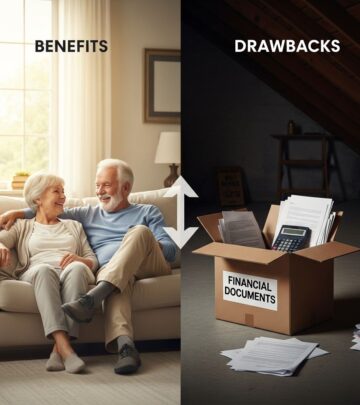
Reverse Mortgage Pros and Cons Comparison
| Reverse Mortgage Pros | Reverse Mortgage Cons |
|---|---|
| Better manage expenses in retirement | High fees and closing costs |
| Don’t have to move | Can’t deduct interest annually |
| Tax-free income | May violate benefit program requirements |
| Protected from owing more than home value | Still responsible for taxes and insurance |
| Heirs have flexible options | Complications for heirs and survivors |
When a Reverse Mortgage Is Best
A reverse mortgage may be your best choice if you are 65 or older, have a lot of equity in your home or own it outright, and plan on aging in place. This financial product can give you access to cash for daily living expenses or to bolster a retirement nest egg without monthly repayments required. A reverse mortgage works particularly well if you need to supplement your income to live comfortably, don’t intend to move, and don’t have heirs who want to receive the property free and clear.
However, it’s important to remember that a reverse mortgage is not free money. The payments you receive, and the interest they accrue, all get added to the amount that must be repaid when you permanently vacate the house, sell it, or die. Therefore, the decision to pursue a reverse mortgage should be made carefully after considering your specific financial situation, health outlook, family circumstances, and long-term goals.
Important Requirements and Considerations
Before applying for a reverse mortgage, ensure you meet the basic requirements and understand the obligations involved. Homeowners generally must be 62 or older to qualify for a reverse mortgage. They must continue to maintain the home and pay property taxes on it. Your home must be in good condition, and you cannot be delinquent on any federal debt or use reverse mortgage funds to pay off federal debt. Additionally, you must agree to receive counseling from a HUD-approved reverse mortgage counseling agency before closing on the loan.
Frequently Asked Questions
Are reverse mortgages risky for retirees?
While reverse mortgages carry certain risks and considerations, many financial experts view them as valuable tools for retirees. The risks frequently portrayed in the media often either have nothing to do with the reverse mortgage or are inaccurate. A reverse mortgage can be a lifeline for millions of retirees, particularly those who are under-saved for retirement but have substantial home equity accumulated over decades.
Can I refinance a reverse mortgage?
Yes, you can refinance a reverse mortgage if interest rates have dropped significantly and the savings justify the closing costs. However, refinancing a reverse mortgage takes longer to recoup the costs than with a forward mortgage, and it may not be worthwhile. If you decide to switch lenders before closing, you can shop around, but you’ll start over in the mortgage application process and lose any upfront costs paid with the original lender.
What if the loan balance exceeds my home’s value?
The non-recourse feature of reverse mortgages protects you and your heirs. The amount of debt that must be repaid can never exceed the property’s value, and the lender cannot make any claims against your other assets or those of your heirs.
What alternatives exist to reverse mortgages?
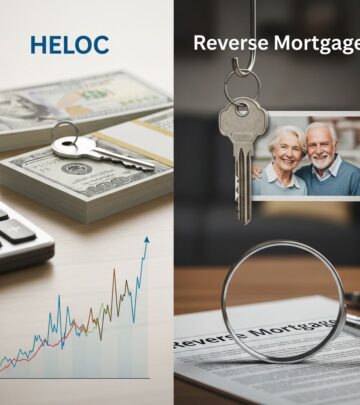
Homeowners also have the option to consider home equity loans or HELOCs (home equity lines of credit) as alternatives. These products require strict lending criteria, involve closing costs and fees, and may take time to obtain. However, they allow you to borrow money as needed and may have lower interest rates for those who qualify, though they do require monthly repayments and carry the risk of losing your home if you default.
References
- Reverse Mortgage Pros and Cons — Bankrate. 2025. https://www.bankrate.com/mortgages/reverse-mortgage-pros-and-cons/
- Home Equity Loan or HELOC vs. Reverse Mortgage — Bankrate. 2025. https://www.bankrate.com/home-equity/home-equity-loan-heloc-vs-reverse-mortgage/
- What Is A Reverse Mortgage? — Bankrate. 2025. https://www.bankrate.com/mortgages/reverse-mortgage-guide/
- What Are The Requirements For A Reverse Mortgage? — Bankrate. 2025. https://www.bankrate.com/mortgages/what-are-the-requirements-for-reverse-mortgages/
- Ask Bankrate: Are Reverse Mortgages Risky? — Bankrate. 2025. https://www.bankrate.com/personal-finance/ask-bankrate-are-reverse-mortgages-risky/
Similar Articles








Read full bio of Sneha Tete