How To Reuse K-Cups: 15 Genius Ideas For Used Coffee Pods
Transform used K-Cups into seed starters, crafts, organizers, and more to save money and reduce waste effectively.
K-Cups have revolutionized home coffee brewing, but their single-use plastic nature contributes significantly to landfill waste. With billions of pods produced annually, finding creative reuse methods is essential for environmentally conscious consumers. Rather than tossing them, transform used K-Cups into versatile tools for gardening, crafting, organization, and education. This approach not only cuts down on trash but also saves money by repurposing items you already have. Below, explore 15 practical and fun ideas drawn from expert tips and DIY enthusiasts.
Why Reuse K-Cups?
Reusing K-Cups addresses both environmental and economic concerns. Plastic pods like K-Cups take centuries to decompose in landfills, exacerbating pollution. By repurposing them, you extend their lifecycle, promote sustainability, and avoid purchasing new storage or craft supplies. Preparation is simple: after brewing, rinse the pod, peel off the foil lid, remove coffee grounds, and dry thoroughly. For ideas requiring a sealed bottom, use tape, pricing dots, or Wite-Out to cover the puncture hole. These hacks are family-friendly, requiring minimal tools and sparking creativity.
1. Seed Starter
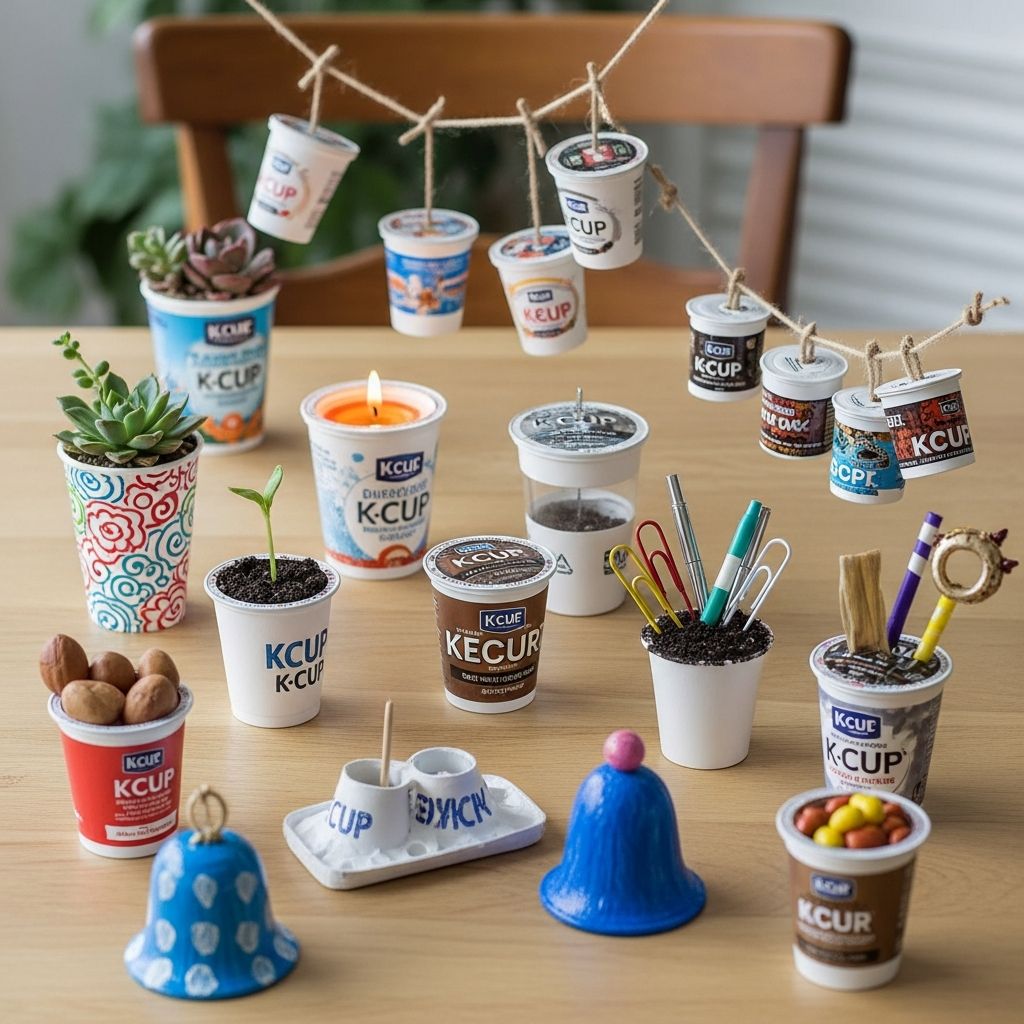
One of the most rewarding ways to reuse K-Cups is as biodegradable seed starters, giving back to the planet by fostering new plant life. Ideal for herbs, vegetables, or flowers, these mini pots are perfect for beginners, kids, or limited-space gardeners. Nutrition counselor Emily Cope from Rochester, NY, shares her method: “After using each K-Cup, let it dry, label with a Sharpie, peel off the top, and remove grounds. Add organic potting mix and plant one or two seeds.” Place in a sunny spot, water gently, and transplant seedlings directly into soil once roots emerge—the pod biodegrades naturally.
- Best seeds: Basil, tomatoes, peppers, lettuce.
- Pro tip: Poke drainage holes if needed, but the existing puncture often suffices.
- Benefits: Cost-free starters save $1-2 per pod compared to commercial ones.
2. Holiday Crafts
K-Cups shine in seasonal crafts for Easter, Thanksgiving, Halloween, and Christmas, turning trash into treasured decorations. When school holidays leave kids bored, gather pods, markers, glue, and paint for memorable projects. Create a DIY Advent calendar by numbering pods 1-25 and filling with treats; fashion turkey place card holders from brown-painted pods with feather accents; or craft spooky Halloween lights by adding LED tea lights inside glow-in-the-dark painted shells. Blogger Cristin Frank of Eve of Reduction uses them as dyed-egg holders for Easter, painting pods in pastel hues.
- Materials needed: Acrylic paints, pipe cleaners, googly eyes.
- Time estimate: 30-60 minutes per project.
- Savings: Replaces $5-10 craft kits.
3. Circular Stamp
For artistic fun, repurpose K-Cups as perfect circular stamps. Dip the ridged bottom in washable paint and press onto paper to create bases for faces, animals, or snowmen. Kids love filling in the circles with markers, fostering imagination and fine motor skills. This low-mess activity beats buying specialty stamps.
4. Paint Cups
Organize art sessions by using K-Cups as individual paint holders, separating colors without mixing on plates or newspaper. Pour excess back into bottles, rinse, and reuse. Seal the bottom hole with a pricing dot for spill-proof use. Great for family painting days or school projects.
5. Teaching Tools
Engage children in learning with K-Cups as educational aids. Kathy Griffin’s Teaching Strategies offers 10 Common Core-aligned activities for math and literacy, like sorting shapes or sequencing letters. Happy Hooligans suggests money-sorting cups: label pods with coin values and have kids count change. These tactile tools make abstract concepts concrete and fun.
6. Herb Planters
Extend seed starting to permanent mini herb gardens. Plant basil, mint, or chives in pods lined with coffee-filter scraps for drainage. Cluster several in a windowsill tray for fresh kitchen herbs, saving on store-bought bundles.
7. Storage for Beads and Jewelry
Keep tiny craft beads, sequins, or jewelry findings sorted in labeled K-Cups. Stack in a shoebox or egg carton for portable organization. Ideal for beaders or earring makers avoiding tangled messes.
8. Fishing Lure Holders
Anglers, use pods to store hooks, lures, and bobbers. The compact size fits tackle boxes perfectly, preventing snags and loss. Drill small holes in the lid for easy access.
9. Bath Bomb Molds
DIY bath bombs with K-Cups as molds. Mix baking soda, citric acid, and essential oils; pack into halved pods, let dry, and pop out fizzing spheres. Sells well at craft fairs too.
10. Cable Organizers
Tame cord chaos by threading earbuds or charger cables through the pod hole and snapping shut. Label for chargers, headphones, etc. Portable and tangle-free.
11. Scoop for Dry Goods
Solve canister scooping issues with K-Cups as mini scoops for flour, sugar, rice, or coffee. Store one inside for hygienic, spill-free measuring—no spoons needed.
12. Organizers for Small Items
Customize for hair clips, screws, buttons, or office supplies. Mount on carousels or drawer inserts for grab-and-go access. Label with washi tape for aesthetics.
13. Concrete Candle Holders
For industrial chic, embed K-Cups in concrete molds as tea light holders. Follow DIY tutorials: mix concrete, pour into a form with pod upside down, cure, and reveal rustic bases. Perfect for home decor.
14. Confetti Poppers
Party essential: fill sealed pods with confetti, add a balloon stem, inflate, and pop for showers of color. Ideal for New Year’s, birthdays, or weddings. Quick cleanup with a handheld vac.
15. Pet Treat Dispensers
Poke holes in pods, fill with kibble or treats, and use as slow-feeder toys for cats or small dogs. Encourages play while dispensing food gradually.
Preparation Tips for All Projects
| Step | Action | Tools Needed |
|---|---|---|
| 1 | Rinse and dry pod | Water, towel |
| 2 | Remove foil and grounds | Fingers or spoon |
| 3 | Seal bottom hole if needed | Tape, pricing dots |
| 4 | Label or decorate | Sharpie, stickers |
Always supervise children with small parts. For outdoor use, ensure pods are clean to avoid pests.
Frequently Asked Questions (FAQs)
Are reused K-Cups safe for food or plants?
Yes, after thorough rinsing and drying, food-grade plastic #5 (polypropylene) is safe for non-heated uses like seed starting or scoops. Avoid direct food contact if residues linger.
Can I compost K-Cups?
Standard K-Cups aren’t compostable, but reusable versions exist. For best results, recycle where accepted or repurpose first.
How many K-Cups does an average household use?
A two-person coffee-drinking home might discard 300-500 pods yearly, amplifying reuse impact.
What’s the environmental benefit?
Reusing one pod keeps it from landfills for months, reducing plastic waste equivalent to 1-2 grocery bags per 100 pods.
Final Thoughts
Reusing K-Cups turns a coffee habit’s downside into creative wins for your wallet, home, and planet. Start small with seed starters or paint cups, then expand to crafts. Share your hacks in comments—what’s your favorite? These ideas prove sustainability can be simple and fun.
References
- Before You Toss That K-Cup, Check Out These 15 Genius Ways to Reuse It — The Penny Hoarder. 2017-01-02. https://www.thepennyhoarder.com/save-money/reusing-k-cups/
- 5 Genius Ways to Reuse K-Cups — The Penny Hoarder (YouTube). 2016-11-29. https://www.youtube.com/watch?v=-CF1neLDH2Q
- 10 Brilliant Ways to Reuse Your K-Cups — Money Talks News. Accessed 2026. https://www.moneytalksnews.com/10-brilliant-ways-reuse-your-cups/
Similar Articles








Read full bio of Sneha Tete