9 Weirdest Ways People Save Money, And Safer Alternatives
Discover the strangest, most extreme frugal hacks people use to slash expenses—from reusing floss to peeing in bottles.
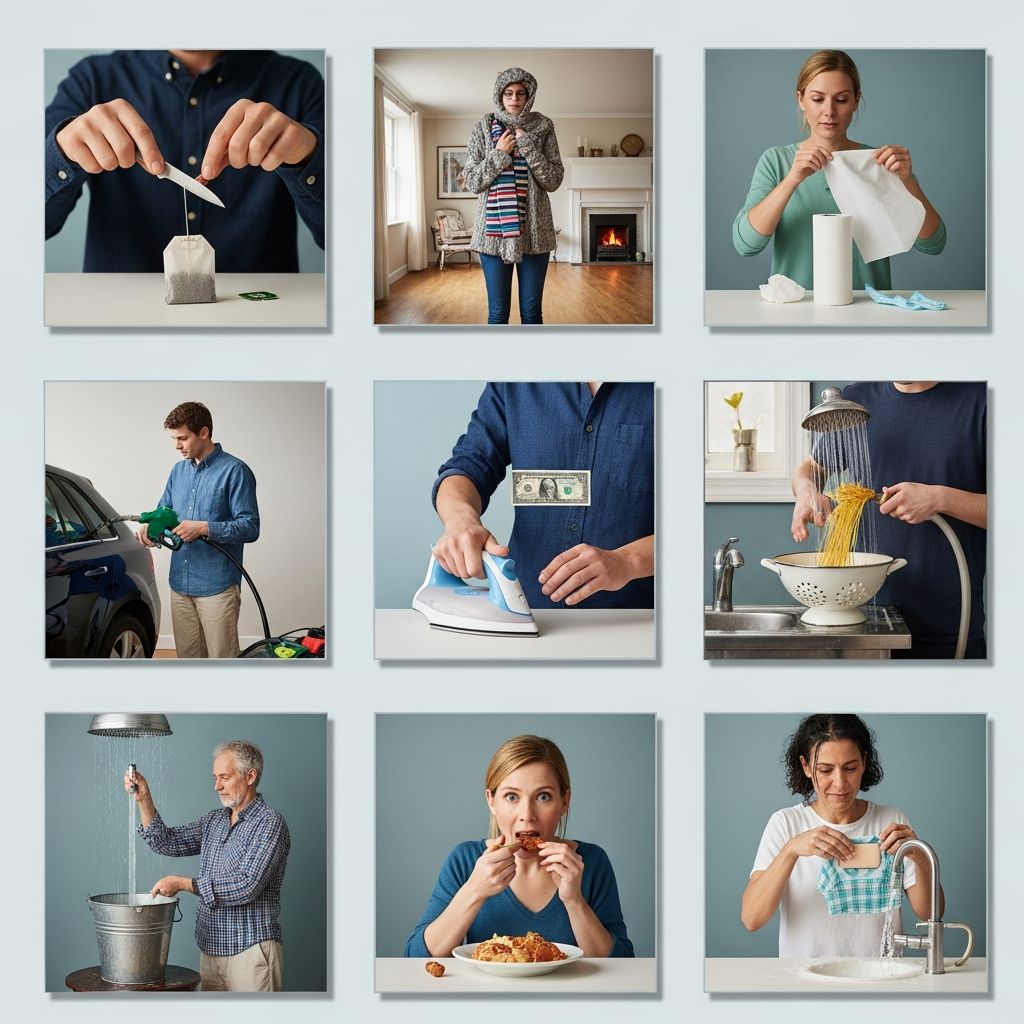
Frugal living takes dedication, but some people push it to extremes with habits that shock even the thrift savviest among us. From reusing dental floss to peeing in bottles, these 9 weirdest money-saving tactics reveal just how far folks go to slash expenses. While some work, others risk health or hygiene— we’ll break them down with pros, cons, and better alternatives grounded in practical advice.
1. Peeing in Bottles
One of the most talked-about extreme habits is urinating in empty bottles instead of flushing the toilet. Extreme saver Roy Haynes, featured in various frugality stories, popularized this by claiming it saves on water bills. The logic? Each flush uses 1.6 to 3 gallons of water in modern toilets, adding up to hundreds of gallons monthly for frequent bathroom users.
Proponents argue it’s eco-friendly too, reducing water waste amid global shortages. In water-scarce areas, this could cut utility bills by 10-20% for households with high usage. However, hygiene is a major red flag—urine bottles can spill, breed bacteria, and create odors if not disposed of immediately.
- Pros: Zero-cost water savings; minimal environmental impact.
- Cons: Health risks from spills; plumbing clogs if poured down drains improperly; social awkwardness for guests.
Better alternative: Install low-flow toilets or dual-flush systems, which reduce water use by up to 50% per flush per EPA standards. For renters, place bricks in the tank to displace water—saving gallons without the gross factor.
2. Reusing Dental Floss
Roy Haynes again makes the list with his floss-reusing trick: after flossing, he rinses the strand and hangs it to dry for next use. This aims to stretch a $2 floss pack over months, but dental experts unanimously warn against it. Floss picks up bacteria, plaque, and food debris, turning it into a bacterial breeding ground upon reuse.
Studies show plaque harbors millions of bacteria per square millimeter, risking gum disease and infections if reintroduced. Reused floss frays, losing cleaning power—defeating the purpose while compromising oral health.
- Pros: Tiny cost savings (pennies per use); reduces waste.
- Cons: Increases gingivitis risk; ineffective cleaning; unsanitary.
Smarter hack: Buy floss in bulk (under $0.01 per foot) or switch to water flossers, which are reusable and dentist-recommended for thorough cleaning without disposables. Floss daily with fresh sections for health benefits like preventing $1,000+ cavities.
3. Collecting Rainwater for Showers
Frugal extremists set up barrels to capture roof runoff for bucket showers or flushing. In rainy climates, this yields free water, potentially saving $50+ monthly on bills. Haynes touted this for laundry too, but filtration is key to avoid contaminants like bird droppings or pollutants.
Legality varies—some U.S. states restrict collection due to water rights. Health-wise, unfiltered rainwater can carry pathogens, per CDC guidelines on non-potable use.
- Pros: Free water in wet areas; sustainable.
- Cons: Contamination risks; storage/setup costs ($100+ for barrels).
Alternative: Low-flow showerheads cut usage by 60% (2.5 GPM max per federal standards), saving without DIY plumbing hassles.
4. Eating Roadkill
Hunting fresh meat is pricey, so some scavenge fresh roadkill like deer—legal in 20+ U.S. states with permits. A deer carcass yields 50+ lbs of meat worth $300 at market prices. Proper processing prevents disease, but risks include parasites or vehicle contaminants.
- Pros: Ultra-cheap protein; uses wasted resources.
- Cons: Food safety hazards; emotional toll; legal limits.
Safer: Shop discount meat sections or learn ethical hunting to stock freezers legally.
5. Reusing Paper Towels
Wash and dry used towels for non-greasy wipes. Saves $100 yearly for heavy users, but bacteria thrive in damp fibers, risking cross-contamination.
- Pros: Cuts disposables; easy.
- Cons: Hygiene issues; fraying reduces absorbency.
Upgrade to Swedish dishcloths—reusable up to 200 times, compostable, and cost $1 each.
6. Growing Food in Unconventional Spaces
Balcony hydroponics or toilet gardens (yes, repurposed fixtures) yield free veggies. Potatoes in buckets cost pennies in soil/seeds, harvesting $20+ worth seasonally.
- Pros: Fresh produce; therapeutic.
- Cons: Space limits; pest issues.
Tip: Use vertical planters for max yield in small areas.
7. Bartering Everything
Trade skills/goods instead of cash—haircuts for veggies. Platforms like Craigslist enable zero-dollar swaps, slashing grocery/transport costs.
- Pros: No money spent; builds community.
- Cons: Time-intensive; value mismatches.
Modern twist: Apps like Bunz for digital bartering.
8. DIY Everything from Scratch
Homemade cleaners, yogurt, even toothpaste from baking soda. Saves $200+ yearly vs. store-bought, with customizable quality.
- Pros: Control ingredients; fun.
- Cons: Trial/error; shelf life shorter.
Recipes from USDA extension sites ensure safety/efficacy.
9. Extreme Couponing and Dumpster Diving
Clip coupons to near-free groceries; dive bins for edible discards (legal in most areas). TLC’s show highlighted $1,000 hauls for $10, but expiration risks apply.
- Pros: Massive savings.
- Cons: Legal/ethical gray areas; spoilage.
Safer: Apps like Ibotta for digital rebates.
Health and Financial Trade-offs
These hacks save money but often sacrifice health. Reusing floss, for instance, raises gum disease odds by 30% per dental studies. Balance with vetted habits: bulk buys, energy audits save thousands safely.
| Hack | Potential Savings | Risk Level | Alternative |
|---|---|---|---|
| Peeing in Bottles | $20-50/mo | High | Low-flow fixtures |
| Reusing Floss | $5/yr | High | Bulk floss |
| Roadkill | $300/yr | Medium | Discount meat |
| Paper Towels Reuse | $100/yr | Medium | Reusables |
Frequently Asked Questions (FAQs)
Q: Is reusing dental floss safe?
A: No, it risks bacterial infections and ineffective cleaning, per dental consensus. Use fresh floss daily.
Q: Can peeing in bottles really save money?
A: Yes, on water bills, but hygiene issues outweigh tiny savings—opt for efficient fixtures.
Q: Is eating roadkill legal?
A: In many states with tags; always check local laws and inspect for safety.
Q: What’s the weirdest hack that actually works?
A: Bartering or DIY cleaners—low risk, high reward with practice.
Q: How to start extreme frugality safely?
A: Track expenses, prioritize health-safe hacks like bulk buying and energy cuts.
References
- Can You Reuse Floss Picks? — Anoka Dental. 2023-10-15. https://anokadental.com/not-reuse-dental-floss/
- Can You Reuse Floss Picks? The Hidden Dangers Revealed — Try Snow. 2024-05-20. https://www.trysnow.com/blogs/news/can-you-reuse-floss-picks
- Peeing in a Bottle and 8 Other Crazy Ways People Save Money — The Penny Hoarder. 2015-08-12. https://www.thepennyhoarder.com/save-money/reuse-dental-floss-9-weirdest-things-people-save-money/
Similar Articles








Read full bio of medha deb