Reuse Centers & Architectural Salvage Stores for Home Improvement
Discover sustainable and affordable building materials through reuse centers and architectural salvage stores.
Understanding Reuse Centers and Architectural Salvage Stores
When planning a home renovation or improvement project, most homeowners automatically turn to big-box retailers for new building materials. However, a growing network of reuse centers and architectural salvage stores offers an attractive alternative that combines affordability with environmental responsibility. These specialized facilities provide reclaimed and secondhand building materials at significantly reduced prices, helping homeowners save money while supporting a more sustainable approach to construction and home improvement.
Reuse centers and architectural salvage stores serve as collection points for materials salvaged from building demolitions, renovation projects, and construction sites. Instead of sending valuable materials to landfills, these organizations acquire doors, windows, lumber, fixtures, bricks, and countless other components that can be repurposed for new projects. By shopping at these locations, homeowners gain access to unique, often higher-quality materials than what’s available in conventional stores, frequently at 50 to 90 percent below retail prices.
What Materials Can You Find at Reuse Centers?
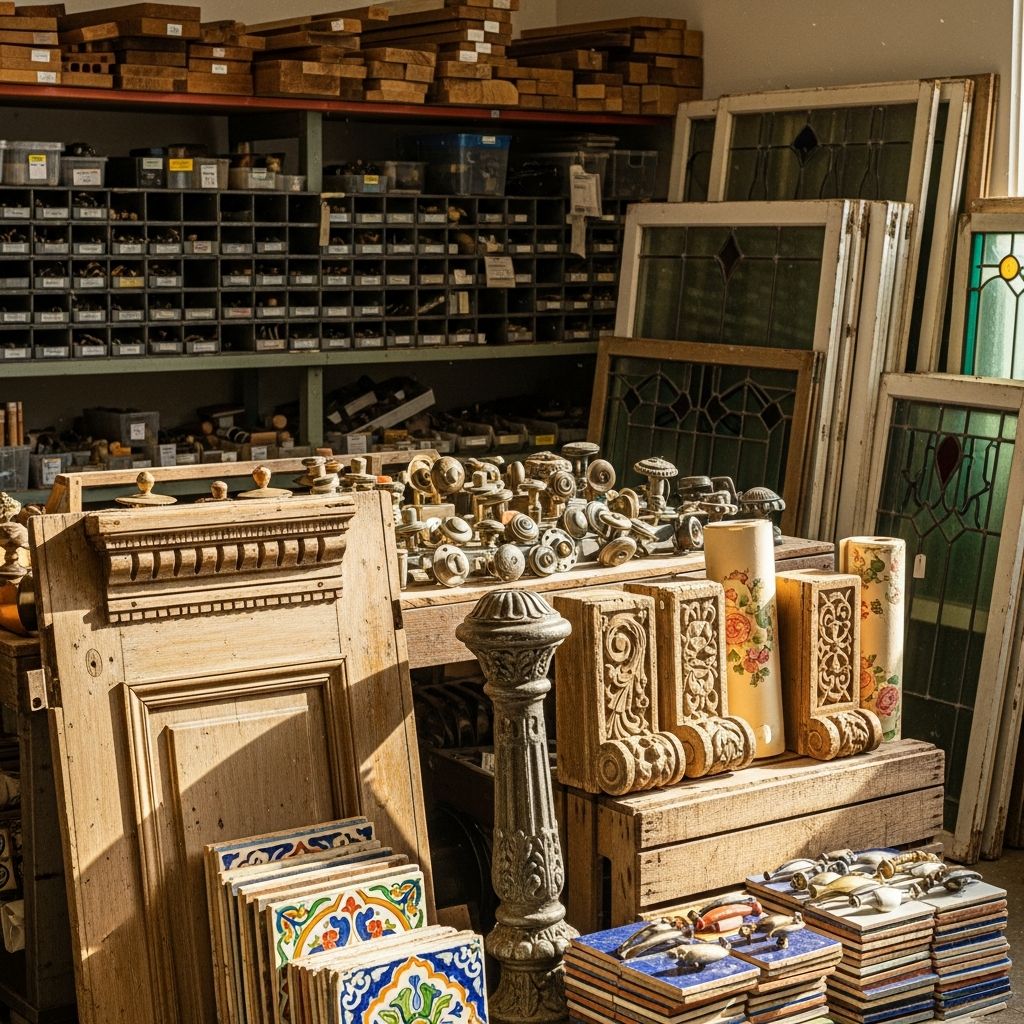
The variety of materials available at reuse centers and architectural salvage stores is remarkably diverse. Most facilities stock items that range from practical building supplies to decorative architectural elements that can add character and history to any home project.
Common materials available include:
– Dimensional lumber and framing materials from deconstructed buildings- Doors, windows, and window frames in various styles and conditions- Kitchen and bathroom cabinetry from renovations- Plumbing fixtures, including sinks, toilets, and vintage hardware- Lighting fixtures and electrical components- Brick, stone, and decorative flooring materials- Appliances ranging from vintage to modern styles- Hardwood and specialty flooring- Architectural trim and molding- Hardware and fasteners- Roofing materials and gutters
Beyond building materials, many reuse centers also feature secondhand home furnishings, furniture pieces that can be refurbished, and art supplies for creative projects. This diversity makes these stores valuable destinations whether you’re undertaking a major renovation or looking for affordable home décor items.
The Environmental Impact of Choosing Salvaged Materials
One of the most compelling reasons to shop at reuse centers and architectural salvage stores is the significant environmental benefit. Construction and demolition debris represents a substantial portion of America’s waste stream, accounting for approximately 40 percent of all waste generated in the United States. When a typical 2,000-square-foot home is demolished using conventional methods, it can produce over 100 tons of waste that ends up in landfills.
By contrast, deconstruction and material salvage can divert 80 to 90 percent of those materials from landfills. This dramatic difference means tens of thousands of pounds of usable materials—wood, metal, brick, and fixtures—receive a second life instead of being buried. Purchasing these salvaged materials further supports this circular economy by creating demand for reuse and deconstruction services.
Beyond waste reduction, using salvaged materials requires significantly less energy than producing new materials from raw resources. For example, repairing and refinishing a salvaged window frame requires only minor work, whereas manufacturing a new window from virgin materials demands substantial energy input and resource extraction. When homeowners choose reclaimed materials, they actively reduce carbon emissions and conserve natural resources while achieving their home improvement goals.
Cost Savings: The Financial Advantage
For budget-conscious homeowners, the financial benefits of shopping at reuse centers cannot be overstated. Materials are typically priced at 50 to 90 percent below retail prices, making premium and specialty items accessible to those who might otherwise consider them unaffordable. This cost advantage applies across virtually all material categories, from solid wood flooring to vintage lighting fixtures to quality doors and windows.
Reclaimed wood, for instance, can be repurposed into stunning feature walls or rustic furniture at a fraction of the cost of new materials. Old bricks can create attractive landscaping projects at minimal expense. Salvaged appliances often function perfectly despite being considered outdated by manufacturers. These savings can substantially reduce overall project costs, allowing homeowners to invest in quality materials or expand the scope of their improvements within their budget constraints.
For larger renovation projects, the cumulative savings can be dramatic. A complete kitchen renovation using salvaged cabinetry, appliances, and fixtures might cost one-third or less compared to purchasing equivalent new items from conventional retailers. These savings make comprehensive home improvements financially feasible for many homeowners.
Supporting Local Communities and Economies
Reuse centers and architectural salvage stores provide substantial community and economic benefits beyond environmental protection and personal savings. Many of these organizations operate as nonprofits dedicated to serving local residents, particularly those with limited financial resources. Proceeds from sales often support community programs including home repair services for low-income families, elderly residents, disabled homeowners, and veterans.
Organizations like Rebuilding Central New York ReUse Store exemplify this community-focused approach. Located in Utica, this nonprofit has kept over 500 tons of material out of landfills while selling discounted materials to families who otherwise couldn’t afford home improvements. All revenue stays local to fund essential services for vulnerable populations. This model creates a self-sustaining system where shopping for building materials directly supports community members in need.
Additionally, salvage yards and architectural salvage businesses create employment opportunities for skilled tradespeople and craftspeople who specialize in deconstruction, material assessment, and restoration work. By supporting these local businesses, homeowners stimulate their local economy and help maintain jobs in their communities. This economic activity often has multiplier effects, benefiting surrounding businesses and supporting community vitality.
Tax Benefits and Financial Incentives
Homeowners undertaking larger deconstruction projects may qualify for valuable tax deductions. When salvaged materials are donated to qualified nonprofit organizations such as Habitat for Humanity or local building reuse centers, the appraised value of those materials can often be claimed as a charitable contribution. This tax deduction can offset a significant portion—or sometimes most—of the deconstruction costs, making environmentally responsible choices even more financially attractive.
For example, a homeowner deconstructing an older home to salvage quality materials and donate unusable items might reduce their net deconstruction costs substantially through charitable tax deductions. While exact savings vary based on materials, home size, and professional appraisals, many homeowners find that tax benefits significantly reduce their overall expenses compared to conventional demolition.
Working with a certified appraiser and tax professional ensures that all donations and documentation meet IRS requirements, maximizing tax benefits while maintaining compliance. This professional guidance makes the process straightforward and protects homeowners from potential complications.
Types of Reuse Centers and Salvage Operations
The reuse landscape includes several distinct types of organizations, each serving particular needs and specializing in different materials or services.
General Reuse Centers: These facilities accept donated building materials and household goods, selling them to the public at discount prices. They typically operate as nonprofits and serve as repositories for materials from multiple sources including retailers, contractors, demolition sites, and individual donations.
Architectural Salvage Stores: Specializing specifically in architectural and building materials, salvage stores often feature higher-end or specialty items including vintage doors, ornate trim, antique hardware, and other distinctive materials sourced from historic buildings and renovation projects.
Creative Reuse Centers: These specialized facilities focus on art supplies, offering reclaimed materials suitable for artistic projects. Many offer classes and programs teaching community members to create art from unconventional materials, supporting artistic development while diverting materials from landfills.
Deconstruction Services: Professional deconstruction companies specialize in carefully dismantling buildings to maximize material recovery. They coordinate with reuse centers and nonprofits to place salvaged materials appropriately, often achieving 70 to 90 percent diversion rates from landfills.
How to Use Reuse Centers Effectively
Plan Your Projects: Before visiting a reuse center, have clear project plans and measurements. Knowing exactly what you need helps you focus your search and make efficient use of your shopping time.
Be Flexible: Salvaged materials won’t always match exactly what you initially envisioned. Maintaining flexibility about colors, styles, and specifications often yields better results and more satisfying finds.
Inspect Carefully: Examine items thoroughly for damage, missing pieces, or functionality issues. Most reuse centers offer items as-is, without warranties, so thorough inspection before purchase is essential.
Visit Regularly: Reuse center inventory changes constantly as new donations arrive. Visiting multiple times increases your chances of finding exactly what you need, especially for specific items.
Ask Questions: Staff members often possess valuable knowledge about material origins, condition, and appropriate uses. Don’t hesitate to ask for recommendations or information about specific items.
Creative Applications for Salvaged Materials
Experienced home improvers and designers have discovered countless creative ways to use salvaged materials beyond their original purposes. Old doors become headboards, barn doors, or room dividers. Reclaimed wood transforms into floating shelves, accent walls, or rustic furniture. Vintage windows convert into decorative wall art or garden structures. Architectural trim and molding add character to modern spaces. These creative applications often produce unique, personalized results impossible to achieve with mass-produced new materials.
Frequently Asked Questions
Q: Are salvaged building materials reliable and safe for construction?
A: Yes, when properly inspected and used appropriately. Salvaged materials have proven durability, having already been in service for years or decades. However, inspect items carefully and consult professionals about structural applications. Some salvaged materials may require treatment, restoration, or updates to meet current building codes.
Q: How much money can I really save by using salvaged materials?
A: Savings typically range from 50 to 90 percent below retail prices, though actual savings depend on the specific materials and project. A complete renovation using primarily salvaged materials might cost 40 to 60 percent less than comparable new materials.
Q: Can I find specific materials at reuse centers, or is it always a treasure hunt?
A: Both approaches work. Many centers maintain searchable inventories or allow you to request materials you need. Regular visits often yield specific items, though some discovery and flexibility helps optimize results.
Q: Do reuse centers accept donations from homeowners?
A: Most do accept donations from individuals, though typically they have lists of acceptable materials. Contacting centers beforehand about what they accept ensures smooth donation processes and potentially supports tax deductions.
Q: What should I look for when inspecting salvaged materials?
A: Check for structural integrity, missing pieces, water damage, pest damage, and functionality. For electrical or plumbing items, verify that they function properly and meet current safety standards.
Q: How can I ensure I’m buying from reputable reuse organizations?
A: Look for nonprofit organizations, check local ratings and reviews, and ask about their sourcing practices and community involvement. Established organizations with clear missions and community recognition are typically reliable sources.
References
- What is a Reuse Center and How Does it Work? — Going Zero Waste. 2024. https://www.goingzerowaste.com/blog/reuse-stores/
- The Power of Deconstruction: Saving Money, Reducing Waste, and Building a Better Future — SI Container Builds. 2024. https://www.sicontainerbuilds.com/post/the-power-of-deconstruction-saving-money-reducing-waste-and-building-a-better-future
- Best Practices for Reducing, Reusing, and Recycling Construction and Demolition Materials — U.S. Environmental Protection Agency. 2024. https://www.epa.gov/smm/best-practices-reducing-reusing-and-recycling-construction-and-demolition-materials
- What is Architectural Salvage and Its Impact on the World? — OGT Store. 2024. https://ogtstore.com/blog/what-is-architectural-salvage-and-its-impact-on-the-world/
- The Benefits of Using Repurposed Building Materials for DIY Projects — Resource York. 2024. https://resourceyork.org/revive-reuse-recreate-the-benefits-of-using-repurposed-building-materials-for-diy-projects/
- Materials Reuse: Donate & Shop Used Building Materials — Resource Central. 2024. https://resourcecentral.org/materialsreuse/
Similar Articles








Read full bio of Sneha Tete