9 Reusable Products That Save Money Over Time
Ditch disposables for reusables: Pay once, save forever on everyday essentials while cutting waste.
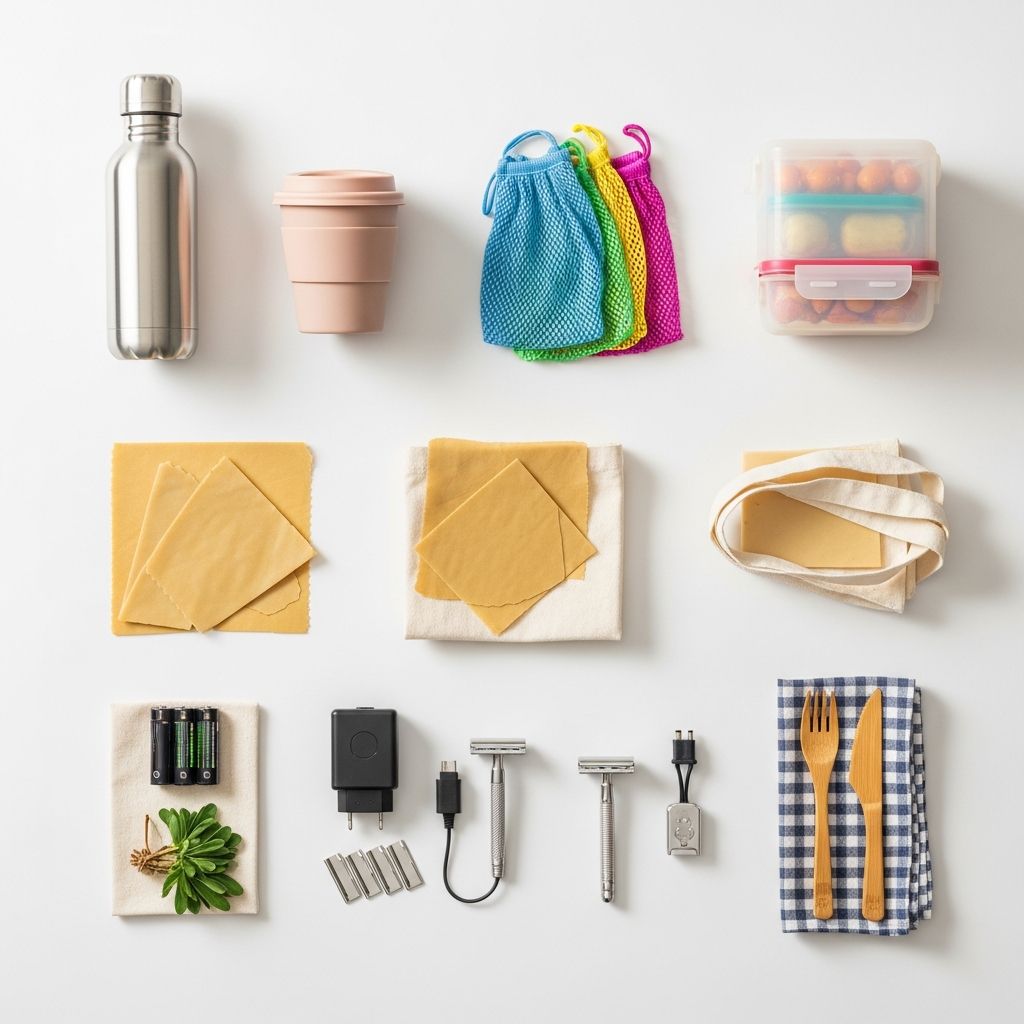
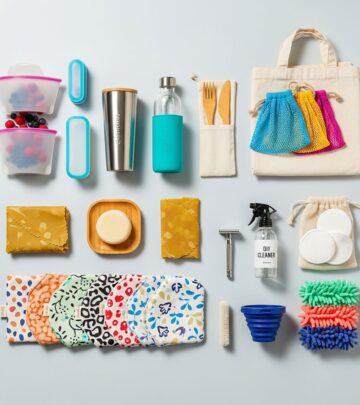
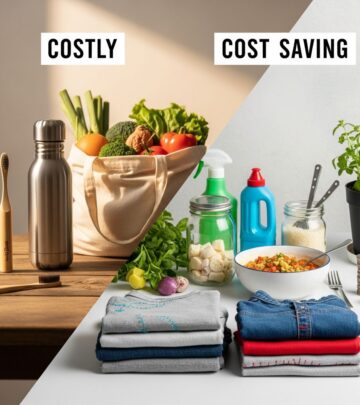
Saving the planet doesn’t always come cheap. Many disposable products we rely on offer short-term convenience at low upfront prices, but their reusable alternatives deliver massive long-term savings and environmental benefits. Plastic bags, straws, and single-use bottles contribute to ocean pollution and landfill overflow, with items like disposable diapers taking centuries to decompose. Reusable products require a higher initial investment, but they pay for themselves quickly through eliminated repeat purchases. This article breaks down nine common household items, comparing reusable vs. disposable costs based on market data, to show how you can slash expenses while going green.
Why Switch to Reusables? The Big Picture
Reusable products align financial prudence with sustainability. A single stainless steel straw can replace hundreds of plastic ones, and a durable water bottle eliminates bottled water buys indefinitely. Beyond savings, reusables reduce household waste by up to 50% in categories like kitchen consumables, according to U.S. Environmental Protection Agency data on municipal solid waste. The upfront cost hurdle is real—often 2-5 times higher—but break-even points arrive after just a few uses. For families, items like cloth diapers amplify savings over years, potentially cutting diaper expenses by 70-80%. In 2026, with rising disposable prices due to inflation and supply chain shifts, reusables offer even better value.
Our analysis draws from recent Amazon pricing (as of early 2026) and official sustainability reports, mirroring real-world shopping scenarios. Prices fluctuate, but the savings math holds: reusables win on longevity and volume.
9 Reusable Products That Will Save You Money Over Time
We compared reusable and disposable versions of nine everyday items. Here’s how they stack up, with break-even calculations to prove the value.
1. Straws
Disposable plastic straws cost about 9 cents each, often bought in bulk packs. A single stainless steel straw runs $0.50, or $7.99 for a 16-pack. Break-even? After eight uses for one straw, or proportionally faster with multiples. These metal wonders are dishwasher-safe, lasting years without bending or dissolving like plastic. Pro tip: Opt for silicone-tipped versions for comfort. Annual savings for a daily user: over $30.
2. Water Bottles
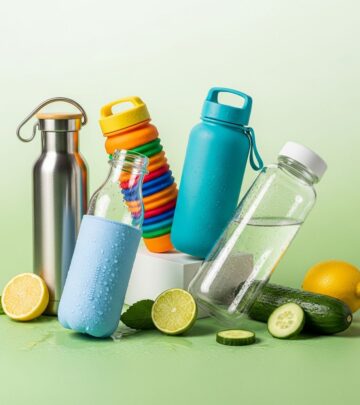
Single-use bottled water averages 50 cents per 16-oz bottle. A sturdy reusable bottle like a stainless steel or BPA-free plastic model costs $11.19. Refill it 40 times, and it’s paid off—then enjoy free hydration forever. With public fountains and home filters, this swap avoids 365+ bottle purchases yearly, saving $150+. Bonus: Insulated models keep drinks cold/hot for 24 hours.
3. Sandwich Bags
A box of 150 Ziploc-style bags costs $9.50. A set of 10 reusable silicone or beeswax bags: $12.89. That’s just $3 more upfront for indefinite use. Each bag withstands 300+ washes, outlasting dozens of disposables. Perfect for snacks, sandwiches, or marinating—dishwasher-safe and leakproof. Families report halving kitchen plastic waste while saving $50/year.
4. Diapers
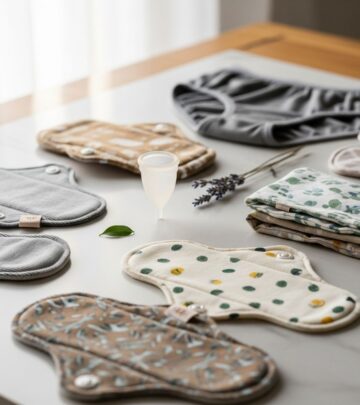
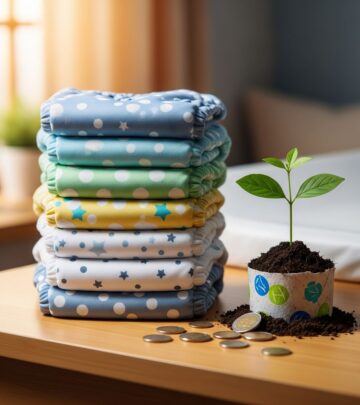
Disposable diapers range from 10 cents (basic) to 42 cents (premium like Pampers). A cloth diaper starter set averages $4.99 per diaper. Break-even after 12-16 changes. Over two years (about 5,000 changes), savings hit $1,500+ per child. Modern cloth options are adjustable, absorbent, and come with waterproof covers. U.S. parents using reusables save 75% on diapering costs, per Pediatric Environmental Health Specialty Unit studies.
| Item | Disposable Cost (per unit) | Reusable Cost | Break-Even Uses |
|---|---|---|---|
| Diaper | $0.42 | $4.99 | 12 |
| Straw | $0.09 | $0.50 | 6 |
| Water Bottle (16oz) | $0.50 | $11.19 | 23 |
5. Paper Towels
A family-sized roll of paper towels: $2.90. One reusable cloth kitchen towel: $1.62. Use it for messes, drying, or cleaning—wash and reuse endlessly. A set of 12 pays off after one roll’s worth of use, saving $100+ yearly for heavy users. Swedish government studies confirm reusables cut paper towel consumption by 90% in households.
6. K-Cups
A 40-pack of Starbucks K-Cups: $33.49. Reusable stainless steel pods (set of 4): $9.95. Fill with your ground coffee, brew, clean—repeat thousands of times. Saves $20+ per box equivalent, or $200/year for daily drinkers. Compatible with most Keurig machines, these pods reduce pod landfill waste by 99%.
7. Dryer Balls
Disposable dryer sheets (240-pack): $8.97. Six wool dryer balls: $9.97. Toss them in to soften fabrics, reduce static, and shorten drying time by 25%, per U.S. Department of Energy efficiency guidelines. Last 1,000+ loads (years of use), saving energy bills too. Eco-wool versions are naturally antimicrobial.
8. Razors
24-pack plastic razors: $18.85. Metal safety razor: $15.66, with replacement blades at 8 cents each (100-pack $8.30). Sharper, closer shaves with fewer blades wasted. Over 100 shaves, savings exceed $50. Safety razors reduce microplastic pollution from disposables.
9. Makeup Remover Pads (Bonus from Related Insights)
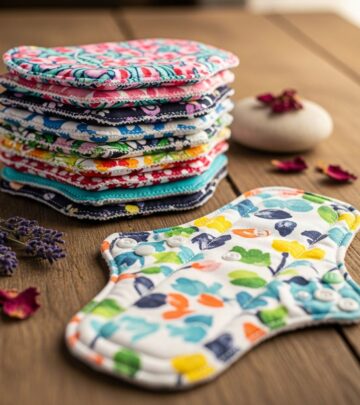
While not in the original nine, reusable pads echo the theme: Replace cotton balls or wipes (50 cents/use) with a $10 set of 16 washable pads. Lasts years, saving $100+ annually. Silky bamboo or microfiber options gently cleanse without irritation.
Cost Comparison Table: Reusables vs. Disposables
| Product | Disposable Price | Reusable Price | Est. Annual Savings | Lifespan |
|---|---|---|---|---|
| Straws (16-pack) | $13.50 (150-pack) | $7.99 | $50+ | Years |
| Water Bottle | $182 (365 bottles) | $11.19 | $170 | Indefinite |
| Sandwich Bags (10) | $9.50 (150) | $12.89 | $40 | 300+ uses ea. |
| Diapers (per child, 2 yrs) | $2,100 | $500 (set) | $1,600 | Multiple kids |
| Paper Towels (12 rolls) | $34.80 | $19.44 (12 towels) | $100 | Indefinite |
| K-Cups (10 boxes) | $335 | $9.95 (4 pods) | $300 | 1,000+ brews |
| Dryer Balls (6) | $8.97 (240 sheets) | $9.97 | $50 + energy | 1,000 loads |
| Razors (4 packs) | $75 | $23.96 (razor + blades) | $200 | Years |
Environmental and Long-Term Financial Wins
Switching yields dual benefits: wallets fatten as landfills shrink. EPA reports Americans discard 292,000 tons of paper towels yearly; reusables curb this. For coffee lovers, reusable K-Cups avoid 10 billion landfilled pods annually in the U.S. alone.[10] Start small—pick one category like straws or bags—to build momentum. Track savings with a simple app or spreadsheet for motivation.
Frequently Asked Questions (FAQs)
Do reusable products really save money?
Yes, most break even in 5-40 uses, then provide free service. Diapers and razors offer the biggest ROI for frequent users.
Are reusables hygienic?
Absolutely—dishwasher-safe options like silicone bags and steel straws clean easily. Wool dryer balls are naturally antibacterial.
How do I maintain reusables?
Wash per instructions: machine for most, hand for delicates. Proper care extends life 5-10x over disposables.
What’s the best starter reusable?
Water bottle: Universal appeal, quick payback, and taps into free water everywhere.
Do reusables work for families?
Perfectly—cloth diapers and towel sets scale savings with usage volume.
References
- 9 Reusable Products That Will Save You Money Over Time — The Penny Hoarder. 2023-10-06. https://www.thepennyhoarder.com/save-money/reusable-products/
- There’s Not a Dud in This Bunch of 25 Frugal Green Gifts — The Penny Hoarder. Accessed 2026. https://www.thepennyhoarder.com/save-money/sustainable-gifts/
- Container and Packaging Product Trends, 2021 — U.S. Environmental Protection Agency (EPA). 2023-12-31. https://www.epa.gov/facts-and-figures-about-materials-waste-and-recycling/container-and-packaging-product-specific-data
- Cloth Diapering — Centers for Disease Control and Prevention (CDC). 2024-05-15. https://www.cdc.gov/hygiene/hygiene-basics/cloth-diapering.html
- Drying Clothes: The Green and Energy-Efficient Way — U.S. Department of Energy. 2025-02-10. https://www.energy.gov/energysaver/drying-clothes
Similar Articles








Read full bio of Sneha Tete