Reusable Menstrual Supplies: 4 Best Options To Save Money
Ditch disposables for reusable menstrual supplies that save money, protect the planet, and boost your health long-term.
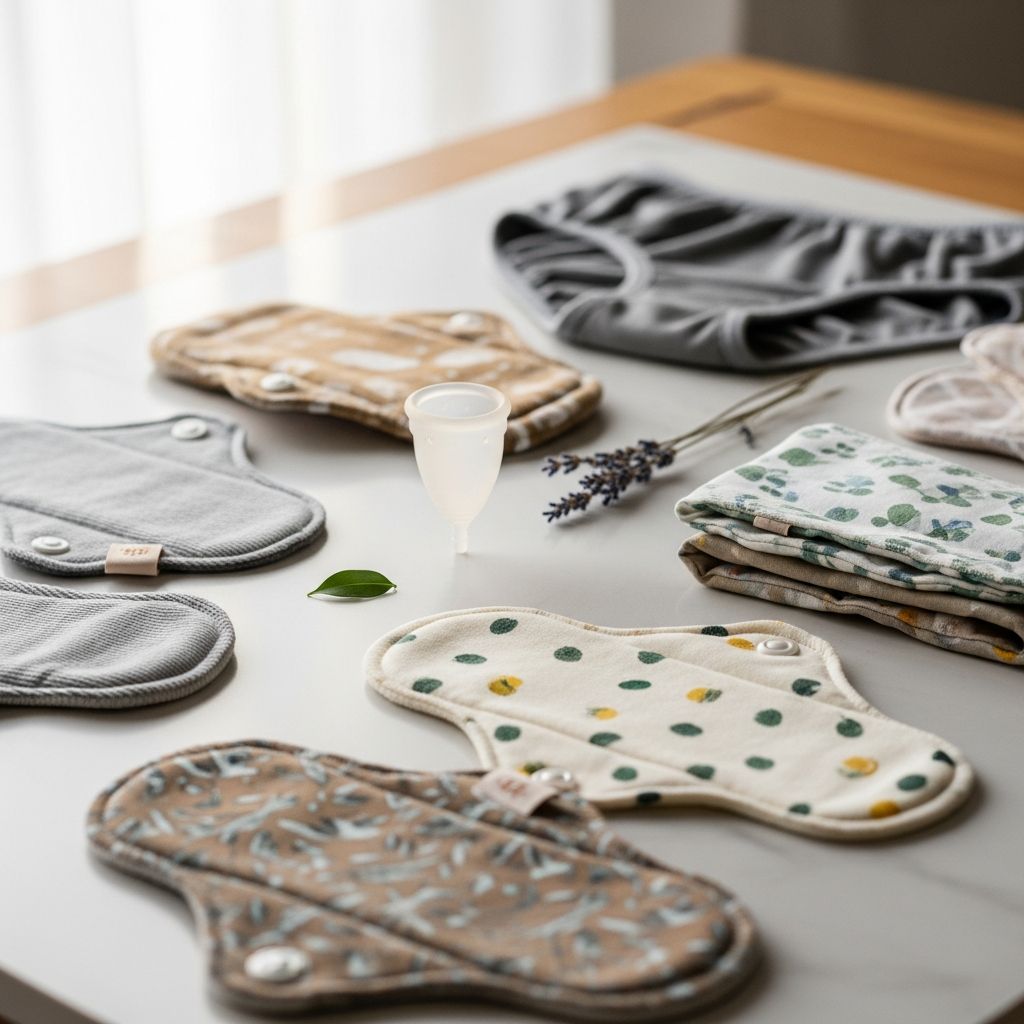
Every month, millions of people who menstruate spend on disposable pads, tampons, and liners, contributing to massive waste and ongoing expenses. Reusable menstrual supplies offer a smart alternative: products you wash and reuse for years, dramatically cutting costs while being kinder to your body and the environment. A single menstrual cup can last up to 10 years, replacing thousands of disposables.
This guide covers everything from
types of reusable menstrual products
to real-worldcost savings
, usage tips, and answers to common questions, helping you make the switch confidently.Why Switch to Reusable Menstrual Supplies?
Disposable products generate enormous waste: the average person uses 11,000 tampons or pads over a lifetime, many containing plastics that take 500 years to decompose. Reusables eliminate this, plus they save money and improve health.
- Environmental Impact: Reusables reduce landfill waste and resource use. One menstrual cup offsets hundreds of disposables, lowering your carbon footprint.
- Cost Savings: Initial investment pays off quickly—often within months—through long-term reuse.
- Health Benefits: Made from medical-grade materials, they avoid chemicals, fragrances, and absorbents in disposables that disrupt pH or cause irritation.
- Comfort and Convenience: Many users report less leakage, longer wear times (up to 12 hours), and a natural feel.
Types of Reusable Menstrual Products
Reusable options mimic disposables but last years. Here’s a breakdown of the main categories.
Menstrual Cups
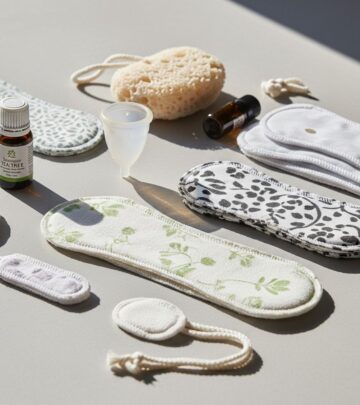
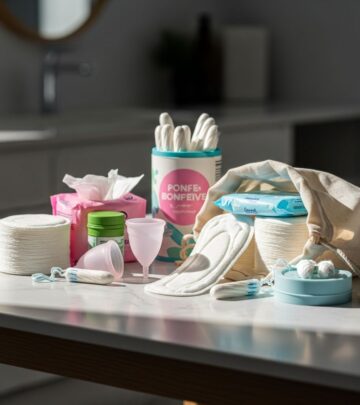
**Menstrual cups** are bell-shaped, flexible devices made from medical-grade silicone or rubber, inserted into the vagina to collect flow. They hold more than tampons (up to 12 hours of protection) and suit heavy flows or active lifestyles.
- Sizes: Small for light flow/low cervix; large for heavy flow/post-childbirth.
- Lifespan: 5–10 years with proper care.
- Best for: Travel, sports, overnight use.
Users often need a 1–3 cycle learning curve, but praise the security and discretion.
Reusable Period Pads (Cloth Pads)
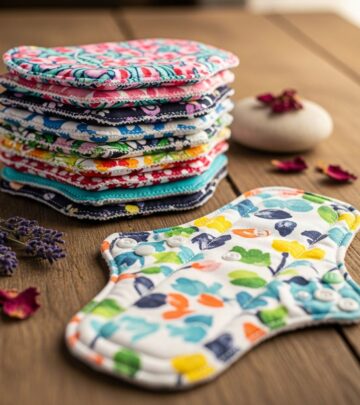
These fabric pads snap onto underwear with absorbent layers (often bamboo or cotton) and waterproof backing. They come in sizes from liners to overnights.
| Feature | Advantages |
|---|---|
| Materials | Eco-friendly bamboo/cotton for breathability and absorption |
| Durability | 4–5 years or more |
| Care | Rinse, machine wash, air dry |
Ideal for those preferring external protection or sensitive skin—free from adhesives and synthetics.
Period Underwear
**Period underwear** looks and feels like regular panties but has built-in absorbent, leak-proof layers. Options range from light thongs to heavy overnights.
- Absorbency levels: Light (liners), medium, heavy (tampon alternative).
- Lifespan: 2–5 years.
- Pro tip: Layer with a cup for ultra-heavy days.
Discreet and comfortable for daily wear, especially light-medium flows.
Menstrual Discs
Similar to cups but rimless and C-shaped for easier insertion, discs sit higher and work with IUDs. Great for mess-free period sex; holds 5–12 hours. Lifespan: 1–2 years.
How to Use Reusable Menstrual Products
Safe Insertion and Removal for Cups/Discs
- Wash hands.
- Fold cup (punch-down or C-fold), insert toward tailbone, let pop open.
- Check seal by rotating or tugging stem.
- Empty every 4–12 hours: pinch base, rock out gently.
Sterilize between cycles by boiling 5–10 minutes.
Caring for Pads and Period Underwear
- During Cycle: Rinse in cold water, soak if needed, wash with unscented detergent.
- Storage: Air dry fully; avoid fabric softeners.
- Stains: Hydrogen peroxide or sun-fading works wonders.
Cost Comparison: Reusables vs. Disposables
Upfront costs: Cup ($20–40), pads set ($30–60), underwear ($20–50/pair). But reusables pay off fast.
| Product | Upfront Cost | Lifespan | 5-Year Savings |
|---|---|---|---|
| Menstrual Cup | $30 | 10 years | $600+ (vs. $10/month disposables) |
| Cloth Pads (6-pack) | $40 | 5 years | $500 |
| Period Underwear (3-pack) | $60 | 3 years | $300 |
Assumes $10/month on disposables. Lifetime savings: $1,000–2,000 per person.
Savings Calculator
Track your switch:
- Monthly disposable spend: $_____
- Periods per year: 12
- Annual cost: $_____
- Reusable investment: $_____
- Payback months: Investment ÷ monthly spend
Most break even in 3–6 months.
Health and Safety Facts
Reusables are safe when cleaned properly. Cups maintain vaginal pH (unlike absorbent tampons), reducing infection risk. No TSS reports linked to proper cup use; IUD-compatible. Consult a doctor for concerns.
Overcoming Common Concerns
- “Too messy?” Less so than tampons—fluid is contained.
- “What about travel/public restrooms?” Carry a pee-wipe bottle or disposable pouch liners.
- “Fit for heavy flows?” Yes—cups hold 3x tampons; layer underwear/pads.
Frequently Asked Questions (FAQs)
Are reusable menstrual products safe?
Yes, when made from body-safe materials and cleaned properly. Medical-grade silicone prevents irritation or infections.
How much money do reusables save?
Hundreds yearly. A $30 cup replaces $120+ annual tampons/pads.
Can I use reusables with an IUD?
Yes, discs and shallow-insertion cups are ideal; trim stems if needed.
Are they good for heavy flows?
Absolutely—cups hold more; combine products for security.
How do I clean on the go?
Wipe with toilet paper/water bottle, rinse later. Boil/sterilize at home.
Do reusables smell?
No—airtight cups prevent odor; breathable fabrics dry fast.
Getting Started: Make the Switch Today
Start small: try one cup or pad set. Shops offer trials; read reviews for brands. Join communities for tips. Beyond savings, reusables empower sustainable living—your wallet, body, and planet thank you.
References
- Why Reusable Period Products Are the Future of Menstrual Care — The Brand Hannah. 2023. https://thebrandhannah.com/blogs/hannahblogs/why-reusable-period-products-are-the-future-of-menstrual-care
- Disposable vs. Reusable Menstrual Products: Pros and Cons — PeeSafe. 2024. https://www.peesafe.com/blogs/news/disposable-vs-reusable-menstrual-products-pros-and-cons
- Reusable Period Products — Women’s Health Connecticut. 2023. https://womenshealthct.com/reusable-period-products/
- 8 Benefits of Reusable Pads for Periods — Trade to Aid. 2023. https://www.tradetoaid.org/8-benefits-reusable-pads/
- More Women Are Switching to Reusable Menstrual Products — El Camino Women. 2024. https://elcaminowomen.com/blog/health/more-women-are-switching-to-reusable-menstrual-products-what-you-need-to-know.html
- The Benefits of Reusable Menstrual Products — Planet Forward. 2023. https://planetforward.org/story/reusable-menstrual-products/
- 4 Key Health Benefits of Reusable Period Products — Cheeky Pants. 2023. https://www.cheekypants.com/blog/4-key-health-benefits-of-reusable-period-products.html
Similar Articles








Read full bio of Sneha Tete