Returned Checks: Overview, Reasons & What to Do
Complete guide to understanding returned checks, fees, and recovery options.
Understanding Returned Checks: A Complete Overview
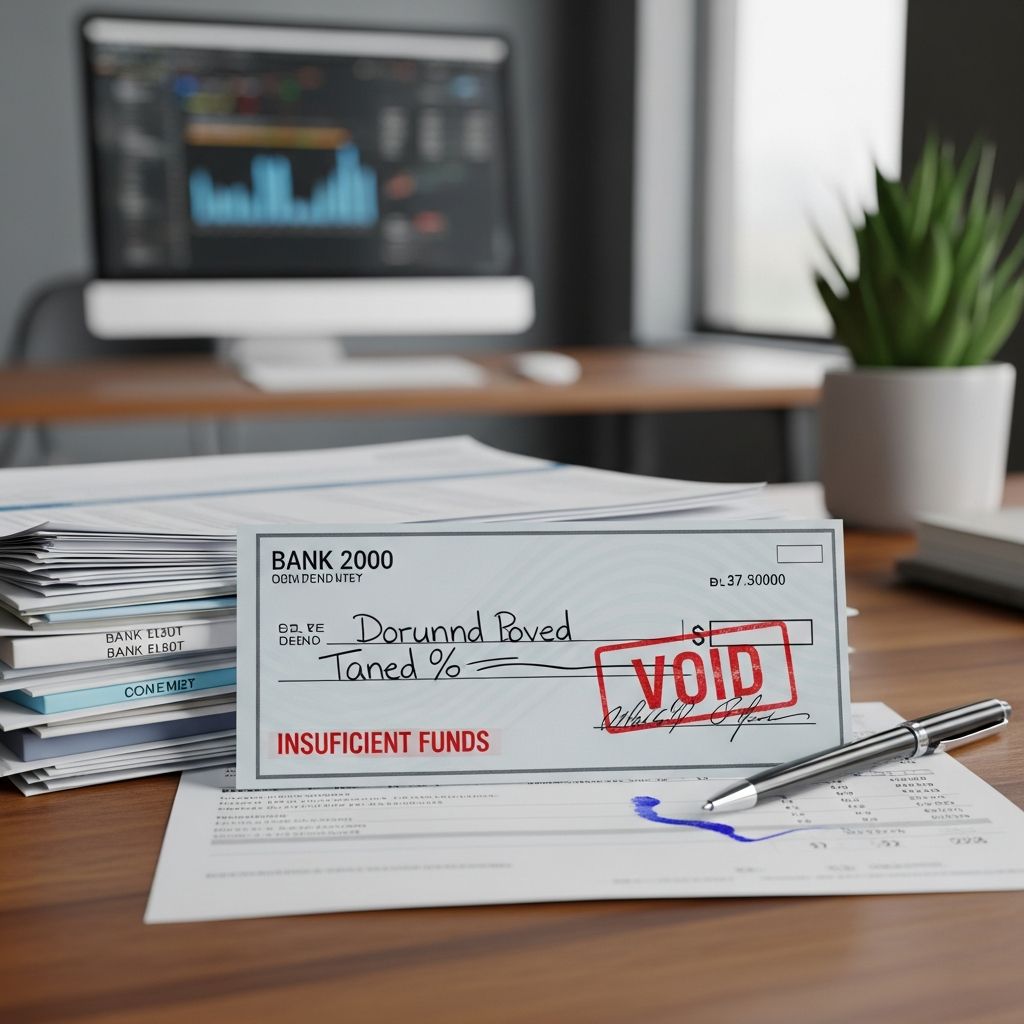
A returned check, also known as a bounced check or non-sufficient funds (NSF) check, occurs when a bank refuses to process or honor a check due to various issues such as insufficient funds in the account, a closed account, or mismatched account information. When a check is returned, it means the issuer’s bank has rejected the payment request, preventing the funds from being transferred to the payee. This situation creates complications for both the check writer and the recipient, often resulting in fees, service disruptions, and potential legal consequences.
Returned checks represent a failure to complete a financial transaction. For the party receiving the check, this can cause significant delays in payments and potential financial losses, particularly if the check was relied upon for business operations or personal payments. For the issuer, a returned check can result in penalties, fees from the bank, and damage to their financial reputation or credit standing.
Common Reasons Why Checks Are Returned
Understanding why checks are returned can help you avoid these situations and take appropriate action when they occur. The most common reasons include:
Insufficient Funds (NSF): This is the most frequent reason checks are returned. When the account holder does not have enough money in their checking account to cover the check amount, the bank will return the check unpaid.
Closed Account: If the account from which the check is drawn has been closed, the bank cannot process the payment and will return the check.
Account Holder Disputes: Sometimes an account holder places a stop payment order on a check, instructing their bank not to honor it. This might occur due to a dispute with the payee or if the check was lost or stolen.
Signature Discrepancies: If the signature on the check does not match the bank’s records or appears forged, the bank may return the check for signature verification issues.
Altered or Illegible Information: Checks with incomplete, illegible, or altered information—such as incorrect routing numbers, account numbers, or written amounts that don’t match the numeric amount—may be returned.
Post-Dated Checks: A check dated for a future date cannot be processed until that date arrives. If deposited early, it will be returned.
Stale-Dated Checks: Checks older than six months are typically considered stale and banks may refuse to honor them.
Fees and Charges Associated with Returned Checks
Returned checks trigger multiple fees that can quickly add up, affecting both the check writer and the recipient.
Bank Fees for the Check Writer: The account holder who issued the returned check typically faces a non-sufficient funds (NSF) fee from their bank, commonly ranging from $25 to $35 per occurrence. Some banks charge higher fees, particularly for repeat offenders. Additionally, if a check is returned and then redeposited, additional fees may apply.
Merchant or Payee Fees: The person or business that received the bad check is also likely to charge a returned check fee. According to payment processing data, recipients may charge between $20 and $50 or a percentage of the check amount, depending on state regulations and their specific policies. These fees compensate the recipient for the inconvenience and administrative costs of handling the returned check.
Cascading Financial Impact: If a returned check causes other transactions to fail or overdraft protection to activate, additional overdraft fees may be charged. This creates a domino effect of charges that can significantly impact the account holder’s finances.
Legal Implications and Potential Consequences
Beyond bank and merchant fees, returning a check can have serious legal ramifications depending on jurisdiction and circumstances.
Criminal Liability: In many states, intentionally writing a check without having sufficient funds in the account can be considered a misdemeanor or even a felony. The severity depends on local laws and circumstances such as the check amount and whether you eventually paid the money as agreed. Some states classify this as a theft offense, and convicted individuals may face jail time, probation, or both.
Civil Lawsuits: Recipients of bad checks can pursue civil legal action to recover the check amount plus additional damages. In states like California, you do not have to prove that the check writer intended to defraud you; liability can be established simply by demonstrating that a bad check was issued. However, if the check writer told the bank to stop payment to resolve a good faith dispute, you may not be able to recover damages.
Enhanced Damages: Some jurisdictions allow for statutory liquidated damages or treble damages (three times the check amount) for bad checks. In Ohio, for example, crime victims filing civil suits for NSF checks may recover compensatory damages, punitive damages, and attorneys’ fees.
Credit Impact: While a single returned check may not directly appear on your credit report, the consequences—such as unpaid debts or collection accounts—can damage your credit score if left unresolved.
What Happens When a Check Is Returned
The Return Process: When a paying bank determines not to honor a check, federal banking regulations require expeditious return. Paying banks must return checks to the depositary bank within two business days of presentment, typically by 2 p.m. local time on the second business day. For checks of $5,000 or more, the paying bank must also provide written notice of nonpayment. This timeline helps reduce the risk to depositary banks and ensures timely notification to account holders.
Notification to Account Holder: Once the check is returned to the bank where it was deposited, the bank notifies the payee that the check has been rejected. This notification typically occurs within one to three business days, depending on the bank’s processing procedures.
Return to the Payee: When a check is returned due to non-sufficient funds, it is returned to the payee at their bank. This allows them to potentially redeposit the check at a later time if they believe the funds are now available, or to pursue alternative collection methods.
Steps for Check Recipients When a Check Bounces
Contact the Check Writer: The first step is to contact the person who wrote the check. Look for a phone number and current address listed on the check and ask them to pay the money as agreed. Many situations can be resolved amicably with a simple phone call. If the initial contact doesn’t yield results, you may need to send a formal letter demanding payment. Some states require contact by mail when a check bounces, especially if you plan to pursue legal action.
Try Redepositing the Check: Ask the check writer if it’s safe to redeposit the bounced check, or contact the bank on which the check is drawn to inquire whether funds have been added to cover the payment. Some payees successfully collect payment through redeposit attempts. However, do not redeposit without permission from the check writer or verification that funds are available, as multiple rejection attempts may incur additional fees.
Send a Formal Demand Letter: If informal contact fails, send a certified demand letter to the check writer. This letter should include specific details about the bad check, such as the check number, date, and amount, along with an explanation of the circumstances and any applicable fees. Some states have specific statutory requirements for demand letters. In Ohio, for example, a demand letter must include five specific statutorily required explanations, and failure to comply can cause you to waive the right to recover collection costs and attorneys’ fees.
Consider a Collections Agency: If the check writer does not respond to your demand letter within the specified timeframe (often 30 days), you may engage a collections agency to pursue payment. Collections agencies specialize in recovering unpaid debts and may have greater success locating the debtor and securing payment.
Seek Legal Action: If alternative methods fail, you may need to take the check writer to court. The process varies by state or local law. In some states, you may be able to sue right away for the amount of the check, while in others you must first send a formal demand letter. You may pursue recovery of the check amount, any fees charged to you, and potentially additional damages or statutory penalties depending on your jurisdiction.
Pursue Criminal Charges: In some cases, you may have the option to file a criminal complaint with local law enforcement if you believe the check was written with intent to defraud. This is particularly relevant when the check writer has a pattern of issuing bad checks or when there is evidence of intentional wrongdoing.
Banking Regulations and Return Procedures
The return of checks is governed by Regulation CC, established by the Federal Reserve to standardize check processing and return procedures. This regulation ensures that both paying banks and depositary banks handle returned checks consistently and efficiently.
Paying Bank Responsibilities: Regulation CC requires that paying banks return checks expeditiously. A paying bank returns a check expeditiously if it returns the check to the depositary bank within two business days of presentment. Paying banks must clearly indicate on the front of the check that it is a returned check and provide the reason for return.
Returning Bank Responsibilities: Banks that handle returned checks are held to a similar expeditious return standard as paying banks, ensuring the returned check reaches the depositary bank quickly.
Depositary Bank Responsibilities: The bank where the check was originally deposited must accept returned checks and written notices of nonpayment at various locations and must pay for the returned check by the close of the banking day on which it was received. This ensures payees are notified promptly and can take action immediately.
How to Avoid Bouncing Checks
Prevention is far more effective than dealing with the consequences of returned checks. Consider these strategies:
Maintain Accurate Records: Keep detailed records of all deposits and withdrawals to know exactly how much money is available in your account at any given time.
Use Online Banking Tools: Most banks offer real-time account monitoring and balance alerts that notify you when your balance falls below a certain threshold.
Set Up Overdraft Protection: Link your checking account to a savings account or line of credit so that if a check would cause an overdraft, funds are automatically transferred to cover it. While overdraft protection may involve fees, they are typically lower than NSF fees.
Write Checks Only When Funds Are Available: Never write a check expecting a deposit to clear. Only write checks when you know funds are currently available in your account.
Verify Payee Information: Double-check that all payee information is correct and that the check amount matches your records before issuing.
Use Electronic Payments: Consider using electronic transfers, ACH payments, or digital payment methods instead of checks. These methods offer better tracking and reduce the likelihood of errors.
Frequently Asked Questions (FAQs)
Q: How long can a bank hold a returned check?
A: Banks typically hold returned checks for a period determined by their policies, often 30 to 60 days. However, federal regulations require that returned checks be processed expeditiously. Once a check is returned to you, you generally have six months to redeposit it before it becomes stale-dated.
Q: Can I still use checks if I’ve had one returned?
A: Yes, you can continue using checks after one is returned. However, your bank may place restrictions on your account or require you to maintain a higher minimum balance. Repeat NSF incidents may result in your account being closed.
Q: What is the difference between NSF and overdraft fees?
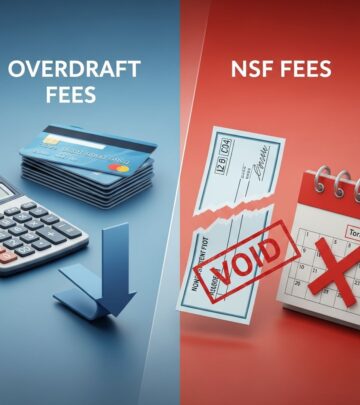
A: NSF fees are charged when a bank refuses to honor a check due to insufficient funds. Overdraft fees are charged when your bank allows a check to clear despite insufficient funds, effectively lending you money. The result is similar, but the circumstances differ.
Q: Can a returned check affect my credit score?
A: A single returned check typically does not directly appear on your credit report. However, if the unpaid check results in a collection account or civil judgment, this can significantly damage your credit score and remain on your report for seven years.
Q: Is it illegal to write a check knowing there are insufficient funds?
A: Yes, in most states writing a check with knowledge that there are insufficient funds is illegal and can be prosecuted as a criminal offense, particularly if there is evidence of intent to defraud.
Q: How much can I be sued for if I issue a bad check?
A: You can be sued for the full check amount plus any fees the recipient incurred. Depending on your state, you may also be liable for treble damages (three times the check amount), court costs, and attorneys’ fees.
References
- Regulation CC: Availability of Funds and Collection of Checks — Federal Reserve. https://www.federalreserve.gov/supervisionreg/regcccg.htm
- 12 CFR § 229.31 – Paying Bank’s Responsibility for Return of Checks and Notices of Nonpayment — U.S. Code of Federal Regulations. https://www.law.cornell.edu/cfr/text/12/229.31
- What is a Returned Check and What Should I Do About It? — Credit Karma. https://www.creditkarma.com/money/i/what-is-a-returned-check
- Bad Checks — State of California Department of Justice. https://oag.ca.gov/consumers/general/bad-checks
- How to Get Paid from a Bounced Check: An Attorney Answers Your Questions — Gertsburg Licata. https://www.gertsburglicataca.com/blog/how-to-get-paid-from-a-bounced-check-an-attorney-answers-your-questions/
- What Happens to My Check When It Is Returned for Non-Sufficient Funds? — U.S. Bank. https://www.usbank.com/customer-service/knowledge-base/KB0069609.html
Similar Articles








Read full bio of medha deb