Building Wealth at Every Life Stage
Discover age-specific retirement benchmarks and strategies to secure your financial future.

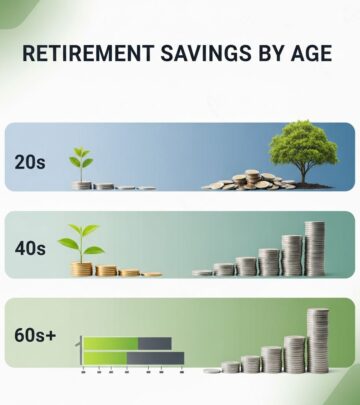
Planning for retirement requires understanding where you stand financially relative to your age and working toward realistic targets. Financial readiness in retirement depends not on a single action but on consistent, age-appropriate strategies that align with your earning capacity and time horizon. This guide explores the financial benchmarks that matter at each stage of your career and practical methods to achieve them.
Understanding Your Retirement Savings Foundation
The relationship between your age and retirement preparedness forms the cornerstone of sound financial planning. Rather than viewing retirement as a distant concern, successful savers recognize that early decisions compound significantly over time. The timeframe you have until retirement fundamentally shapes how aggressively or conservatively you should invest, how much you need to contribute annually, and what adjustments may be necessary as circumstances change.
Financial experts measure retirement readiness through multiple lenses, including absolute dollar amounts, multiples of annual salary, and percentage-of-income savings rates. Each metric provides valuable insight. A savings goal expressed as a multiple of your salary, for example, automatically scales with your income level and remains relevant even as wages increase throughout your career.
The Early Career Phase: Your 20s and 30s
The early decades of your working life present both opportunity and challenge. Your income may be modest compared to later years, yet the time available for compound growth is extraordinary. A dollar invested at age 25 has roughly 40 years to generate returns before traditional retirement age.
Realistic Savings Goals for Your 20s and 30s
During your 20s, financial planners typically recommend allocating 5-10% of gross income toward retirement savings. As you transition into your 30s, this target should increase to 10-15% of annual income. For those in their early career without substantial savings yet, even starting with a modest percentage creates momentum and builds the habit of prioritizing retirement.
By age 40, a reasonable benchmark is to have accumulated two to three times your current annual salary in retirement accounts. This may seem ambitious if you’re just beginning, but systematic contributions and employer matching accelerate progress significantly.
Strategic Advantages for Younger Savers
- Roth IRA Benefits: Younger workers expecting higher tax brackets in the future benefit from Roth accounts, where qualified withdrawals in retirement are tax-free. Contributing after-tax dollars now shields future growth from taxation.
- Employer Matching: Workplace 401(k) and 403(b) plans often include employer matches, effectively providing free money for retirement. Maximizing this match should be a priority before other financial goals.
- Aggressive Growth Positioning: With decades until retirement, younger investors can weather market volatility and recover from downturns. A portfolio weighted heavily toward stocks—potentially 80-90% stocks and 10-20% bonds—aligns with this extended timeline.
- Catch-Up Time: Starting late in your 20s versus your 30s makes measurable differences through compounding, yet even starting in your 30s allows sufficient time for substantial wealth accumulation.
Mid-Career Advancement: Your 40s and 50s
The middle decades typically represent peak earning years when income usually exceeds earlier career stages. This period demands intensified savings efforts to offset any years of reduced contributions and to capitalize on remaining time before retirement.
Escalating Savings Targets
By age 50, you should ideally have accumulated four to six times your annual salary in retirement savings. By age 55, this target rises to seven times your annual salary. By age 60, financial experts recommend eight to ten times your salary set aside.
Savings goals should increase to 15-20% of gross income during your 40s and 50s. This represents a significant commitment but reflects both your increased earning capacity and the shorter time remaining to build your retirement nest egg.
Leveraging Peak Earning Years
Your 40s and 50s often coincide with maximum earning potential. Children may be becoming financially independent, allowing more resources to flow toward retirement accounts. Life insurance needs may decline, freeing additional funds for savings. This is the optimal time to:
- Direct raises and bonuses directly into retirement accounts rather than increasing lifestyle spending
- Maximize regular contributions to 401(k) and IRA accounts
- Utilize catch-up contributions available at age 50, which allow substantially higher annual contributions than standard limits
- Consider additional savings vehicles like taxable investment accounts beyond tax-advantaged retirement plans
- Review and rebalance investment allocations as you approach later years
Portfolio Adjustments in Mid-Career
While younger investors benefit from aggressive stock-heavy allocations, mid-career savers should begin gradually shifting toward more balanced portfolios. A moderate allocation of 60% stocks, 35% bonds, and 5% cash provides growth potential while reducing volatility. This transition should occur gradually over several years rather than suddenly, maintaining growth opportunities while acknowledging reduced recovery time from market downturns.
The Final Decade: Your 50s Through Early 60s
As retirement draws near—typically within 10 years—the nature of retirement planning shifts from accumulation to preservation and withdrawal strategy. By age 60, financial experts recommend having eight to ten times your annual salary accumulated in retirement accounts, with the ultimate target of 10-12 times salary by traditional retirement age (65-67).
Catch-Up Contribution Opportunities
Once you reach age 50, the IRS allows catch-up contributions to both 401(k) accounts and IRAs. These higher limits enable accelerated savings during your final pre-retirement years. Workers aged 50-64 should prioritize maxing out these contributions to the extent possible, as this represents your last opportunity to make substantial contributions before distributions typically begin.
Income-Generation Focus
As retirement approaches, investment strategy should emphasize reliable income streams. Consider dividend-paying stocks, bonds, and real estate investment trusts (REITs) that provide regular cash flow. This transition from growth-focused to income-focused investing helps prepare for the shift from earning a salary to drawing retirement income.
Retirement Income Planning
Before retiring, conduct a detailed projection of your retirement income needs and available sources. This test-run reveals gaps between projected needs and available resources, enabling corrections before you leave the workforce. Factor in Social Security timing decisions, which significantly impact lifetime benefits depending on when you begin claiming.
Age-Specific Savings Checkpoints: A Quick Reference
| Age Range | Savings as Multiple of Salary | Recommended Annual Savings Rate | Key Strategy |
|---|---|---|---|
| 20s-30s | 0-3x by age 40 | 5-15% | Maximize employer match; start Roth IRA |
| 40s | 3-5x by age 50 | 15-20% | Increase contributions; rebalance portfolio |
| 50s | 5-10x by age 60 | 20%+ | Utilize catch-up contributions |
| 60s | 10-12x by retirement | Maximum possible | Plan Social Security; test retirement income |
Addressing Common Savings Gaps
Many workers discover they’re behind their retirement savings targets. Life circumstances—career interruptions, job changes, health emergencies—often disrupt savings plans. If you find yourself behind schedule, several strategies help recover lost ground:
- Accelerate Contributions: Increase your automatic savings rate with each pay raise, directing new income toward retirement rather than increased spending.
- Redirect Bonuses and Tax Refunds: Rather than spending unexpected income windfalls, deposit them directly into retirement accounts.
- Extend Working Years: Even working 2-3 additional years significantly impacts retirement security, allowing both continued contributions and delayed withdrawals that increase lifetime benefits.
- Reduce Expenses: Evaluate discretionary spending and redirect savings toward retirement accounts, particularly as you near retirement age.
Investment Strategy Frameworks by Life Stage
Beyond savings amounts, how you invest matters profoundly. Different life stages call for different investment approaches reflecting your risk tolerance and time horizon.
Early Career: Aggressive Growth
Workers in their 20s and early 30s should construct portfolios emphasizing growth through stocks. The extended time horizon allows recovery from market downturns. Target allocations might range from 80-90% stocks with minimal bond exposure.
Mid-Career: Balanced Approach
By your 40s, a 60/40 stock-to-bond allocation or similar moderate portfolio balances growth with stability. This provides continued appreciation potential while reducing the impact of market volatility as you approach your peak savings years.
Pre-Retirement: Conservative Positioning
In your 50s and early 60s, gradually shift toward more conservative allocations—potentially 50% stocks, 40% bonds, and 10% cash. This transition occurs gradually rather than suddenly, maintaining growth while protecting accumulated wealth.
Tax-Advantaged Savings Vehicles for Each Stage
Maximizing tax efficiency amplifies your savings power. Different account types serve different purposes:
- Traditional 401(k)/403(b): Reduces current taxable income; ideal when you expect lower tax brackets in retirement.
- Roth IRA/401(k): Provides tax-free withdrawals in retirement; optimal for younger workers expecting higher future tax brackets.
- Employer Plans: Capture matching contributions before opening additional accounts, as employer match represents an immediate 50-100% return on investment.
- Taxable Investment Accounts: After maximizing tax-advantaged limits, additional savings in regular brokerage accounts provide flexibility and tax-loss harvesting opportunities.
Bucket Strategy: An Alternative Framework
Some investors benefit from the time-segmentation or bucket strategy, which divides retirement assets into short-, medium-, and long-term categories. Short-term buckets hold conservative investments (bonds, stable value funds) to cover near-term retirement spending. Longer-term buckets remain aggressive since they have years to recover from market downturns. This psychological framework helps anxious investors maintain discipline during volatility and provides clear spending rules in retirement.
Monitoring Your Progress
Retirement planning isn’t a set-it-and-forget-it endeavor. Regular progress reviews—ideally annually—reveal whether your savings trajectory aligns with your goals. Evaluate:
- Current savings balance relative to age-appropriate benchmarks
- Annual contribution rate as a percentage of income
- Investment allocation appropriateness for your age and risk tolerance
- Changes in income, expenses, or retirement timeline requiring adjustments
- Employer plan changes or new tax-advantaged options
Frequently Asked Questions
What if I’m behind my retirement savings goals?
Age affects available recovery strategies. Younger workers can catch up through higher contributions and extended timelines for growth. Those nearing retirement should consider working longer, reducing retirement expenses, or adjusting lifestyle expectations. Professional guidance from financial advisors helps evaluate options specific to your situation.
How much does employer matching matter?
Employer matching represents an immediate guaranteed return on investment—typically 50-100% for the amounts matched. Not capturing available matching means leaving free money on the table. Prioritize contributing enough to receive the full match before pursuing other financial goals.
Should I invest differently as I age?
Yes. Longer time horizons support more aggressive allocations because you can recover from downturns. As retirement approaches, gradual shifts toward bonds and stable income investments reduce volatility and align with withdrawal needs. Target-date funds automate this transition.
Can I catch up if I start late?
Starting in your 40s or 50s, while not ideal, still allows meaningful accumulation if you commit to aggressive savings rates and maximize catch-up contributions at 50+. Working slightly longer and reducing retirement expenses can offset late starts.
What role does Social Security play?
Social Security provides a foundation, but most financial planners recommend not relying solely on it. Claiming at 62 versus 70 creates substantial lifetime differences in benefits. Coordinate retirement account withdrawals with Social Security claiming strategy for tax efficiency.
References
- Average Retirement Savings By Age — Edward Jones. Accessed March 2026. https://www.edwardjones.com/us-en/market-news-insights/investor-education/investment-age/average-retirement-savings-age
- Retirement Savings Goals by Age — American Century Investments. Accessed March 2026. https://www.americancentury.com/insights/retirement-savings-every-age/
- Retirement Savings by Age: What to Do with Your Portfolio in 2026 — T. Rowe Price. 2026. https://www.troweprice.com/personal-investing/resources/insights/retirement-savings-by-age-what-to-do-with-your-portfolio.html
- How Much Should You Save in Your 401(k) – By Age — Landmark Credit Union. Accessed March 2026. https://landmarkcu.com/invest/investment-articles/how-much-should-you-save-in-your-401-k-%E2%80%93-by-age/
- 7 Top Retirement Tips: Retirement Advice for Every Age — Ameriprise Financial. Accessed March 2026. https://www.ameriprise.com/financial-goals-priorities/retirement/7-top-retirement-tips
- The Best Investment Strategies by Age — Navy Federal Credit Union. Accessed March 2026. https://www.navyfederal.org/makingcents/investing/investing-by-age.html
- Investment Strategy by Age — U.S. Bank. Accessed March 2026. https://www.usbank.com/investing/financial-perspectives/investing-insights/investment-strategies-by-age.html
Similar Articles








Read full bio of Sneha Tete