Retail Cards vs General Credit Cards Explained
Understand the key differences between retailer-specific and universal credit options
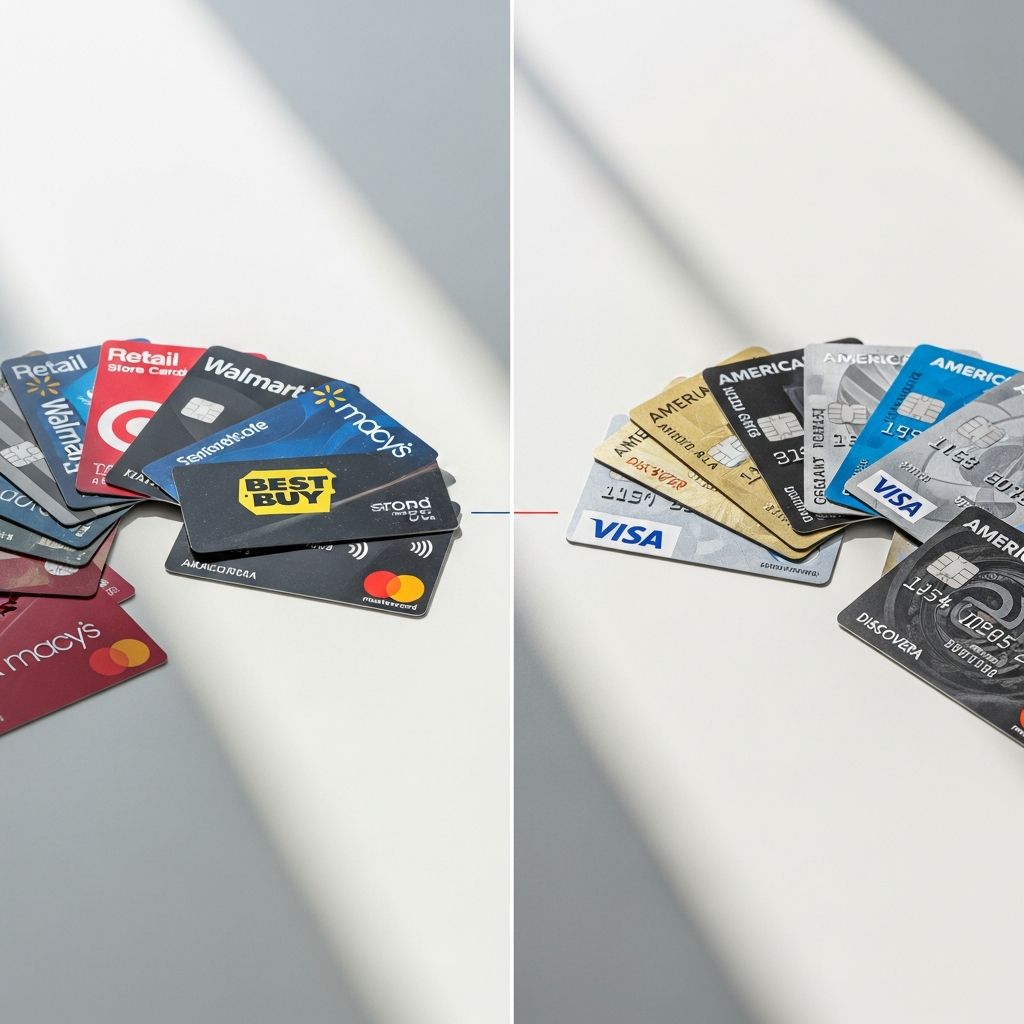
When evaluating payment options, consumers frequently encounter two distinct types of credit cards: those branded by specific retailers and traditional general-purpose cards accepted widely across merchants. Each category presents unique advantages and limitations that can significantly impact your financial decisions and spending patterns. Understanding these distinctions helps you determine which option aligns best with your purchasing habits and financial objectives.
Defining Retail-Branded Cards and Their Mechanics
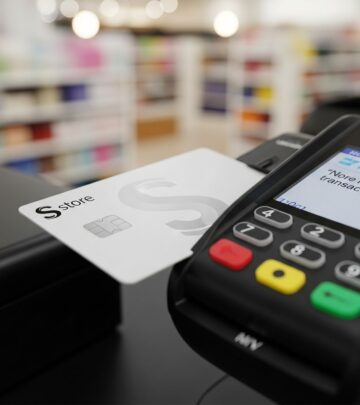
Retail-branded cards represent credit products issued directly by stores or in partnership with financial institutions on behalf of retailers. These cards come in two primary configurations that determine where and how you can use them. The first type, known as closed-loop cards, functions exclusively within the issuing retailer’s locations. When you attempt to use a closed-loop retail card anywhere other than the partnering store, the transaction will be declined, limiting your flexibility as a cardholder.
Conversely, open-loop retail cards carry Visa or Mastercard branding alongside the retailer’s name and logo. Despite their retail association, these cards operate identically to conventional credit cards and can be used at any merchant that accepts the underlying payment network. This distinction fundamentally affects how and where you can deploy the card for purchases.
Retailers partner with banks and financial institutions to facilitate these credit arrangements, enabling customers to make both in-store and online purchases within their preferred brands. The issuing financial institution handles transaction processing while the retailer benefits from enhanced customer engagement and loyalty.
Core Differences Between Retail and Traditional Cards
Geographic Acceptance and Merchant Networks
The most obvious distinction between retail-branded and general-purpose credit cards involves where merchants accept them. Closed-loop retail cards operate within a single retailer or affiliated store group, restricting your purchasing power to that specific environment. This limitation makes these cards impractical for emergency purchases, travel expenses, or transactions at competitors.
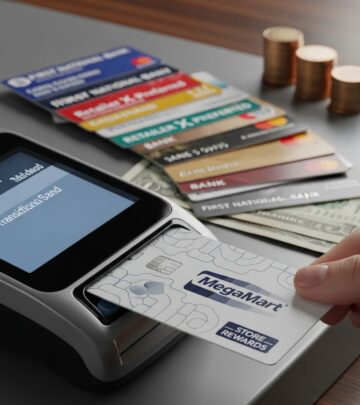
General-purpose credit cards, by contrast, function within established payment networks like Visa, Mastercard, American Express, or Discover. These cards are accepted at millions of locations globally, providing unprecedented flexibility for planned purchases, unexpected expenses, and travel situations.
Interest Rate Structures
Interest rates represent another significant differentiator between these card types. Retail cards typically carry substantially higher annual percentage rates compared to traditional credit cards. Industry data shows that retail card APRs commonly range from 25% to 30% or higher, with some reaching into the low 30s percentage range. These elevated rates apply particularly aggressively once introductory promotional periods expire.
Traditional credit cards, while still subject to variable rates based on creditworthiness, typically offer more competitive APRs ranging between 15% to 20% on average. Even more advantageous rates become available through credit unions and specialized financial institutions, where APRs may fall between 10% to 18%. The average retail card APR reaches approximately 28.93%, meaning that carrying a balance can quickly eliminate any rewards you’ve accumulated.
Reward Programs and Benefits Structure
Retailers incentivize card adoption through specialized reward programs designed to encourage repeat purchases. Retail cards frequently provide loyalty points, exclusive discounts, special sales access, extended return windows, and complimentary shipping offers. These benefits sound attractive in principle, but they remain restricted to transactions made exclusively with that retailer.
General-purpose credit cards offer significantly more adaptable reward structures. Modern cards provide cash back across multiple purchase categories, travel points and miles, statement credits, or combinations thereof. These rewards accumulate regardless of where you shop, allowing redemption at numerous merchants or for diverse purposes including travel, dining, entertainment, and everyday expenses. This flexibility means your rewards retain value across your entire spending ecosystem rather than concentrating benefits at a single retailer.
Credit Limits and Approval Accessibility
Retail cards generally feature lower credit limits compared to traditional credit cards. This reduced borrowing capacity reflects retailers’ assessment of risk and their focus on impulse purchases rather than major transactions.
The application process differs substantially as well. Retail card applications are often completed at checkout with minimal documentation—sometimes requiring just basic information and identification. This streamlined approach makes approval more accessible for individuals with limited credit history or lower credit scores, providing an opportunity to establish or rebuild credit profiles.
Traditional credit card applications involve more rigorous underwriting. Issuers typically require proof of income, residential verification, and minimum monthly earnings documentation. This more comprehensive evaluation process means approval becomes more challenging for applicants with thin credit files or poor credit histories.
Comparative Analysis: Side-by-Side Overview
| Feature | Retail-Branded Card | General-Purpose Credit Card |
|---|---|---|
| Merchant Acceptance | Limited to issuing retailer (closed-loop) or card network (open-loop) | Accepted at millions of locations globally |
| Typical APR Range | 25%–30% or higher | 15%–20% average; 10%–18% through credit unions |
| Reward Flexibility | Store-specific discounts and loyalty points only | Cash back, points, miles, redeemable widely |
| Credit Limits | Generally lower | Typically higher |
| Application Requirements | Minimal; quick in-store approval possible | Comprehensive; income verification required |
| Ideal For | Frequent customers of specific retailer | Diverse spending across multiple merchants |
Shared Characteristics Between Card Types
Despite their differences, retail and general-purpose credit cards share fundamental similarities. Both deliver monthly statements itemizing all purchases, allowing you to monitor spending patterns and maintain account records. Interest charges apply to outstanding balances carried beyond the grace period, regardless of card type.
Payment history and balance information reported to major credit bureaus influence your credit score through both card varieties. This means responsible management of either card type—paying on time and maintaining low utilization—contributes positively to your credit profile. Conversely, missed payments or high balances damage credit through either option.
Both card types offer consumer protections against fraud. Most credit cards include zero-liability fraud protection on unauthorized charges, with lost or stolen cards replaced within days.
Evaluating When Retail Cards Make Sense
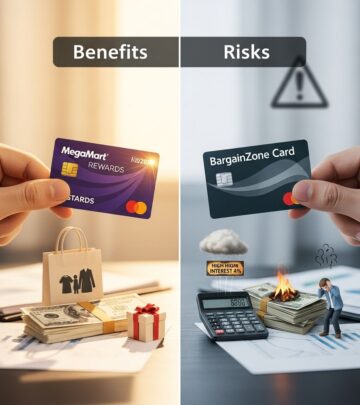
Retail cards provide genuine value in specific scenarios. If you frequently shop at a particular retailer and consistently spend significant amounts there, the elevated rewards rate combined with exclusive discounts can offset the higher interest rate—provided you pay the full balance monthly to avoid interest charges.
Individuals building credit histories or recovering from credit damage may benefit from retail card approval accessibility. The easier application process and higher approval rates help establish credit records and demonstrate responsible payment behavior, ultimately improving creditworthiness for future credit applications.
Retailers themselves benefit substantially from card offerings. Store cards reduce payment processing fees compared to general-purpose cards, allowing merchants to retain greater profit margins. Additionally, retail cards encourage increased customer spending and enhance customer retention through exclusive loyalty benefits.
Assessing General-Purpose Card Advantages
General-purpose credit cards prove superior for most consumers. Superior interest rates mean you pay less interest when carrying balances. The extensive merchant acceptance provides genuine security for emergencies and unexpected situations across any location or context.
Flexible reward programs allow you to optimize earnings across your entire spending portfolio rather than concentrating benefits at a single retailer. Whether you prioritize cash back, travel benefits, or statement credits, general-purpose cards offer options matching virtually any financial goal.
The higher credit limits available through general-purpose cards support major purchases, home improvements, or emergency medical expenses without immediately maxing out your available credit.
Frequently Asked Questions
Can retail cards be used outside the issuing retailer?
Closed-loop retail cards work exclusively with the issuing retailer. Open-loop retail cards, branded with Visa or Mastercard logos, function anywhere that payment network is accepted, despite their retail branding.
How do retail card rewards compare to general-purpose card rewards?
Retail cards may offer higher percentage rewards, but they apply exclusively to that retailer’s purchases. General-purpose cards offer lower percentages but provide flexibility to earn and redeem across unlimited merchants and categories.
Are retail cards worth the higher interest rates?
Only if you pay balances in full each month, avoiding interest charges entirely. Carrying balances means interest fees quickly exceed any accumulated rewards value.
Do retail cards help build credit?
Yes, retail cards report to major credit bureaus, and responsible management builds credit history and scores. However, general-purpose cards provide identical credit-building benefits without elevated interest rate risks.
Can you use retail cards for emergencies?
Closed-loop retail cards cannot be used outside that store, making them unsuitable for most emergencies. Open-loop retail cards function like traditional cards for emergencies, but general-purpose cards provide superior universality.
Making Your Decision
The choice between retail and general-purpose credit cards depends on your financial priorities and spending patterns. If you concentrate purchases at specific retailers and consistently pay balances in full, a retail card might enhance your rewards accumulation. However, most consumers benefit more from general-purpose cards’ broader acceptance, competitive interest rates, and flexible reward programs.
Consider maintaining just one or two general-purpose cards offering the rewards categories matching your top spending areas. This approach simplifies account management, minimizes interest rate risks, and maximizes reward value across diverse merchants. Reserve retail cards exclusively for frequent, planned purchases at retailers where introductory APR promotional periods and compelling loyalty benefits offset their typically higher ongoing rates.
Ultimately, understanding these differences empowers you to select cards aligning with your actual financial behavior rather than retailers’ marketing appeals. Thoughtful selection combined with disciplined payment practices ensures you extract maximum value from whatever cards you maintain.
References
- Differences Between Store Credit Cards vs Major Credit Cards — SoFi Learning. Retrieved from https://www.sofi.com/learn/content/store-card-vs-credit-card/
- Understanding Store Credit vs a Credit Card — Standard Bank. Retrieved from https://www.standardbank.co.za/southafrica/personal/learn/store-credit-vs-credit-cards-what-is-the-difference
- Store Cards vs Credit Cards: Pros and Cons — Tandym. Retrieved from https://www.bytandym.com/articles/store-card-vs-credit-card
- Store vs. Traditional Credit Cards — Arkansas Federal Credit Union. Retrieved from https://www.afcu.org/learn/credit-debt/store-vs-traditional-credit-cards/
- Are Retail Credit Cards Worth It? — Bankrate. Retrieved from https://www.bankrate.com/credit-cards/rewards/are-store-credit-cards-worth-it/
- Should You Get a Store Credit Card? — Navy Federal Credit Union. Retrieved from https://www.navyfederal.org/makingcents/credit-debt/should-you-get-a-store-credit-card.html
Similar Articles








Read full bio of medha deb