Resume Objective Examples and Writing Tips
Master resume objectives with proven examples and expert writing strategies for job seekers.

What Is a Resume Objective?
A resume objective is a concise, targeted statement that appears near the top of your resume, typically following your name and contact information. This two to three sentence declaration outlines your professional goals and explains why you are interested in the specific position you’re applying for. Unlike a generic summary, a well-crafted resume objective demonstrates to potential employers that you have thought carefully about how your skills, experience, and ambitions align with their organization’s needs.
The resume objective serves as your opportunity to make an immediate impression on hiring managers and recruiting professionals. It tells them who you are professionally, what you want to achieve in your career, and how you can contribute to their company’s success. When written effectively, a resume objective can set you apart from other candidates and provide context for your qualifications before the employer reviews the rest of your resume.
When Should You Include a Resume Objective?
Deciding whether to include a resume objective depends on your specific situation and career stage. Understanding when this section is most beneficial can help you create a more strategic resume.
Career Changers and Career Transitions
If you’re making a significant shift in your career direction, a resume objective becomes particularly valuable. It allows you to explain why you’re transitioning and how your previous experience prepares you for this new role. For example, someone moving from retail management to human resources can use the objective to highlight transferable skills like employee relations, conflict resolution, and team leadership that apply to HR positions.
Recent Graduates and Entry-Level Candidates
Fresh graduates entering the job market for the first time benefit significantly from resume objectives. Since you may lack extensive professional experience, the objective allows you to emphasize your educational background, internships, and relevant skills. It demonstrates your enthusiasm for the industry and shows employers that you understand the role’s requirements despite limited work history.
Niche or Specialized Positions
When applying for positions that require very specific expertise or skills, a resume objective helps highlight your unique qualifications. For instance, a marketer specializing in startup growth or an engineer with expertise in renewable energy can use the objective to immediately communicate their specialized value proposition.
When You Should Skip the Objective
If you have extensive professional experience directly related to the position, a professional summary might serve you better than an objective. Additionally, if you’re applying for positions very similar to your current or most recent role, the objective may be unnecessary.
How to Write an Effective Resume Objective
Crafting a powerful resume objective requires strategy, clarity, and customization. Follow these essential guidelines to create an objective that captures attention and advances your candidacy.
Get to the Point Immediately
You have limited space—typically two sentences maximum—to make your case. Avoid lengthy introductions or unnecessary context. State clearly who you are professionally, what position you’re seeking, and what value you bring. For example: “Experienced marketing professional with 10 years of digital campaign expertise seeking a marketing director role to drive brand growth and customer engagement at a forward-thinking technology company.”
Read the Job Description Carefully
Before writing your objective, thoroughly analyze the job posting. Identify the key responsibilities, required qualifications, and emphasized skills. Your objective should directly address what the employer is looking for, demonstrating that you’ve done your research and understand the role’s specific requirements.
Customize for Each Position
Avoid using a generic, one-size-fits-all objective. Tailor your objective to each job application by incorporating specific company names, industry terminology, and position-specific goals. This customization shows genuine interest and increases the likelihood that your resume will pass through applicant tracking systems and reach hiring managers.
Use Relevant Keywords
Incorporate industry-specific keywords and terminology that appear in the job description. These keywords help your resume get noticed by both automated screening systems and human recruiters. If the position emphasizes project management, data analysis, or customer relationship management, weave these terms naturally into your objective.
Include Relevant Certifications and Education
If specific degrees, licenses, or certifications are critical to the position, mention them in your objective. For example, a healthcare professional might write: “Registered Nurse with BSN degree and five years of critical care experience seeking a nursing leadership position to improve patient outcomes and mentor nursing teams.” This immediately establishes your qualifications.
Explain How You’ll Benefit the Company
The most compelling resume objectives focus on what you can do for the employer, not just what you want. Rather than saying “I want to advance my career,” explain how your skills will help the organization achieve its goals. For instance: “To leverage strategic planning expertise and financial acumen to drive sustainable business growth and profitability.”
Use Action-Oriented Language
Begin with strong action verbs that demonstrate initiative and confidence. Words like “seeking,” “aiming,” “leveraging,” “driving,” “implementing,” and “contributing” convey energy and purpose. Avoid passive language or overly humble phrasing that diminishes your value proposition.
Resume Objective Examples by Career Level
New Graduate Resume Objectives
Recent graduates should emphasize their educational achievements, internships, and eagerness to learn:
- “Highly driven recent business school graduate seeking a full-time position in finance where I can apply my knowledge of market analytics to help your organization improve profitability.”
- “Motivated team player and aspiring fashion buyer with proven communications skills seeking to grow my knowledge of the couture industry and use my conversational skills as a junior retail associate for your women’s formal wear boutique.”
- “Recent college graduate with degree in marketing and internship experience seeking entry-level marketing coordinator position to apply creative thinking and social media expertise.”
Entry-Level Resume Objectives
Entry-level candidates transitioning from education to employment should highlight relevant skills and enthusiasm:
- “Dedicated student seeking to gain industry skills while pursuing studies in a part-time capacity.”
- “High school graduate with customer service experience looking to enter the workforce in a retail or hospitality environment.”
- “Seeking a challenging entry-level position where I can apply my technical skills and enthusiasm to contribute to organizational success.”
Mid-Career Resume Objectives
Professionals with several years of experience should emphasize accomplishments and advanced skills:
- “Results-driven project manager with eight years of experience seeking a senior project management role to lead cross-functional teams and deliver complex initiatives on time and within budget.”
- “Accomplished sales executive with proven track record of exceeding targets seeking regional sales director position to scale team performance and drive revenue growth.”
Industry-Specific Resume Objective Examples
Human Resources Objectives
“Approachable, dedicated and hardworking human resources coordinator with three years of experience seeks position as an HR manager with a company that values knowledge of the industry, the ability to implement improvements for employee satisfaction, exceptional work performance and previous work experience.”
Alternative HR objectives might emphasize specific competencies such as: “To leverage expertise in HR analytics and data-driven decision-making to provide insights and recommendations for workforce planning and optimization.” Or focus on company culture: “Seeking a Human Resources position that values diversity, equity, and inclusion initiatives to foster a positive and inclusive work culture.”
Finance and Accounting Objectives
“Highly self-motivated and detail-oriented financial analyst seeking position as a Senior Financial Analyst to apply quantitative and analytical skills, financial modeling, planning, metric reporting, forecasting and other related skills in alignment with the company’s financial goals.”
Finance professionals can also emphasize leadership and strategic contributions: “To contribute expertise in strategic planning, financial management, and business development to achieve sustainable growth and profitability.”
Sales and Sales Management Objectives
“Dedicated and skilled individual with extensive experience managing a direct sales team and proven sales results in search of position that allows me to apply my development, brand portfolio production, management, organizational and communication skills when interacting with salespeople.”
Entry-level sales professionals might write: “Motivated sales representative with strong communication and negotiation skills seeking position to drive revenue and build lasting client relationships in a dynamic sales environment.”
Teaching and Education Objectives
“Passionate and innovative educator with four years of teaching experience, conflict mediation skills and strong performance ratings looking to gain additional education and experience by enrolling in a graduate-level program that will provide opportunities for growth and advancement.”
Educators can also focus on specific teaching philosophies: “Seeking a teaching position in a school that values creativity, critical thinking, and lifelong learning as essential skills for student success.” Or emphasize classroom management: “To apply classroom management skills and positive behavior reinforcement techniques to create a positive and productive learning environment.”
Leadership and Executive Objectives
“Goal-focused individual seeking a leadership role with a thriving, growing company to apply management, leadership and motivational skills when overseeing a team of professionals and working toward a common goal to increase productivity.”
Senior executives might emphasize vision and organizational impact: “Seeking an executive leadership position where I can champion diversity, equity, and inclusion initiatives to create a more inclusive and equitable workplace.” Or focus on innovation: “Seeking an executive leadership position that values innovation and fosters a culture of creativity, risk-taking, and continuous learning.”
Administrative and Support Roles Objectives
“A results-driven and focused clerical professional in search of a position that allows for the application of accounting, organizational, planning, recordkeeping, problem-solving and secretarial skills to support manage data and achieve corporate goals.”
Data entry specialists can write: “Hardworking data entry specialist looking for a position in a results-focused workplace that allows me to apply my strong typing, data entry, customer service and administrative support skills. Typing speed is 70 WPM, while attention to detail ensures accurate and efficient data input.”
Healthcare and Caregiving Objectives
“Patient-focused and detail-oriented caregiver with three years of experience and excellent communication and organizational skills seeking a position to provide loving care to patients with a goal to improve their overall comfort, health and well-being.”
Creative Industry Objectives
“Highly personable and creative cosmetologist with excellent client satisfaction record seeks position as a professional cosmetologist in a high-end salon to apply knowledge of cosmetic and hair products and their aesthetic and physical effects, as well as customer relations and people skills.”
Engineering Objectives
“To contribute expertise in specific engineering software and tools to optimize processes and improve productivity in engineering projects.” Alternatively: “Seeking an opportunity to work in a collaborative environment where I can apply creativity and engineering skills to develop innovative products.”
Restaurant and Food Service Objectives
“Friendly, positive and detail-oriented individual seeking an entry-level position in a fast-paced restaurant that allows for the application of customer service and food preparation skills.”
Common Mistakes to Avoid
When crafting your resume objective, be mindful of these frequent errors that can undermine your effectiveness:
- Being Too Generic: Avoid objectives that could apply to any position or company. Employers want to see that you’re specifically interested in their role.
- Focusing Only on Your Needs: Don’t make it all about what you want to gain. Emphasize what value you bring to the organization.
- Using Clichéd Phrases: Steer clear of overused terms like “hardworking,” “team player,” or “motivated” without supporting details.
- Making It Too Long: Respect the two-sentence limit. Lengthy objectives lose impact and viewer attention.
- Neglecting Keywords: Failing to incorporate industry-specific terminology means missing opportunities to align with job descriptions and pass screening systems.
- Lacking Specificity: Vague objectives that don’t reference the particular company, industry, or position weaken your candidacy.
- Ignoring Grammar and Spelling: Errors in your objective reflect poorly on your attention to detail and professionalism.
Frequently Asked Questions
Q: Is a resume objective still necessary in modern job applications?
A: While not always required, a resume objective remains valuable for career changers, recent graduates, and individuals with niche expertise. However, if you have substantial direct experience, a professional summary might be more appropriate.
Q: How long should a resume objective be?
A: Keep your objective to one or two sentences, typically 20-30 words. This brevity ensures hiring managers read it completely and retain your key message.
Q: Should I use the same objective for all job applications?
A: No. Customize your objective for each position by incorporating specific company information, role requirements, and relevant keywords from the job description.
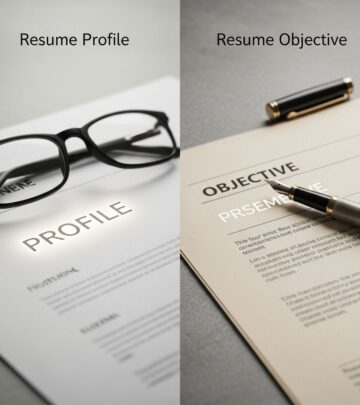
Q: What’s the difference between a resume objective and a professional summary?
A: A resume objective focuses on your career goals and what you want to achieve in the role, while a professional summary highlights your accomplishments and expertise. Choose based on your career stage and situation.
Q: Should I include salary expectations in my resume objective?
A: No. Your resume objective should focus on the role and value you bring, not compensation. Salary discussions belong in separate compensation conversations.
References
- 70+ Resume Objective Examples (With Tips and How-To Guide) — Indeed Career Advice. 2024. https://www.indeed.com/career-advice/resumes-cover-letters/resume-objective-examples
- 150 Resume Objective Examples to Get You Hired in 2025 — Huntr. 2025. https://huntr.co/blog/resume-objective-examples
- What Is a Résumé Objective? Definition and Examples — Grammarly. 2024. https://www.grammarly.com/blog/resumes-cover-letters/resume-objectives/
- CREATE A STRONG RESUME — Harvard Mignone Center for Career Success. https://careerservices.fas.harvard.edu/resources/create-a-strong-resume/
Similar Articles








Read full bio of medha deb