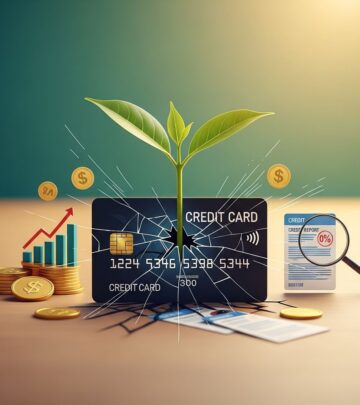
Restoring Your Credit: Proven Strategies To Rebuild Fast
Transform your financial future with actionable steps to rebuild creditworthiness

A damaged credit profile can feel like a permanent setback, but recovery is entirely achievable with the right approach. Whether your credit challenges stem from missed payments, high debt levels, or errors on your report, understanding the mechanics of credit scoring and taking deliberate action can reverse the damage. This guide outlines actionable strategies that demonstrate measurable progress within months rather than years.
Understanding Your Starting Point
Before implementing any improvement strategy, you must establish a baseline understanding of your current financial position. Obtaining copies of your credit reports from all three major bureaus—Experian, Equifax, and TransUnion—provides the foundation for your recovery plan. These reports are available free once annually through authorized channels and should be your first port of call.
Beyond the reports themselves, examine the specific factors dragging down your score. Payment delinquencies, accumulated debt, account age diversity, and recent credit inquiries all contribute to your overall creditworthiness rating. Identifying which factors have the greatest negative impact allows you to prioritize your efforts efficiently. Some issues, such as recent late payments, demand immediate attention, while others, like accounts closed years ago, gradually lose their influence over time.
The Foundation: Establishing Reliable Payment Behavior
Payment history represents the single most influential component of credit evaluation, accounting for approximately 35% of scoring models. A track record of timely payments carries more weight than any other behavioral factor, making this your primary focus area.
Establishing automated payment systems removes the possibility of human error. Setting up automatic transfers for at least minimum amounts from your bank account ensures payments arrive by their due dates without requiring manual intervention each month. Most financial institutions offer customizable reminders that alert you days before payment deadlines, providing an additional safety net.
Beyond minimum payments, consider the psychological benefit of accelerated progress. Paying more than the required minimum when possible reduces overall interest charges and demonstrates commitment to creditors. Even modest increases—$20 to $50 beyond minimums—accumulate meaningfully over time and generate demonstrable score improvements within months.
For those currently behind on payments, contacting creditors proactively often yields unexpected flexibility. Many organizations offer hardship programs, reduced payment plans, or modified terms for consumers willing to negotiate. Explaining your situation honestly and requesting assistance demonstrates financial maturity to creditors who might otherwise pursue aggressive collection actions.
Debt-to-Available-Credit Management
Credit utilization—the percentage of available credit you’re actively using—significantly influences your creditworthiness assessment. The conventional wisdom suggests maintaining balances below 30% of total limits, though achieving utilization under 10% produces optimal scoring results.
This guideline functions as a risk indicator in the lending industry’s perspective. When consumers use most of their available credit, lenders perceive elevated default risk regardless of payment history. Crossing above the 30% threshold can trigger noticeable score drops even for consumers with perfect payment records.
Practical application requires examining each credit account individually. If you possess a card with a $5,000 limit, maintaining a balance under $1,500 signals responsible credit management. Real-world examples demonstrate the impact: clients who reduced credit card utilization from 90% to healthier levels experienced score increases of 70 points or more.
Strategic debt reduction methodologies accelerate this improvement. The debt avalanche approach prioritizes paying off highest-interest accounts first while maintaining minimums elsewhere, ultimately saving the most money in interest charges. The snowball method, conversely, targets smallest balances first regardless of interest rates, generating psychological momentum that helps consumers stay motivated. Both approaches work; the optimal choice depends on whether you’re motivated by mathematical efficiency or emotional wins.
Consolidation as a Restructuring Tool
For consumers managing multiple high-interest accounts, consolidation combines several debts into a single obligation with unified terms. This approach offers dual benefits: simplified payment management and potential interest rate reduction.
Consolidation vehicles include personal loans, home equity arrangements, and balance transfer credit cards. Balance transfer cards warrant special attention due to their promotional 0% APR periods lasting 12-18 months, which can eliminate interest charges temporarily. However, balance transfer fees typically consume 3-5% of transferred amounts, and the promotional rate expires if you don’t eliminate the balance in time.
According to credit education experts, consolidation helps credit scores in multiple ways. By converting numerous accounts into one payment obligation, you simplify debt management and reduce the likelihood of missed payments. If consolidation achieves a lower interest rate than your existing accounts, the overall interest expense decreases substantially, accelerating your path to debt freedom.
Professional Guidance and Credit Counseling
Nonprofit credit counseling agencies provide legitimate assistance distinguishable from predatory debt settlement companies. Reputable counseling organizations help clients analyze financial situations, construct realistic budgets, and develop structured debt management plans. Many also negotiate directly with creditors on your behalf, often securing better terms, reduced rates, or modified payment schedules.
Credit counselors educate consumers about scoring mechanics while providing hands-on support throughout the improvement process. This personalized guidance proves invaluable for those struggling with financial discipline or facing complex debt situations.
Building Positive Credit Activity
Establishing diversified credit accounts demonstrates responsible management across various lending categories. Credit mix—encompassing revolving credit like cards and installment loans like auto financing—contributes to overall scoring. However, opening numerous accounts rapidly to build mix appears desperate and damages scores through inquiry accumulation and reduced average account age.
Secured credit cards specifically designed for rebuilding credit work by requiring cash deposits that become your credit limit. Using secured cards responsibly and making timely payments generates positive payment history, essential for those with minimal credit backgrounds. After demonstrating reliability, many issuers graduate secured accounts to unsecured status, improving your profile.
Keeping existing older accounts active, even those you no longer regularly use, benefits your credit mix and extends your average account age—both positive factors. Placing small recurring charges on dormant accounts and paying them off promptly maintains activity without temptation to overspend.
Monitoring and Dispute Resolution
Regular credit report examination identifies errors requiring correction through formal dispute processes. Inaccurate information—whether from creditor reporting mistakes or identity theft—should be challenged immediately with both the credit bureau and the reporting entity.
Monthly monitoring through free credit services keeps you informed of changes and alerts you to suspicious activity potentially indicating fraud. This hands-on approach prevents the “set-it-and-forget-it” mentality that derails many improvement efforts. Staying actively engaged with your credit situation maintains momentum and allows rapid response to emerging issues.
Realistic Timelines for Improvement
Credit repair requires patience despite the availability of quick-fix claims. Dramatic improvements—100+ point increases within six months—are possible but demand aggressive debt payoff combined with perfect payment discipline. More typically, gradual monthly increases accumulate as you address root causes.
Recent negative items retain maximum impact initially but gradually diminish in influence. A delinquency from two years ago damages your score far less than a current missed payment. Understanding that time heals credit wounds alongside active remediation helps maintain realistic expectations and long-term commitment.
Strategic Considerations Before New Credit Applications
Each credit application generates an inquiry that temporarily lowers your score, though the impact diminishes significantly after several months. Minimizing unnecessary inquiries demonstrates restraint and prevents further score damage during your recovery period. Rate shopping for major purchases like mortgages within concentrated timeframes counts as a single inquiry, so bundle these activities rather than spacing them apart.
Before opening new accounts, evaluate whether the benefit justifies the inquiry impact and the effect on your average account age. During recovery phases, restraint typically outweighs diversification benefits.
The Long-Term Perspective
Credit restoration represents a marathon rather than a sprint. Negative information gradually loses power as time passes and positive activity accumulates. The goal isn’t achieving a perfect score immediately but rather demonstrating consistent, responsible financial behavior that rebuilds trust with lenders.
Improved credit accessibility translates to tangible benefits: lower interest rates on future borrowing, better approval odds, and reduced insurance premiums in many jurisdictions. These savings multiply over years, potentially recovering thousands of dollars in unnecessary interest charges.
References
- How to Repair Your Credit Score in 2026: 9 Proven Strategies That Actually Work — AmeriSave. 2026. https://www.amerisave.com/learn/how-to-repair-your-credit-score-in-proven-strategies-that-actually-work
- A five-step plan to improve your credit score in 2026 — The Independent. 2026. https://www.the-independent.com/us/money/credit-score-how-to-improve-b2897133.html
- Low or No Credit? Key Strategies to Boost Your Credit Score — Northwest Bank. 2026. https://www.northwest.bank/news-insights/low-or-no-credit-key-strategies-to-boost-your-credit-score/
- 5 ways to improve your credit score — Better Money Habits, Bank of America. 2026. https://bettermoneyhabits.bankofamerica.com/en/credit/how-to-improve-your-credit-score
- How to repair your credit and improve your FICO Score — myFICO. 2026. https://www.myfico.com/credit-education/improve-your-credit-score
- How to Improve Your Credit Score Fast — Experian. 2026. https://www.experian.com/blogs/ask-experian/credit-education/improving-credit/improve-credit-score/
Similar Articles








Read full bio of medha deb